Before you leave, let our managing team review your rigid box project. Share your product type, target market quantity, and launch timeline, and well heip evaluate the best structure, material, finish, MOQ, ond production plan for your brand
Get Sales & Packaging Engineering Support
Our Sales Team
Need help with magnetic closure boxes, lid lift-off boxes, drawer boxes, cosmetic boxes, candle boxes, perfume boxes, tea boxes, wine boxes, or promotional packaging? Send us your requirements and our sales or engineering team will help with pricing, structure, sampling, printing, anda production feasibility.
What Are Magnetic Boxes Used For? Luxury Packaging Uses
The short answer nobody in packaging sales wants to say too loudly
Magnetic boxes are used when the box has to do more than hold the product.
That’s it.
But the real answer is messier: magnetic boxes show up when a brand wants the buyer to feel a little pause before touching the product, when the closure needs that soft snap, when the package has to survive handling without looking like a grocery carton, and when the marketing team quietly knows the product needs help looking worth the price.
I’ve seen this play out too many times. A brand spends months arguing over logo foil, then forgets the insert tolerance. Or they pick a 2.0 mm board because “premium,” then ship glass bottles across the country in a box that wasn’t tested for courier abuse.
Table of Contents
Pretty box. Bad thinking.
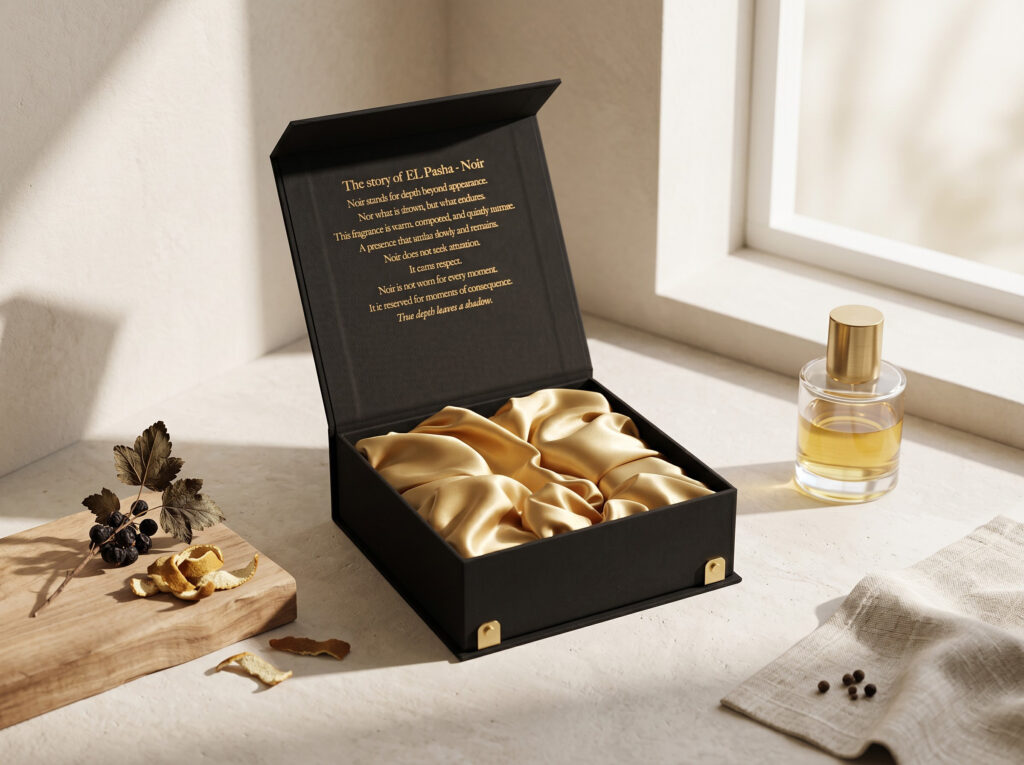
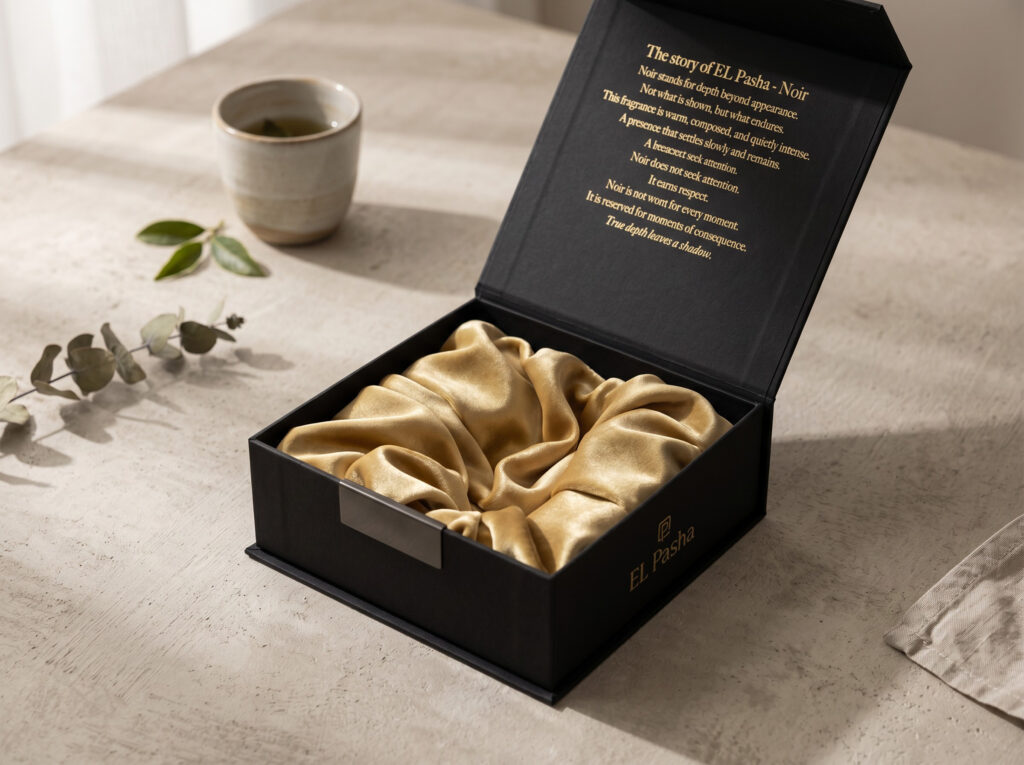
Magnetic boxes are useful, yes. But they are not magic packaging dust. They are rigid presentation tools with embedded magnets, usually hidden inside the lid and base, built to create a secure closure and a better unboxing rhythm.
And here’s the uncomfortable part: sometimes the box is doing the emotional work the product should have done.
What Are Magnetic Boxes Used For Luxury Packaging Uses
Where magnetic boxes actually earn their keep
What are magnetic boxes typically used for? Luxury packaging, gift packaging, PR kits, premium retail sets, cosmetics, perfume, chocolate, spirits, jewelry, watches, tech accessories, and corporate gifts.
Small list? Not really.
The better way to think about it is this: magnetic closure boxes belong around products where presentation affects perceived value. If the customer expects ceremony, the magnetic snap helps. If the customer only wants the cheapest possible container, forget it.
I’d put magnetic boxes into six real-world buckets:
Gift-first products
This is the obvious one. Candles, chocolate assortments, perfume sets, holiday bundles, wine gifts, tea boxes, and skincare kits. The buyer is not just buying the item. They’re buying the handover moment.
High-margin retail products
Cosmetics, fragrance, jewelry, watches, and premium accessories. These products don’t merely sit on shelves; they compete through touch, weight, finish, and brand memory. A good magnetic box helps with all four.
PR and influencer kits
This is where brands get theatrical. Sometimes too theatrical. A magnetic book-style box with a clean insert layout can look strong on camera, but if the courier crushes the corner before the influencer opens it, congratulations—you made expensive trash.
Corporate gifting
Notebooks, pens, tumblers, samples, tech items, small bottles, and branded cards. Magnetic boxes are useful because they organize multiple items without making the kit look like warehouse kitting.
Fragile glass products
Perfume, spirits, jars, droppers, and some food products. The box structure matters, but the insert matters more. I’ll die on that hill.
Reusable storage packaging
A good rigid magnetic box gets kept. A weak one gets binned. Big difference.
For structure options, I’d start with custom magnetic closure boxes before getting distracted by foil colors, ribbon tabs, or soft-touch finishes. Shape first. Decoration later.
What Are Magnetic Boxes Used For Luxury Packaging Uses
Why magnetic closure boxes feel premium — even when buyers can’t explain why
A magnetic box feels expensive because it controls motion.
The lid doesn’t flap. The front edge doesn’t beg to stay shut. The closure gives resistance, then release. That little “snap” is not just hardware; it’s a cue. Your hand reads it before your brain writes the review.
Sounds dramatic.
But if you’ve handled cheap tuck-end cartons all day and then open a rigid magnetic box with clean hinge tension, tight corner wrapping, and a properly seated insert, the difference is obvious. You don’t need a branding degree. You just feel it.
Same logic, different weight class: a rigid kraft spirit bottle gift box with molded pulp insert is not only about looking natural or craft-driven. It has to hold glass. Heavy glass. One loose insert and the whole box feels amateur.
The hard commercial reason brands still pay for magnetic boxes
Luxury buyers got more skeptical.
According to Reuters’ 2024 report on Bain’s luxury market outlook, global luxury sales were expected to fall 2% in 2024, and the industry had lost around 50 million consumers over two years. That’s not a cute data point. That’s a warning shot.
When shoppers pull back, weak packaging gets exposed.
A $120 skincare kit in a flimsy carton? Good luck. A fragrance bottle rattling inside a “premium” gift box? Customers hear that. A corporate gift arriving with scuffed corners? Someone in procurement notices, even if they don’t say it.
So yes, magnetic boxes cost more than folding cartons. Obviously.
But they can defend price. They make a product feel giftable, stable, and deliberate. They also help brands avoid that dead little moment when the customer opens the package and thinks, “Wait, I paid how much?”
That moment kills repeat purchases.
Magnetic boxes are not one structure; stop treating them like they are
People say “magnetic box” as if it’s one thing. It isn’t.
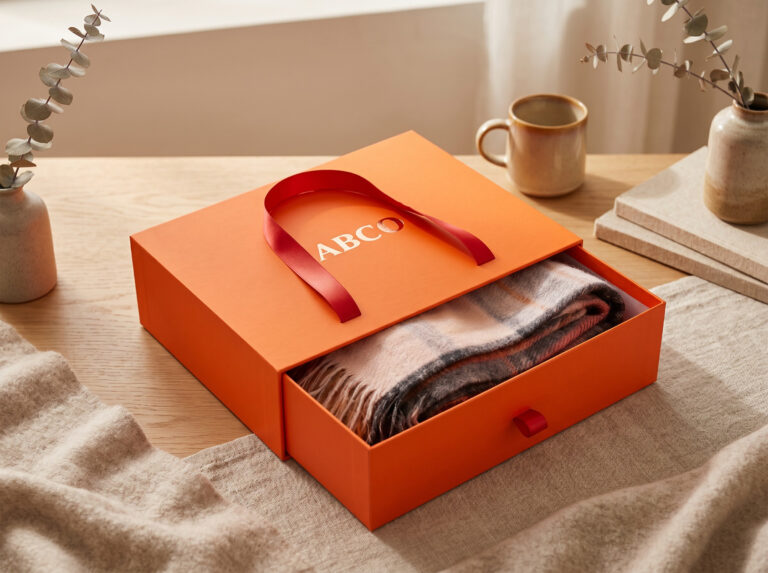
There are book-style magnetic boxes, flip-top magnetic boxes, collapsible magnetic boxes, drawer hybrids, double-door presentation boxes, and custom rigid structures with magnets buried in places most buyers never think about.
The structure changes everything: cost, freight, hand assembly, insert design, board thickness, failure risk, and customer experience.
Book-style magnetic boxes
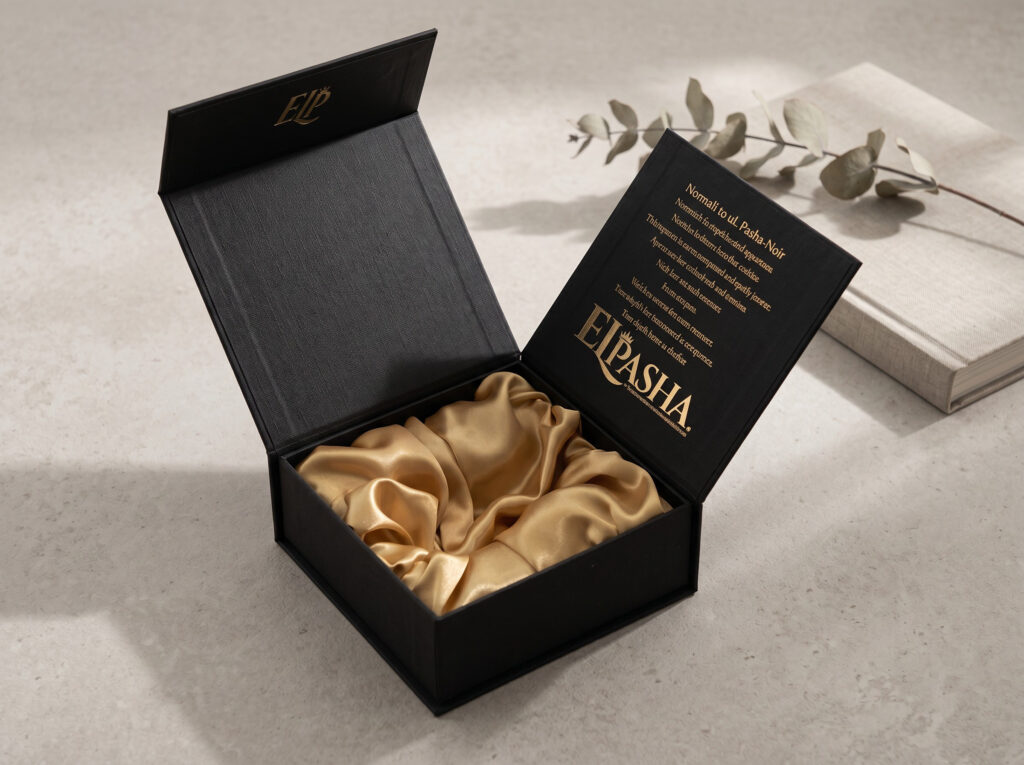
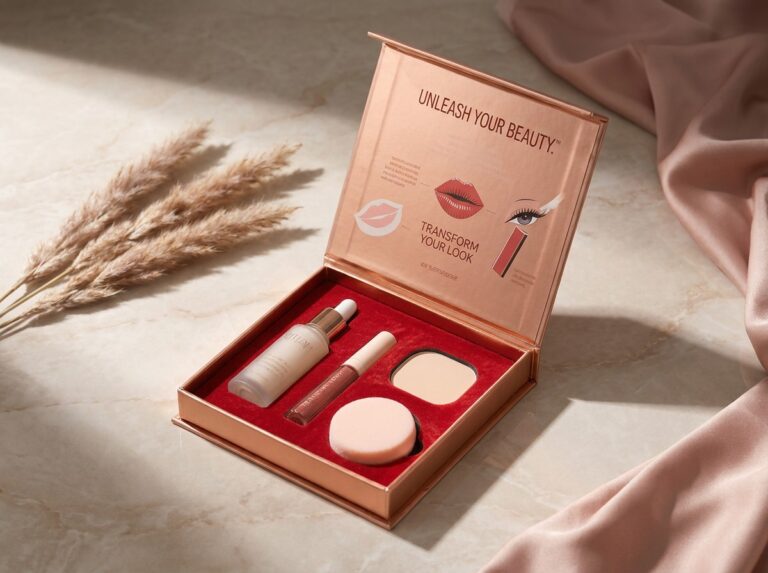
These open like a hardcover book. Great for PR kits, beauty sets, chocolates, tech accessories, and sampling programs. The inside lid becomes a branding panel, which is useful for campaign copy, QR codes, shade guides, product instructions, or a founder note.
Yes, founder notes are overused. Still works sometimes.
Flip-top magnetic boxes
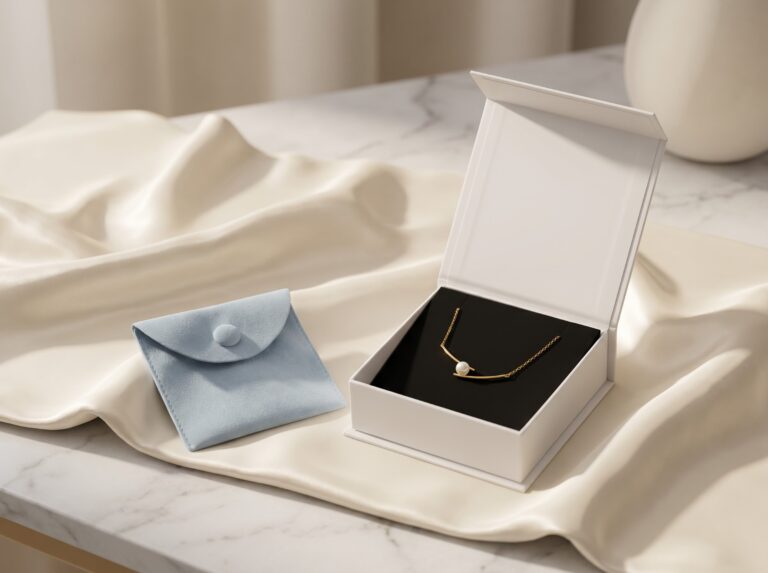
This is the clean gift-box format. Base, lid, hinge, magnets. No drama unless you add it. Works for candles, jewelry, cosmetics, perfume, and small premium bundles.
Collapsible magnetic boxes
These ship flat, which helps freight. They’re popular for corporate gifting and e-commerce sets because assembled rigid boxes eat space like crazy. But don’t get lazy: collapsible corners, adhesive strips, and fold memory have to be checked.
A flat-pack magnetic box can look brilliant in a sample room and tired after a warehouse team assembles 5,000 units on a Friday afternoon.
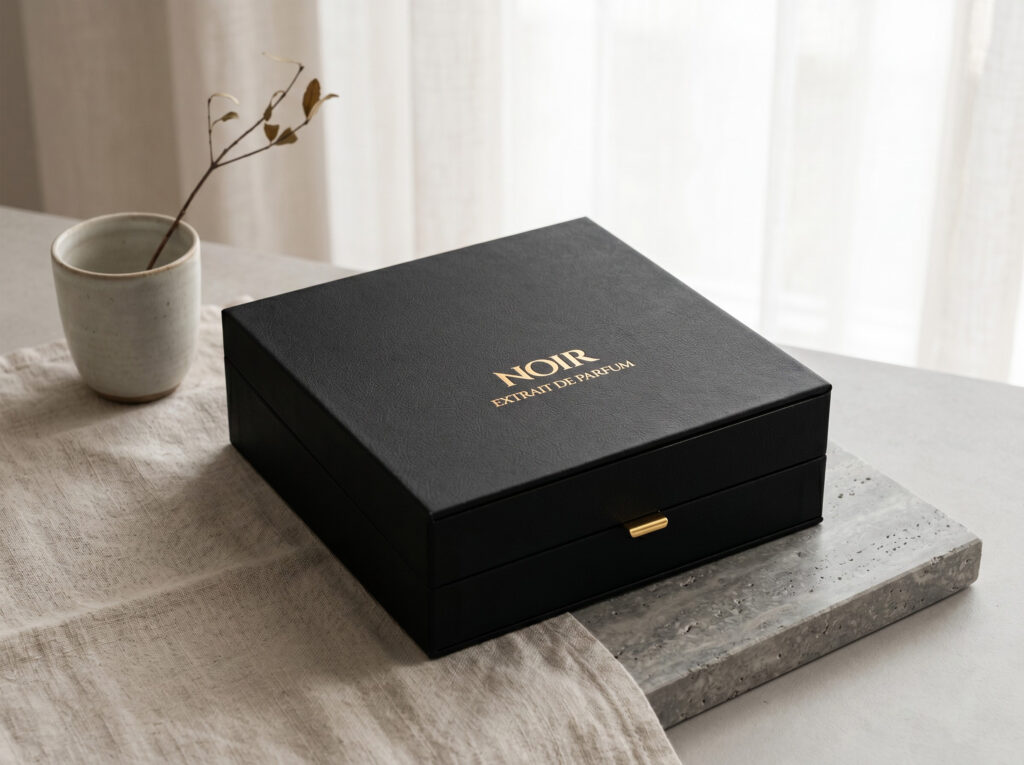
Drawer-style magnetic hybrids
These give a staged reveal. Pull, pause, open, remove. Very nice when tolerances are tight. Awful when the tray drags or wobbles.
Before choosing anything, compare the basic rigid box shapes instead of starting with “we want luxury.” Luxury is not a structure. It’s an outcome.
What Are Magnetic Boxes Used For Luxury Packaging Uses
Common uses of magnetic boxes in luxury packaging
Use Case
Why Magnetic Boxes Fit
Common Structure
Buyer Risk If Done Poorly
Cosmetics gift sets
Creates premium opening feel and supports jars, tubes, or bottles
Rigid magnetic lid with EVA, paperboard, or molded pulp insert
Insert rattle makes the brand feel cheap
Perfume and fragrance
Adds giftability and protects glass bottles
Book-style rigid magnetic box
Magnet too weak, bottle movement, foil scuffing
Chocolate and confectionery
Makes seasonal gifting feel collectible
Printed magnetic gift box with tray
Grease resistance and food-contact planning ignored
Spirits and wine
Holds heavy glass and improves shelf presence
Rigid box with molded pulp or paper insert
Board thickness too low for bottle weight
Jewelry and watches
Supports small high-value products with tactile drama
Compact rigid magnetic box with velvet or flocked insert
Overbuilding the box can look bulky, not refined
Corporate gifting
Turns ordinary items into a branded presentation kit
Large magnetic rigid presentation box
Freight cost spikes due to dimensional weight
Influencer and PR kits
Creates “camera-ready” reveal moments
Magnetic book-style box with compartments
Looks good on camera but fails during transit
That table looks tidy. Reality is not.
The product weight, insert material, shipping route, humidity exposure, retail handling, and assembly process all mess with the final result. One tiny magnet shift can make the lid sit crooked. One rushed wrap line can leave glue marks near the hinge. One wrong insert clearance can make a bottle sound loose.
And sound matters. A rattling premium box feels cheap before anyone sees the product.
Why brands choose magnetic gift boxes instead of folding cartons
A folding carton is cheaper.
There. We said it.
It’s lighter, faster, easier to ship, and usually easier to recycle. For mass retail, folding cartons often make more sense than rigid magnetic boxes. I frankly believe many brands overuse rigid packaging because they want to look expensive before they’ve earned it.
But.
Magnetic gift boxes win when the job is not just packing. They win when the job is persuasion.
The U.S. Census Bureau reported that 2024 U.S. e-commerce sales reached about $1.1926 trillion, up 8.1% from 2023, with e-commerce representing 16.1% of total retail sales. More premium products are now judged at home, after shipping, with no sales associate smoothing over weak presentation.
That matters.
The National Retail Federation reported that 2024 U.S. retail returns were projected at $890 billion, with retailers estimating 16.9% of annual sales would be returned. Packaging doesn’t cause all returns—don’t be ridiculous—but disappointing unboxing, damage, crushed corners, broken glass, and sloppy inserts add friction at the worst possible time.
A magnetic box can help in four ways:
It protects the product better than a thin carton.
It increases giftability.
It supports a higher retail price.
It gives the customer a reason to keep the packaging instead of throwing it away immediately.
That last point is underrated.
The product categories where magnetic boxes make the most sense
Cosmetics and skincare
Cosmetics are probably the cleanest fit. Magnetic boxes work for serum sets, cream jars, lipstick kits, facial tools, and seasonal beauty bundles. The insert should be chosen around the actual product geometry, not whatever the supplier used last month.
Paperboard insert? Good for recyclability and simple layouts.
Molded pulp? Better sustainability story, if the finish is clean.
EVA foam? Sharp presentation, strong hold, but less friendly when the brand wants a paper-based claim.
PET tray? Clear visibility, but now your material story gets more complicated.
Pick carefully.
Perfume and fragrance
Fragrance loves magnetic boxes because perfume is already half emotion. The box has to slow the buyer down.
A book-style magnetic box can make a bottle feel collectible. A flip-top magnetic rigid box can make a gift set feel more formal. Foil stamping and embossing work well here, but too much decoration can turn elegant into department-store noise.
Hard truth: a perfume box should never feel heavier than the perfume story.
Chocolate, tea, coffee, and gourmet gifts
Food gifting needs charm, but also discipline. If chocolate, tea, or coffee is involved, don’t treat the inner tray like random decoration. Think about grease, odor transfer, direct contact, and whether the food is wrapped before it touches anything.
A magnetic box can make seasonal chocolate look expensive. But if the inner structure is wrong, the pieces shift, dust, crack, or stain the tray.
Nobody wants luxury crumbs.
Wine, spirits, and heavy glass
Glass changes the conversation.
A spirit bottle needs more than a nice lid. It needs board strength, insert grip, and outer carton planning. Molded pulp inserts are becoming more common because they hold shape well and support a better material story than foam in some cases.
But molded pulp has to be tooled properly. Cheap pulp inserts can look like egg trays wearing a suit.
Jewelry, watches, and accessories
Magnetic boxes for jewelry and watches need restraint. Small premium products can look silly inside oversized packaging. Scale is everything. The customer should feel care, not compensation.
Velvet, flocked paper, fabric lining, paperboard platforms, and magnetic closures can all work. Just don’t bury a tiny bracelet in a box the size of a paperback novel.
Corporate gifts and PR kits
This is the danger zone.
A corporate magnetic box can look fantastic with a notebook, pen, tumbler, cable, card, and sample product arranged in separate cavities. It can also become a freight monster. Dimensional weight is real. So is warehouse labor.
Before approving a PR kit, ask: Will this ship assembled? Flat? Individually? In master cartons? By air? By sea? To homes? To offices?
If nobody can answer, don’t approve the structure yet.
What Are Magnetic Boxes Used For Luxury Packaging Uses
Magnetic boxes vs. folding cartons vs. drawer boxes
Packaging Type
Best For
Cost Level
Protection
Unboxing Feel
Freight Efficiency
My Take
Folding carton
Mass retail, lightweight products
Low
Low to medium
Basic
Excellent
Best for volume, not ceremony
Rigid magnetic box
Luxury gifts, PR kits, premium retail
High
High
Excellent
Weak unless collapsible
Best when price perception matters
Drawer box
Jewelry, cosmetics, accessories
Medium to high
Medium to high
Strong reveal
Medium
Good for controlled product reveal
Two-piece rigid box
Apparel, candles, gift sets
Medium to high
High
Traditional premium
Medium
Safer choice when magnets are not needed
Corrugated mailer
E-commerce shipping
Low to medium
High for transit
Functional
Good
Better as outer protection, not luxury display
A lot of brands ask for magnetic boxes when they actually need two-piece rigid boxes. Or drawer boxes. Or a better insert. Or, honestly, just a stronger outer shipper.
The magnet gets too much credit.
Ask this instead: does the closure improve the experience, or are we adding cost because the sample looked nice in a meeting?
The sustainability problem sitting inside the magnet
Now the uncomfortable part.
Magnetic boxes are often sold as “eco-friendly” because they are paper-based. That’s too easy. Sometimes it’s true-ish. Sometimes it’s marketing fog.
The U.S. Federal Trade Commission’s 2023 “Talking Trash” workshop on recyclable claims focused on recyclable advertising claims as part of its Green Guides review. Translation for packaging people: don’t casually call something recyclable just because the outer wrap is paper.
A magnetic box can include greyboard, printed wrap paper, glue, magnets, lamination, foil, ribbon, EVA foam, PET trays, fabric lining, and coatings. That’s a mixed-material sandwich.
Can parts of it be recyclable? Sometimes.
Is the whole thing easily recyclable in every local system? Usually no.
The European Commission says its packaging rules aim to make all packaging on the EU market recyclable in an economically viable way by 2030. That should make exporters pay attention. If your brand sells into Europe, don’t design packaging like regulations stopped in 2018.
The AF&PA reported that in 2024 the U.S. paper recycling rate was 60%–64%, while cardboard recycling was 69%–74%. Good numbers. But paper-based packaging still has to be designed intelligently. Magnets and plastic inserts don’t disappear because the sales deck says “sustainable.”
My take: for magnetic boxes, “designed for reuse” is often a more honest claim than “fully recyclable.”
Make the box durable. Use removable inserts. Avoid unnecessary lamination. Mark materials clearly. Don’t glue five different materials together and then act surprised when recycling gets complicated.
The finishes that help — and the ones buyers overuse
It feels great. It also scuffs, especially in dark colors. Black soft-touch magnetic boxes can look stunning in a sample and messy after rough handling.
Test rub resistance. Please.
Foil stamping
Gold foil still works. Silver works. Matte foil can look more expensive than shiny foil when the brand is trying not to scream. But foil on thin lines, tiny serif fonts, or textured paper needs sampling.
Don’t approve foil from a screen mockup.
Embossing and debossing
These can make a logo feel physical. Very useful for premium product packaging. But deep embossing near folds or hinges can create cracking if the wrap paper and structure are not planned together.
Spot UV
Spot UV is best when it’s restrained. A small logo, pattern, or product name. Not everything needs to shine. If the whole box is shouting, nothing is premium anymore.
Textured paper
Underrated. A good linen, kraft, leather-texture, pearl, or uncoated specialty paper can do more than another layer of foil. Texture feels considered. It also photographs well when lighting is decent.
How to specify custom magnetic boxes like you’ve done this before
Here’s the thing: suppliers can’t quote accurately from “premium magnetic box with logo.”
That’s not a spec. That’s a wish.
Use this instead:
Spec Item
What to Define
Why It Matters
Internal size
Product dimensions plus clearance
Prevents crushed or loose fit
Board thickness
1.5 mm, 2.0 mm, 2.5 mm, etc.
Controls rigidity and weight
Magnet position
Front edge, side, dual magnet, hidden magnet
Affects closure feel
Insert material
Paperboard, molded pulp, EVA, foam, PET, fabric
Controls protection and brand feel
Outer wrap
Art paper, kraft, specialty paper, printed paper
Drives appearance and durability
Finish
Foil, emboss, spot UV, matte, soft-touch
Affects cost and scuff risk
Packing method
Assembled or flat-packed
Impacts freight and labor
Shipping route
Air, sea, courier, palletized
Impacts humidity, compression, and carton spec
Compliance needs
FSC, recycled content, food-contact, EPR, PPWR
Prevents claim and import issues
Send product weight.
Send dimensions.
Send the sales channel.
Send the shipping route.
Send the target market.
Send photos of the product inside the box, not just the logo file. If the product is glass, say so. If the kit ships directly to consumers, say so. If it will sit in a warehouse for three months in humid weather, say that too.
Packaging failure usually starts with missing information.
When magnetic boxes are a bad idea
Sometimes magnetic boxes are just wrong.
If the product is low-margin, lightweight, disposable, promotion-only, or sold mostly on price, magnetic packaging may be overkill. If your brand needs simple curbside recycling more than presentation, a magnetic rigid box may create more problems than it solves.
And if the product ships without an outer protective carton, don’t blame the magnetic box when it arrives dented.
A rigid magnetic box is not automatically a shipping box. It’s usually a presentation box. Different job. Different abuse level.
One more thing: don’t use magnetic packaging to hide a weak product. You might win the first impression. You won’t win the second purchase.
FAQs
What are magnetic boxes used for?
Magnetic boxes are used for premium packaging applications where brands need a secure snap closure, rigid product protection, and a more memorable unboxing experience for gifts, cosmetics, perfume, chocolate, spirits, jewelry, watches, PR kits, and corporate presentation sets.
They work best when the product has gift value, fragile components, high retail pricing, or a brand story that needs more space than a folding carton can provide. The magnetic closure adds repeat use, which helps the box feel less disposable.
Are magnetic closure boxes good for luxury packaging?
Magnetic closure boxes are good for luxury packaging because they combine rigid paperboard construction, hidden magnetic closure, broad branding space, and tactile opening resistance that makes the product feel more premium before the customer even removes it from the box.
But quality decides everything. Weak magnets, bad hinge tension, scuffed lamination, sloppy wrapping, and loose inserts can make a luxury box feel cheap fast. The structure must match the product weight and sales channel.
What products are best for magnetic gift boxes?
The best products for magnetic gift boxes are higher-value or gift-oriented items such as skincare sets, perfume bottles, chocolate assortments, watches, jewelry, candles, spirits, tech accessories, influencer kits, and corporate gifts that benefit from premium presentation and added protection.
The category matters less than the buying moment. If the customer is gifting, photographing, storing, or judging the price through presentation, magnetic packaging can make commercial sense.
Are magnetic boxes recyclable?
Magnetic boxes may be partly recyclable if the paperboard components are accepted locally, but magnets, laminated films, plastic inserts, foil, adhesives, ribbons, foam, and fabric linings can complicate recycling and should be reviewed before making broad recyclable claims.
A cleaner approach is to design for reuse, use removable inserts, reduce mixed-material layers, and give honest disposal guidance. “Reusable rigid gift box” is often a safer claim than vague eco-friendly wording.
Are custom magnetic boxes expensive?
Custom magnetic boxes are more expensive than folding cartons because they use thicker rigid board, embedded magnets, wrapped construction, more assembly labor, and often premium finishes such as foil stamping, embossing, soft-touch lamination, specialty paper, or custom inserts.
That cost can be justified for luxury retail, PR kits, gifting, fragile products, and high-margin sets. For low-cost items, a folding carton or mailer may be smarter.
Your Next Steps: don’t start with the magnet
If you’re planning magnetic boxes, start with the product.
Not the foil. Not the ribbon. Not the mood board.
Measure the item. Weigh it. Decide whether the box needs retail display strength, courier survival, gift presentation, warehouse storage, or all of the above. Then choose the structure: book-style, flip-top, collapsible, drawer hybrid, or another rigid format.
After that, talk about insert material, board thickness, magnet placement, wrap paper, and finish.
If your product genuinely needs a premium snap-close presentation, review custom magnetic closure boxes and compare them with other rigid packaging shapes. The right box should protect the product, justify the price, and make the customer want to keep it.