Packaging Materials and Inserts for Glass Concentrate Jars
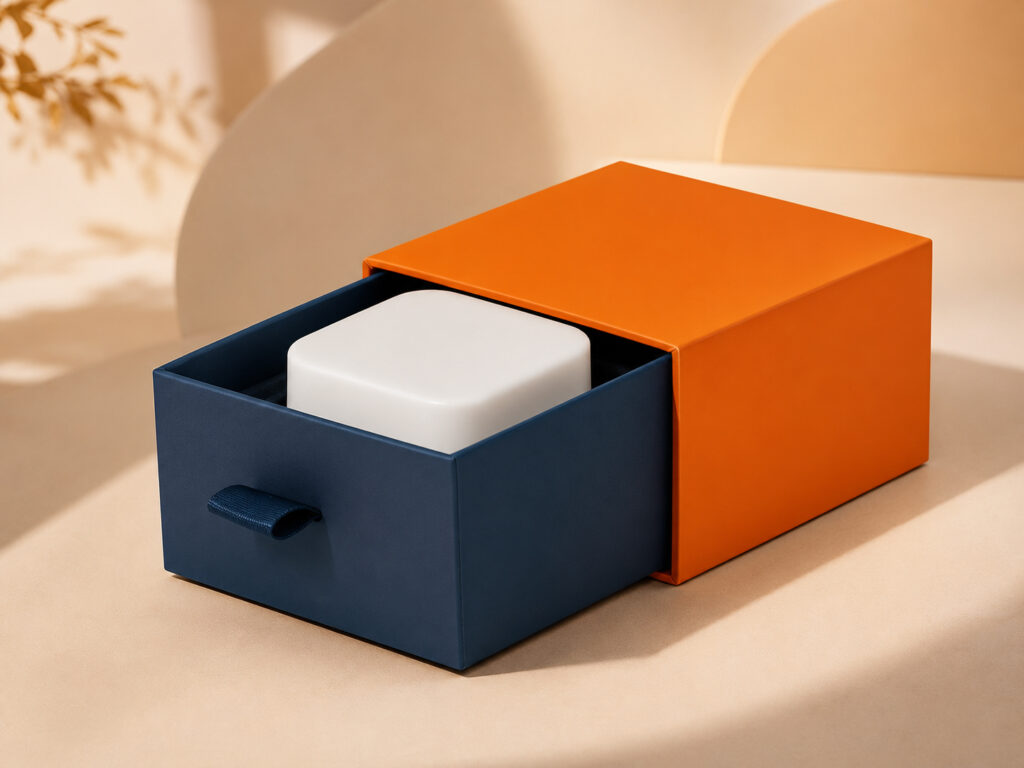
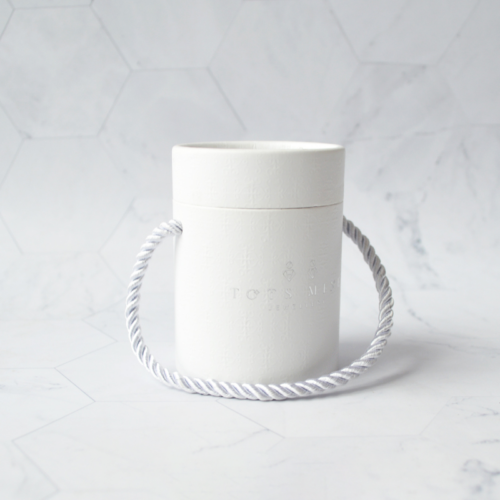
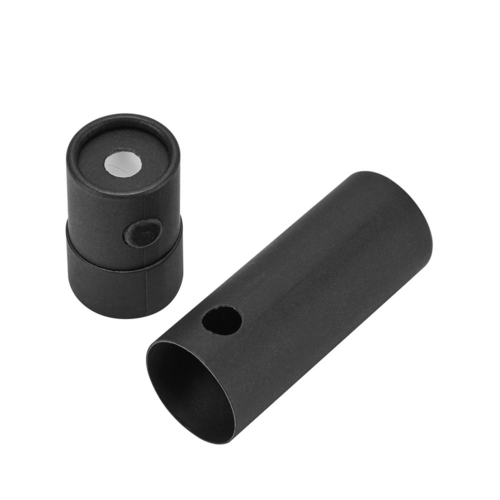
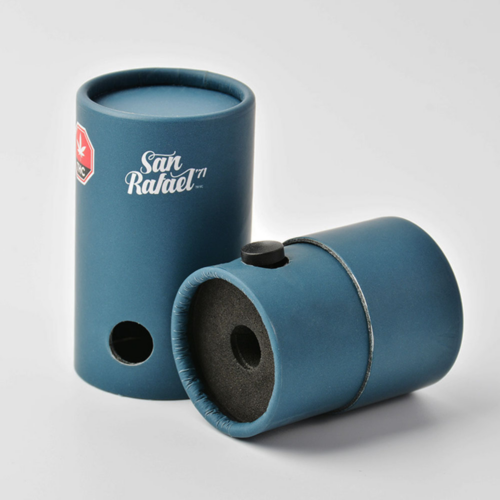
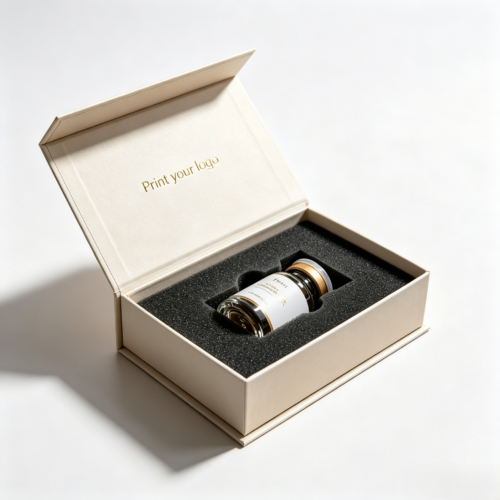
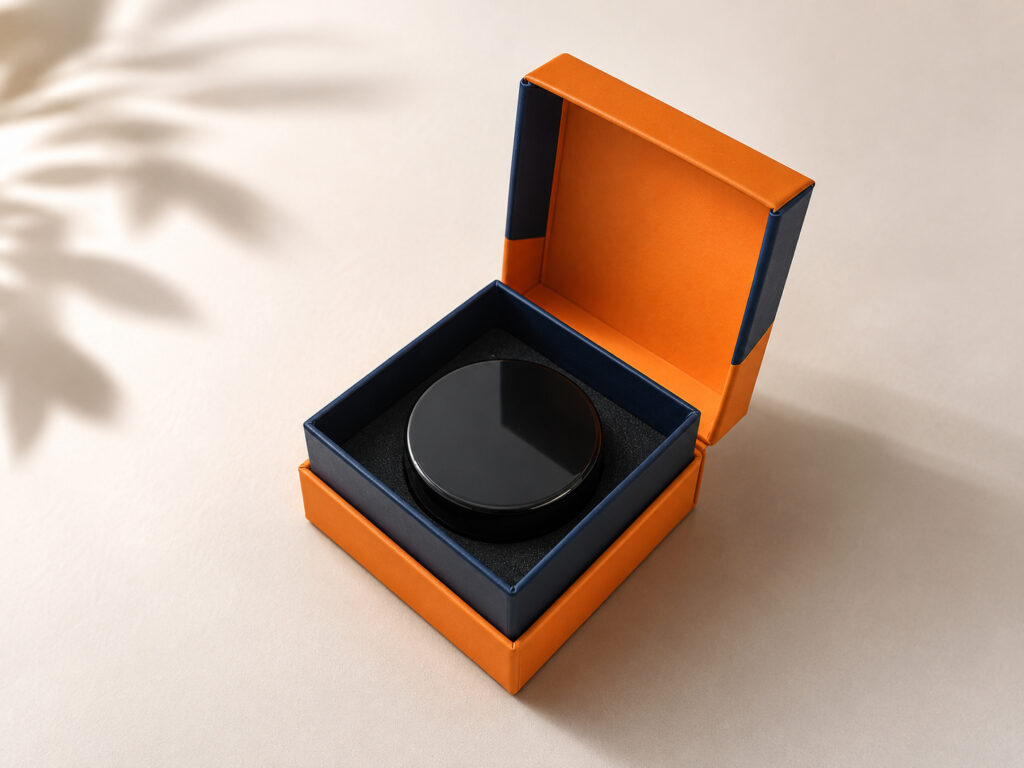
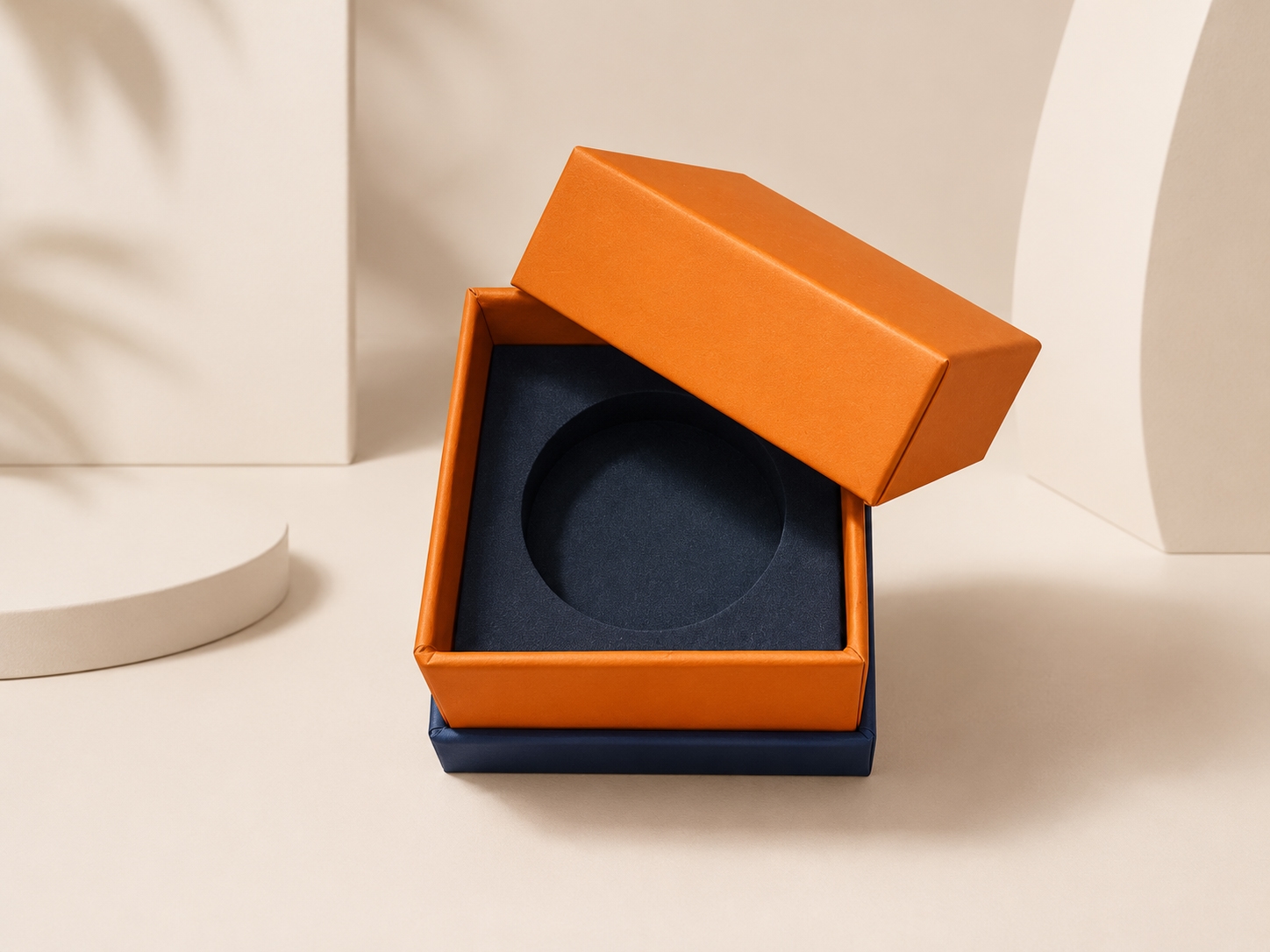
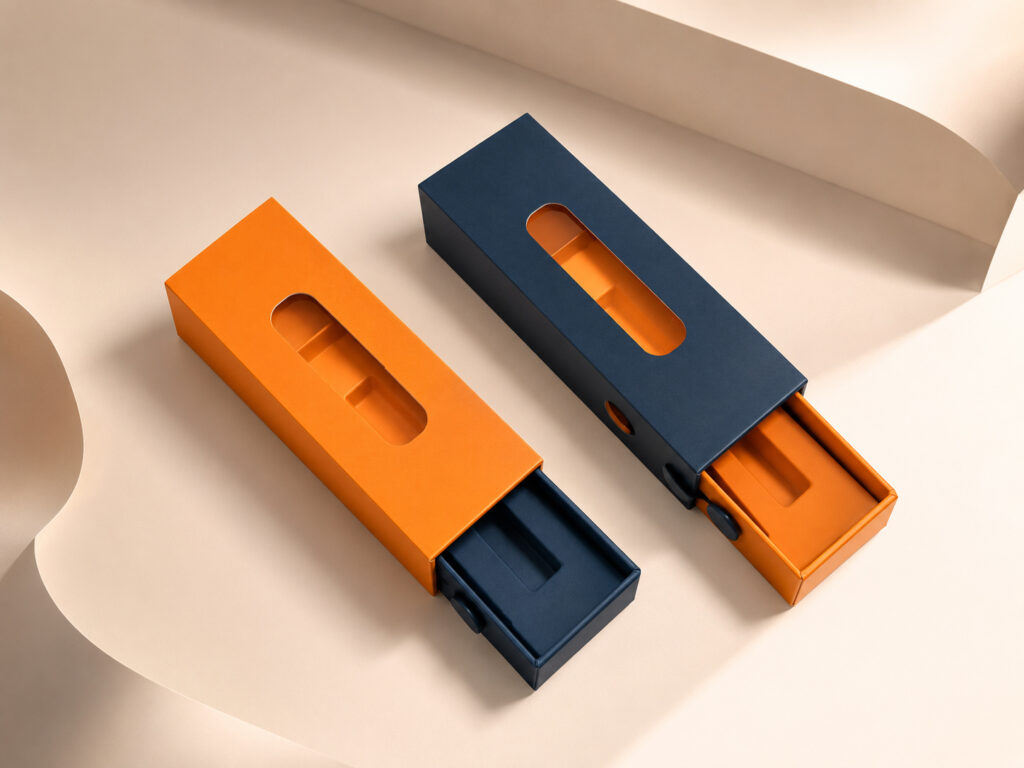
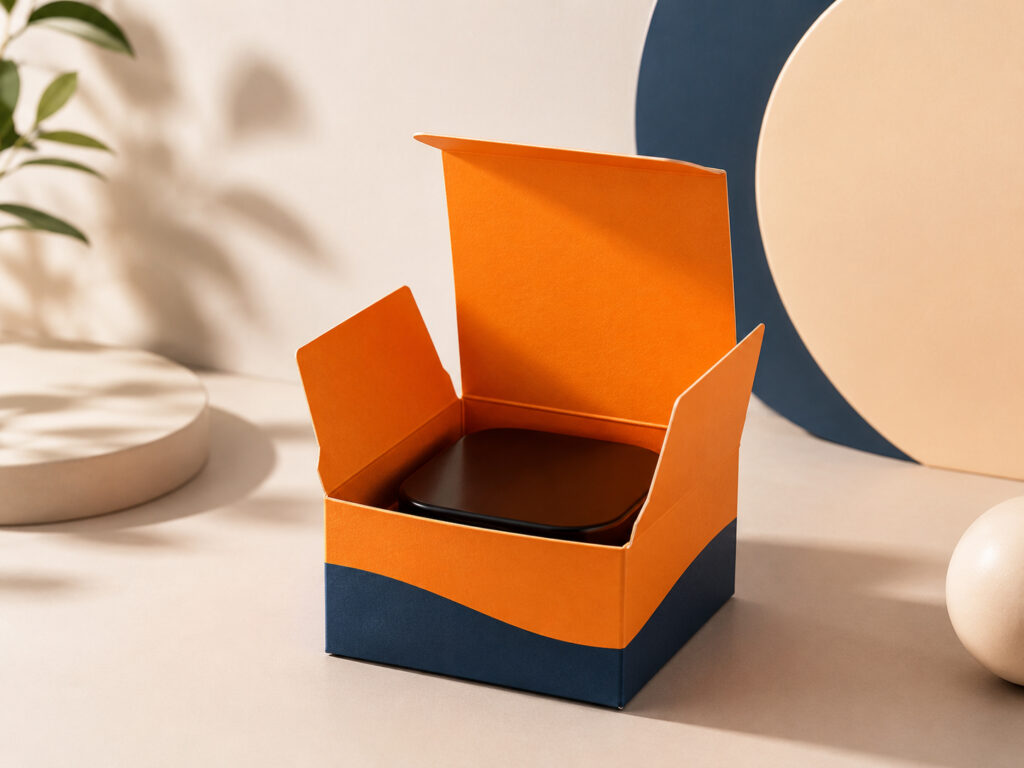
The board, insert, and opening style should stabilize the container during handling and presentation. Depending on the design, insert options may include folded paperboard, molded fiber, foam, or thermoformed components. Each option has different fit, appearance, tooling, and disposal considerations.
Secondary packaging can help protect your products from scuffing, disorganization, and unnecessary movement. It should not be presented as preserving potency or replacing the barrier performance of the primary glass jar.
A child-resistant or tamper-evident claim requires supporting design and test evidence. CPSC guidance defines child-resistant packaging as special packaging that is significantly difficult for children under five to open while remaining usable by adults. Cannabis packaging rules vary by market, so buyers should confirm applicable requirements and documentation before production.
Printed Concentrate Boxes for Brand Recognition
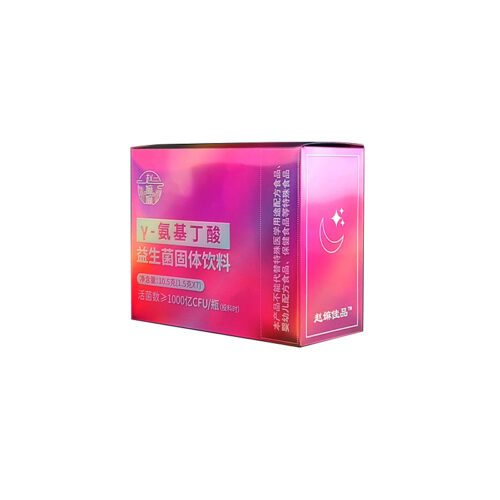
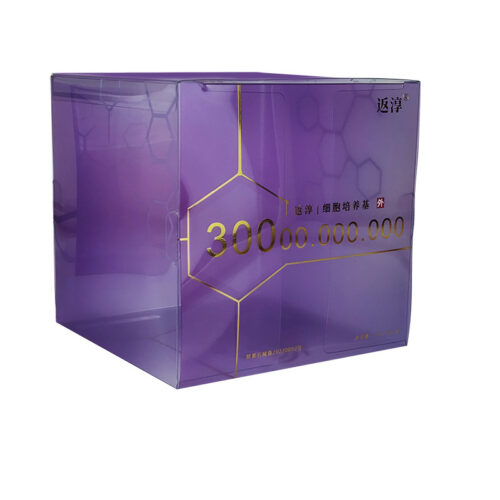
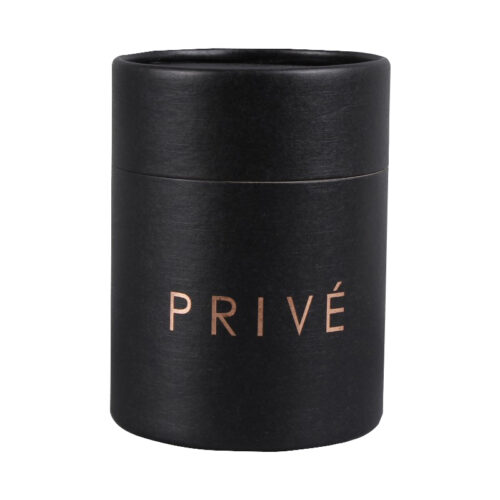
Printed artwork should make concentrate products easier to identify, organize, and merchandise. Brand colors can separate varieties, interior printing can shape the opening experience, and a custom label panel can reserve space for batch or market-specific information.
Customization may include logo placement, custom designs, foil stamping, embossing, debossing, spot gloss, soft-touch lamination, interior graphics, and QR codes. Each choice should serve a practical purpose, such as shelf recognition, consistent brand packaging, clearer product differentiation, or a more retail-ready presentation.
Material availability, order quantity, print process, artwork, finishing compatibility, assembly, and budget limit realistic production options. A custom branded package should promote your brand without creating avoidable packing or production problems.