Custom Shape Rigid Boxes: Unique Packaging Designed Around Your Product

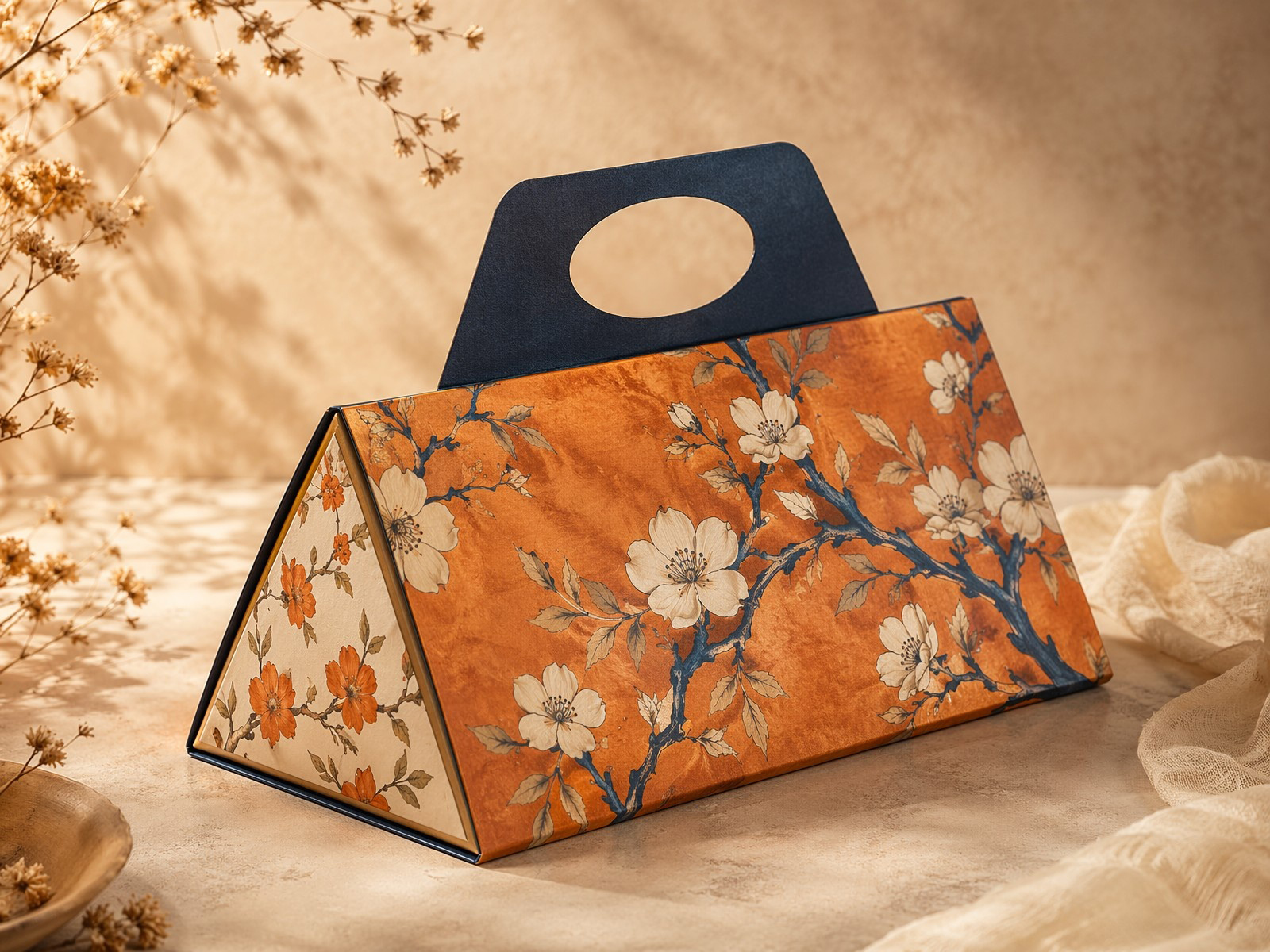
When every product on the shelf looks the same, the box becomes the first argument. Custom unique shaped rigid boxes solve a problem that standard packaging never can: they make the unboxing moment feel intentional, considered, and brand-native before the customer even sees what’s inside. This page covers everything procurement managers and brand owners need to know — from structural fundamentals to finish options — to source shape rigid boxes that perform at retail, gifting, and e-commerce touchpoints.

Odd Shaped Rigid Boxes

Rigid Box vs. Regular Packaging Boxes: What's the Structural Difference

A rigid box is built on a chipboard core — typically 1,500 to 3,000 gsm greyboard — that holds its shape permanently. Unlike folding cartons or corrugated boxes, it doesn’t collapse under pressure and doesn’t require assembly at the point of use. The structural stiffness comes from the board itself, not from locking tabs or glue flaps.

That distinction matters in practice. Rigid packaging absorbs impact without deforming, which means the product inside arrives exactly as it left the factory. For fragile goods — electronics, jewelry boxes, skincare sets — that’s not a premium feature. It’s a baseline requirement.

The outer wrap is typically a coated or uncoated paper laminated over the board, which is where branding, texture, and color live. Soft-touch lamination, linen texture, or kraft paper wraps all dramatically change how the box reads in hand — even before the lid opens.

Custom Shape Rigid Box Designs: Browse Our Full Product Range

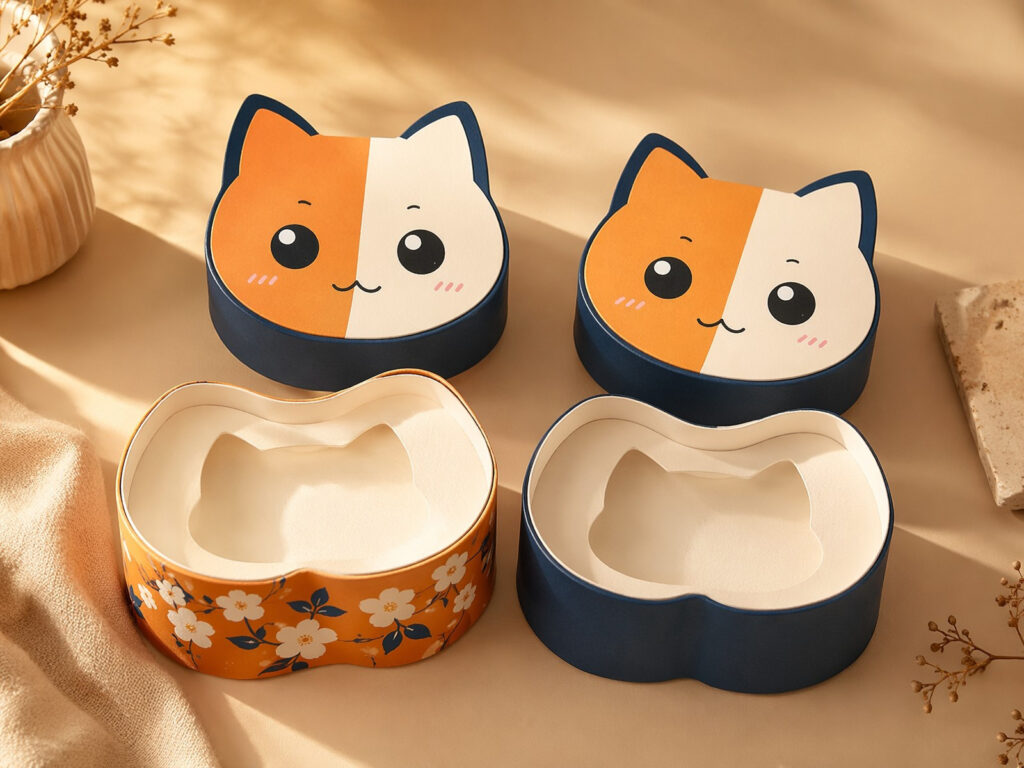
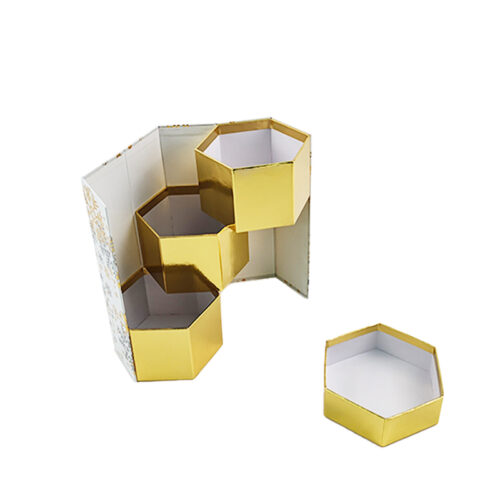
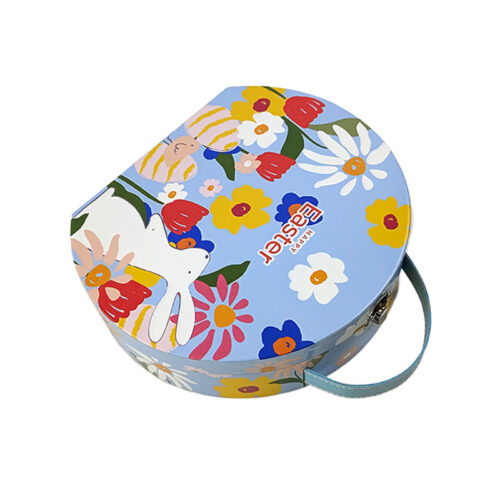
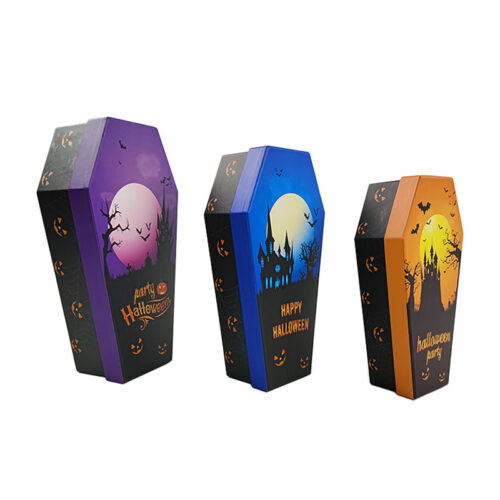
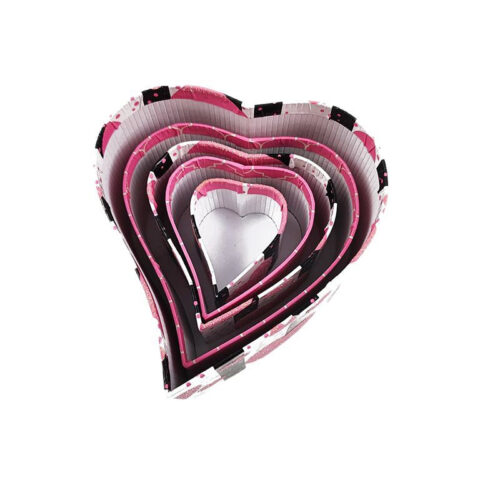
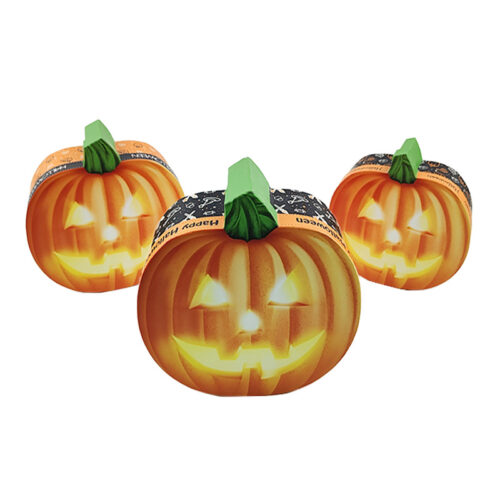
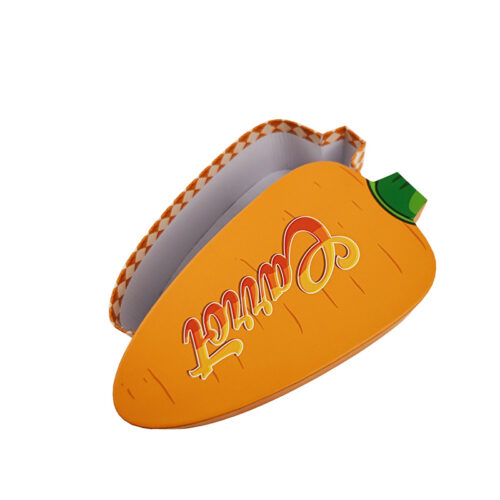
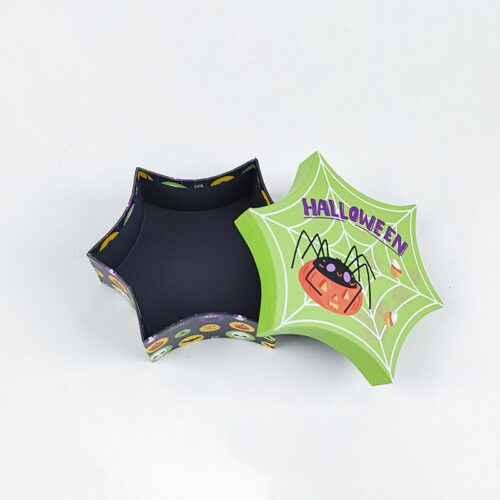
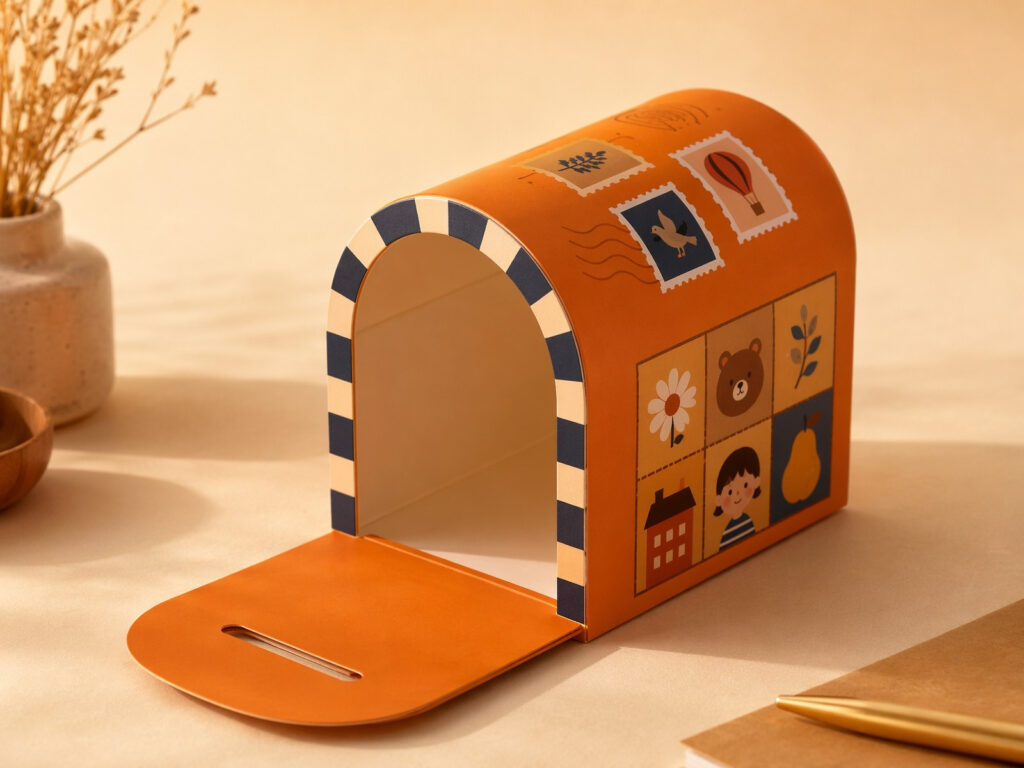
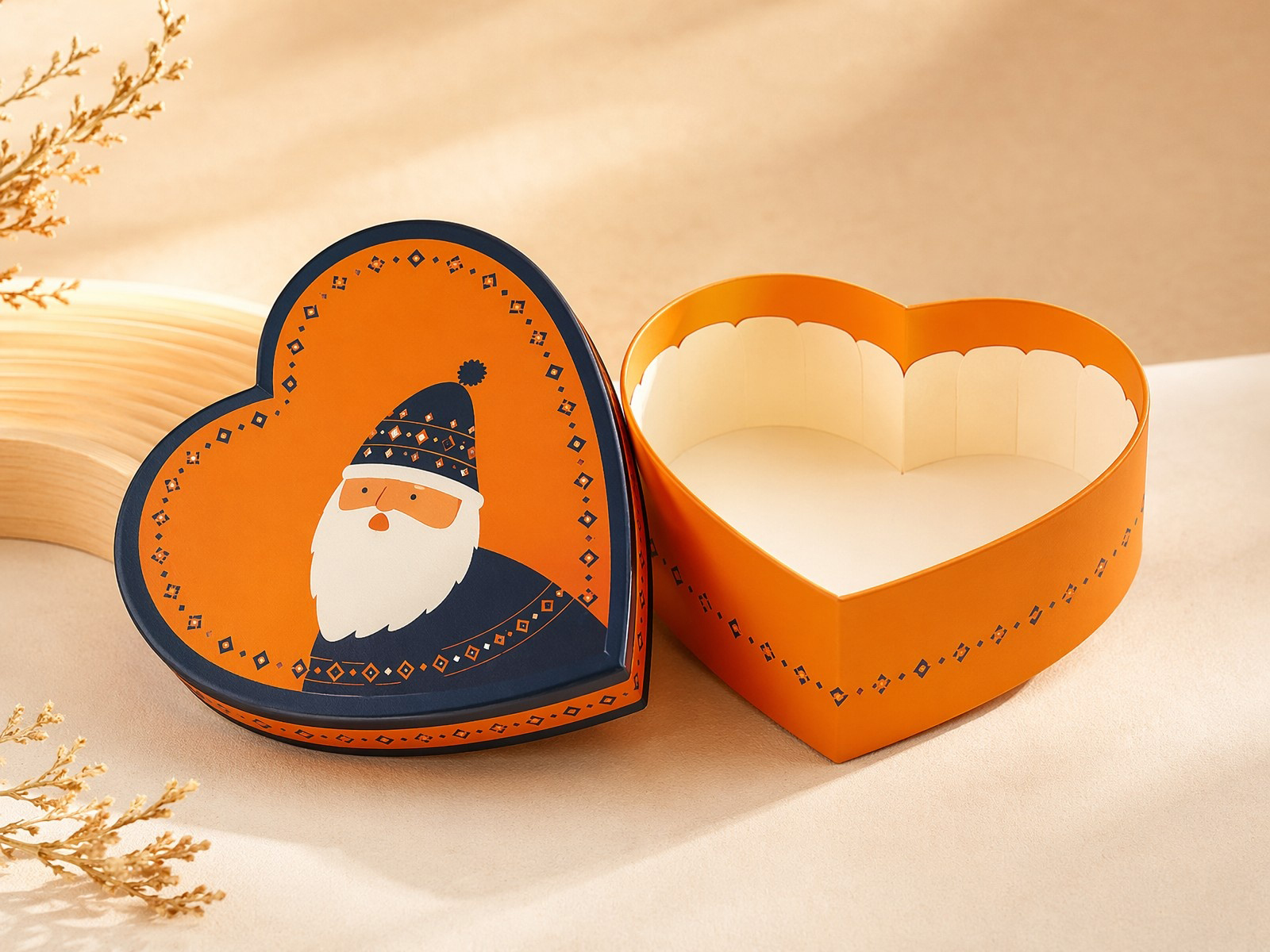
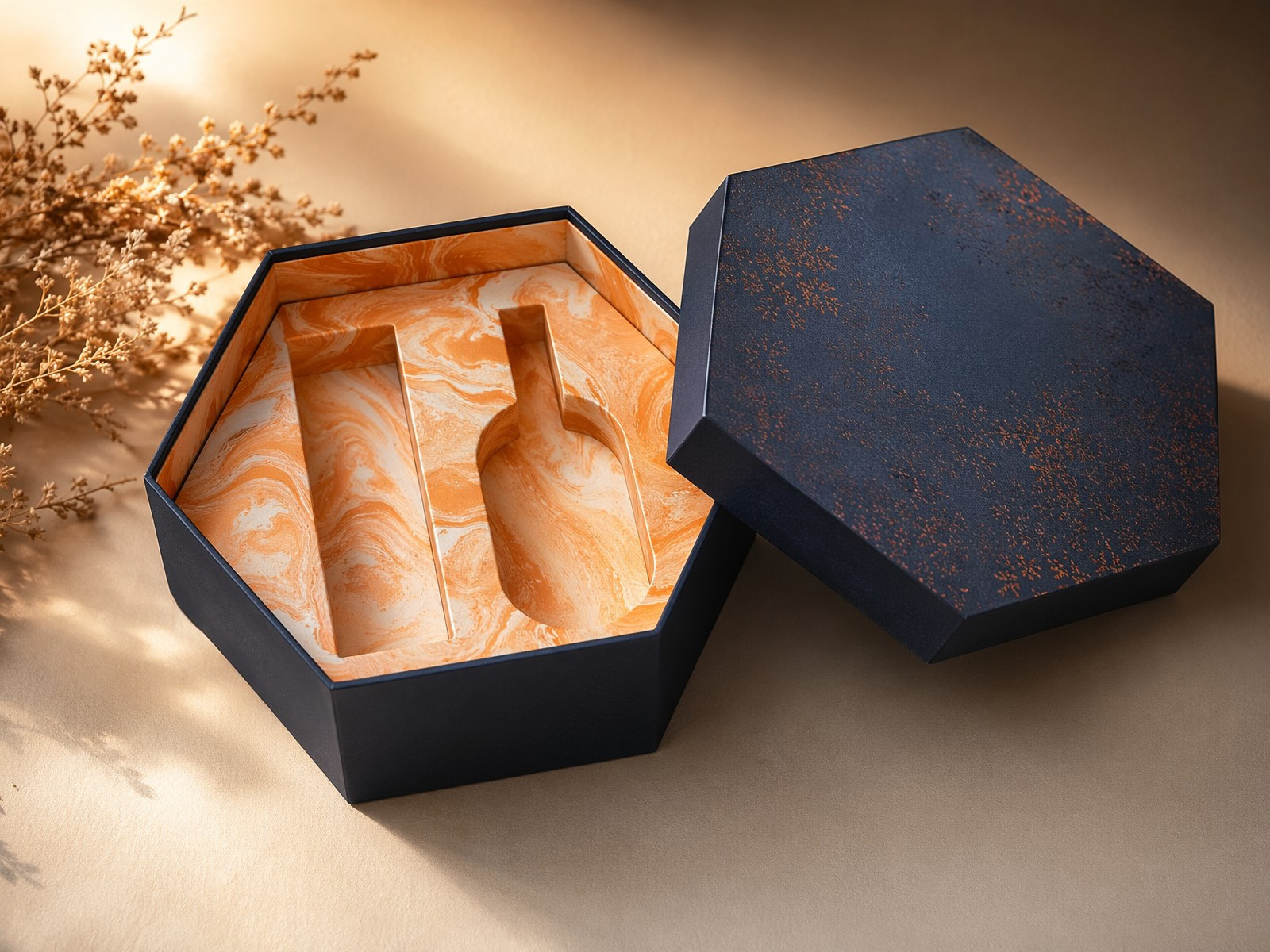
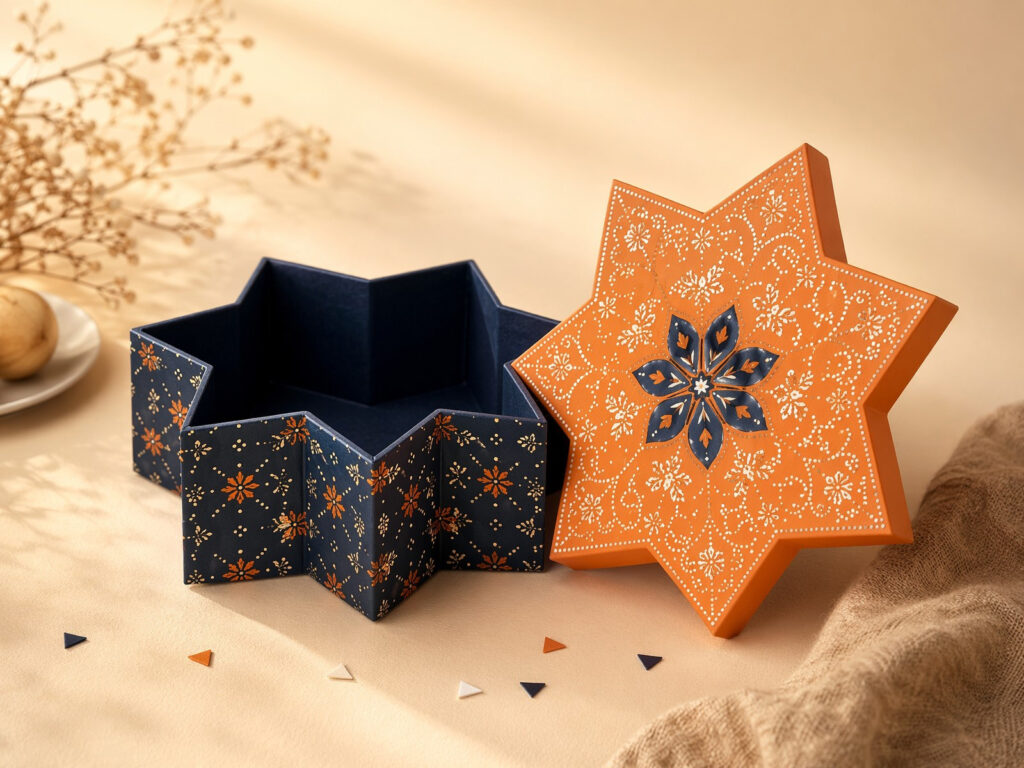
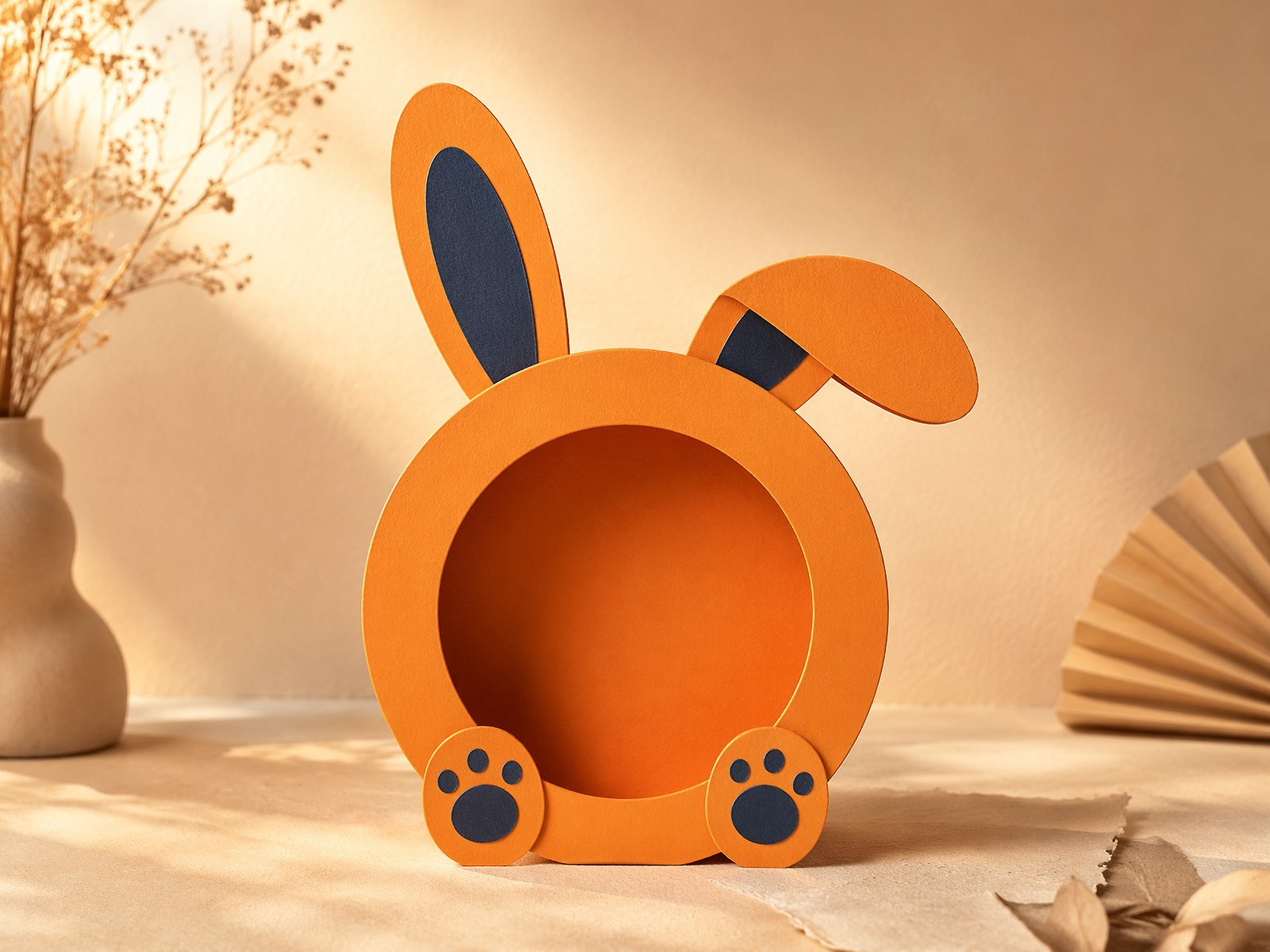
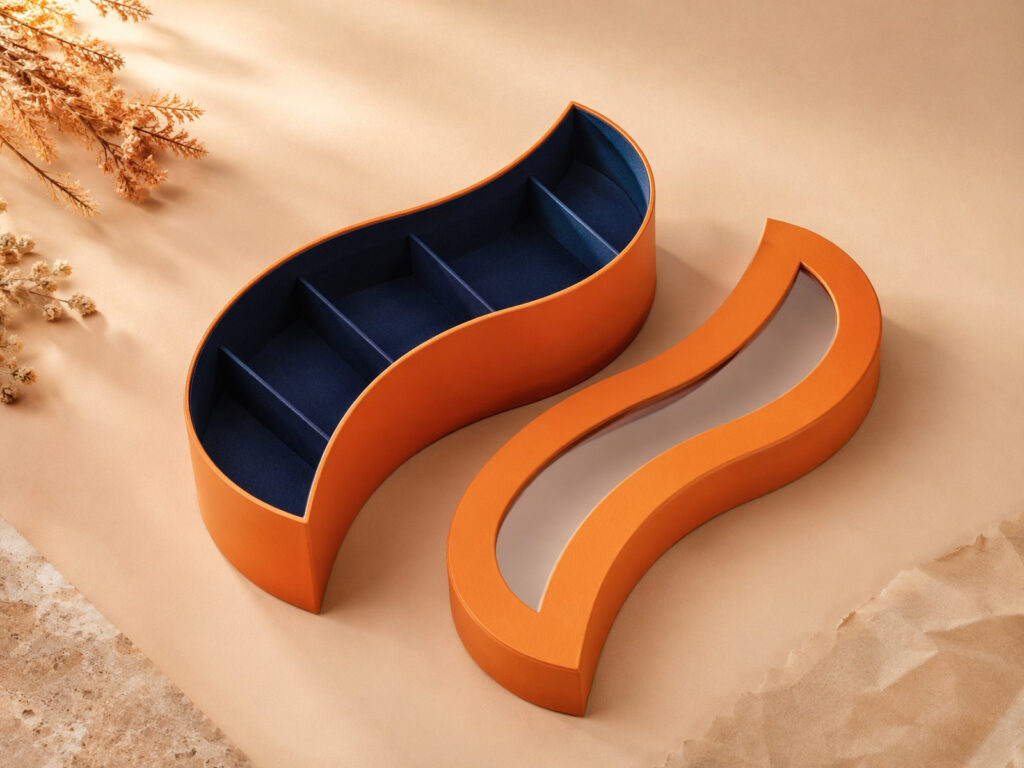
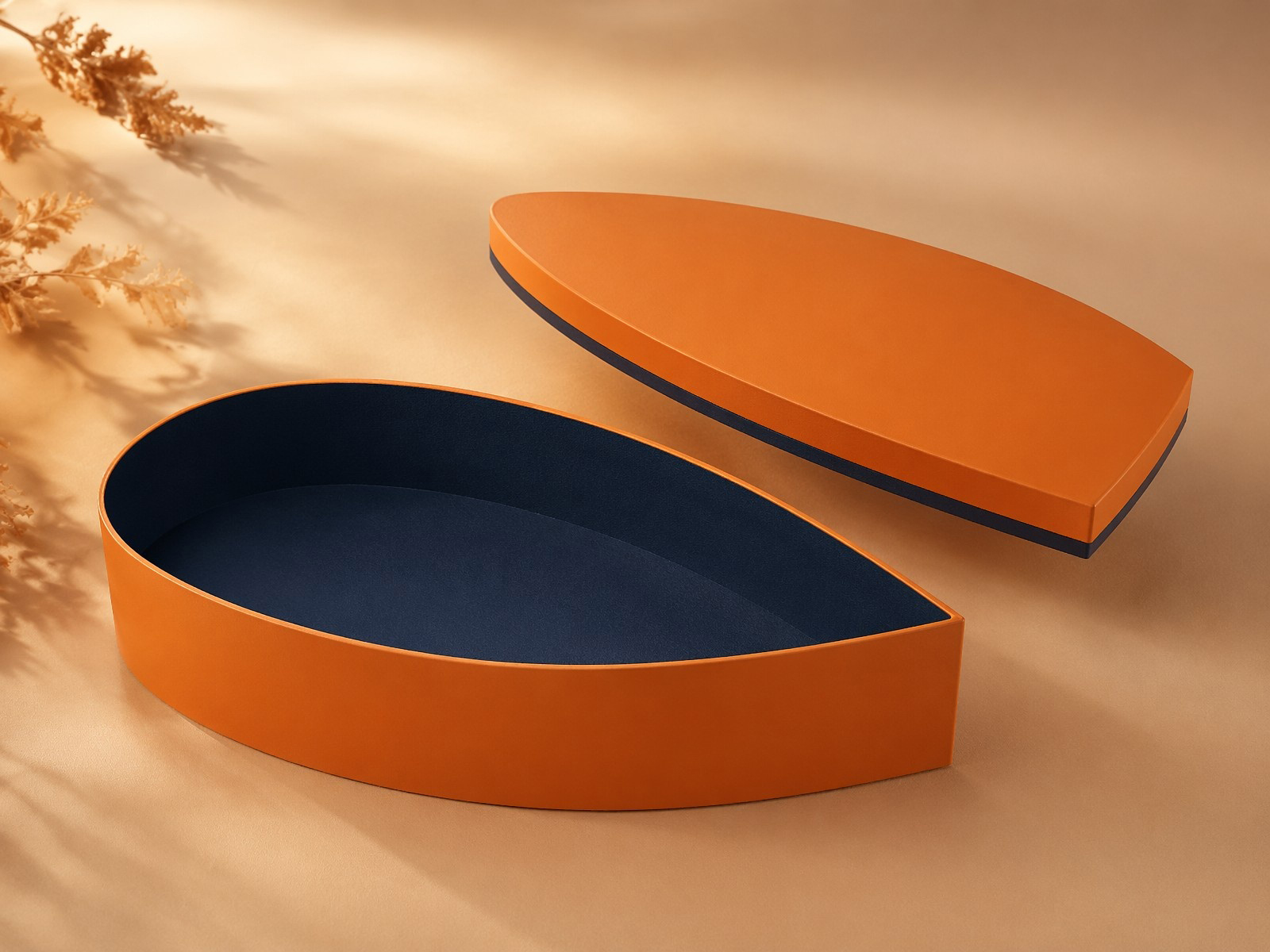
Shape rigid boxes are not one-size-fits-all. Our range spans geometric forms, sculptural structures, book-style openings, magnetic closure configurations, and fully bespoke silhouettes — each engineered from the board up, not adapted from a rectangular template. Whether you need a hexagonal gift box, a custom-shaped lid and base for a skincare set, or a collapsible rigid format for high-volume imports, every design below is available with full custom shape packaging options including print, finish, and interior lining.

Types of Rigid Boxes: Which Structure Fits Your Product

Understanding the types of rigid boxes helps you match structure to use case — rather than retrofitting the wrong form after sampling.

Lid and base (also called set-up boxes) are the most common. The lid sits over a tray base with a controlled overlap — typically 20–40mm — creating a clean separation reveal. Telescopic boxes extend this concept by allowing the lid to slide fully over the base, which works well for cylindrical or elongated product shapes.

Magnetic closure styles replace the friction-fit lid with embedded neodymium magnets, usually 5–8mm diameter, positioned beneath the wrap. The result is a one-touch open that feels engineered rather than incidental. Magnetic closure rigid boxes are particularly popular for gift boxes, subscription packaging, and electronics.

Collapsible rigid boxes are a structural innovation worth calling out separately. They fold flat for shipping but spring back to full rigidity when opened — reducing freight volume by up to 70% compared to pre-assembled units. For brands importing boxes wholesale across long supply chains, this matters financially.

Book-style boxes open like a book — hinged on one side with a magnetic or ribbon pull closure on the other. They’re especially effective when the inside of the box is part of the product story, since both panels are fully visible on open.

Why a Unique Shape Rigid Box Outperforms Standard Custom Packaging

Standard rigid boxes work. Custom-shaped rigid boxes work harder.

When a brand selects a unique shape — hexagonal, oval, triangular, multi-compartment — the packaging itself becomes a visual differentiator. Hexagonal boxes, for instance, stack in honeycomb arrays on retail shelves, which is a merchandising advantage that rectangular packaging simply can’t replicate.

There’s also a durability argument. A well-engineered custom shape rigid box distributes compression stress across its geometry, not just the four corners. Hexagonal structures are particularly efficient at this — which is why they appear in both luxury packaging and industrial load-bearing design.

For brands selling high-end goods — fragrance, jewelry, premium spirits — the box has to carry a luxurious feel before the product is even unwrapped. A shaped gift box with a velvet interior tray, soft-touch exterior lamination, and hot foil stamping on the lid panel communicates value in the first three seconds. That impression is almost impossible to achieve with a standard rectangular carton.

Rigid Box Packaging Materials: Board, Wrap, and Interior Options Explained

The board substrate is the skeleton. Most custom rigid boxes use 1,800–2,500 gsm greyboard for standard sizes; thicker board (up to 3,000 gsm) is used for large-format or heavy-load applications. Kraft paper wraps — natural, recycled, or FSC-certified — offer an earthy aesthetic that aligns with sustainability brand narratives. Coated art paper wraps deliver sharper print reproduction for photographic or gradient-heavy packaging designs.

Interior materials are where product presentation becomes tactile. EVA foam inserts, thermoformed plastic trays, paper pulp molding, and velvet fabric lining each serve different product categories. Foam is standard for electronics; velvet for jewelry boxes; paper pulp for natural or organic brand positioning.

The finishing layer is where box designs gain their character: matte or gloss lamination, soft-touch coating, aqueous coating, UV spot, embossing, debossing, and foil stamping are all standard on custom-shaped rigid boxes at production scale. These aren’t decorative extras — each finish affects how the box reads under retail lighting and how it photographs for e-commerce thumbnails.

Odd Shaped Rigid Boxes

How to Create Custom Packaging in a Non-Standard Shape: Our Process

Most factories default to rectangular forms because dielines are simple. Shape rigid boxes require a different engineering approach — starting from the structural geometry, not the graphic.

We begin with a free structure design consultation. The client provides either a reference shape, a sketch, or a product sample. Our structural engineers reverse-engineer the geometry into a chipboard net that can be wrapped without wrinkling or bunching at the corners. This is the technically difficult part. Sharp internal corners, acute angles, and curves all require custom scoring, partial cuts, and sometimes multi-piece board construction.

Once the structure is approved, we build a physical sample — typically within 3–5 working days — before committing to production tooling. The sample stage is not optional for unique shape projects. It’s where fit, proportion, and closure mechanism are validated against the actual product.

Turnaround time for production runs varies by complexity: standard shapes run in 10–14 days; highly complex geometric or sculptural structures typically need 18–25 days. We recommend building sample approval time into your sourcing timeline.

Custom Rigid Boxes Wholesale: MOQ, Pricing, and Small-Batch Options

The short answer: yes, small brands can order — with some structural caveats.

Custom unique shaped rigid boxes involve tooling and manual assembly that standard rectangular packaging doesn’t require. That means the per-unit cost is higher at low quantities — but it doesn’t mean the minimum order quantity has to be prohibitive. We work with MOQs starting at 100 units for most custom shape boxes, with higher minimums (typically 300–500 units) for shapes requiring bespoke cutting dies.

For brands testing a new shape before scaling, rigid boxes wholesale pricing becomes accessible at 500+ units, where amortized tooling costs drop significantly. We also offer collapsible rigid boxes in custom shapes specifically for small-batch importers, since the flat-pack format reduces the freight cost that otherwise makes low-volume rigid box orders less economical.

Custom printed rigid boxes at wholesale quantities include a full print setup — CMYK plus up to two specialty finishes — with no additional plate fees above a certain quantity threshold. Ask about consolidated production runs if you’re sourcing multiple SKUs simultaneously.

Does Custom Shape Packaging Actually Increase Perceived Product Value

Packaging doesn’t just protect — it prices. Research in retail consumer behavior consistently shows that buyers use packaging cues to infer product quality, and that premium box packaging increases perceived product value independently of the product itself.

For B2B buyers reselling or white-labeling products, this has a direct commercial implication. A product in a custom-shaped rigid box with magnetic closure and foil stamping commands higher shelf placement and higher suggested retail pricing than the identical product in a folding carton. The box is part of the margin.

Luxury boxes for cosmetics, spirits, or watches are perhaps the clearest example — the rigid box is sometimes kept and reused by the end consumer long after the product is consumed. That ongoing brand impression is a form of post-purchase marketing that cardboard boxes simply cannot deliver.

Finish Options for Custom-Shaped Rigid Boxes: From Matte to Foil Stamping

Here’s a practical breakdown of what’s available and when each makes sense:

  • Matte lamination — the most refined option for minimalist or high-end visual identities; resists fingerprints better than gloss
  • Soft-touch coating — rubberized feel, high perceived quality, especially effective on dark or black wraps
  • Gloss lamination — vivid color saturation, ideal for photographic prints or bold brand palettes
  • Hot foil stamping — metallic or holographic foil applied via heat die; gold and silver are most common, but custom Pantone foils are available
  • Blind embossing / debossing — logo or texture pressed into the wrap without ink or foil; creates a tactile brand mark visible only under raking light
  • UV spot — gloss varnish applied to selected areas over a matte base, creating a contrast that draws the eye to specific graphic elements

These finishes stack. A common high-end combination: soft-touch matte lamination base, debossed logo, gold foil stamping on the brand name. That’s three finishing passes — and it’s standard practice for luxury packaging in cosmetics, jewelry, and spirits.

Odd Shaped Rigid Boxes

Get a Free Quote on Your Custom Shape Rigid Box

You’ve done the research. Now let’s build the box.

Tell us your product dimensions, target shape, estimated order quantity, and any finish preferences — and we’ll come back with a structural recommendation, material options, and a ballpark quote within 24 hours. No commitment required at this stage. For non-standard shapes, we can also arrange a free structure design consultation before any pricing is discussed.

Fill in the form below and a packaging specialist will follow up directly. If you already have a reference sample, a sketch, or a dieline file, attach it — it speeds up the process considerably.

CTA