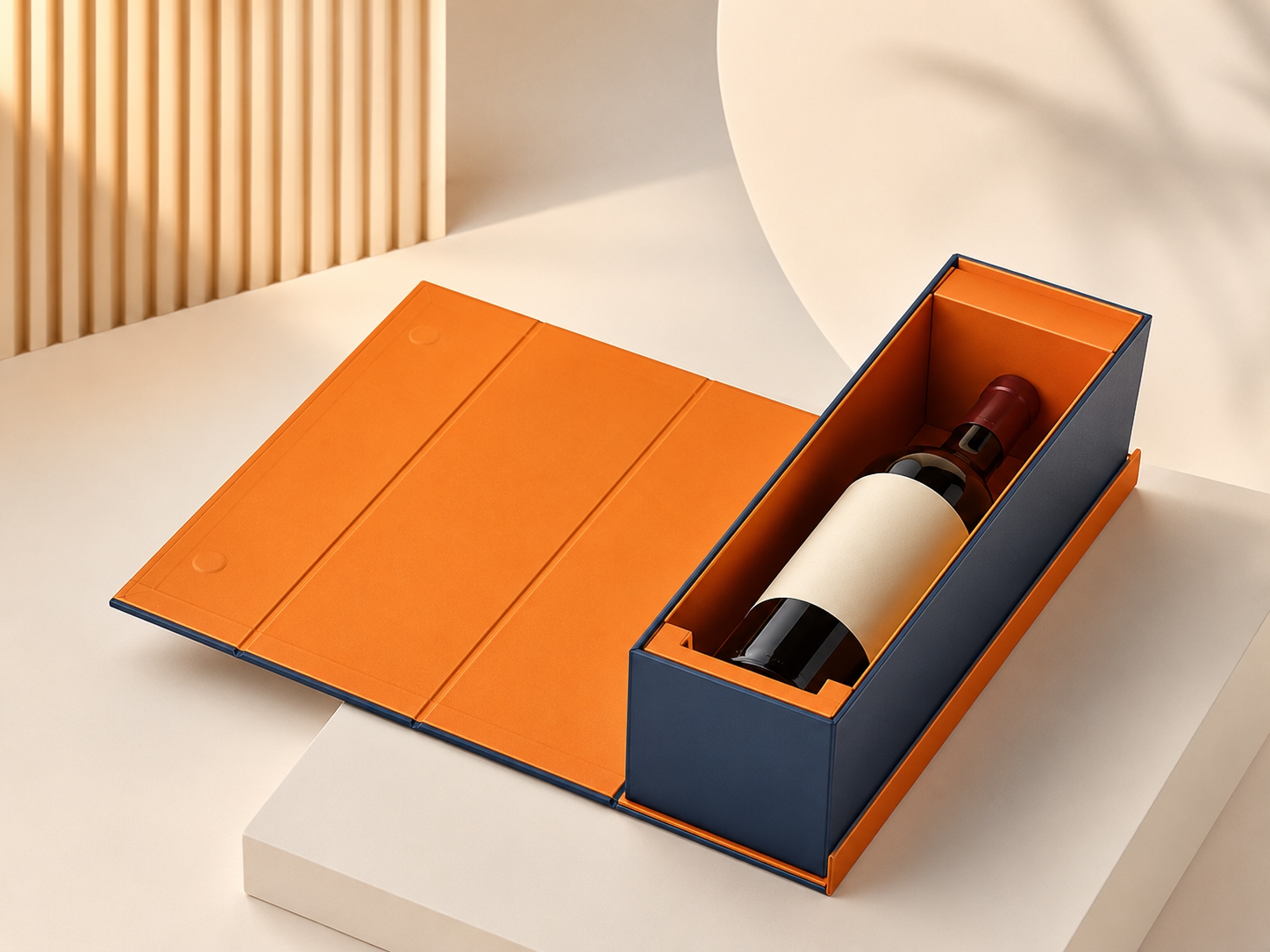
Custom Wine and Spirits Packaging for Bottles and Gift Sets

Present wine, liquor, and premium spirits with packaging developed around the actual bottle, sales channel, and brand direction. Available packaging solutions include rigid wine boxes, folding cartons, drawer boxes, corrugated shippers, presentation gift boxes, and fitted inserts for individual bottles or complete gift sets. Share your bottle dimensions, quantity, artwork status, and preferred finishes to receive a structural recommendation, sample plan, and quotation.

Custom Wine & Spirits Boxes

Custom Wine and Spirits Packaging Built Around Your Bottles

Suitable packaging needs to support the product’s weight, protect vulnerable areas, present the label clearly, and suit the way the bottle will be packed, displayed, gifted, or shipped. Retail wine packaging may prioritize efficient assembly and shelf presentation, while a premium gift set may require rigid board, a fitted insert, and a more controlled unboxing experience.

The structure should be selected after reviewing bottle shape, closure height, distribution method, visual goals, and budget. Starting with those practical details helps prevent excess space, poor fit, and unnecessary material.

Explore Custom Wine Box and Liquor Packaging Options

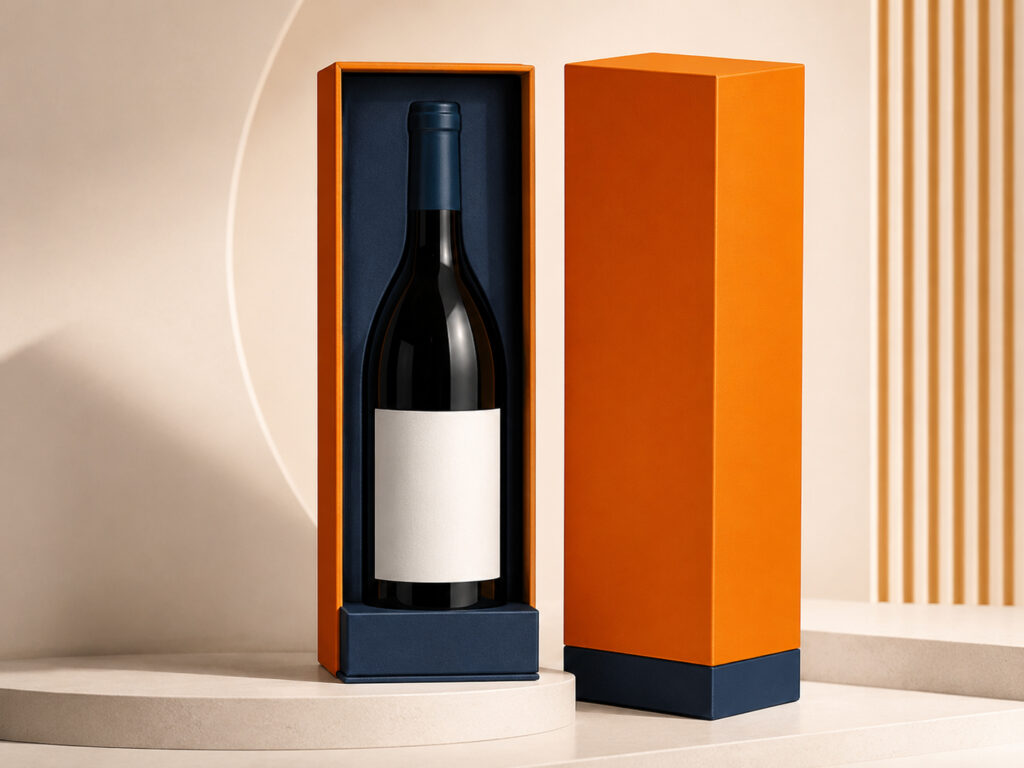
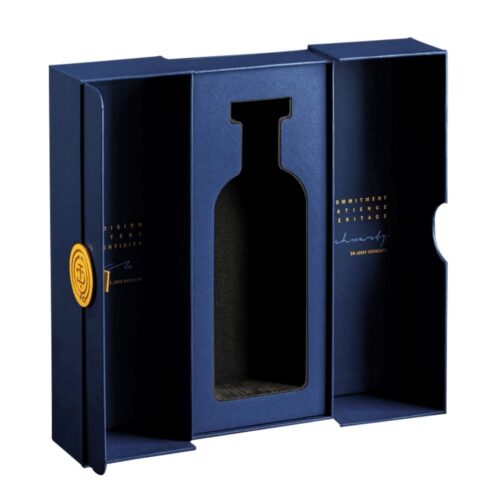
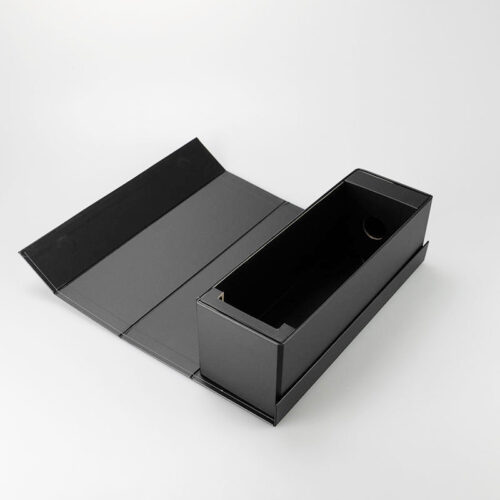
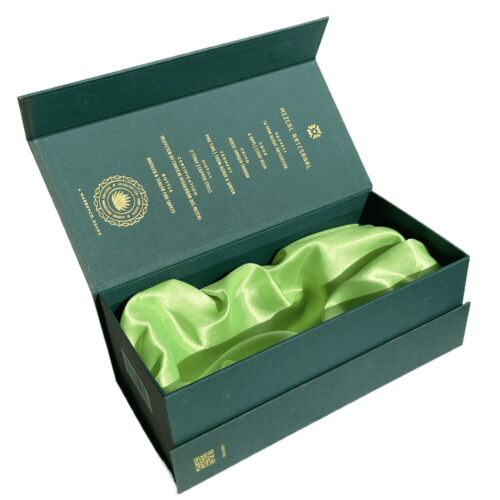
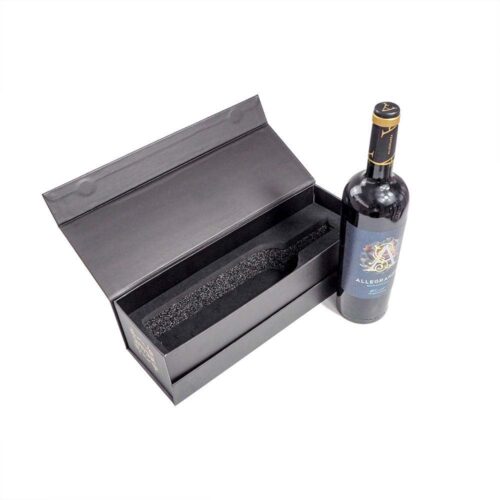
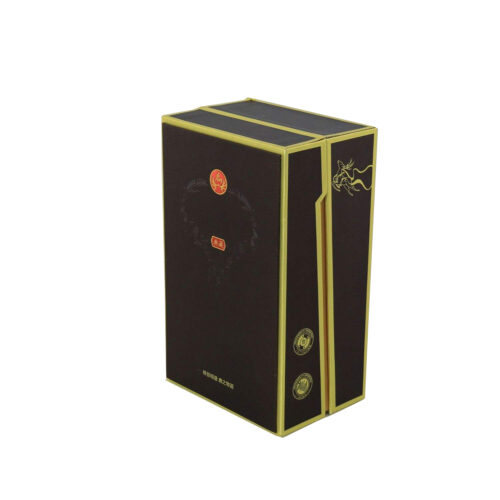
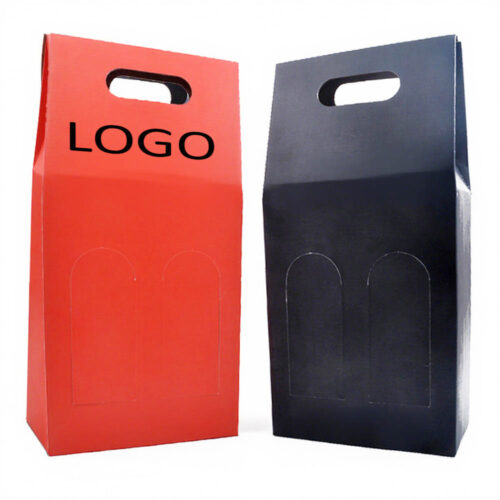
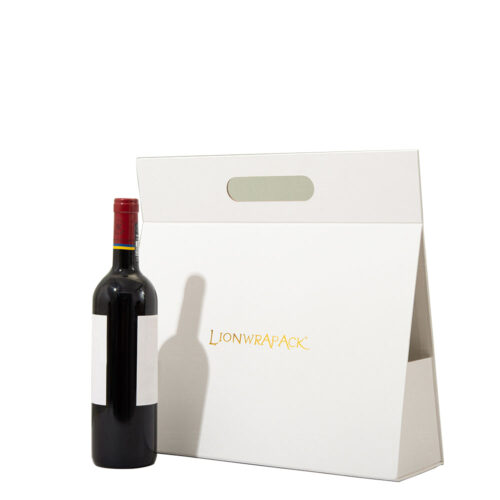
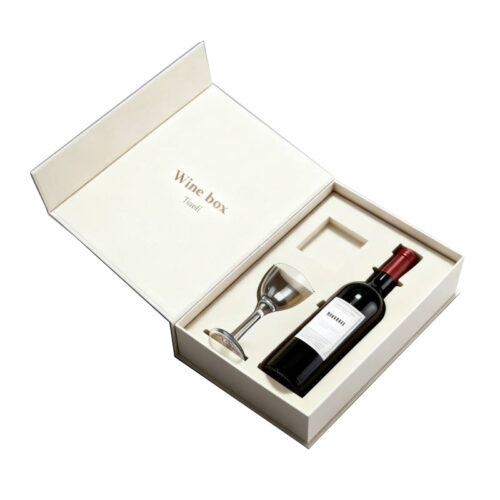
Review a curated range of custom wine box, gift box, liquor packaging, and spirits packaging formats for single bottles, paired products, promotional gifts, and retail presentation. Product cards and images can be added below to show available structures, materials, inserts, and finishes, helping buyers identify a suitable direction before requesting a sample or quotation.

Wine Box Structures for Retail, Gifts, and Shipping

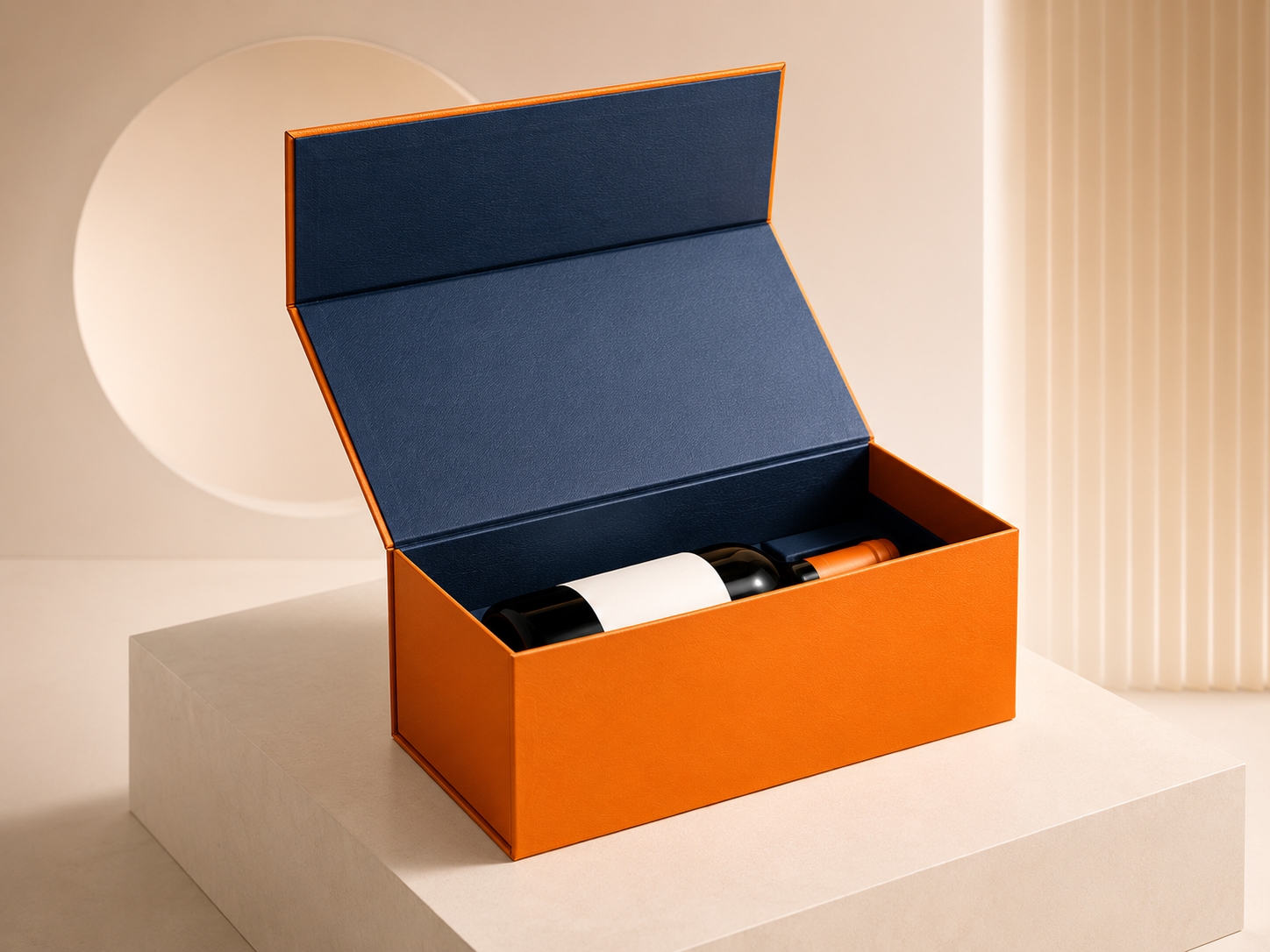
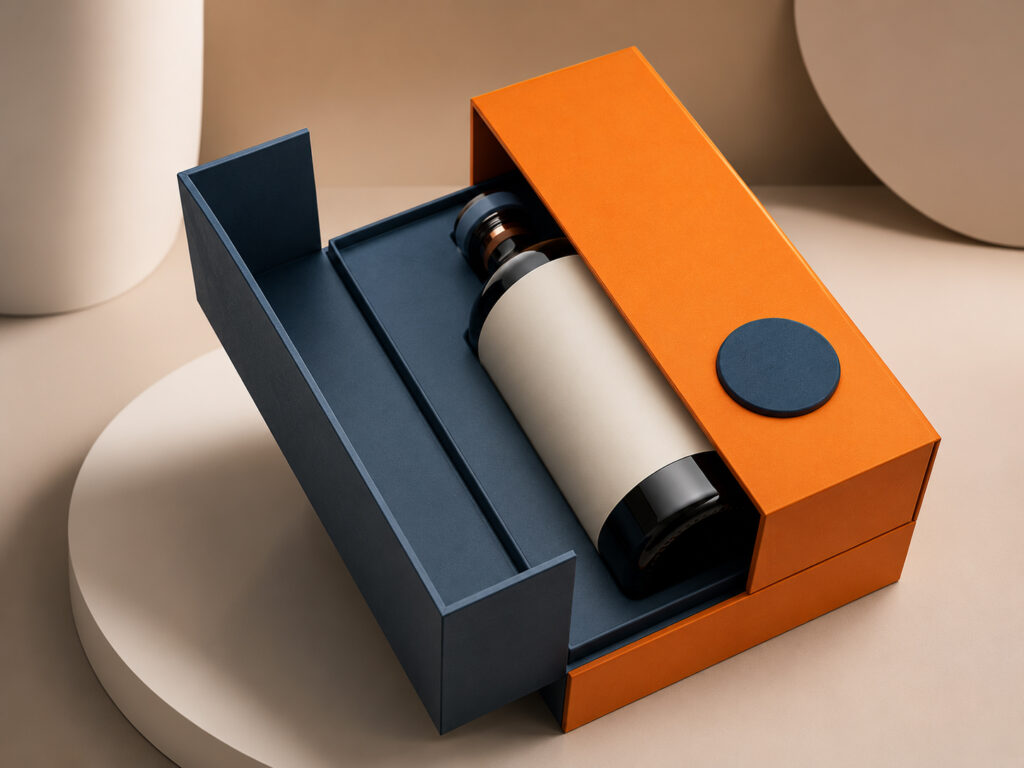
Rigid boxes provide a firm, high-end presentation and support wrapped paper, magnetic closures, ribbons, and detailed inserts. Drawer boxes create a controlled reveal, while two-piece boxes offer a familiar format for wine gift boxes and premium liquor. Folding cartons are lighter, arrive flat, and may suit retail programs where storage and assembly efficiency matter.

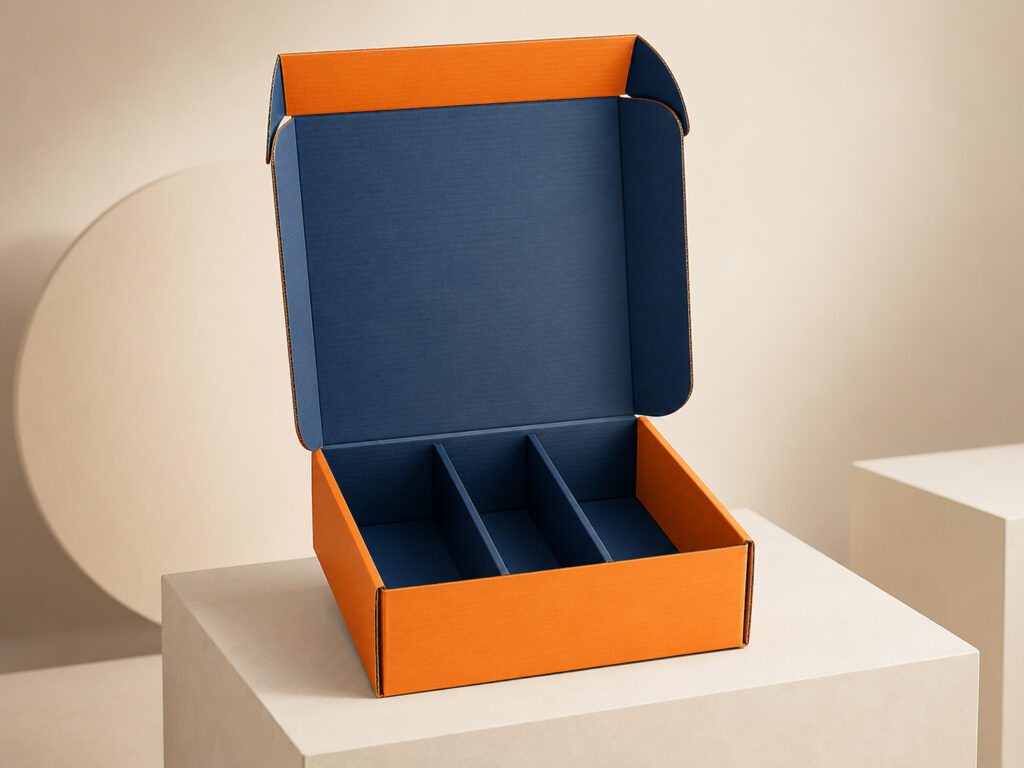
Corrugate and reinforced carton structures are better suited to shipping protection or subscription boxes. There is no single best structure. Bottle weight, sales channel, packing method, destination, and the intended wine display all affect the final recommendation.

Packaging Materials and Inserts for Bottle Protection

Box material influences strength, print appearance, texture, and cost. Rigid board supports a substantial presentation format, white board provides a clean base for detailed graphics, and kraft creates a more natural visual direction. FSC-certified paper may be specified when verified documentation is required, but environmental claims should match the exact material and production method.

The insert limits movement around the bottle body, neck, and base. Paperboard, molded pulp, foam, or formed inserts may be considered according to weight, fragility, presentation goals, and shipping conditions. For a gift set, the insert should also keep accessories aligned and easy to remove.

Custom Printing, Foil Stamping, and Box Finishes

CMYK printing suits detailed artwork, photography, and gradients. One color printing can create a restrained result when the logo and typography lead the design. Digitally printed samples may help review artwork placement, although the final appearance should be approved against the intended material and production method.

Lamination adds surface protection and changes the tactile finish. A glossy finish increases reflectivity, while matte or soft touch creates a quieter appearance. Foil stamping adds metallic detail, emboss creates raised texture, and spot UV highlights selected graphics. These customization options work best when used selectively rather than combined without a clear visual purpose.

Custom Wine & Spirits Boxes

Bottle Dimensions and Packaging Fit Requirements

A 750ml capacity does not define a bottle’s outside dimensions. Wine bottle sizes vary by diameter, shoulder profile, neck height, closure, and weight. Liquor bottles may be square, tapered, rounded, or sculpted, so packaging should be developed from verified measurements, a technical drawing, or a physical sample.

For an accurate quotation, provide bottle height, maximum width or diameter, weight, capacity, closure details, preferred structure, quantity, insert requirements, artwork file status, delivery destination, and target timeline. Include the dimensions of glasses, openers, booklets, or other gift set items.

Sampling, Artwork, Production, and Quality Control

A typical custom packaging project moves from specification review and structural recommendation to a dieline, structural sample, artwork review, printed sample, production approval, manufacturing, and inspection. The exact sequence depends on the structure, printing, inserts, and finishes.

Artwork should identify cut lines, folds, bleed, CMYK color areas, foil stamping, embossing, spot UV, and special coatings. Before production, confirm the approved dimensions, box material, insert fit, printing method, finish, packing method, sample policy, MOQ, and lead time.


How to Evaluate a Wine and Spirits Packaging Supplier

Evaluate a supplier by how clearly it translates bottle requirements into a workable specification. Relevant experience matters, but so do structural design support, material recommendations, sampling capability, print consistency, insert development, quality control, and communication.

Ask how fit is checked, how colors and finishes are approved, and how completed boxes are prepared for transport. It is also useful to confirm production capacity, change-control procedures, available certifications, and responsibility for artwork or structural revisions.

Wine and Spirits Packaging FAQs

Common options include rigid boxes, drawer boxes, two-piece boxes, folding cartons, and corrugated formats. The right structure depends on bottle weight, presentation, quantity, assembly, and distribution.

Yes. Custom wine packaging can be developed around measured height, width, diameter, neck, closure, and weight. A bottle sample or accurate drawing provides the best basis for development.

Yes, but 750ml describes capacity rather than exact dimensions. Submit the actual bottle measurements and weight so the internal space and insert can be designed correctly.

Paperboard, molded pulp, foam, and formed inserts can support bottles at key contact points. Selection depends on weight, fragility, presentation, material preference, and shipping conditions.

Yes. Buyers can personalize dimensions, colors, logos, artwork, inserts, and closures. Finishes may include CMYK, one color printing, foil stamping, embossing, spot UV, lamination, and soft-touch effects.

Vector files are preferred for logos, dielines, foil areas, and cut paths. Images should be high resolution, fonts outlined or supplied, and bleed matched to the approved dieline.

A structural sample checks size, fit, opening, and insert performance. A printed sample is useful when color, artwork placement, lamination, foil, embossing, or overall presentation must be reviewed.

MOQ depends on the structure, size, material, printing, finishing, and assembly. Confirm [Insert MOQ] after the complete packaging specification has been reviewed.

Timing depends on sampling, artwork approval, materials, printing, finishing, assembly, quantity, and inspection. Confirm [Insert typical lead time] for the approved design.

Options may include FSC-certified paper, kraft, recycled-content paper, or molded fiber inserts, subject to availability and documentation. Environmental claims should be based on the exact specification.

Provide bottle dimensions and weight, quantity, box style, inserts, materials, printing, finishes, artwork status, destination, and target date. Photos or a sample bottle may also help.

Request a Custom Wine Packaging Quote

Send your bottle specifications and packaging requirements for a tailored review. Include enough information to evaluate structure, fit, material, inserts, printing, finishing, packing, and delivery preparation. You may also request a structural sample, printed sample, or packaging recommendation before approving production.

CTA