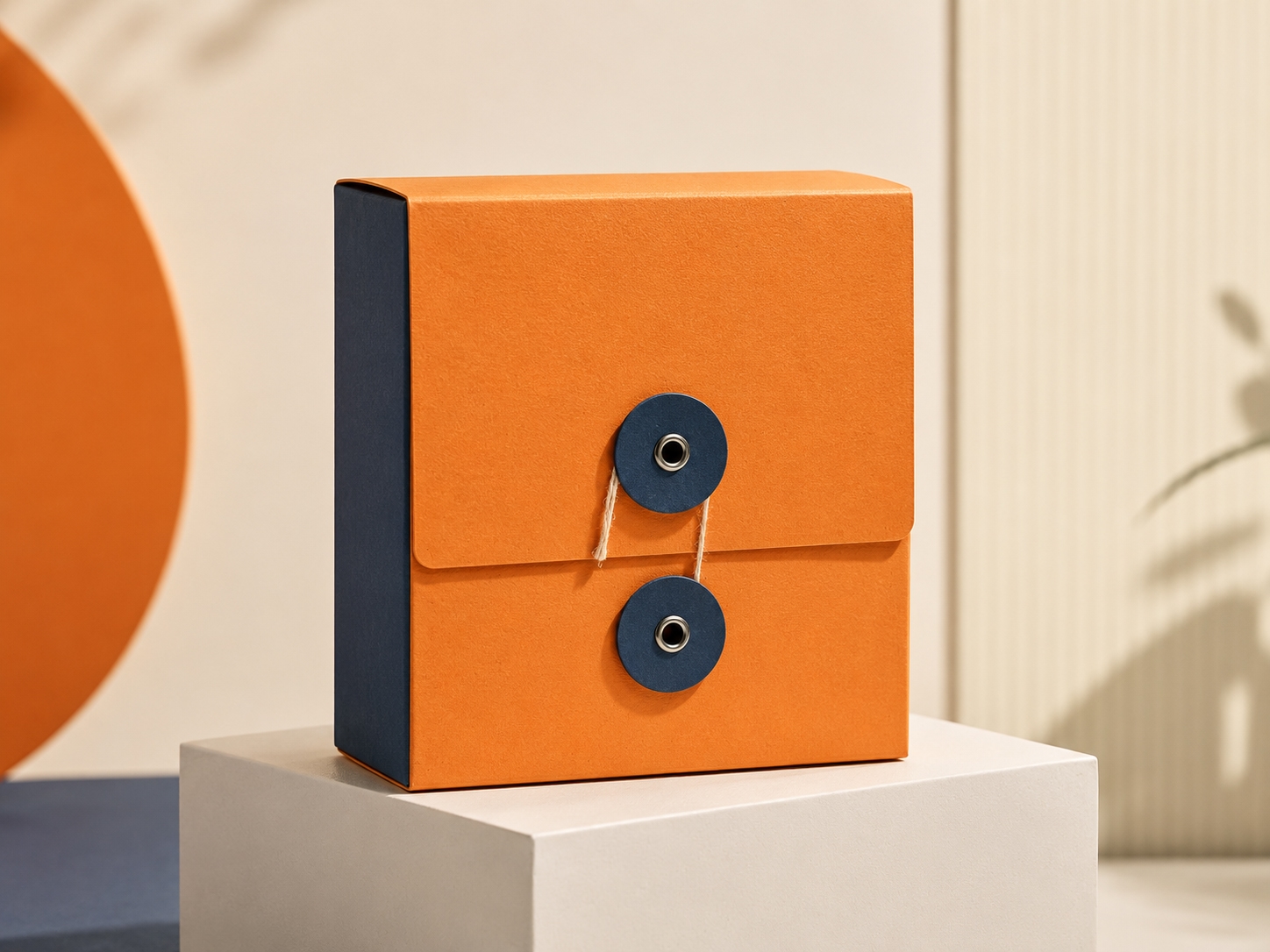
Custom Tea Boxes for Retail, Gifts, and Wholesale

Develop packaging around loose leaf products, sachets, herbal tea, jars, pouches, and tea tins. Choose the structure, board, print method, insert, and finishing details that match your packaging needs. Custom tea packaging can then be quoted from your dimensions, quantity, artwork, and destination.

Request a structural sample to check fit and assembly, or a printed sample to review color, graphics, and finishing before approving production.

Custom Tea Boxes

Packaging for Loose Leaf, Bags, Tins, and Gift Sets

Packaging for tea begins with the product inside it. A lightweight tea bag carton may need efficient assembly and shelf visibility, while a multi-flavor gift box requires stronger board, compartments, and a more deliberate opening sequence. The outer pack should protect the primary container and keep essential information easy to read.

Packaging solutions can be developed for individual retail packs, sampler collections, subscriptions, seasonal launches, and corporate gifts. The format should work during filling, storage, shipping, display, and customer use rather than serving as decoration alone.

Tea Box Styles and Product Examples

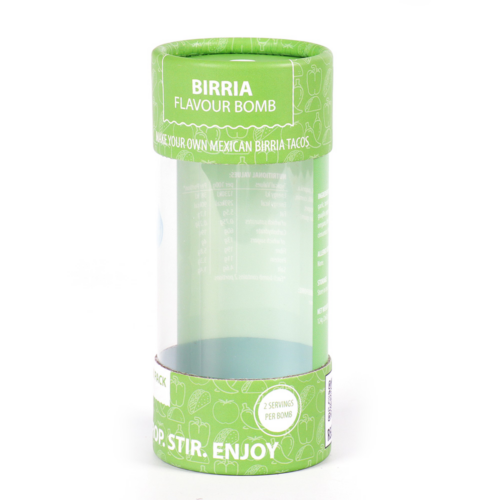
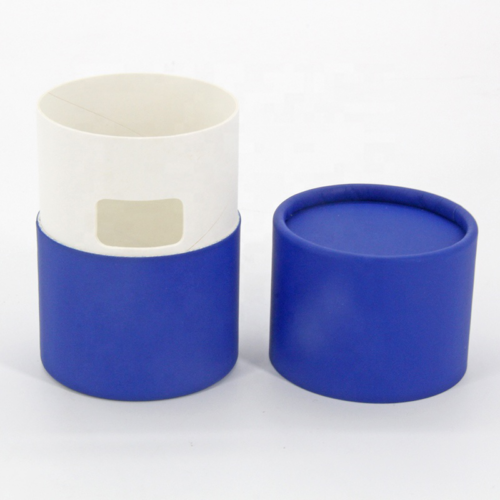
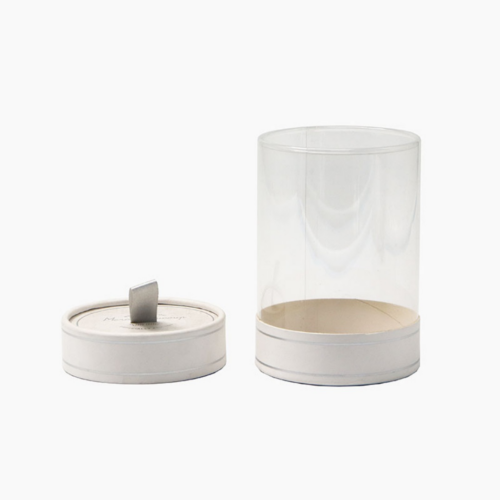
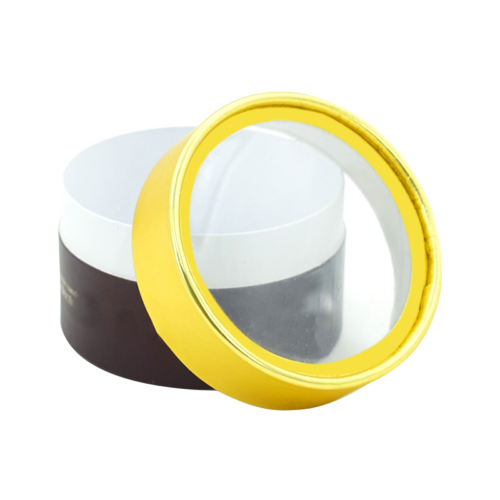
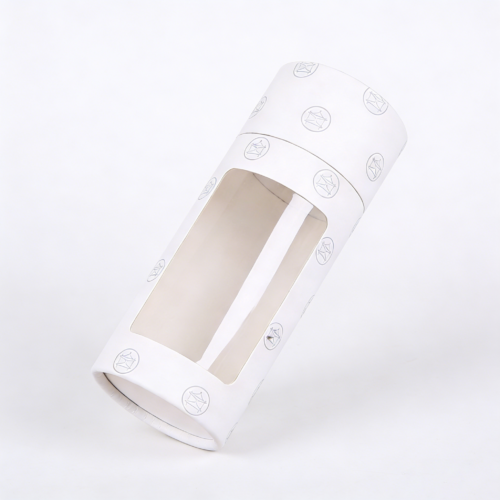
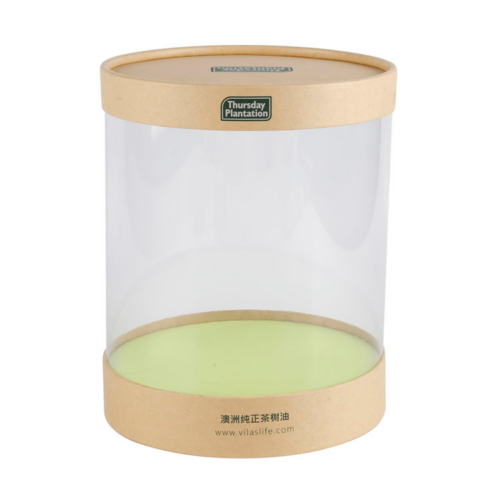
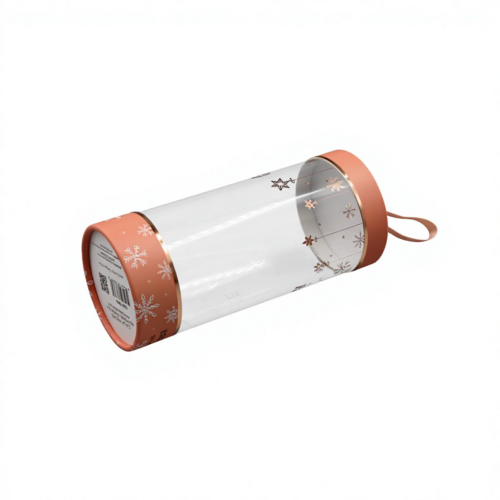
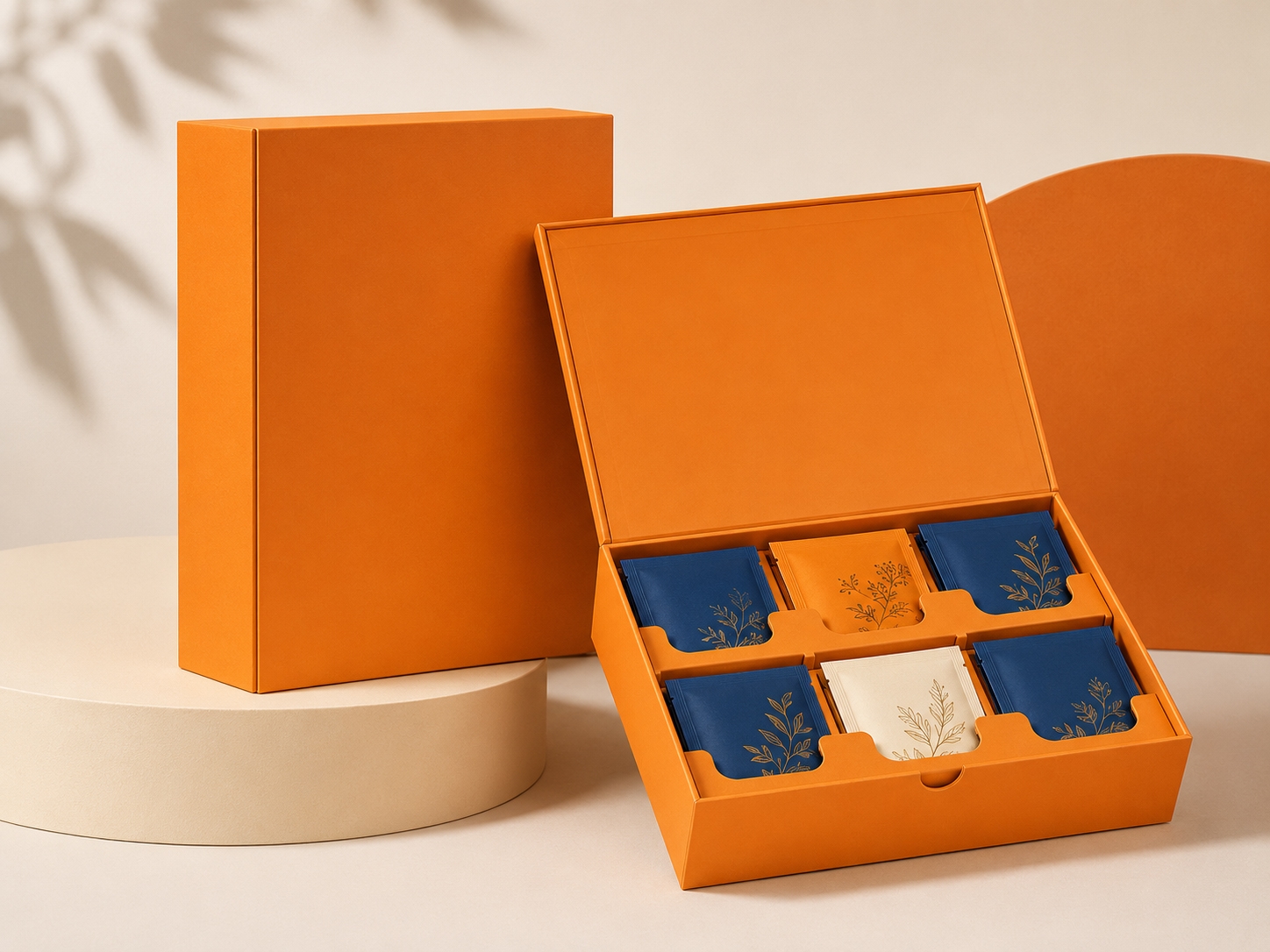
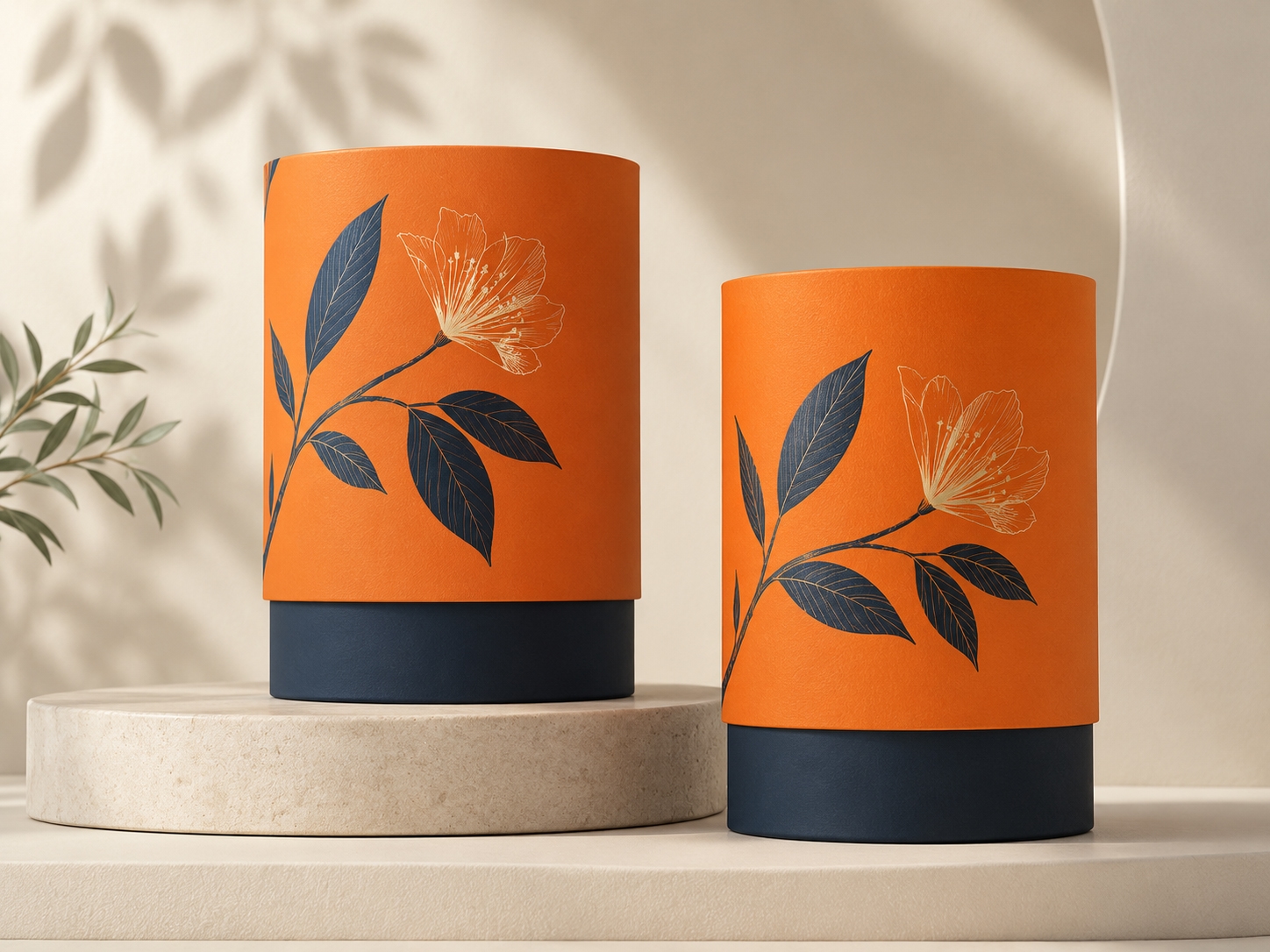
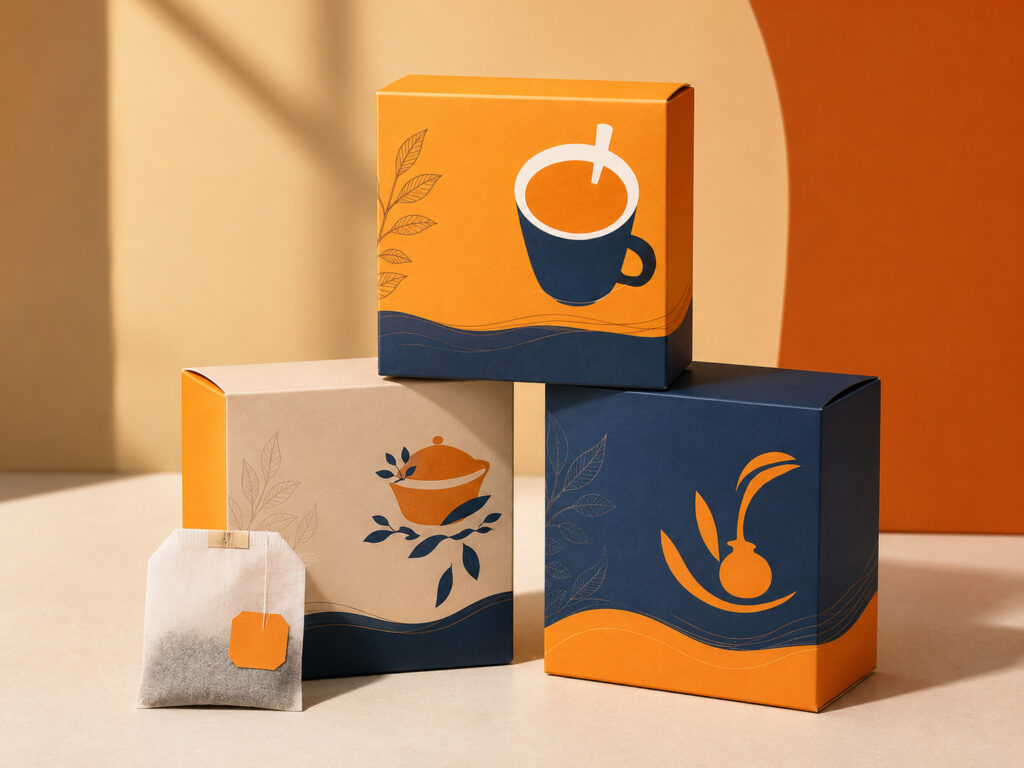
Explore selected packaging styles for pouches, sachets, jars, tins, loose leaf tea, and coordinated gift sets. The gallery below can showcase your tea through different openings, materials, inserts, and visual styles, helping buyers identify a suitable direction before confirming dimensions, specifications, or artwork.

Box Structures for Retail, Gifts, and Shipping

Folding cartons suit lightweight retail products and efficient packing. Rigid boxes provide more structure for premium packaging, while drawer formats create a controlled reveal. Display boxes can support counter presentation, and corrugated boxes are useful when additional transit protection is required.

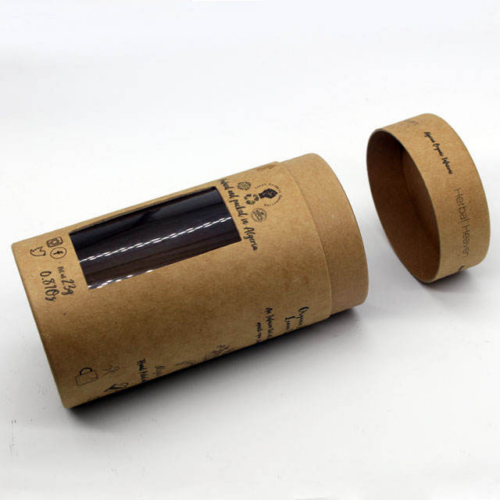
Other packaging options include sleeves, magnetic closures, kraft boxes, cardboard tea boxes, favor boxes, and two-piece lid-and-base formats. A tin box may serve as the primary container or sit inside a printed outer pack. The custom size should be based on external dimensions, loading clearance, and production tolerances.

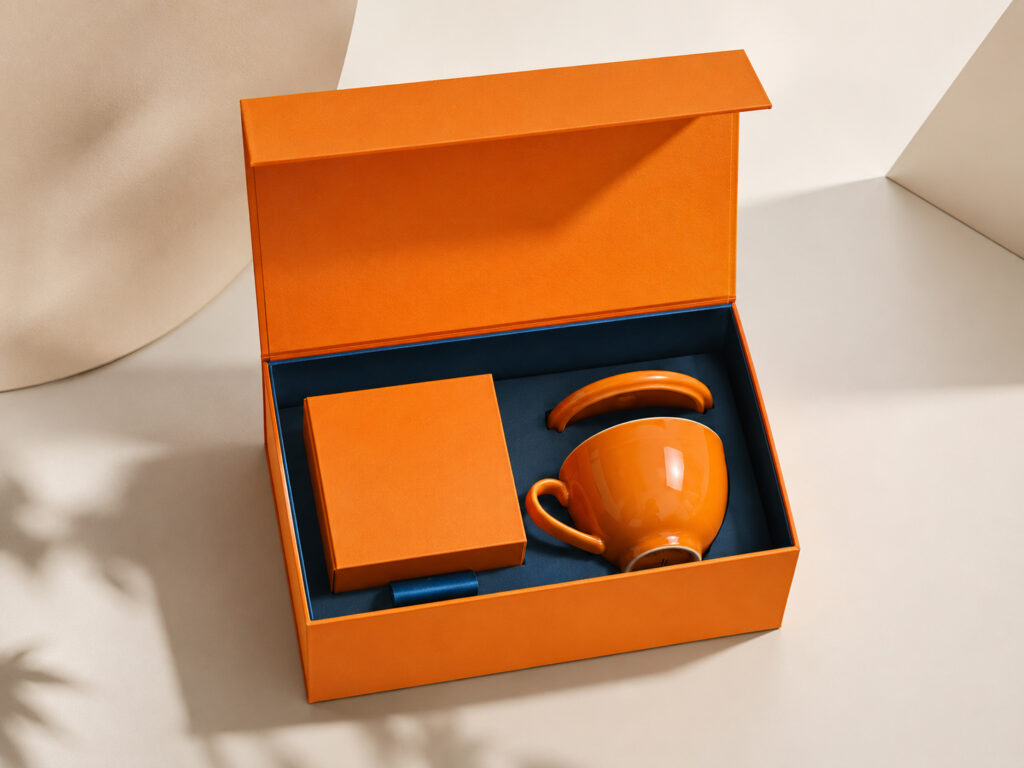
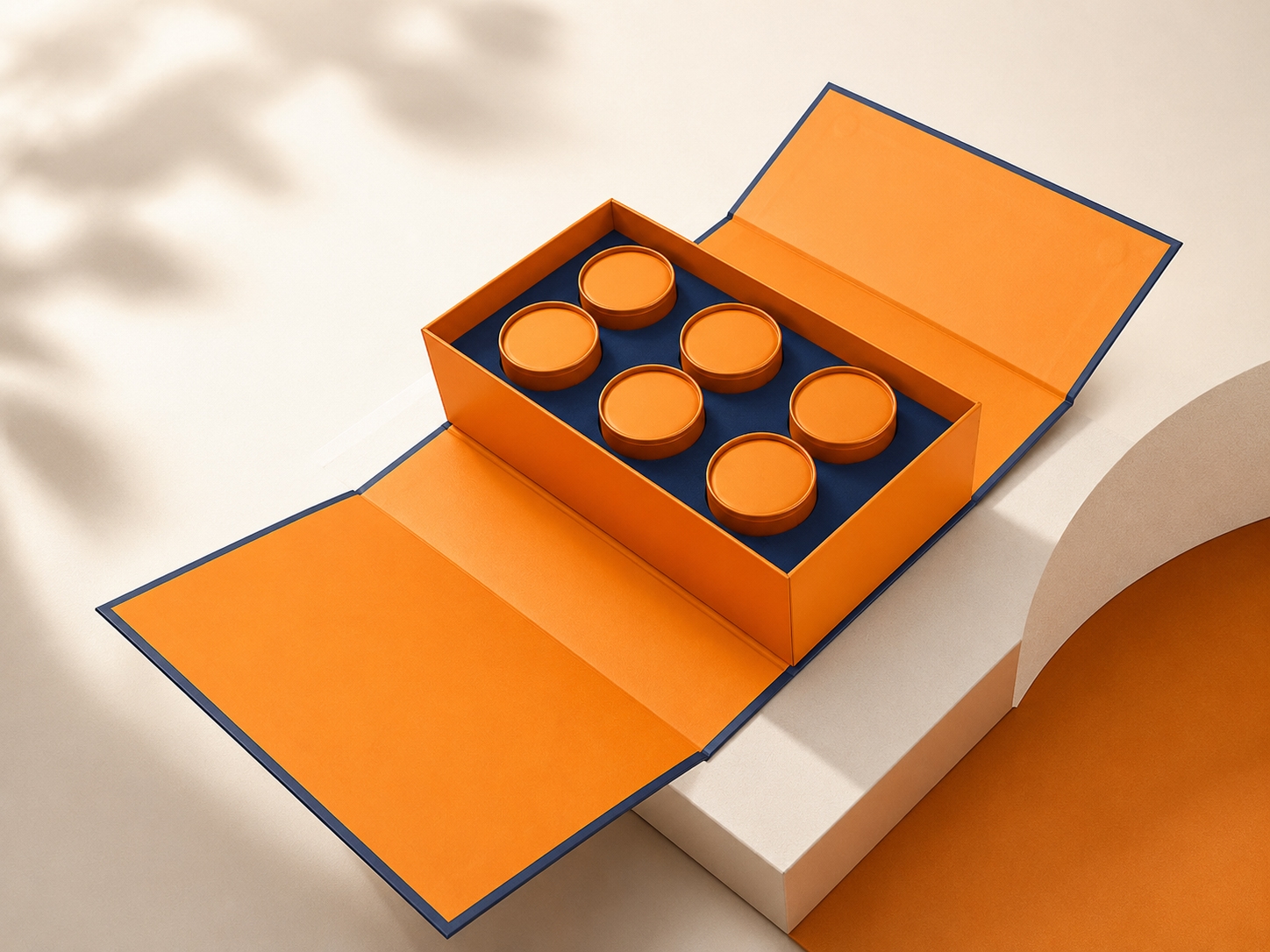
For a custom gift set, dividers can separate tea blends, cups, or accessories. The tea box design should also consider assembly, master-carton packing, display orientation, and the opening experience. A unique tea collection may include a message card or accessory for the tea lover.

Materials, Food Contact, and Freshness

Common packaging materials include folding boxboard, kraft, corrugated board, wrapped greyboard, specialty paper, and paper-based inserts. Food boxes intended for direct contact require a different review from decorative product packaging.

A decorative carton is not automatically suitable for direct food contact. In the United States, substances used as components of food-contact materials fall within the FDA framework. European Union requirements also apply to packaging materials intended to contact food. Confirm the intended market, contact conditions, inks, coatings, adhesives, and supporting documents with the packaging company.

The outer carton may support freshness by reducing light exposure and protecting the primary pack, but the pouch, liner, jar, or canister normally provides the main seal and barrier. The full custom packaging system should be reviewed as one unit. Research identifies heat, moisture, oxygen, and light as important environmental factors affecting the quality of the tea during storage.

Printed Tea Boxes, Inserts, and Finishing Options

Custom printed tea boxes may use offset or digital printing according to quantity, artwork, and schedule. Custom-printed tea boxes should keep practical and mandatory information readable. Custom tea box packaging can combine printed panels with a fitted insert, sleeve, or internal message.

A custom printed tea project may include brand colors, brewing information, origin details, flavor notes, barcodes, or a coordinated range system. Clear hierarchy is important when several flavors or product sizes need to appear as part of one tea brand.

Insert formats include folded paperboard trays, partitions, molded pulp, foam, and thermoformed components. A custom tea bag assortment may use rows or compartments, while personalized tea boxes for tins may need circular cutouts or raised platforms.

Custom finishes can include foil stamping, embossing, debossing, spot effects, lamination, and textured paper, subject to the substrate and box structure. A printed sample helps buyers review color, surface feel, and edge performance, especially for designed boxes with foil or embossing.


Custom Tea Boxes
Custom Tea Boxes
Custom Tea Boxes
Custom Tea Boxes
Custom Tea BoxesCustom Tea Boxes

Sustainable Material Choices for Tea Boxes

Eco-friendly packaging should be evaluated as a complete system. Board source, recycled content, coatings, windows, magnets, inserts, adhesives, and local collection conditions all affect the final result. Sustainable packaging may reduce unnecessary components or simplify mixed-material structures.

FSC chain-of-custody certification enables eligible organizations to make verified FSC claims and use the FSC label on qualifying finished products. Confirm the supplier’s certification scope, proposed material claim, and label approval before releasing final artwork.

A natural kraft structure can still support a refined tea brand, and quality tea packaging does not require excessive material. Restrained ink coverage, clear typography, paper-based inserts, and efficient dimensions can create a considered presentation without relying on vague environmental claims.

Wholesale Orders, Samples, and Production Planning

Tea boxes wholesale projects should begin with a written specification. Provide the dimensions, structure, quantity, board grade, print coverage, insert, packing method, destination, and requested delivery window. This allows packaging experts to compare production methods and likely cost drivers.

Searches for tea packaging boxes at wholesale or packaging boxes at wholesale price can produce very different offers because specifications may not be comparable. Wholesale rates, MOQ, sample fees, tooling, freight, and free shipping are supplier-specific. Confirm what is included before you place an order.

A structural sample checks size, assembly, closure, and product fit. A printed sample adds graphics and finishing for approval. Retain the approved dieline, color reference, and sample for repeat orders.

Before production, confirm:

  • Internal and external dimensions
  • Board type and thickness
  • Printing method and color reference
  • Insert material and layout
  • Surface treatment and finishing
  • Flat-packed or assembled delivery
  • Master-carton packing requirements
  • Inspection and approval procedure

How to Evaluate a Packaging Supplier

A capable printing and packaging supplier should be able to discuss structure, materials, artwork, inserts, sampling, quality control, packing, and delivery coordination. Buyers in the tea industry should ask who owns the dieline, how revisions are recorded, and how custom tea boxes designed during sampling are transferred into production.

Do not select a supplier only because a page promises the best packaging, highest quality custom boxes, high-quality custom service, or premium packaging solutions. Compare board thickness, dimensions, print process, insert material, tolerances, inspection, packing, and quotation exclusions.

Also ask where the boxes are made, which steps are completed internally or outsourced, and how production samples are checked. Clear specifications are more useful than general claims about high-quality packaging. Compare the complete boxes and packaging scope, not only the unit price.

A useful supplier quotation should clearly identify:

  • Box structure and dimensions
  • Material and board grade
  • Printing and surface treatment
  • Insert construction
  • Order quantity
  • Sample type
  • Packing method
  • Production assumptions
  • Freight responsibility
  • Items excluded from the quotation

Folding Carton Sourcing and Customization Questions

Common formats include folding cartons, rigid boxes, drawer boxes, magnetic boxes, sleeves, cardboard boxes, kraft formats, and retail displays. The recommendation should reflect product dimensions, weight, presentation, and packing. Tea box packaging should also fit the way the product will be stored, displayed, and shipped.

Yes. Dividers, trays, or compartments can organize several flavors in one presentation set. Share the product count, individual dimensions, and preferred arrangement so the internal structure can be tested before production.

Yes. Tins may be packed individually or grouped in a presentation set. The insert should be based on the container’s maximum external dimensions, including the lid, seams, and any tapered areas that may affect fit.

Kraft cartons are usually lighter and provide a natural paper-led appearance. Rigid formats use thicker board with a wrapped surface and suit presentation sets requiring greater structure. The choice depends on weight, budget, shipping, and retail use.

Personalized tea artwork, names, sleeves, event graphics, or limited-edition designs may be possible depending on quantity and production method. This approach is commonly considered for gifts, hospitality projects, weddings, promotional campaigns, and seasonal launches.

Suitability depends on the material, coating, ink, adhesive, food type, market, and conditions of use. Many tea products are first sealed in a pouch, sachet, jar, or canister. Confirm compliance documentation for the complete food packaging system before production.

It can reduce physical damage and light exposure, but it should not replace a properly specified primary barrier pack. Claims about keeping tea fresh should be based on the complete pack, seal, storage environment, product type, and intended shelf life.

Vector files are preferred for logos, dielines, and line graphics. Supply outlined fonts, linked images at suitable resolution, color references, required copy, barcode information, and any market-specific labeling prepared by your team.

Yes, depending on the structure and sourcing requirements. Possible directions include certified paper, recycled-content board, reduced plastic, simplified finishes, paper-based inserts, and structures that use fewer mixed components. Environmental statements should match verified materials.

Submit the product type, dimensions, desired structure, quantity, material preference, artwork status, printing requirements, insert needs, destination country, and target delivery date. Reference images are useful, but accurate measurements are essential.

Request a Tea Box Quote

Send your project details to receive a structure, material, printing, and sampling recommendation. Include enough information for the supplier to evaluate product fit, manufacturing requirements, and delivery arrangements. You may also request a structural sample or printed sample before approving the full order.

CTA