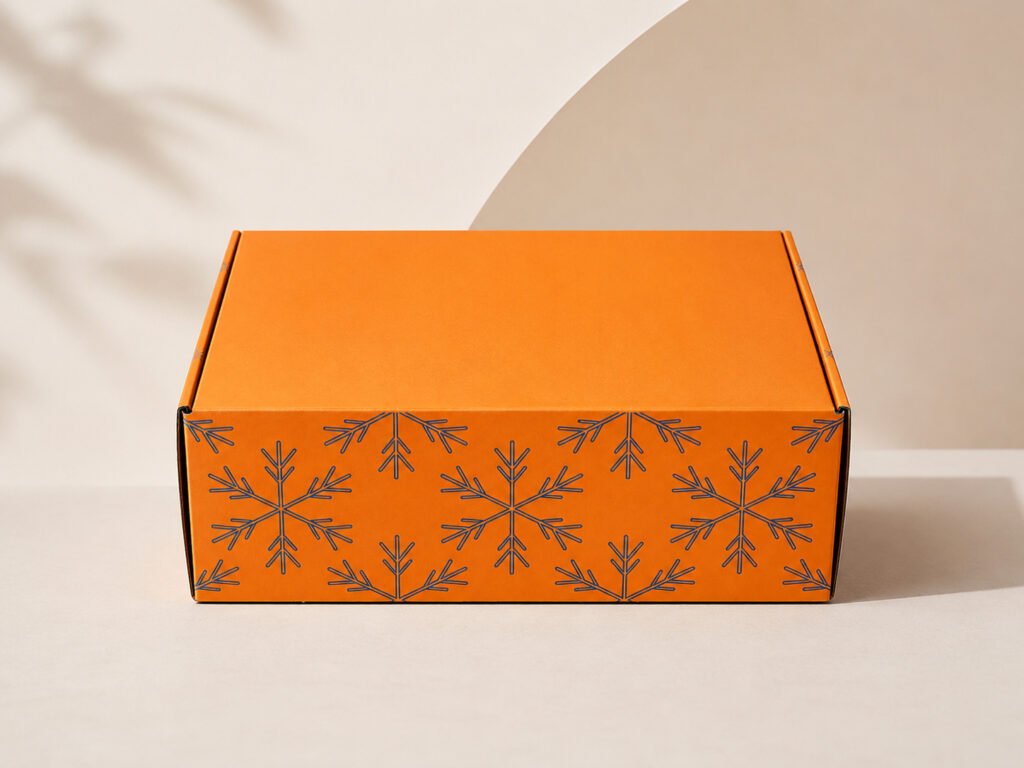
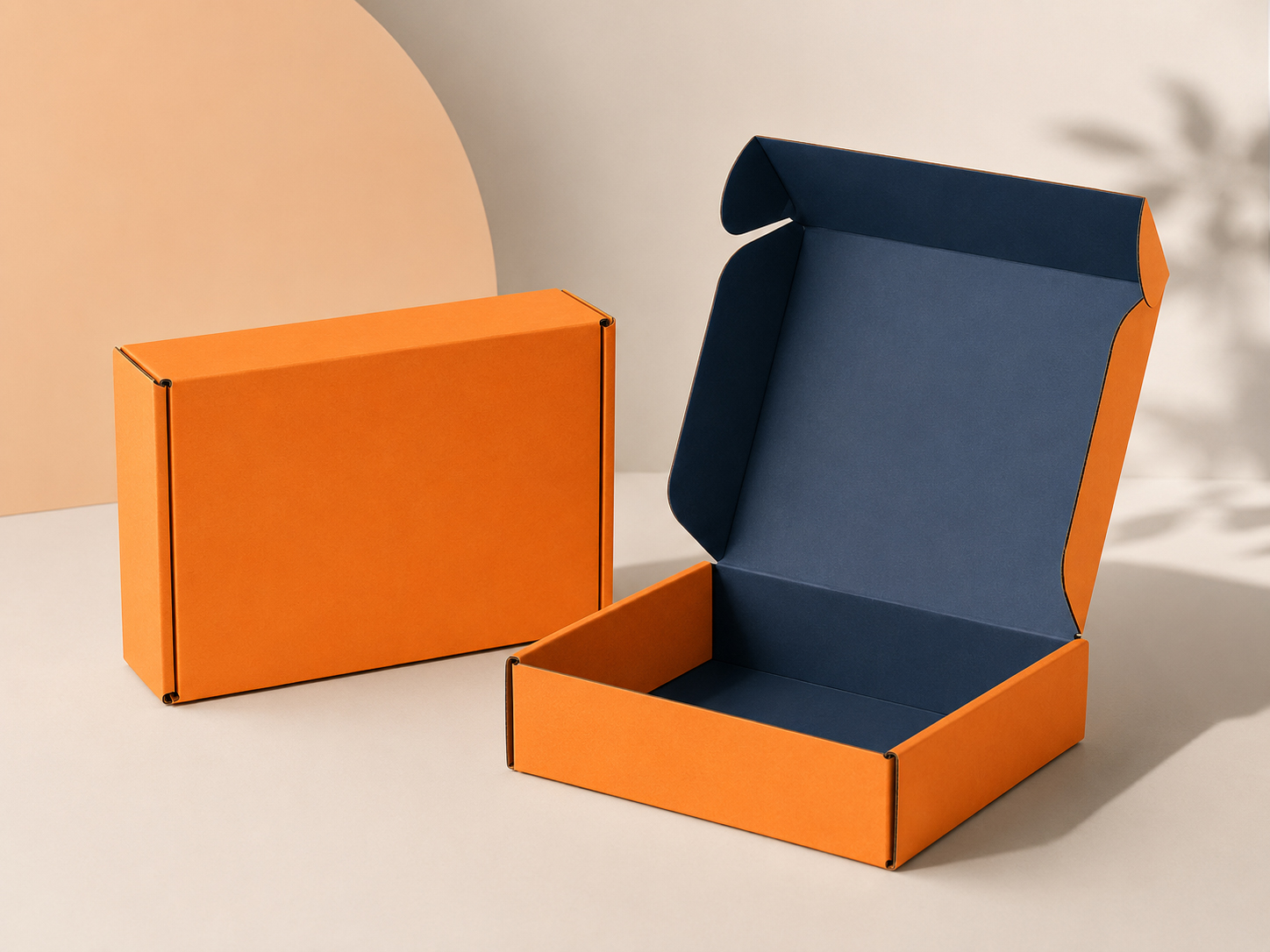
Paperboard is suitable for lightweight folding cartons and retail packaging boxes. It provides a smooth printing surface and can be produced in different thicknesses according to the size and weight of the clothing products.
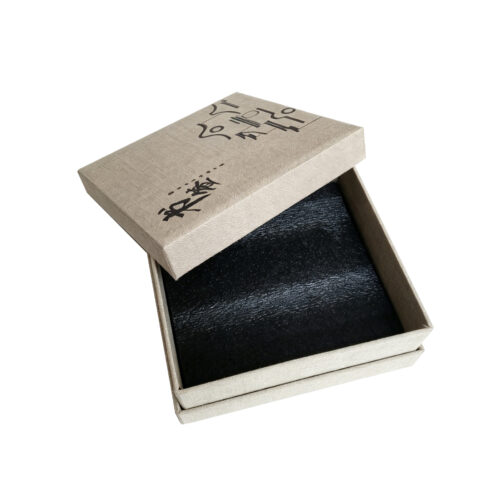
Wrapped rigid board creates a heavier, more structured apparel box. It is often considered for apparel gift boxes, fashion launch kits, and custom clothing packaging where presentation is more important than flat storage.
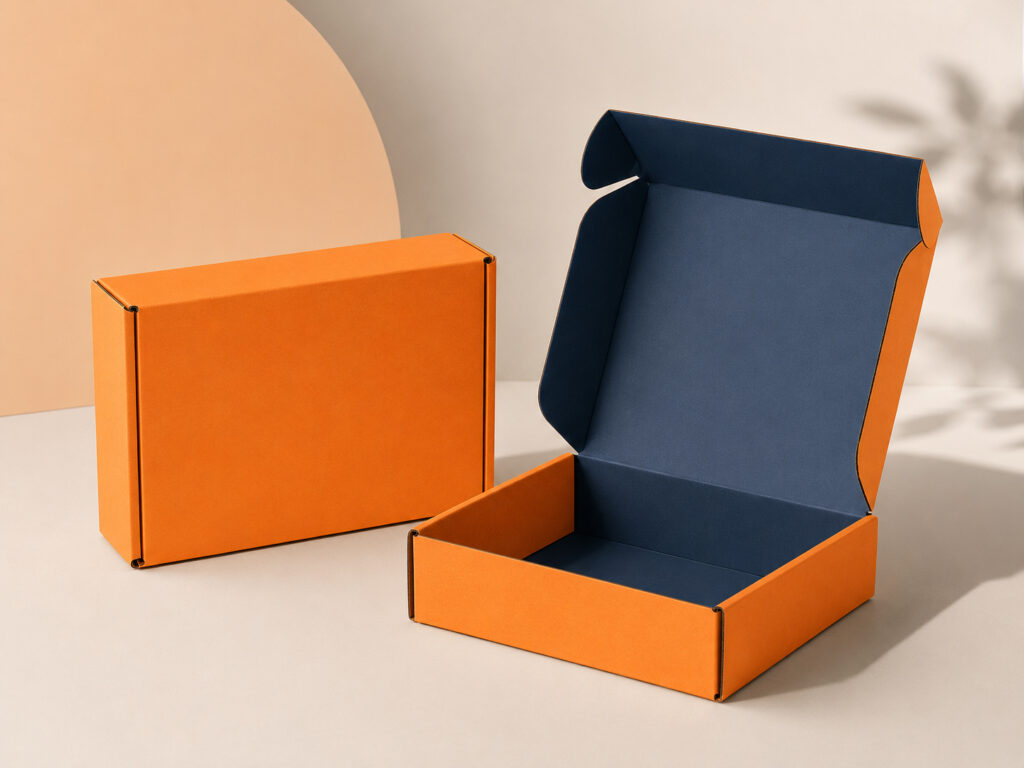
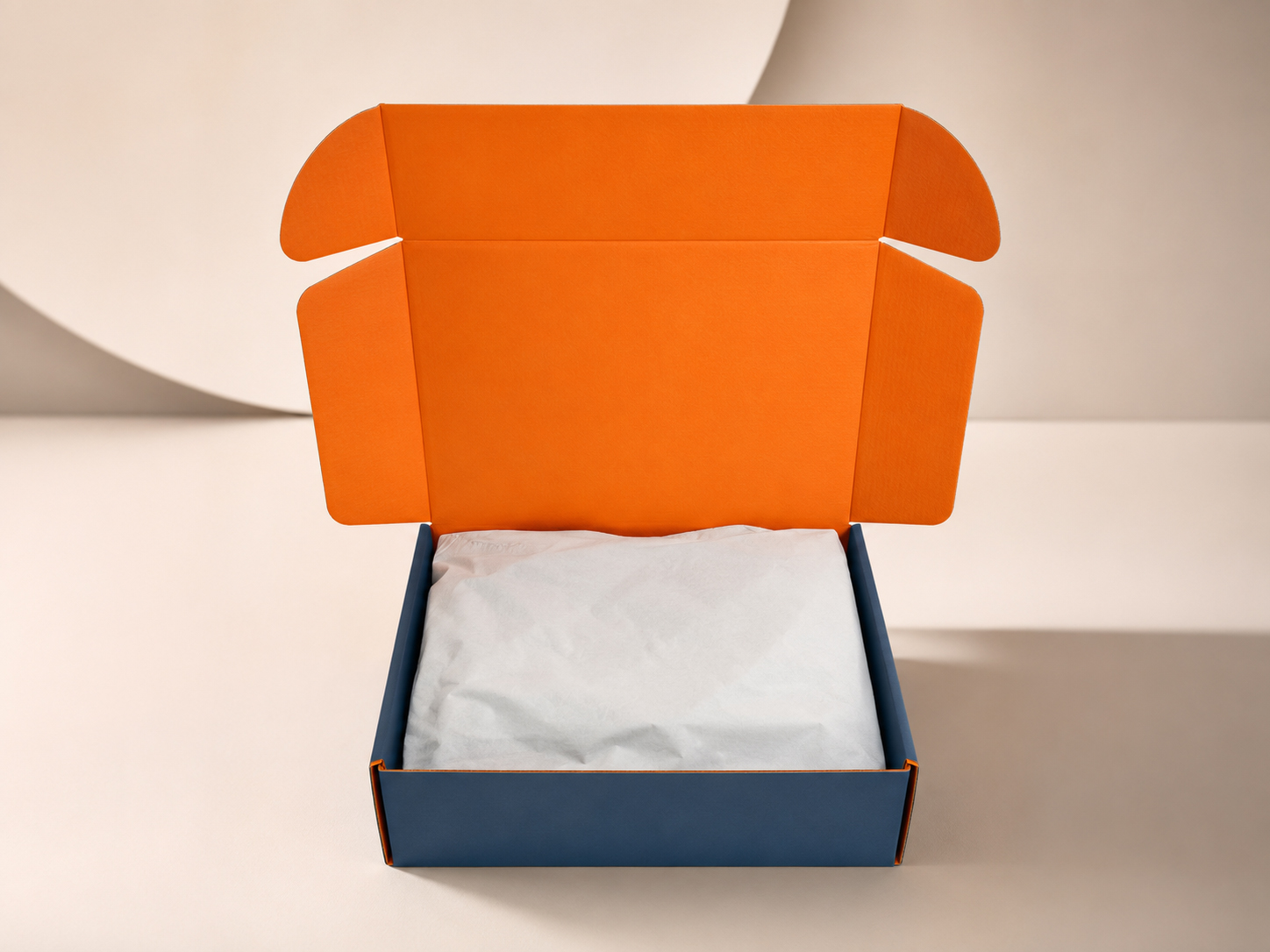
Kraft paper offers a natural, less coated appearance and can be used for folding boxes, sleeves, paper bags, or corrugated packaging. Corrugated cardboard provides additional resistance to compression and handling, making it more suitable for mailer boxes and outer shipping cartons.
Material claims should remain precise. Terms such as paper-based, recyclable, reduced-plastic, or FSC-certified should only be used when the complete structure and supporting documentation justify them. FSC explains that certified material must remain identifiable and traceable throughout the supply chain before finished products can carry an FSC claim or label.
Mylar bags or custom mylar packaging may be useful for selected accessories, fabric components, or products that need an additional moisture barrier. They should not be presented as a structural replacement for apparel packaging boxes.
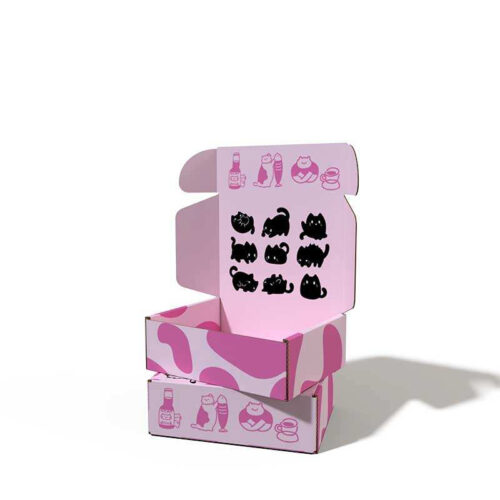
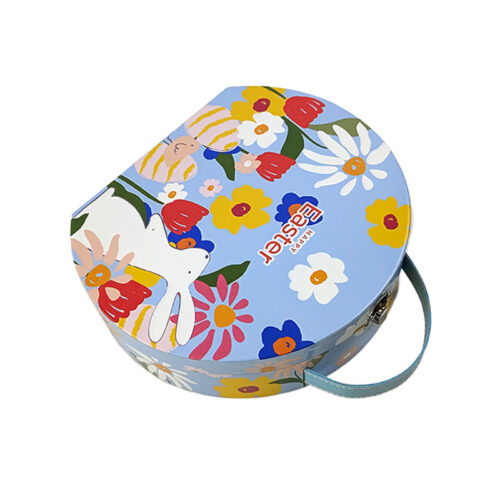
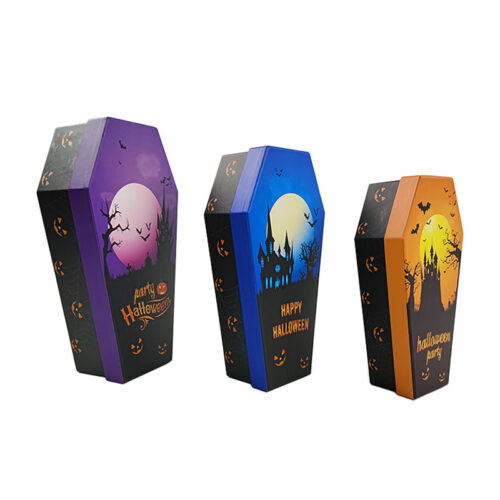
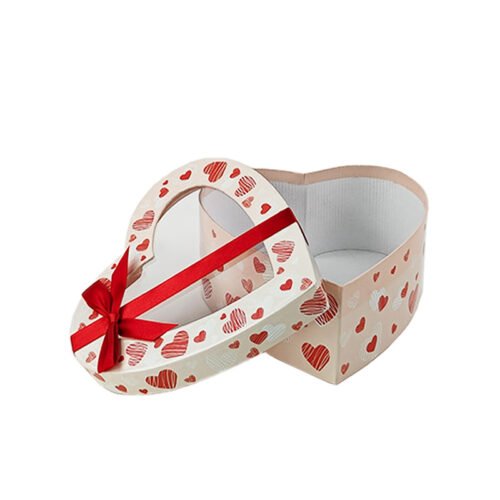
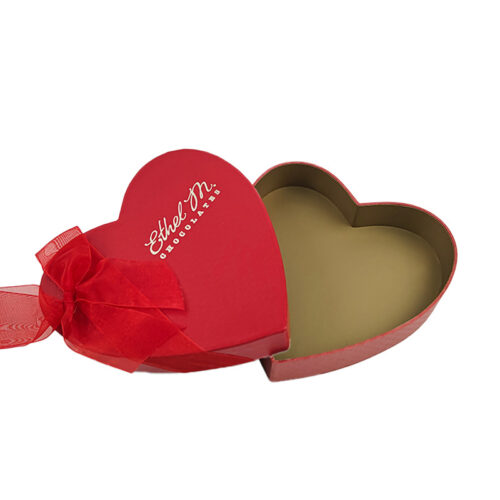
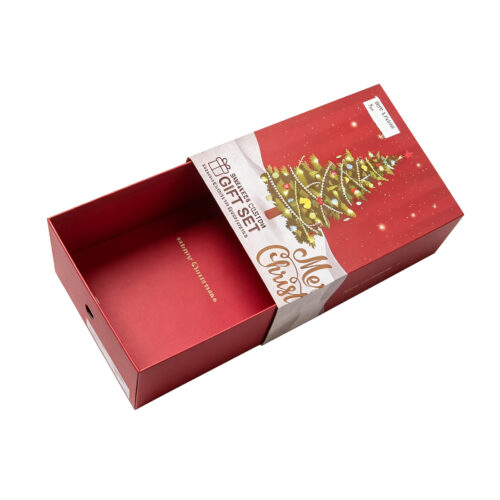
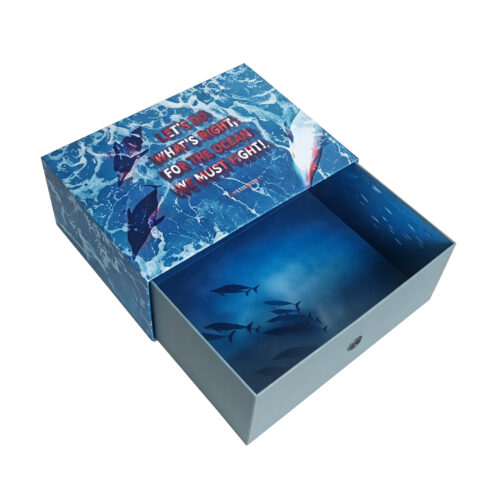
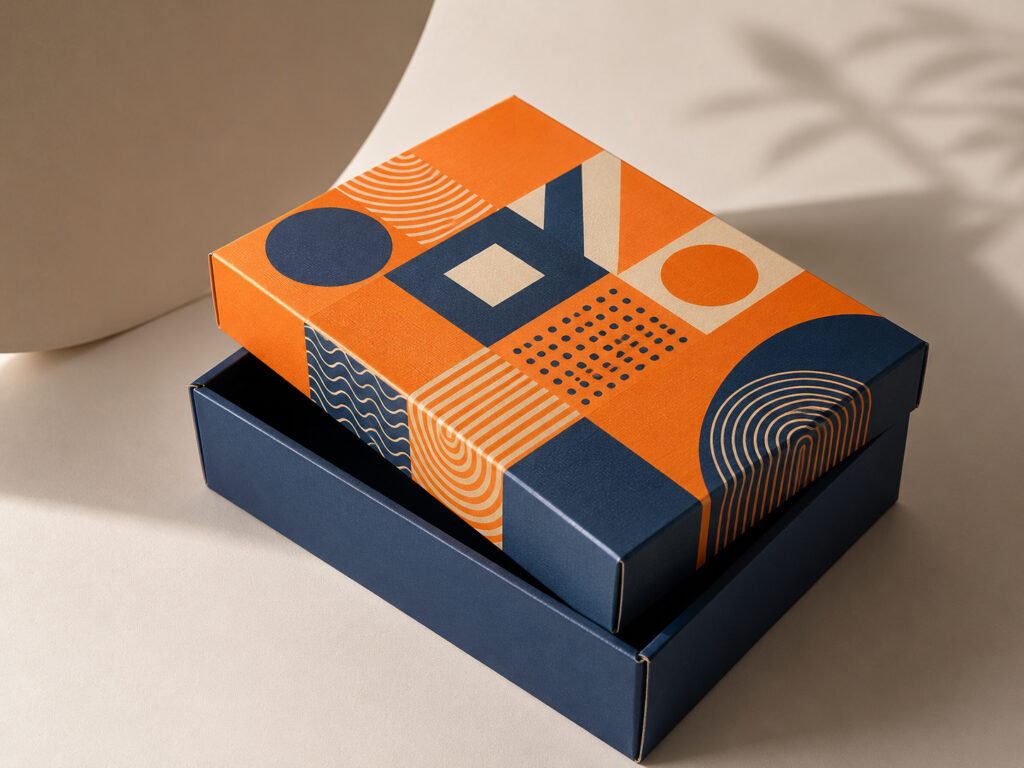
Custom printed apparel boxes can carry a logo, product information, brand colors, seasonal artwork, campaign graphics, or care instructions. Buyers can personalize the outside, inside, lid, base, sleeve, tissue paper, and other visible presentation elements.
Offset printing may be suitable for larger production quantities and detailed color requirements. Digital printing may be considered for samples, shorter production runs, or artwork that does not justify a full offset setup. The final printing method depends on quantity, box material, artwork, color expectations, budget, and turnaround.
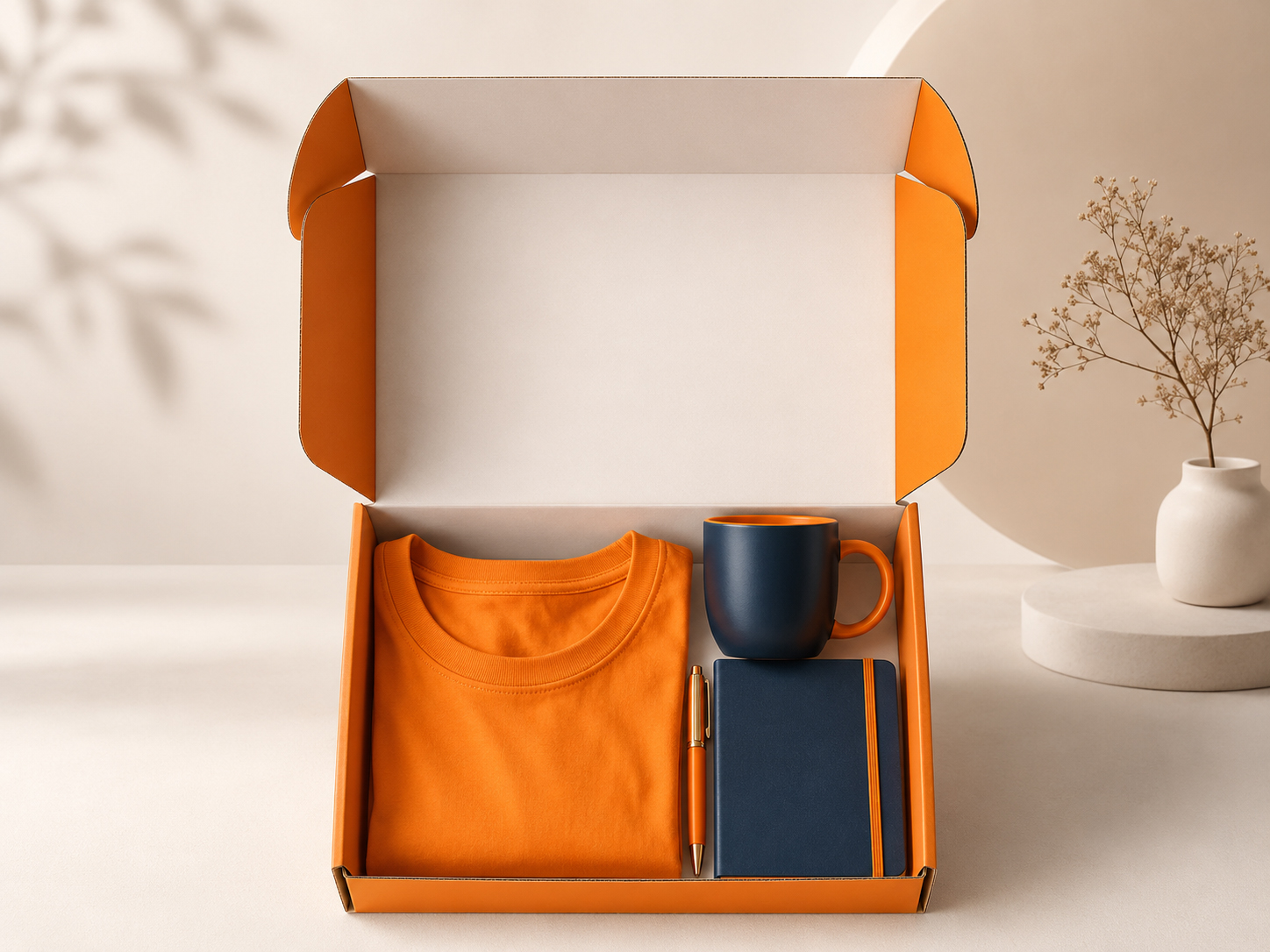
Available decorative options may include foil stamping, embossing, debossing, matte or gloss lamination, printed sleeves, ribbons, labels, and custom finishes. Inserts can hold accessories, cards, small products, or several garments in a fixed arrangement.
Finishes should be selected as part of the complete packaging specification. A visually attractive finish still needs to work with the chosen paper, box structure, folding areas, production quantity, and shipping method.