How Flat-Pack Gift Boxes Improve Shipping and Storage Efficiency
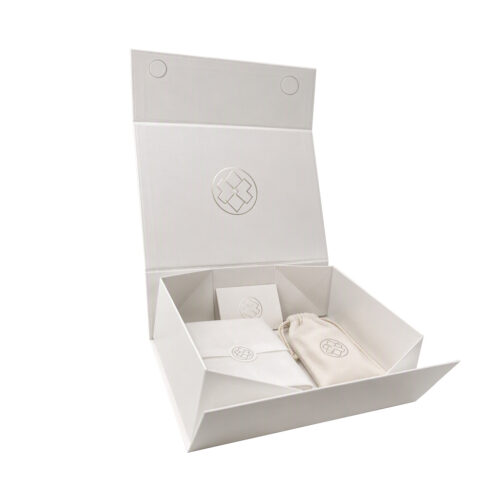
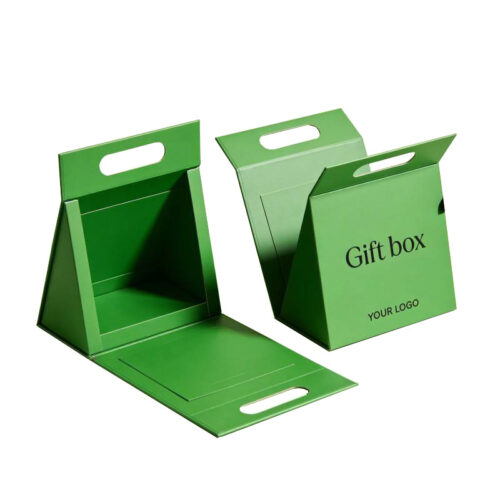
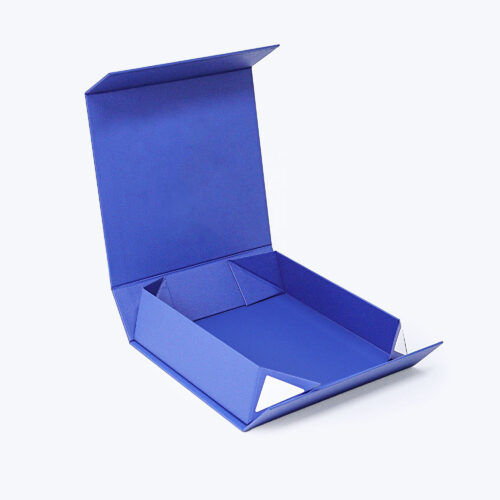
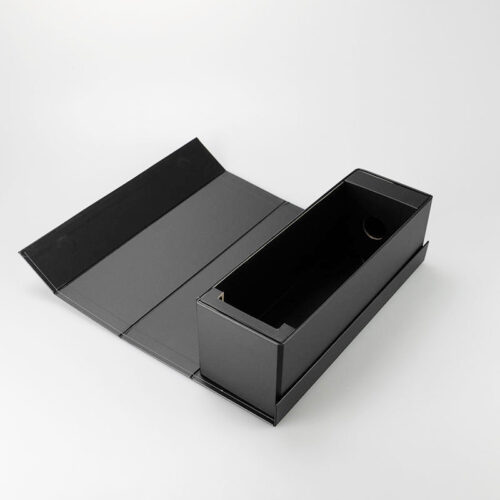
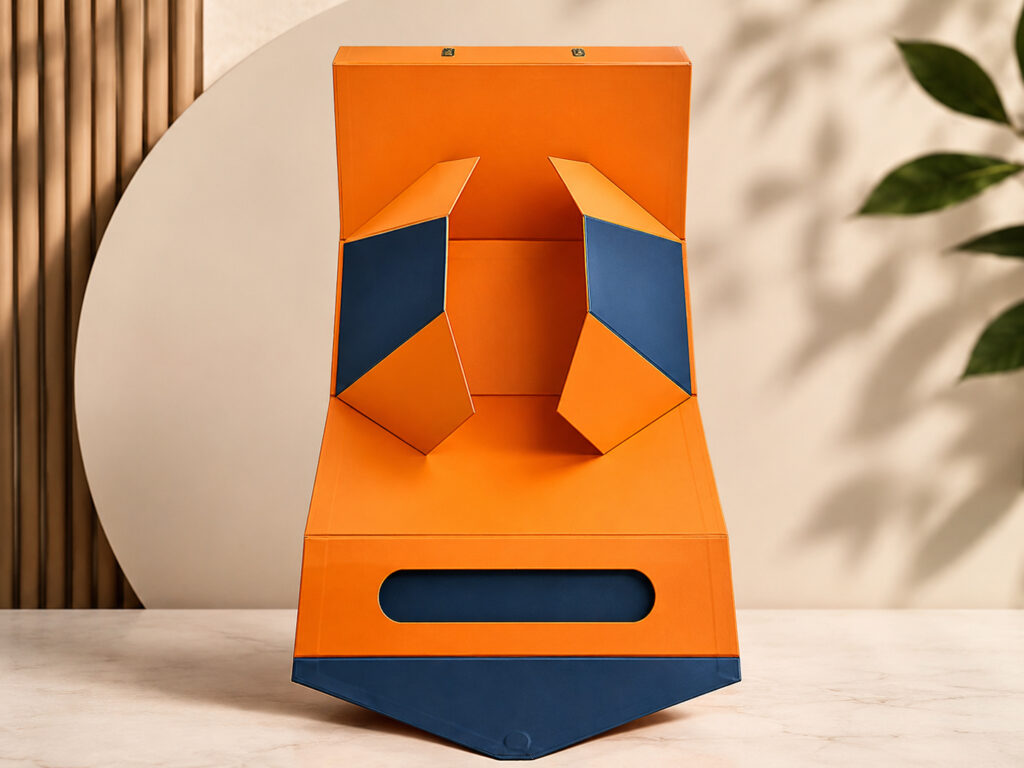
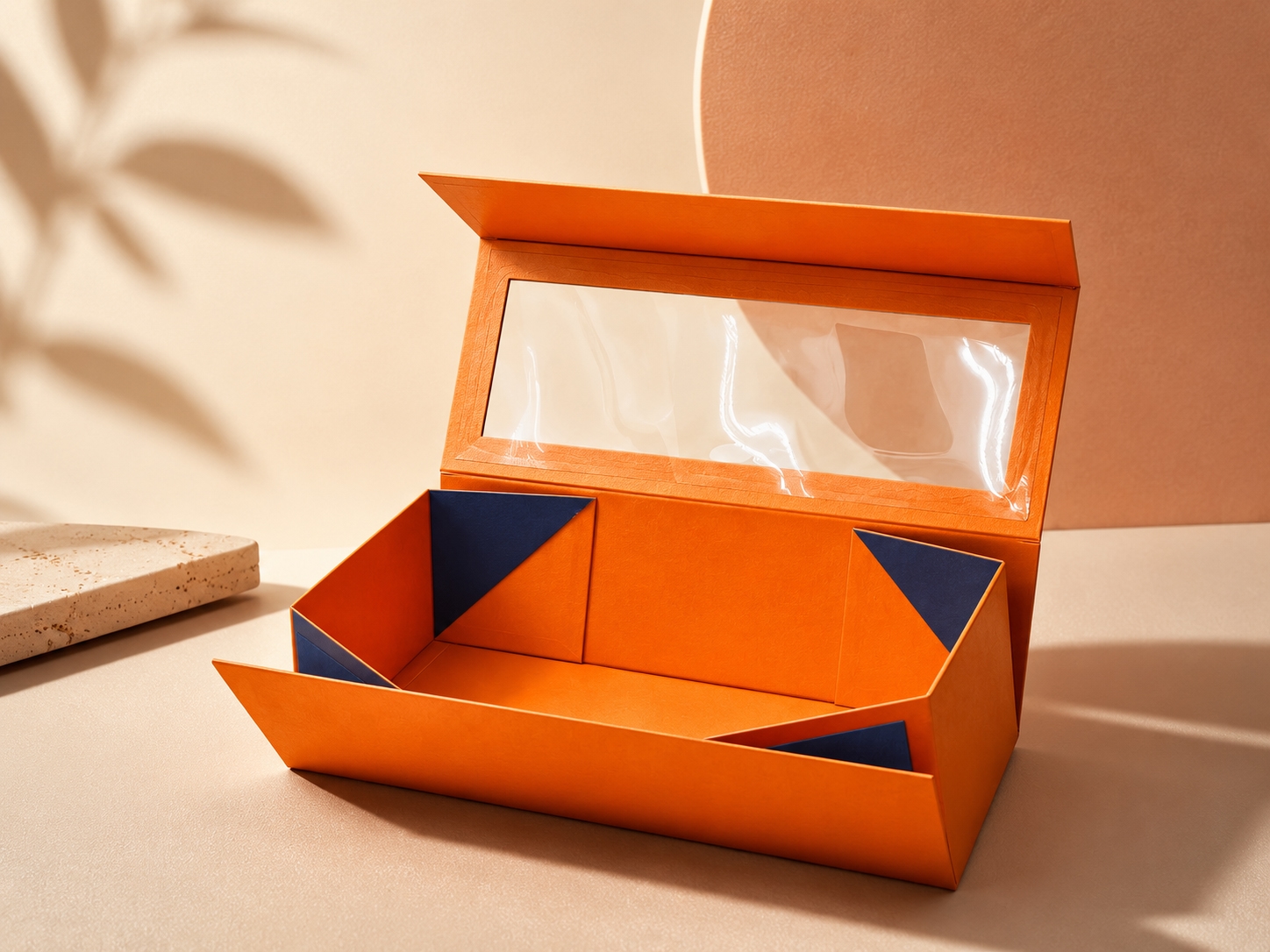
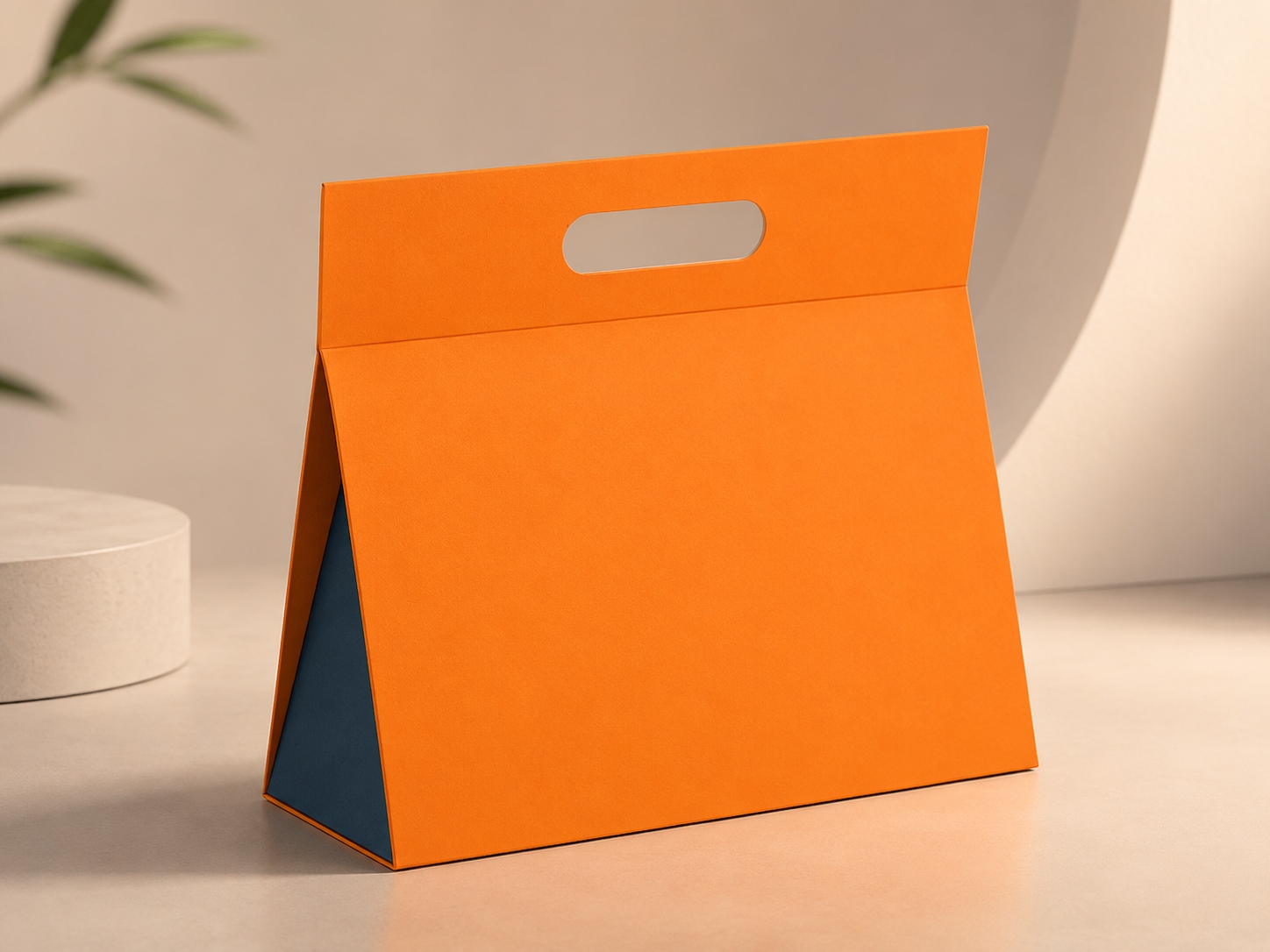
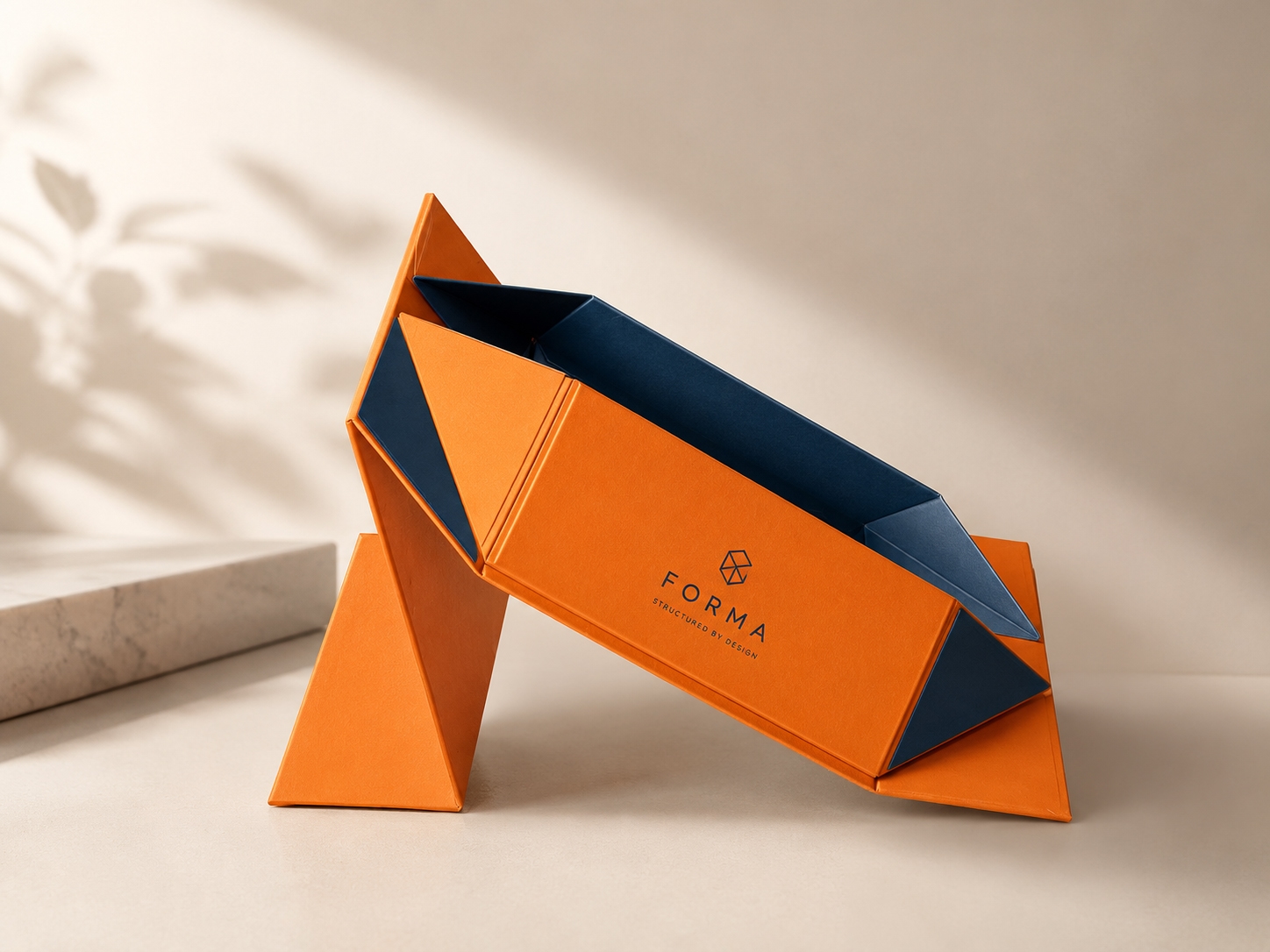
A flat-pack structure reduces the space occupied by empty boxes before assembly. More units may fit into a shipping carton, while warehouse teams can store them in compact stacks rather than allocating space for fully formed packaging.
Most traditional rigid boxes cannot be compressed or folded after production. Their fixed shape can increase the storage and freight volume required for empty packaging, particularly on international shipping routes.
Actual shipping savings vary according to the finished size, folded thickness, master-carton configuration, insert volume, delivery method, and assembly location. Procurement teams should compare unit price, freight, storage, packing labor, and product protection together rather than assessing shipping cost in isolation.
Samples, Custom Sizing, and Foldable Gift Box Ordering
An accurate quotation normally requires the internal box dimensions, product weight, insert requirements, preferred board material, closure style, print coverage, finishing options, order quantity, delivery destination, and required turnaround.
Buyers should also submit artwork, reference images, and information about the packing process. A box assembled at one central facility may require a different workflow from packaging distributed to several retailers or fulfillment centers.
A plain sample checks size, product fit, fold behavior, insert clearance, and closure alignment. A printed production sample provides additional confirmation of color, foil position, surface finish, and final presentation. Minimum order requirements and sample costs depend on structural complexity, material, print method, and manufacturing setup.