Custom Cosmetic Packaging Boxes for Beauty Products

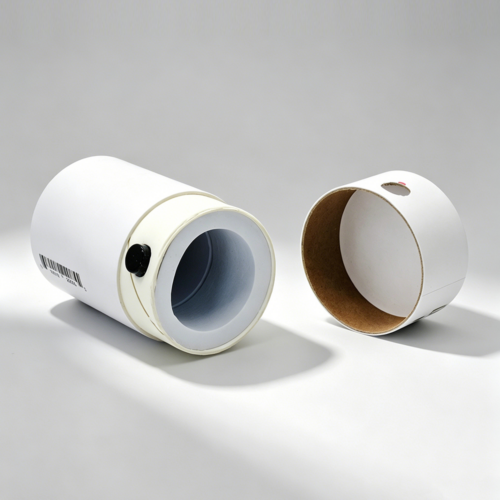
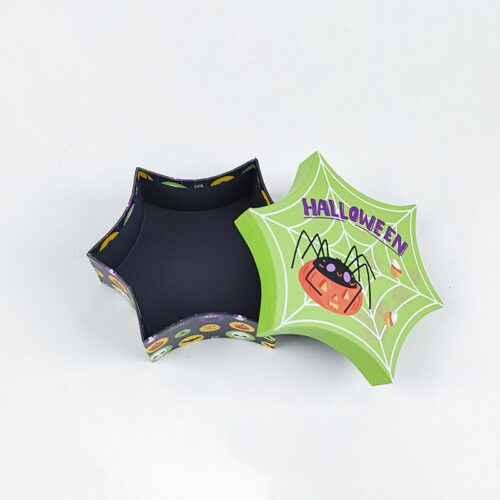
Create cosmetic packaging around the actual size, shape, weight, and presentation needs of your product. Choose from folding cartons, kraft boxes, rigid boxes, corrugated structures, display packaging, inserts, windows, custom printing, and decorative finishes for skincare, makeup, lipstick, gift sets, and other beauty products.

Send your product dimensions, preferred box style, artwork, estimated quantity, and delivery destination to request a quotation, dieline, prototype, or physical sample.

Custom cosmetic packaging combines a product-specific box structure with suitable materials, printing, finishes, and internal protection. It can be developed for individual skincare products, makeup collections, retail displays, subscription products, promotional sets, or premium cosmetic gifts.

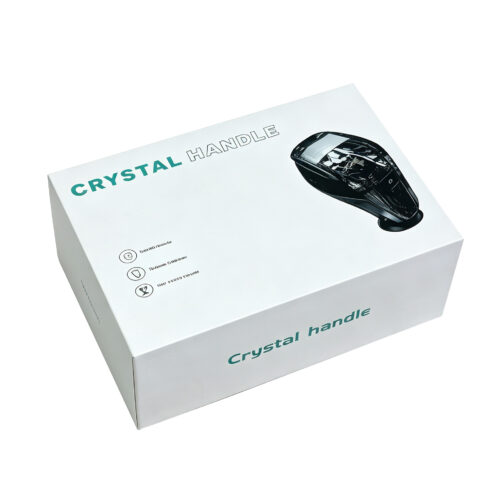
Custom Electronic Packaging Boxes

Custom Cosmetic Packaging for Product Protection and Presentation

A cosmetic box has more than one job. It needs to protect the product, keep components organized, support efficient packing, and present the brand consistently across retail, e-commerce, and gifting applications.

The correct structure starts with the product itself. A lightweight lipstick carton requires a different board grade and internal layout from a glass skincare jar or a multipiece cosmetic gift set. Dimensions, weight, fragility, cap position, label placement, and shipping conditions should all be considered before the dieline is approved.

Strong presentation does not depend on adding every available finish. A well-fitted structure, clear artwork, accurate color direction, and practical insert often create a more convincing result than an overdecorated box that is difficult to assemble or ship.

Explore Custom Cosmetic Packaging Boxes

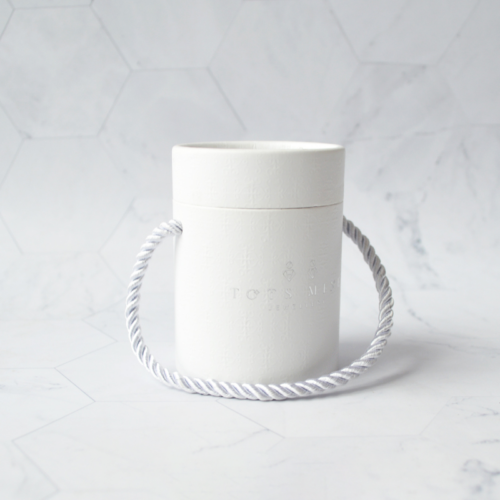
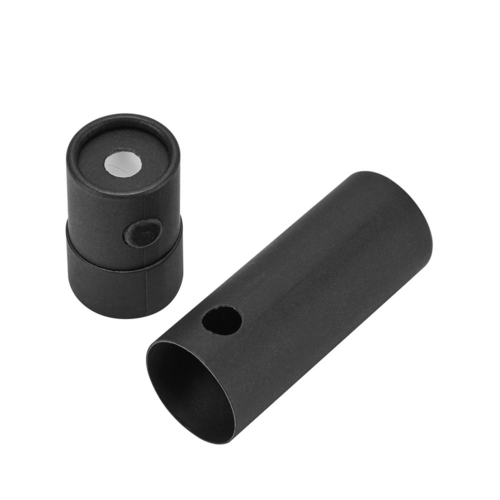
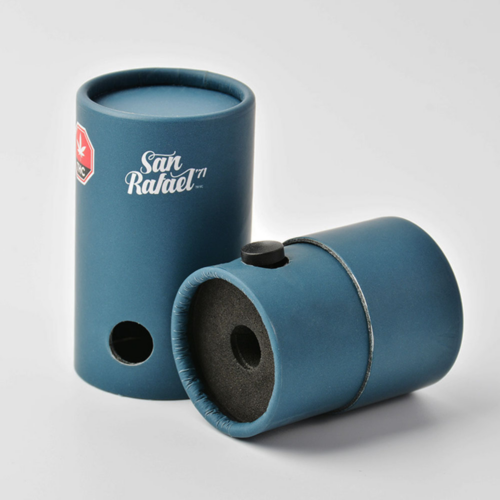
Explore cosmetic packaging boxes developed for skincare, makeup, lipstick, beauty gift sets, retail displays, subscription products, and promotional collections. Compare different structures, materials, closure styles, and presentation formats before selecting products for your quotation request.

Cosmetic Box Styles for Skincare, Makeup, and Gift Sets

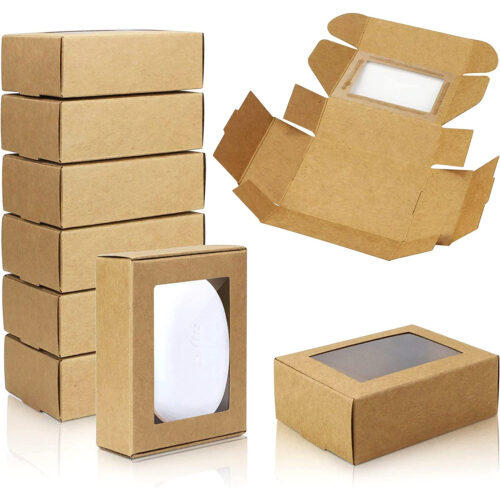
Folding cartons are widely used for lightweight bottles, tubes, compacts, lipstick, and small cosmetic items. They can be printed on multiple panels, supplied flat for efficient storage, and customized with windows, internal platforms, or protective paperboard inserts.

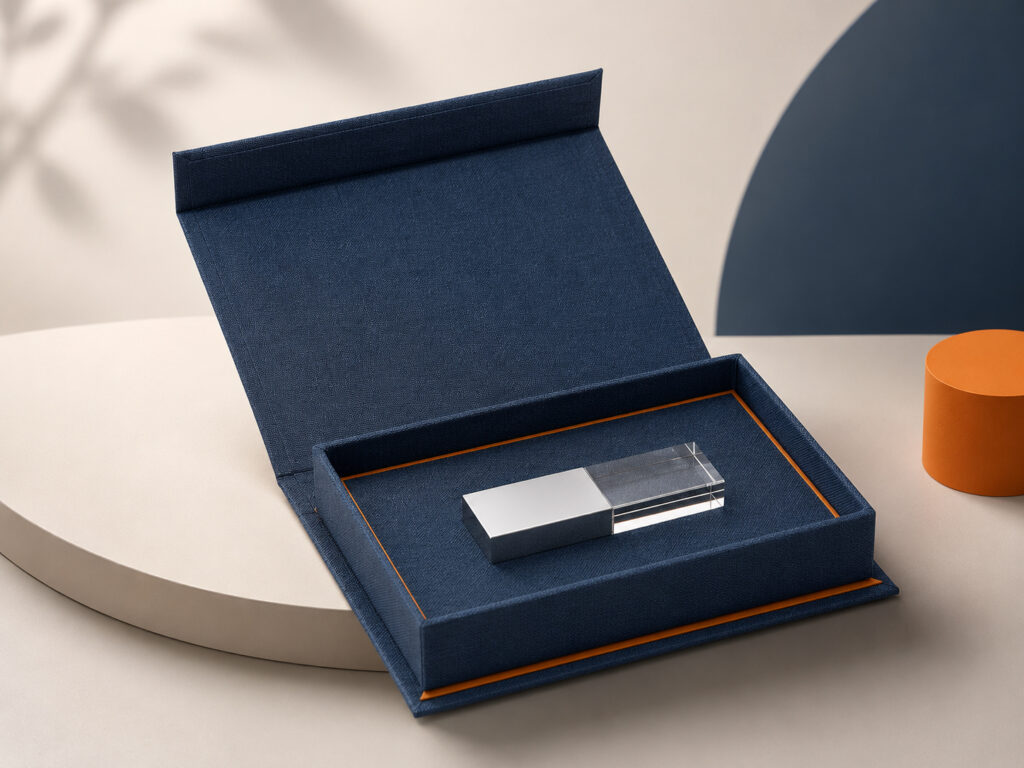
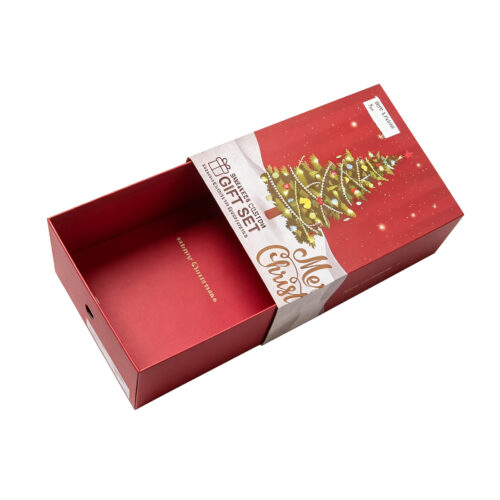
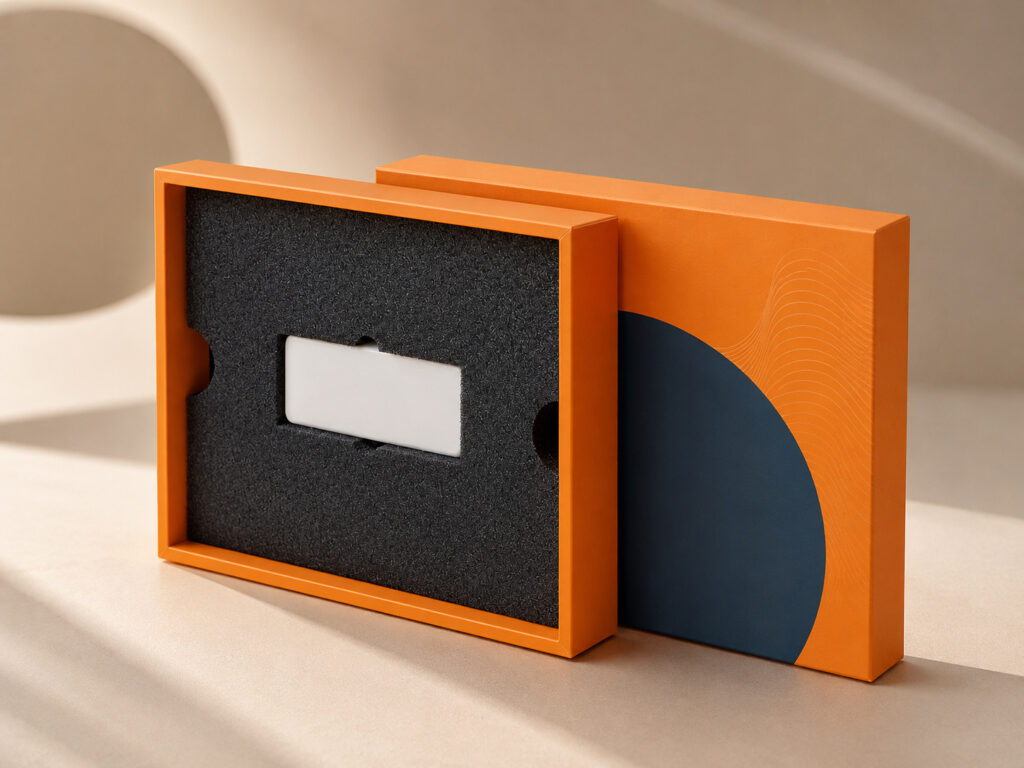
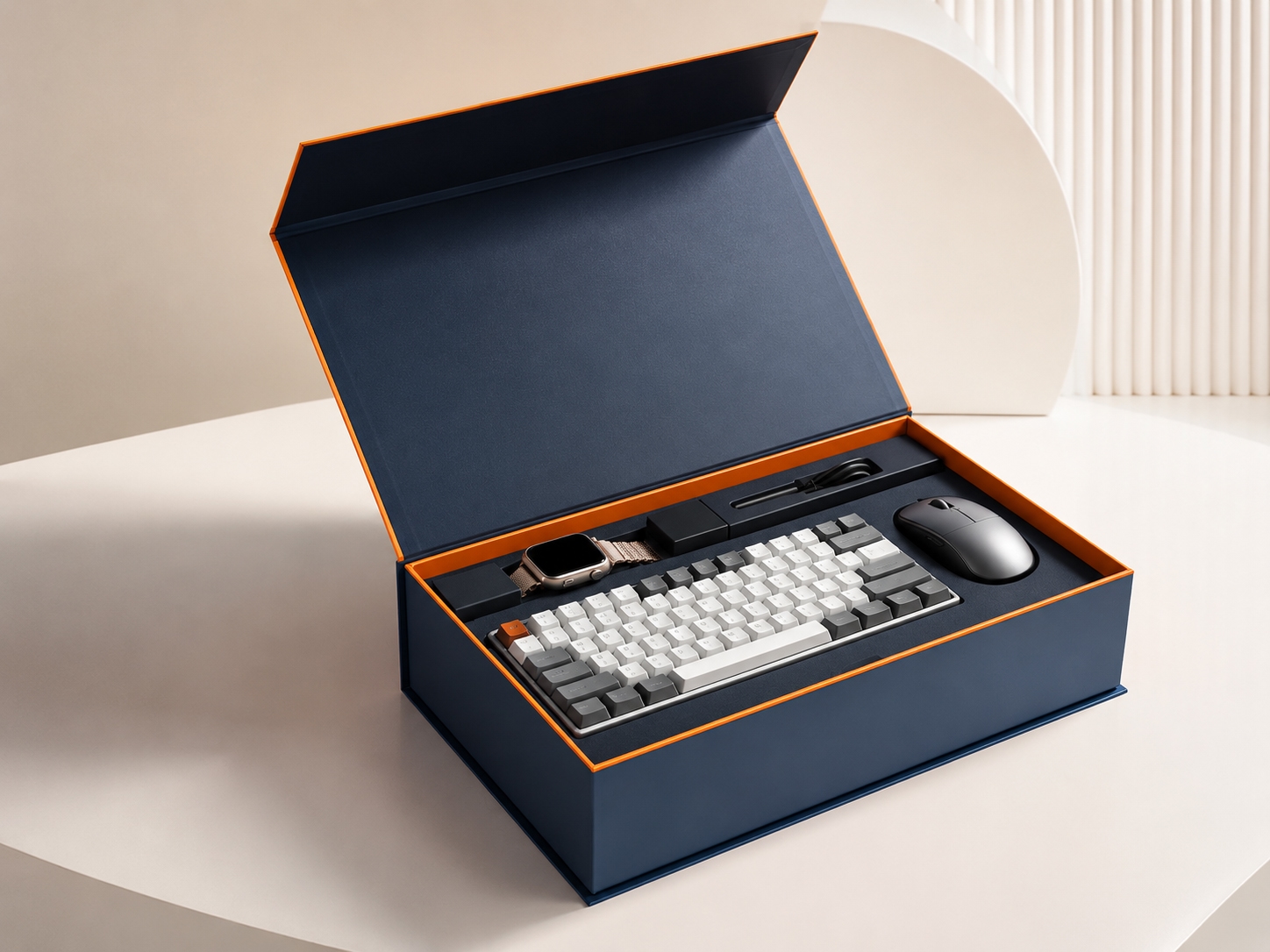
Rigid boxes provide a more substantial structure for luxury cosmetic collections, skincare sets, launch kits, and cosmetic gift boxes. Common formats include two-piece boxes, magnetic closure boxes, drawer boxes, book-style boxes, and shoulder-neck structures.

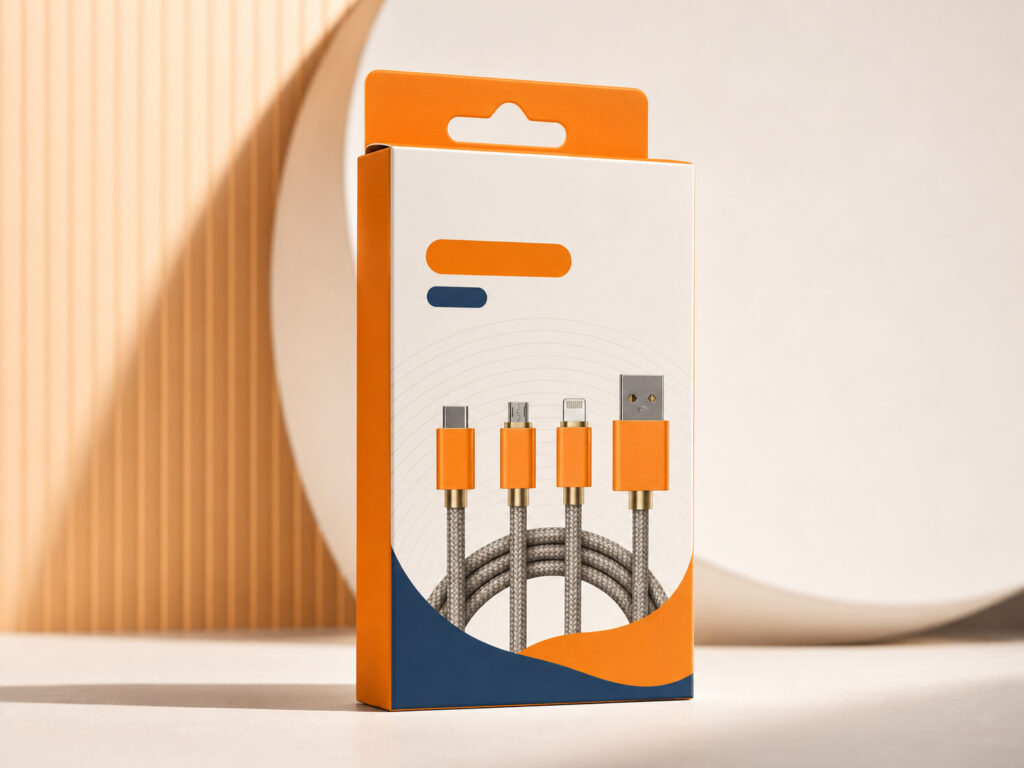
Corrugated boxes may be selected for larger kits, subscription orders, e-commerce shipping, or products that need additional protection during distribution. Display boxes can organize individual products while improving shelf visibility. The final choice should reflect the product, packing process, sales channel, and target presentation—not the structure name alone.

Choose Packaging Materials Based on Product Size and Fragility

Material selection should begin with confirmed product dimensions and packed weight. Paperboard thickness, greyboard, kraft paper, corrugate flute, wrapping paper, and insert material all influence strength, appearance, assembly, and shipping weight.

A light folding carton may be sufficient for a tube or lipstick. A heavy glass jar may require thicker board, reinforced corners, or a fitted insert that limits movement. Products with pumps, droppers, tall caps, or irregular profiles often need additional clearance and careful orientation inside the box.

Internal dimensions must also account for labels, shrink sleeves, protective bags, and normal production tolerance. Before custom boxes move into production, the physical product or an accurate technical drawing should be checked against the packaging sample.

Custom Printing, Finishes, and Inserts for Cosmetic Boxes

Custom cosmetic box printing can reproduce brand colors, product information, instructions, ingredients, barcodes, and promotional artwork. CMYK printing may suit photographic graphics and multicolor designs, while specified spot colors can help control important brand shades.

Available finishes may include foil stamping, embossing, debossing, spot UV, matte or gloss lamination, textured paper, and soft-touch coatings. These details should be chosen according to the packaging material, artwork size, handling requirements, and desired look and feel.

Inserts help position bottles, jars, tubes, applicators, and accessories. Paperboard platforms, dividers, corrugated inserts, molded pulp, foam, or thermoformed trays may be considered depending on the product and packaging goals. A sample made around the real product is the most useful way to check fit, removal, and presentation.

Custom Electronic Packaging Boxes

Eco-Friendly Cosmetic Boxes with Practical Material Choices

Eco-friendly cosmetic boxes should be based on measurable design decisions rather than broad environmental claims. Buyers may consider recyclable paper-based structures, kraft materials, right-sized boxes, reduced plastic content, removable inserts, and papers from responsibly managed sources.

Removing unnecessary components can also simplify the packaging. A paperboard insert may replace a mixed-material tray in some applications. Reduced lamination, smaller box dimensions, and fewer decorative layers may lower material use while keeping the product protected.

Not every cosmetic product can use the same structure. Fragile glass packaging, liquid products, heavy gift sets, and long-distance shipping may still require additional protection. Sustainability decisions should therefore be reviewed alongside product safety, presentation, local recycling conditions, and verified material documentation.

Cosmetic Packaging Manufacturing and Quality Control

A clear production process usually begins with requirement review. The packaging manufacturer checks product dimensions, preferred structure, material, artwork, printing, finishes, quantity, packing method, delivery destination, and target completion date.

The next stages may include structural development, dieline preparation, artwork checking, plain sampling, printed sampling, material approval, printing, surface finishing, die-cutting, assembly, inspection, packing, and shipment. More complex rigid packaging or cosmetic gift sets may require additional hand assembly and fitting checks.

Quality control should compare production with the approved sample and specification. Important checkpoints include box dimensions, structure, print placement, color direction, finish position, insert fit, surface condition, opening function, assembly quality, and export packing.


Custom Cosmetic Packaging Questions Buyers Ask

Yes. A custom cosmetic box can be developed around the dimensions of a bottle, jar, tube, compact, applicator, or gift set. The supplier may request a physical product, technical drawing, or confirmed measurements before creating the final dieline and structural sample.

The right structure depends on product weight, fragility, size, retail position, shipping method, and budget. Folding cartons suit many lightweight products, while rigid boxes are often selected for presentation sets. Corrugated packaging may be more appropriate for shipping or larger multipiece collections.

Yes. You can normally request a plain structural sample, a digitally printed sample, or a more production-representative sample. A structural sample checks dimensions and fit, while a printed sample helps assess artwork, color direction, materials, finishes, and overall presentation.

Vector files are generally preferred for logos, text, dielines, foil areas, and spot-color elements. Images should have suitable resolution, and fonts should be outlined or included. Artwork should remain within the approved dieline and include the required bleed and safety margins.

Yes. Inserts can be designed to hold individual products or complete cosmetic sets. Options may include folded paperboard, corrugated board, molded pulp, foam, or thermoformed trays. The choice depends on weight, fragility, presentation, material preferences, and the required level of protection.

Minimum order quantity depends on the box structure, material, printing process, finishes, tooling, and assembly. A printed folding carton and a handmade rigid box follow different production processes, so the minimum order should be confirmed after the complete packaging specification is reviewed.

Kraft cosmetic boxes, paper-based inserts, unlaminated cartons, and reduced-material structures may be available. However, windows, magnets, coatings, foam, and other mixed components can affect recyclability. The complete structure should be reviewed before making environmental claims.

Production time is affected by structural development, sample revisions, artwork approval, material availability, printing, special finishes, assembly complexity, quantity, inspection, and shipping method. Delayed artwork approval or product dimension changes can also move the planned production schedule.

Sometimes. A shared outer box with size-specific inserts may work when the products have similar dimensions and weight. For products with major size differences, separate structures may provide better protection and presentation. Both approaches should be compared during sampling.

Packing depends on the box structure and surface finish. Folding cartons may be shipped flat, while rigid boxes are normally shipped assembled. Protective tissue, bags, dividers, export cartons, and pallet requirements can be selected according to the product finish and delivery conditions.

Request a Custom Cosmetic Packaging Quote

Tell us what you are packaging and how you want the finished box to look, open, and protect the product. Submit your product dimensions, preferred structure, material, artwork, printing and finish requirements, insert details, estimated quantity, delivery destination, and required date so the project can be reviewed accurately.

CTA