Luxury Candle Packaging, Kraft Designs, and Retail Positioning
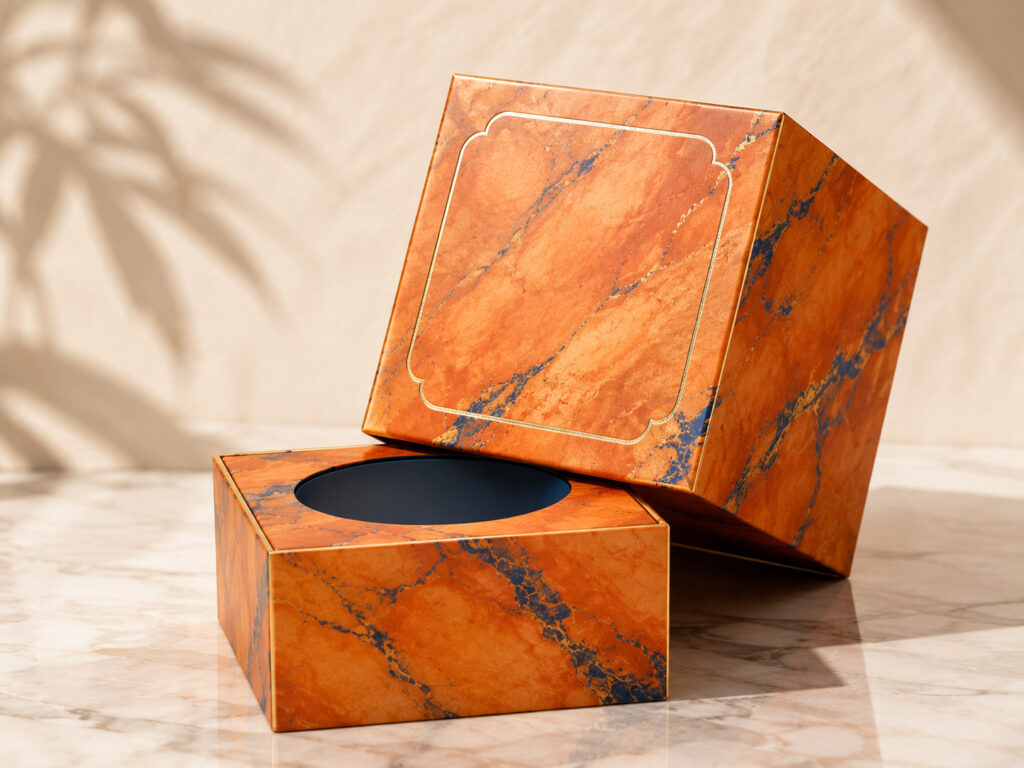
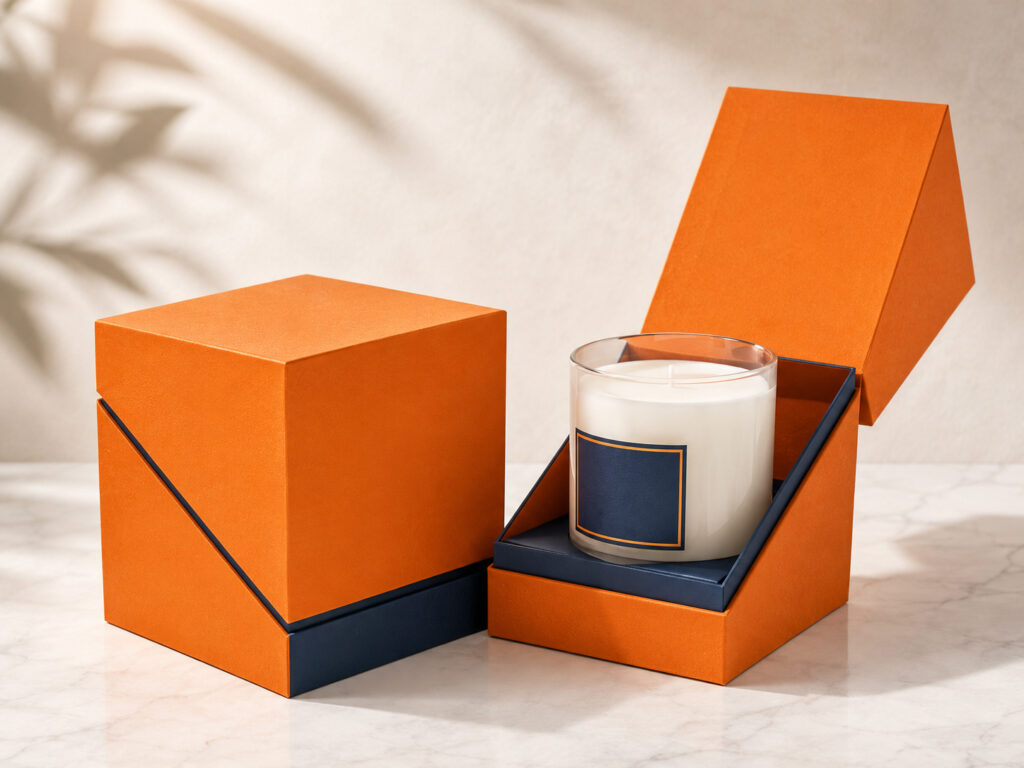
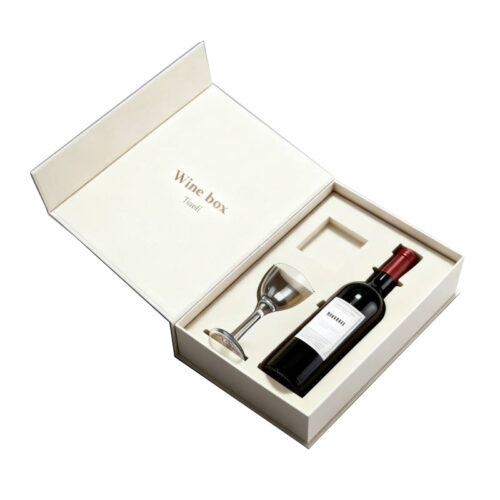
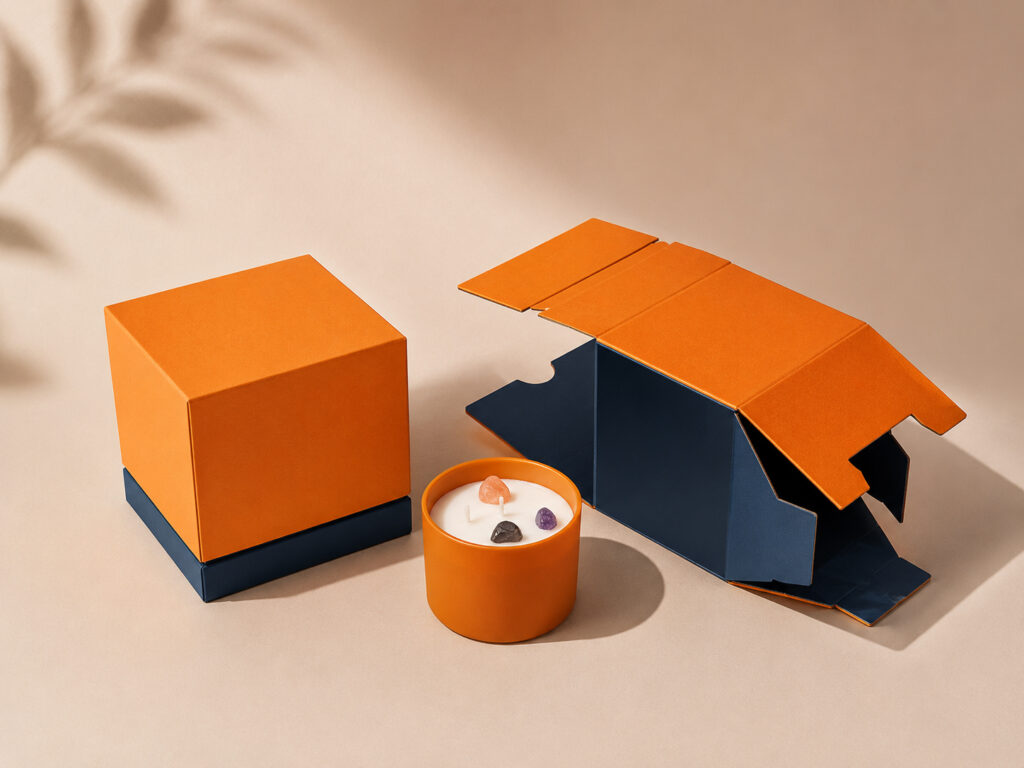
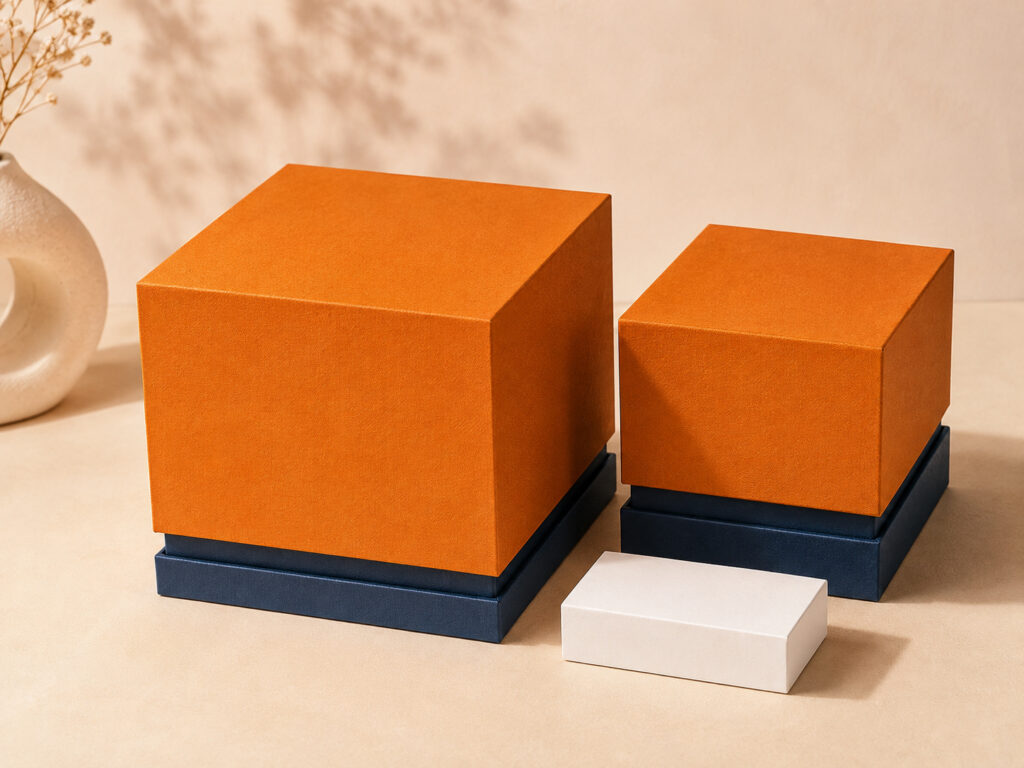
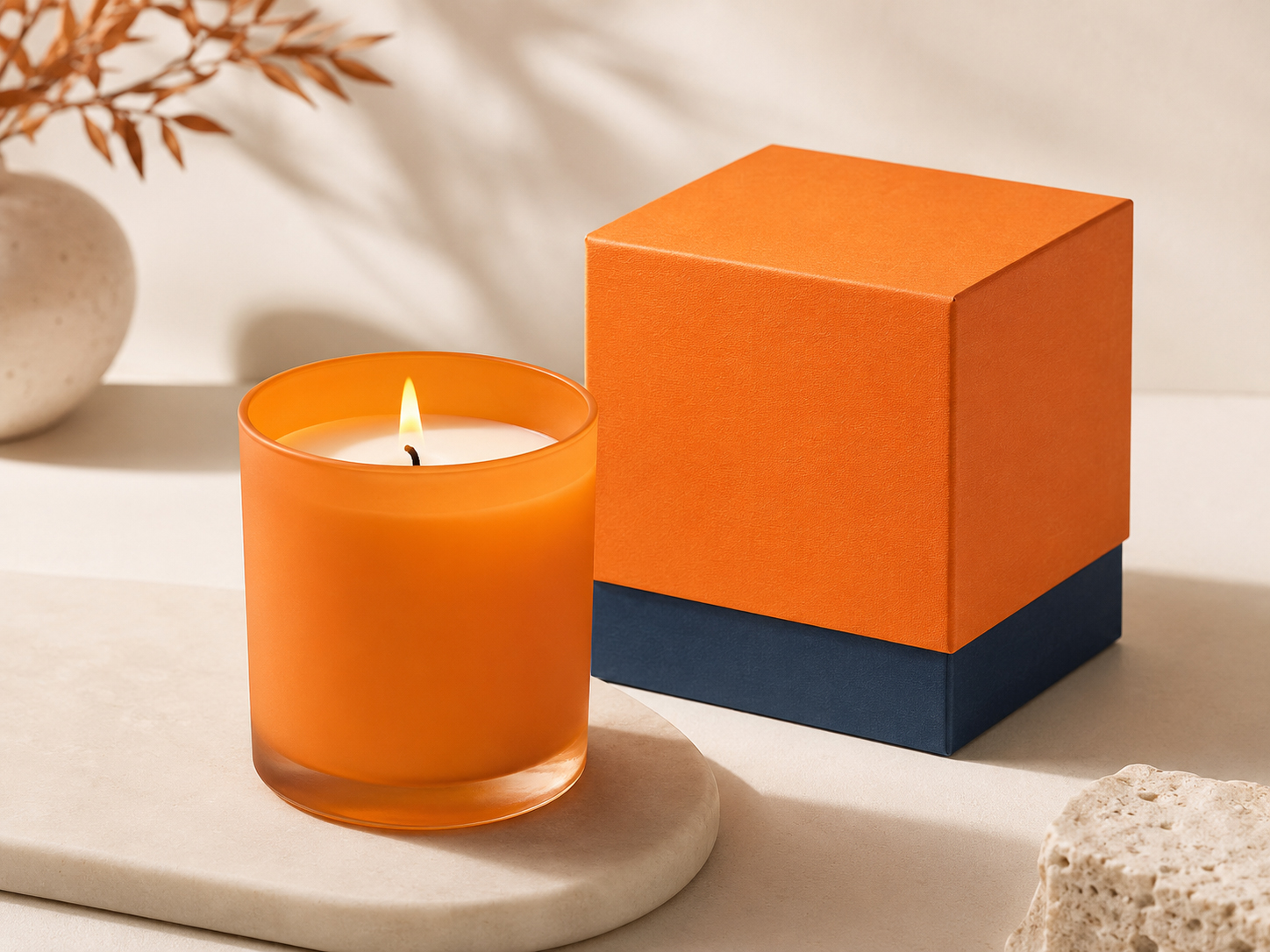
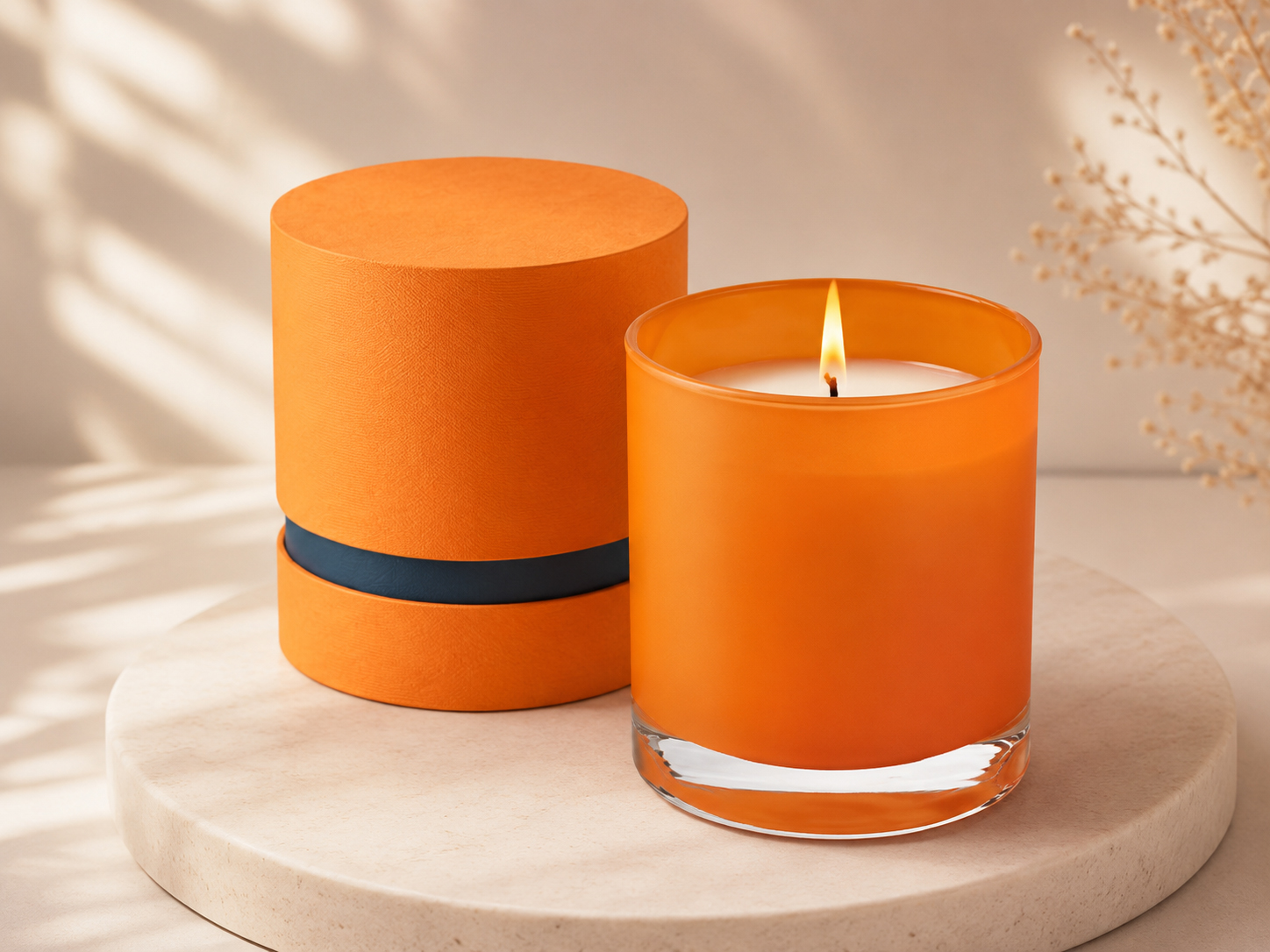
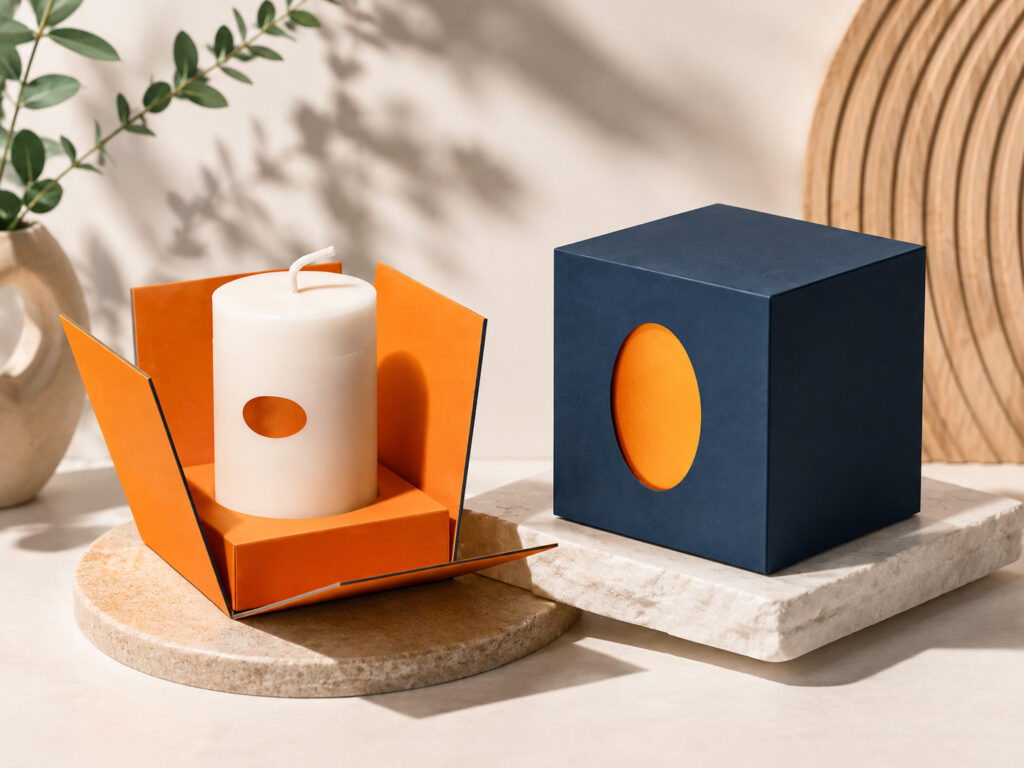
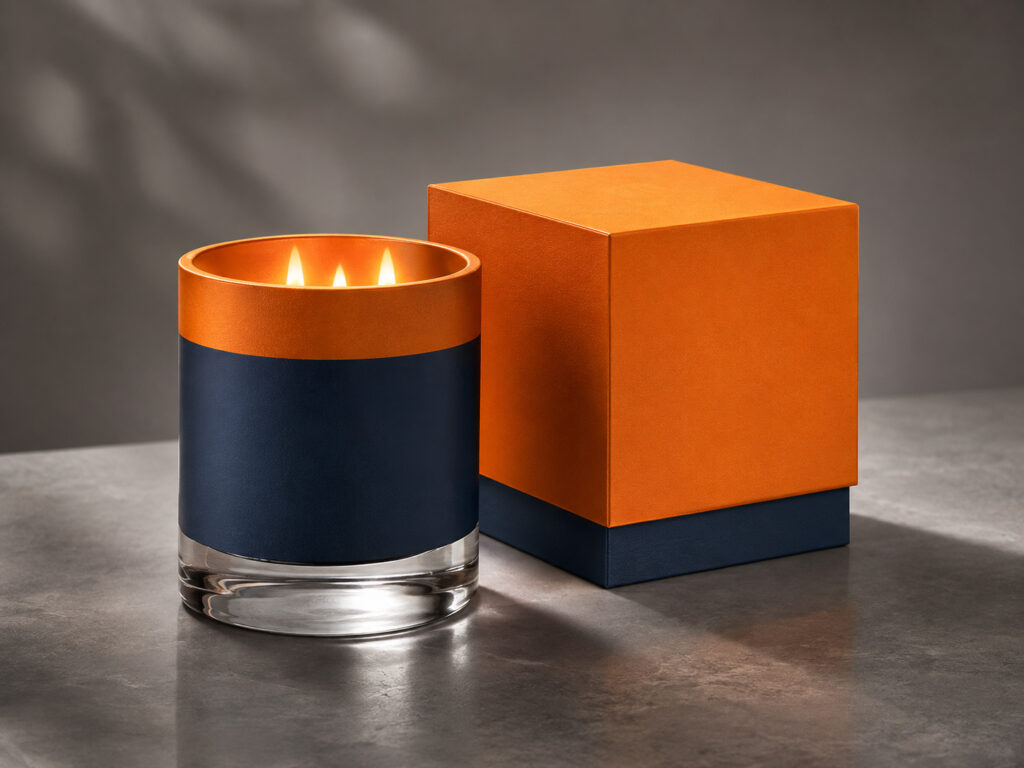
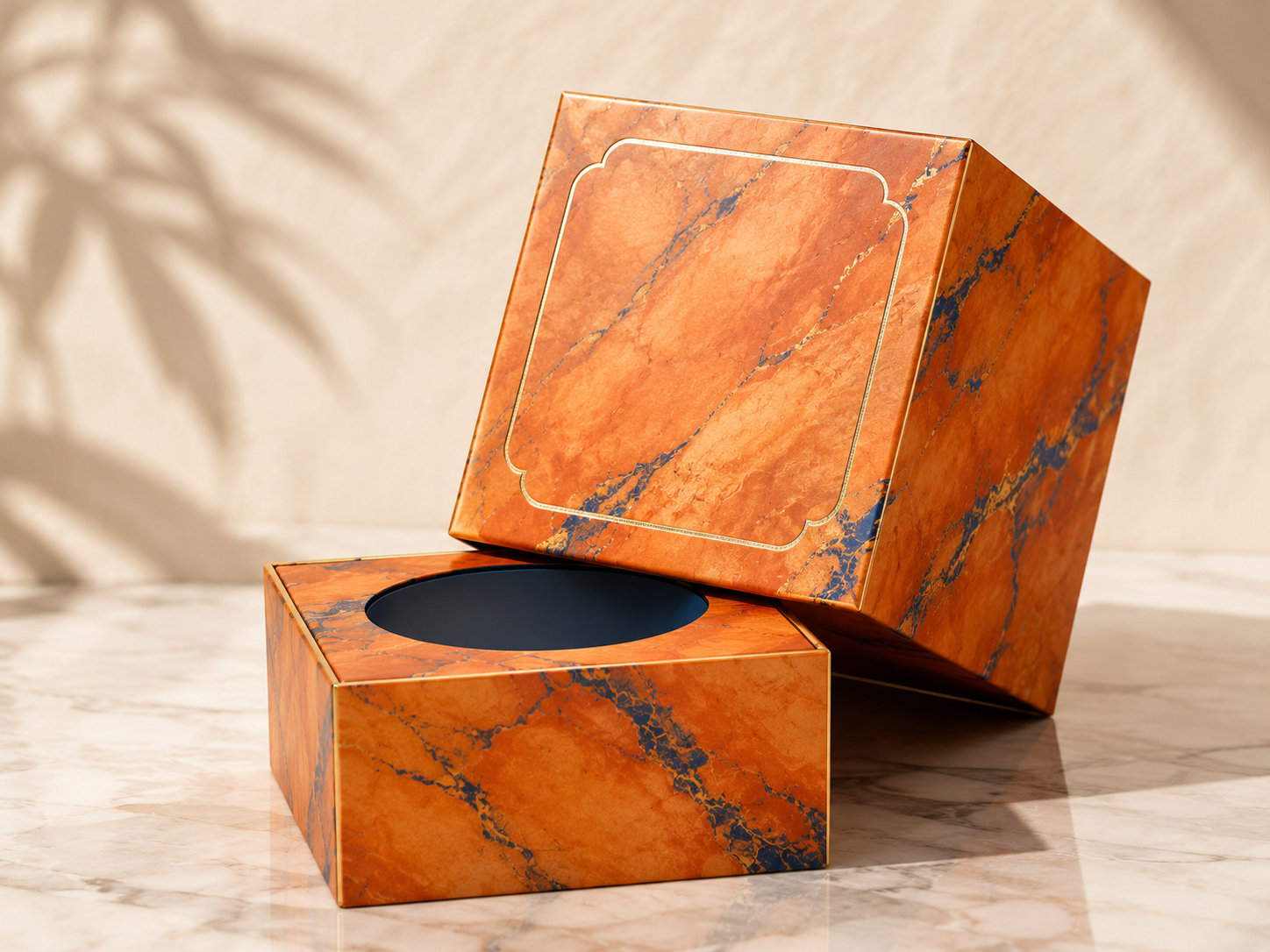
Luxury candle packaging often uses rigid construction, wrapped papers, precise internal fit, and controlled finishing. It may be selected for premium gift sets, hotel collections, limited releases, or candles positioned at a higher retail price. Luxury candle boxes can also use simpler artwork when the structure and material provide enough visual character.
Luxury packaging does not need to include every available finish. A well-proportioned box with accurate fit, clean wrapping, and one carefully selected detail may communicate more than a package crowded with foil, embossing, patterns, and multiple coatings. The presentation should remain consistent with the product inside.
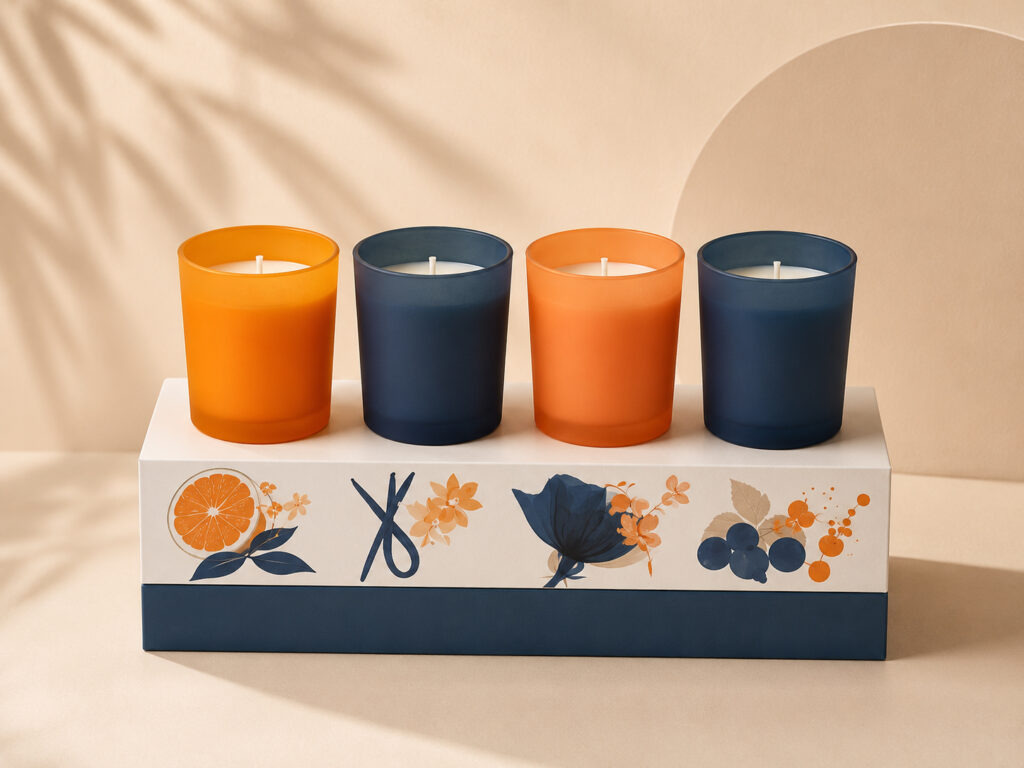
Luxury candle packaging boxes may contain one jar, several fragrances, matches, a wick trimmer, a lid, or another accessory. These sets require an insert that organizes each component and creates a logical opening sequence. The package should also be easy for the packing team to assemble consistently.
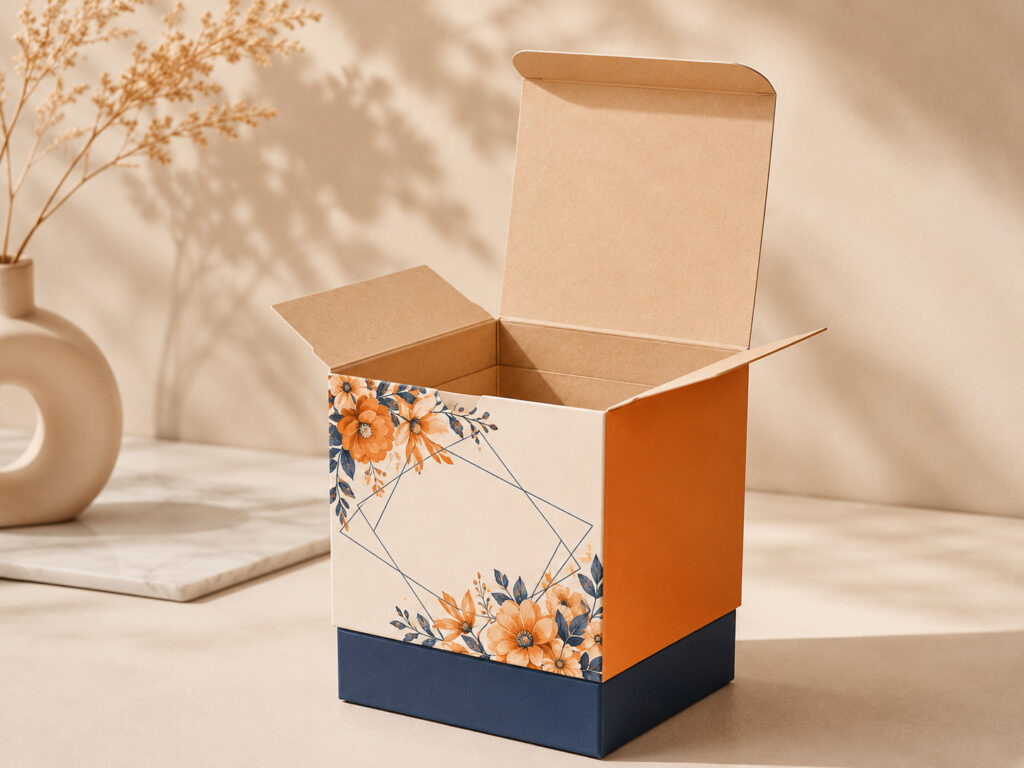
Kraft candle boxes offer a different visual direction. Their natural paper appearance can work for botanical, handmade, minimalist, rustic, or refill-oriented collections. However, kraft should not automatically be presented as proof of an environmentally preferable package. The board source, coatings, inks, adhesives, inserts, and local recovery systems all affect the complete evaluation.
Businesses considering eco-friendly packaging solutions should request specific material information rather than rely on a broad marketing phrase. Relevant questions include whether the paper is certified, whether plastic lamination is used, whether components can be separated, and whether recycled-content documentation is available.
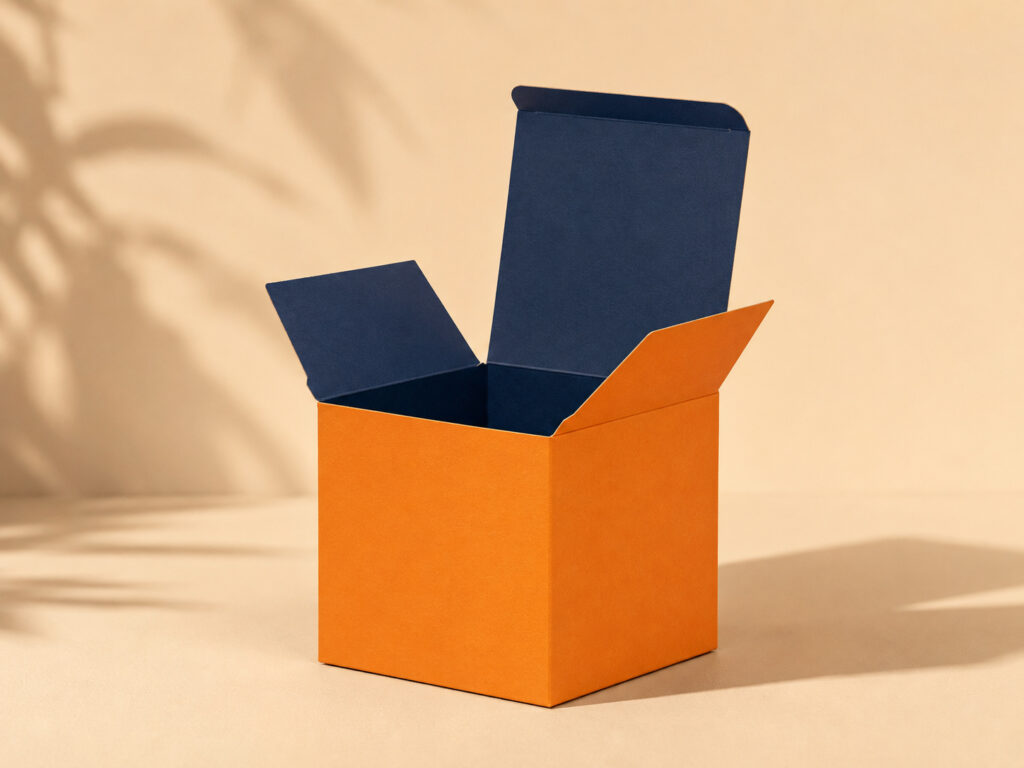
Standard folding retail cartons offer flexible printing and efficient storage. They can support a wide range of candle market positions, from accessible everyday products to premium collections. The same structure can often be used across several scents, with changes to color, artwork, labels, or sleeves.
Unique packaging is most useful when it still performs the essential tasks of holding, identifying, displaying, and transporting the candle. An unusual opening mechanism can add interest, but it should not make the box difficult to assemble, fill, close, stack, or ship.
Candle Shipping Boxes for E-Commerce and Bulk Orders
Candle shipping boxes are different from individual presentation cartons. The retail package communicates the product identity, while the outer shipping package manages the conditions encountered during handling and distribution.
A glass jar sold online may use three packaging levels: a printed retail carton, a fitted insert, and an outer corrugated shipper. Some projects combine the first two levels by using a printed corrugated mailer, but the suitability of that approach depends on the product weight, jar shape, delivery route, and presentation objective.
Corrugated packaging can be custom-designed around product protection, internal movement, shelf space, and shipping density. Additional internal packaging can also be used to reduce shifting.
For custom candle shipping, the supplier should know:
- The weight of each filled jar
- The number of units per parcel or master carton
- Whether the product already has an individual retail box
- The jar material and lid design
- The intended shipping method
- The delivery destination
- The use of dividers or cushioning
- The required exterior printing
- Any planned distribution testing
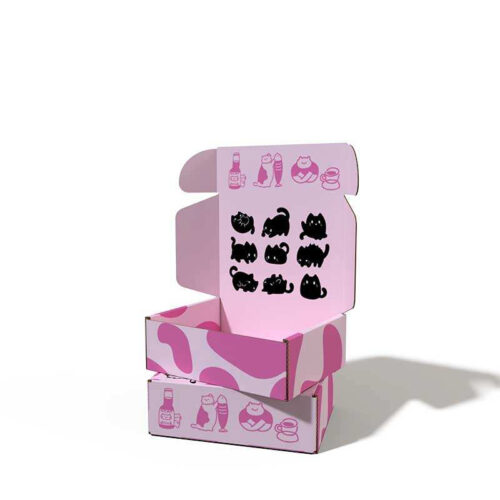
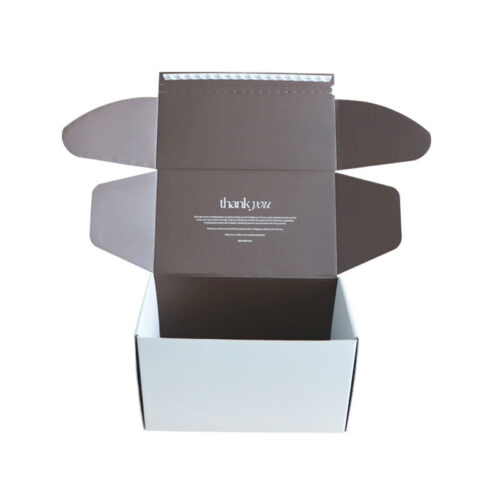
Mailer boxes can work for subscription sets, sample collections, or direct-to-consumer orders. A printed interior can create a branded opening experience without adding a separate presentation box. Heavier jars may require corrugated pads, dividers, corner support, or cushioning around the primary package.
Bulk orders are commonly packed in outer cartons containing multiple finished retail units. The number of boxes per carton should reflect product weight, carton dimensions, manual handling, pallet configuration, and destination. Excessively large cartons can become difficult to move even when the individual products are small.
Pre-shipment testing can provide information about how a packaged product responds to distribution hazards. ISTA notes that testing is used to challenge packaged products against conditions such as shock, vibration, and compression, but the selected procedure must match the intended distribution environment.
No shipping structure should be described as guaranteeing damage-free delivery. Product condition can be affected by carrier handling, packing consistency, jar quality, temperature, route, and many other variables. The purpose of professional packaging development is to identify those risks and create a more appropriate system for the intended use.