Custom Coffee Boxes for Retail, Gifts, and Shipping

Present sealed coffee bags, tasting collections, subscriptions, and gift sets in packaging developed around the actual product. Each project can be tailored by size, structure, board type, insert, printing method, finish, packing process, and delivery route. This gives a coffee business more control over product fit, shelf presentation, shipping protection, and the impression on your customers. A custom box should also be practical for the people who assemble, fill, store, and ship it.

Share the dimensions of the filled bag or container, the quantity, and the intended use. Our team can recommend packaging for your coffee, prepare a dieline, and arrange a structural or printed sample before you place your order. Contact us to discuss a practical starting point.

Custom Coffee Boxes

Packaging Built Around Product Fit

A useful coffee box begins with accurate product measurements. Flat bag dimensions are rarely enough because filled bags develop depth at the gussets and may include a zipper, one-way valve, label, folded seal, or irregular top. The internal space should allow efficient packing without pressing against those features or leaving excessive movement. You can customize the opening direction, internal clearance, and closure around the packing process.

The sales channel also changes the packaging needs. Lightweight retail product boxes may prioritize shelf visibility and quick assembly. A subscription shipment needs a stronger outer structure, while a gift presentation may require dividers, ribbon pulls, or a fitted tray. These decisions keep the contents secure and make the final presentation feel intentional rather than oversized.

A suitable packaging solution balances presentation, protection, material use, packing speed, and shipping cost. A custom packaging plan should also account for storage, fulfillment, and outer-carton dimensions. The secondary carton should support the primary pack rather than replace it.

Explore Coffee Box Styles for Retail and Gift Sets

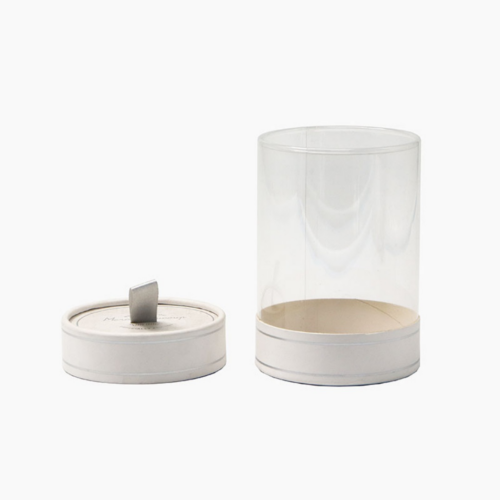
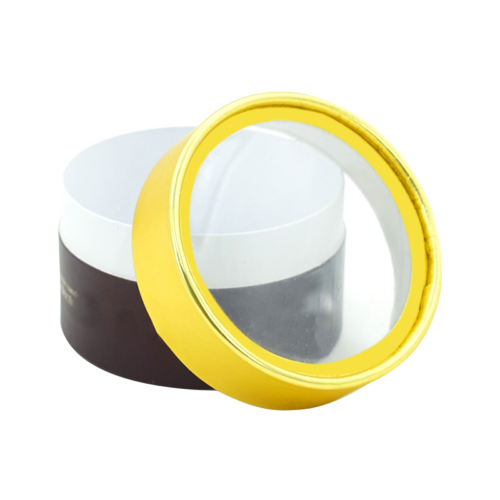
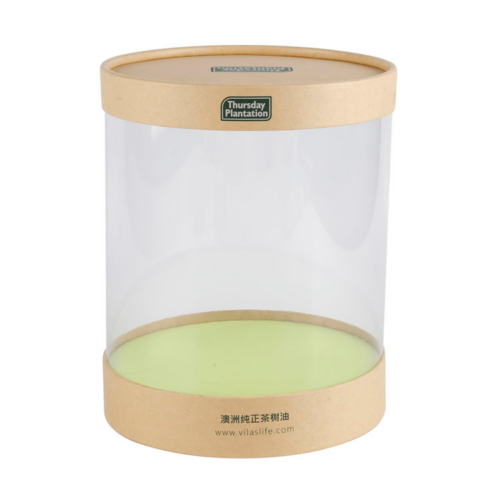
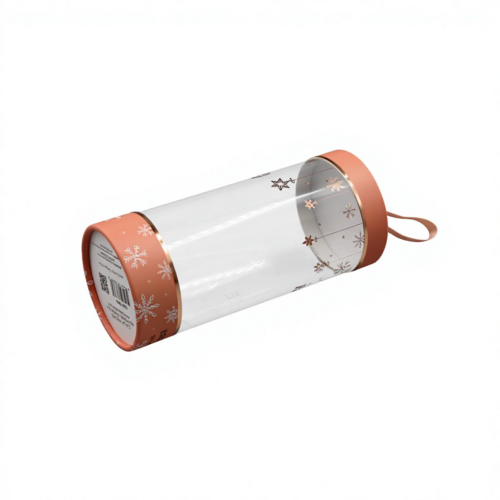
Review the product display below to compare a variety of packaging structures, including cartons, sleeves, presentation formats, shipping structures, inserts, windows, and finishing directions. The examples can help you identify a solution for coffee bags, tasting kits, subscription packs, seasonal collections, and gifts before discussing exact dimensions and artwork. This area can also introduce custom coffee packaging boxes without turning the page into a long product list.

Boxes for Coffee Bags, Subscriptions, and Gifts

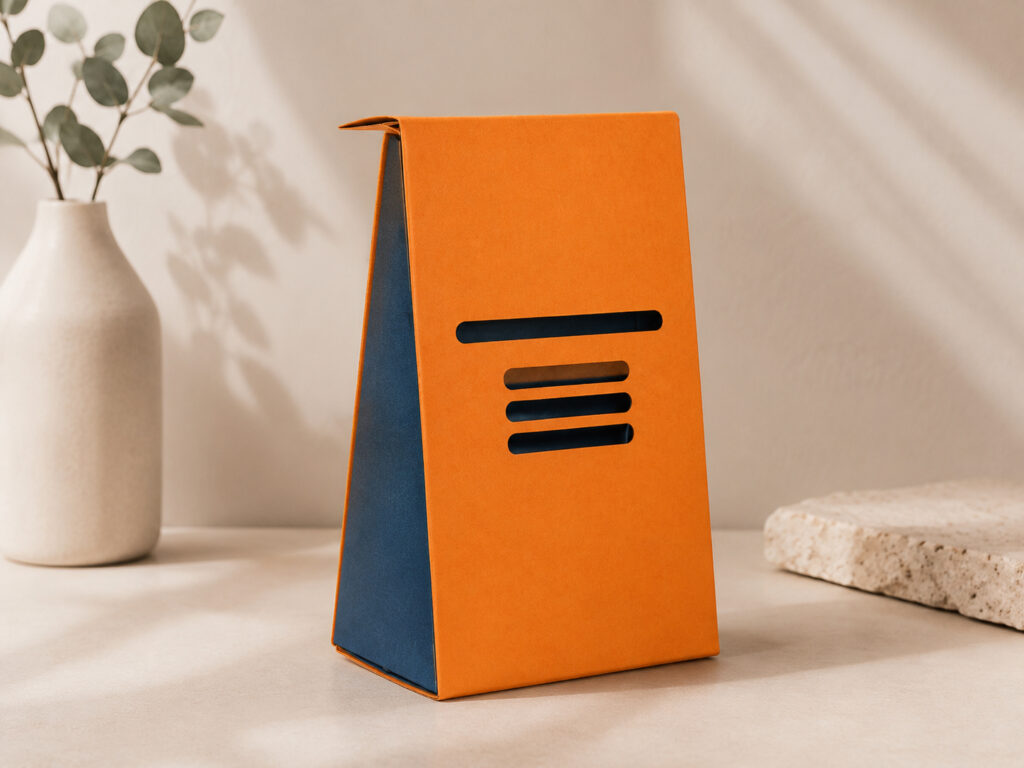
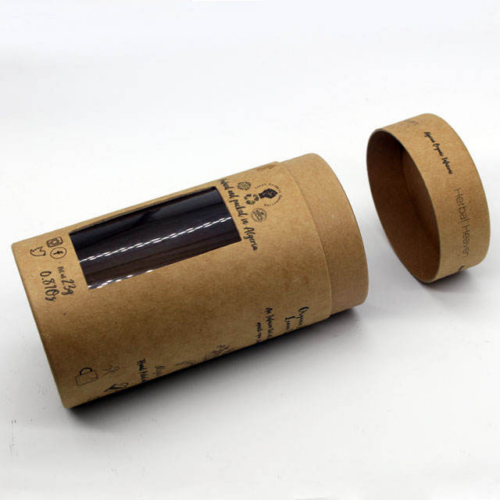
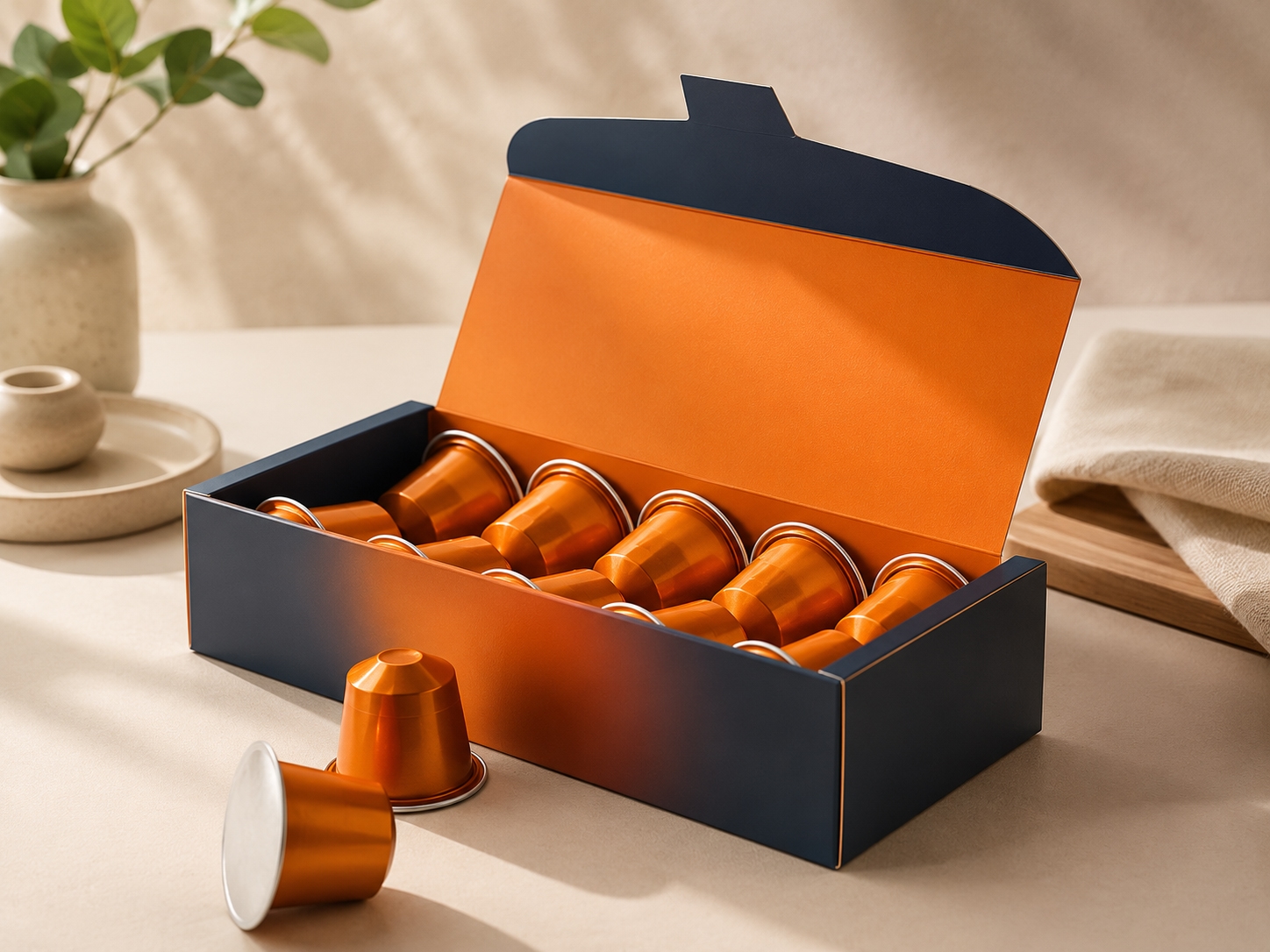
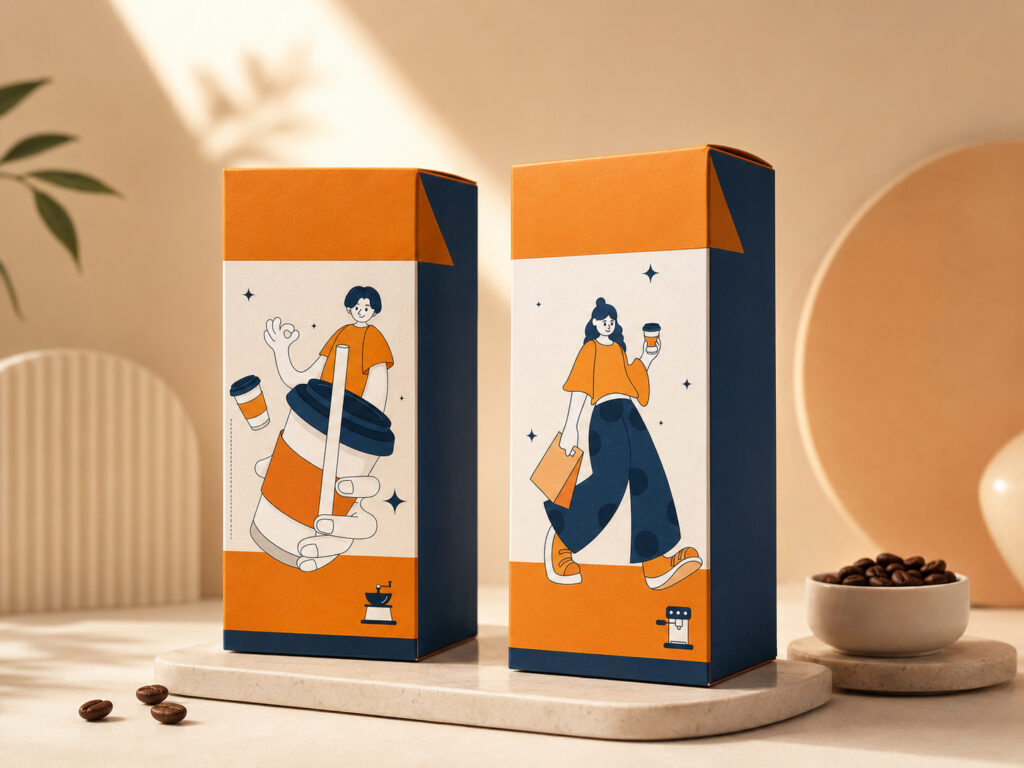
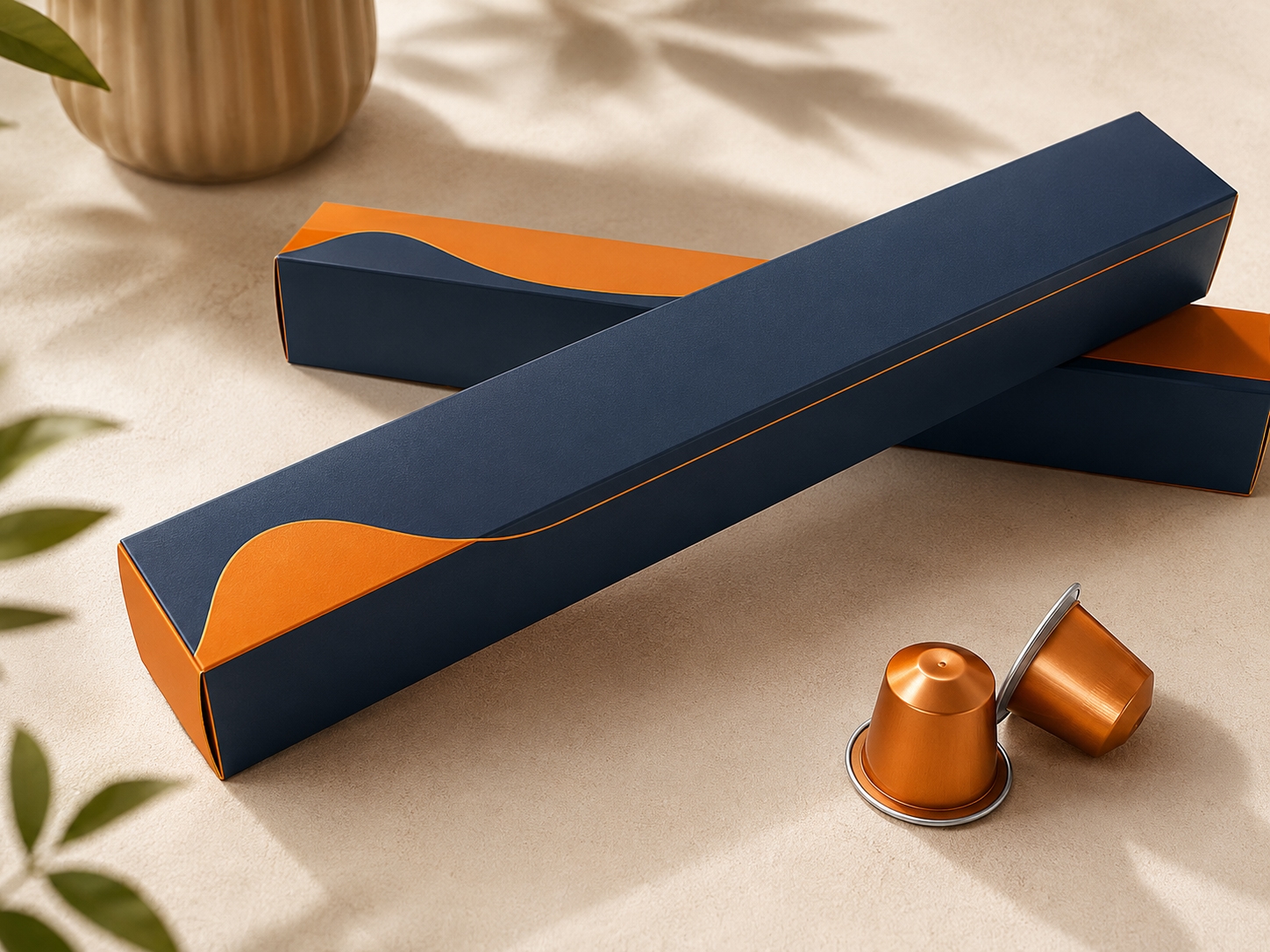
Folding cartons can be developed for single sealed bags, coffee beans in approved primary packs, portion packs, capsules, and compact accessories. Tuck boxes are simple to assemble and offer printable panels for roast information, origin details, brewing notes, barcodes, and brand graphics. Kraft boxes can also suit restrained graphics and natural-looking gift presentations.

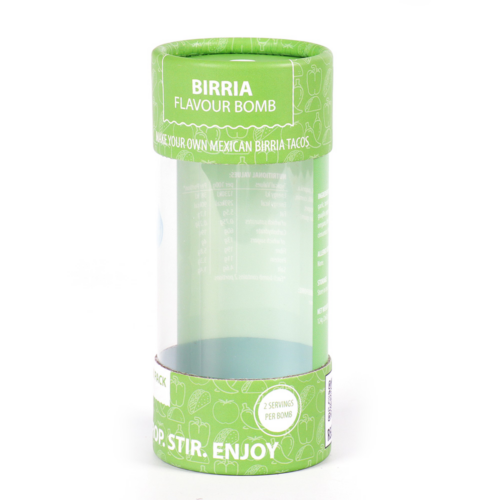
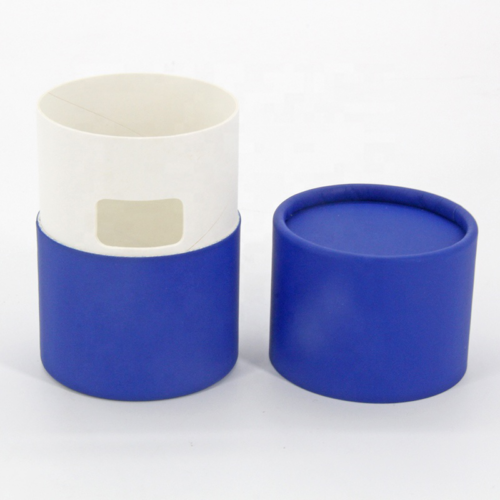
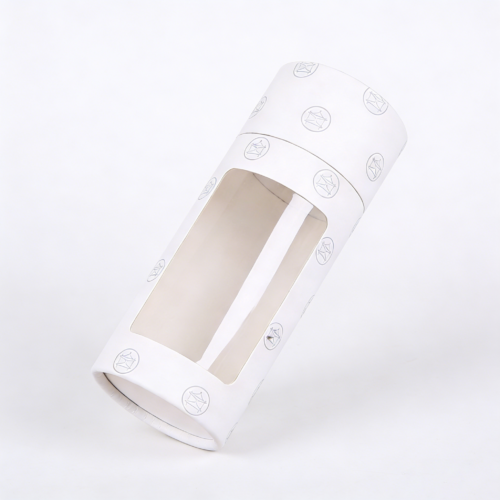
A window can reveal the primary pack when the opening does not weaken the structure, interfere with glue areas, or hide required product information. Window boxes work best when the visible area is planned alongside the artwork and internal product position.

Custom mailer boxes and cardboard boxes are better suited to subscription deliveries, promotional kits, and online orders. Corrugated cardboard adds cushioning space and stacking strength, while internal dividers can separate several items. The corrugate grade should reflect the packed weight, dimensions, fulfillment method, and expected handling.

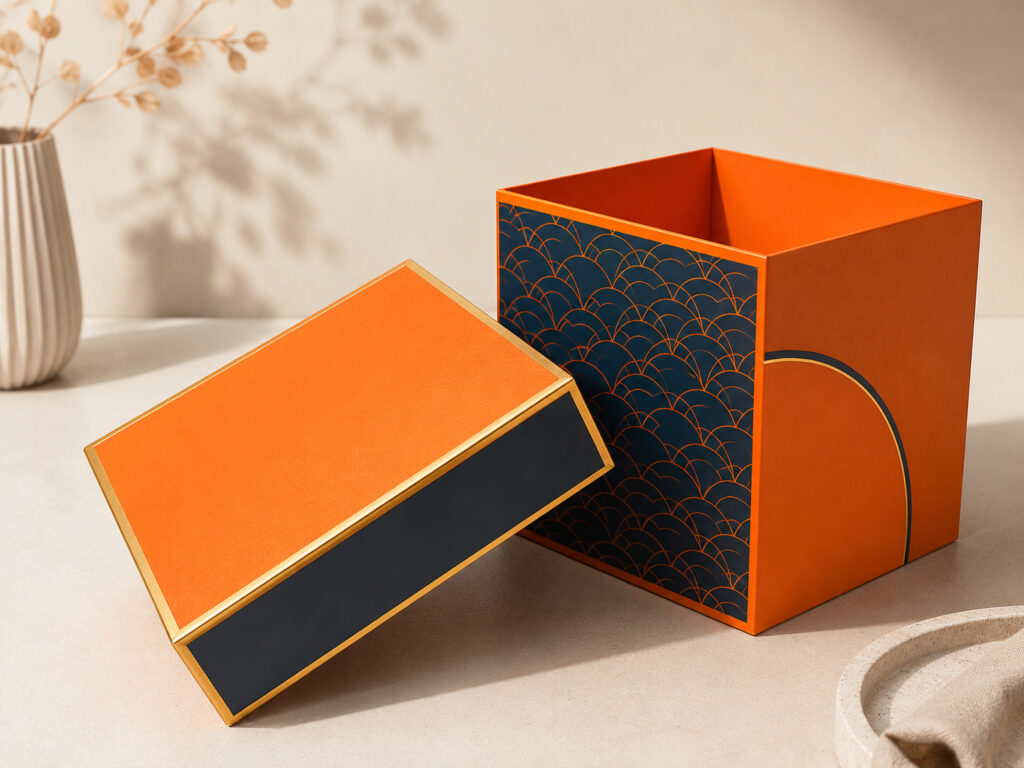
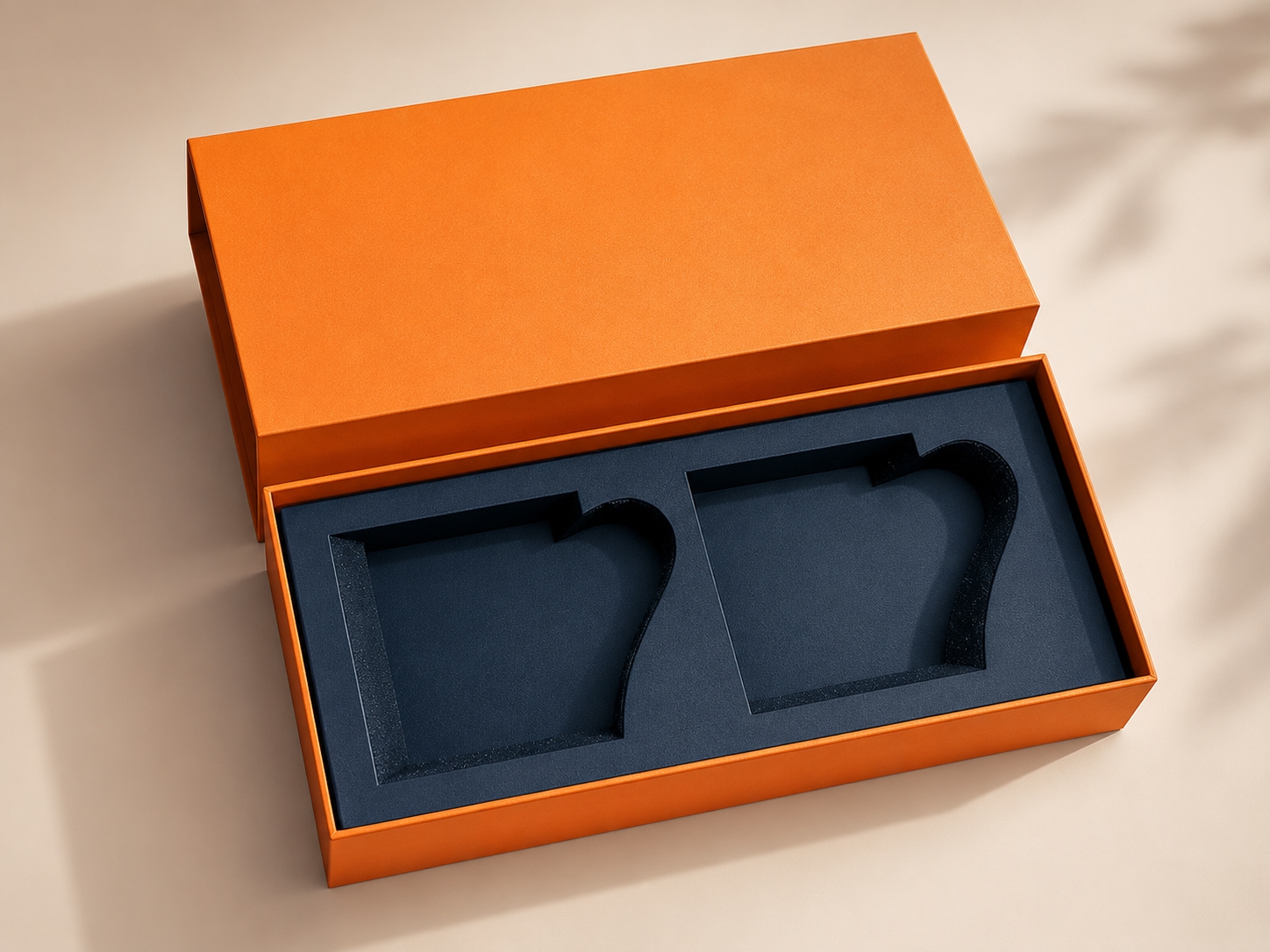
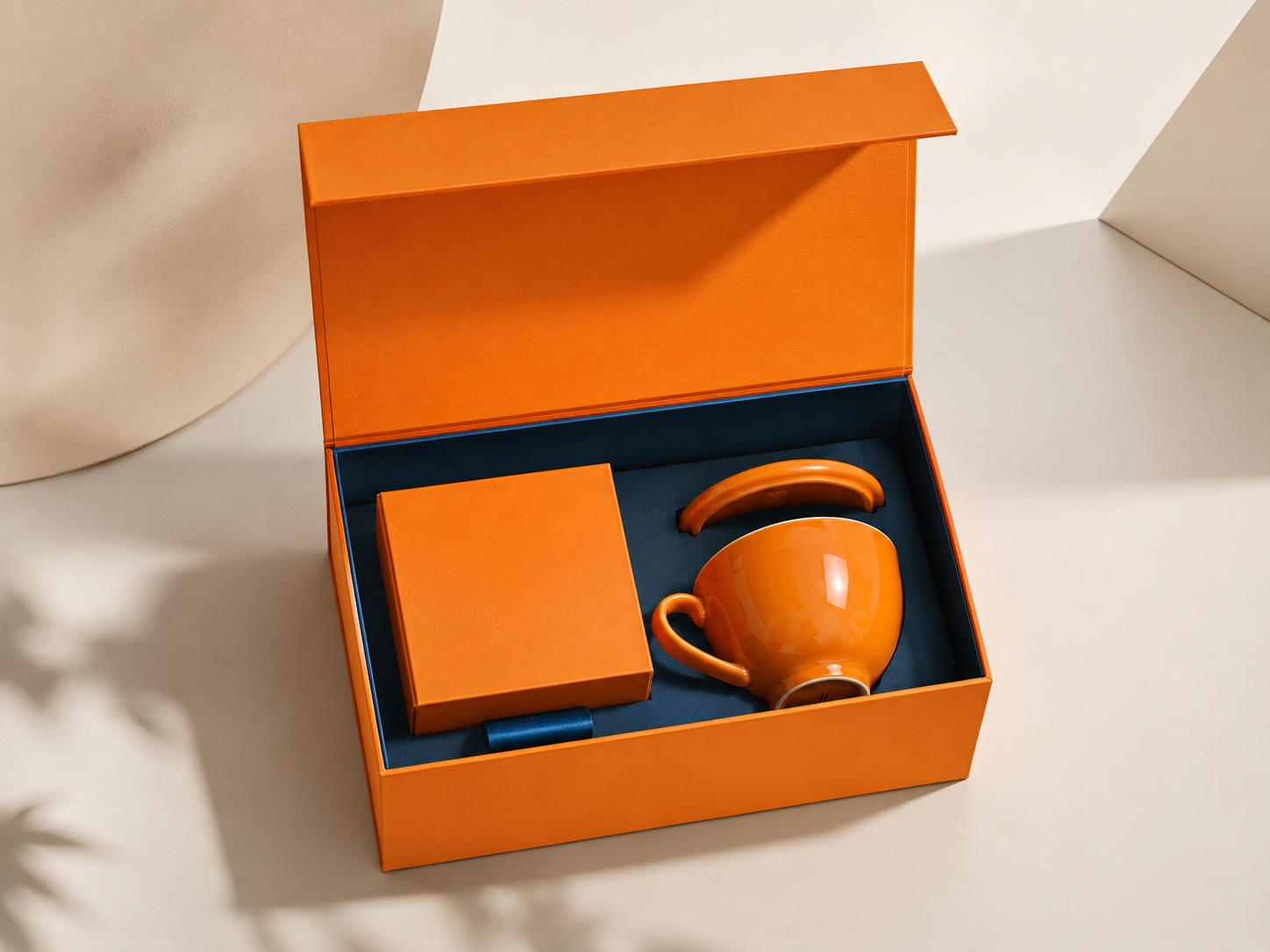
For a higher-value presentation, rigid boxes, drawer structures, and lid-and-base formats can hold coffee, mugs, filters, tasting cards, or accessories in defined positions. A customizable coffee gift set can be arranged for coffee lovers, corporate gifting, launches, or seasonal campaigns. These boxes are perfect for controlled presentation when the structure has been tested with the real contents.

Packaging Materials, Inserts, and Product Protection

Available packaging materials may include coated board, uncoated paperboard, natural brown board, specialty paper, greyboard, and corrugated board. Material thickness should be selected for the packed weight, span of the panels, stacking conditions, insert design, assembly method, and shipping environment.

High-quality construction is more than using a heavier board. Grain direction, scoring depth, folding accuracy, adhesive control, edge wrapping, and panel alignment can all influence how the finished package opens, closes, and performs during handling.

An outer printed carton is normally secondary packaging. It is designed to protect against scuffing, organize the contents, and improve retail presentation, but it does not automatically create an airtight or aroma-preserving barrier. To keep your coffee fresh, use a confirmed primary bag or container with the required sealing and barrier properties. Research into roasted and ground coffee packaging also treats oxygen uptake and package barrier performance as important shelf-life variables.

Inserts can be made from folded board, corrugated partitions, molded fiber, foam, or formed plastic where appropriate. The best choice depends on product weight, removal experience, presentation, recyclability goals, and budget. Each insert should support the primary packs while keeping the opening experience easy. Materials that keep individual items separated can also reduce movement during fulfillment.

Printing and Finishing Options for a Distinct Coffee Brand

Custom printed coffee boxes can carry logos, product names, roast profiles, origin stories, preparation guidance, regulatory text, barcodes, and campaign graphics. Full color printing suits detailed artwork and photography, while spot colors can support more controlled brand matching.

The design should keep small text, barcodes, and critical graphics within safe production areas. Important information should not sit directly across folds, cut lines, glue flaps, or areas covered by inserts.

Finishing options may include matte or gloss lamination, foil stamping, spot UV, emboss, deboss, textured stocks, and printed interiors. These customization options should have a clear job. A gloss area can emphasize photography, spot UV can highlight a logo, and emboss can introduce tactile depth without covering the entire surface.

The way a box looks should remain consistent with its retail purpose. A restrained finish may suit an everyday product, while a more detailed surface treatment may support a limited release, tasting collection, or gifting program. Finishes should also be checked for rubbing, cracking, registration tolerance, and compatibility with the selected substrate.

Eco-friendly language requires the same care as structural claims. Broad, unqualified environmental claims should be replaced with specific information, such as the named material, verified recycled-content percentage, coating choice, certification status, or disposal limitation. The FTC advises marketers to qualify broad environmental claims and substantiate specific benefits rather than relying on vague ā€œgreenā€ language.

Custom Coffee Boxes
Custom Coffee Boxes
Custom Coffee Boxes
Custom Coffee Boxes
Custom Tea Boxes
Custom Coffee Boxes

From Dieline to Sample: Packaging Development

Development starts with the product type, filled dimensions, required internal size, quantity, delivery destination, and intended sales channel. The team then reviews the preferred structure, substrate, opening method, insert, artwork, and finishes. This creates a unique custom specification rather than a generic size adjustment.

The dieline is checked for panel dimensions, glue areas, folds, bleed, safe zones, barcodes, image resolution, and separate finishing layers. Artwork assistance can also identify graphics that cross a score line, foil that sits too close to an edge, or text that may become difficult to read after assembly.

A plain sample box is useful for checking fit, opening action, assembly, and product removal. A printed sample is more appropriate when you need to judge color, texture, foil, or the overall box looks. You can order a sample before approval, then create custom production files from the confirmed structure.

Sampling is particularly useful for flexible coffee bags because their dimensions can change after filling. Placing the real bag inside the prototype allows the team to check the valve position, folded top, gusset depth, removal clearance, and visual alignment.

Once the sample is approved, the material, print file, finishes, insert, packing method, quantity, and shipping marks should be recorded in the production specification. This gives both sides a clearer reference for manufacturing and inspection.

Quality Control and Production Review

Quality control should follow the approved sample and confirmed specification. Typical checks include internal dimensions, board thickness, print registration, color consistency, cutting accuracy, finish position, adhesive marks, wrapped edges, opening action, insert fit, and outer-carton packing.

The quality of the boxes also depends on what happens before production. Artwork review, material confirmation, sample approval, and packing instructions reduce avoidable changes later. For complex sets, physical products should be placed into the prototype so the team can confirm spacing, orientation, removal, and presentation.

Color expectations should be agreed before mass production. CMYK results may vary across coated, uncoated, brown, and textured surfaces, while spot colors can also look different depending on ink coverage and substrate tone. A printed proof provides a more useful reference than judging color from a computer monitor alone.

Assembly should be reviewed for glue marks, visible gaps, lifting corners, uneven wrapping, scratched surfaces, and incorrectly positioned inserts. The opening and closing action should also be checked when the structure includes drawers, magnets, sleeves, ribbons, or fitted lids.

Before shipment, the order can be reviewed for quantity, visible workmanship, carton labels, shipping marks, and packing condition. Free design support or other company services should only be stated when they are genuinely included in the quotation.


Coffee Boxes Wholesale: MOQ, Samples, and Turnaround

Wholesale pricing depends on dimensions, construction, material, print coverage, finishes, insert requirements, assembly, and order quantity. The custom boxes you order should be compared using the same specification. A lower unit price may reflect a thinner material, simpler finish, different insert, reduced print coverage, or less assembly.

MOQ varies by production method and setup. A folding carton, an assembled gift structure, and a corrugated shipping format may each have different minimum quantities. Buyers can order in bulk after the dieline, artwork, material, sample, and packing method are approved.

Production timing includes sample development, artwork confirmation, material preparation, printing, finishing, assembly, inspection, and packing. The standard turnaround time and number of business days should be confirmed for the actual project. Fast turnaround or an expedite request may be possible in some schedules, but it should not be promised before capacity and material availability are checked.

For accurate pricing, provide:

  • Filled product dimensions and weight
  • Preferred structure and material
  • Printing colors and finishing requirements
  • Insert, divider, or window requirements
  • Estimated order quantity
  • Artwork status
  • Delivery destination
  • Target delivery date
  • Sampling requirements

Contact us today with these details to request a quote or receive a free quote based on a confirmed specification.

Custom Coffee Box FAQs

Common choices include folding cartons, sleeves, drawer formats, lid-and-base presentations, shipping cartons, and gift structures. Gift boxes usually need more assembly and insert planning than simple retail cartons. The right format depends on product weight, filled dimensions, retail display, fulfillment, and budget. Different coffee products may require different internal clearances.

Yes. The box can be sized around a sealed valve bag, but the measurements should come from the filled product. The gusset, zipper, folded seal, valve position, label, and natural expansion all affect the required clearance. Sending a physical bag or realistic filled prototype often improves sizing accuracy.

No. The outer box supports handling, organization, presentation, and branding, while the sealed primary bag or container provides the main moisture, oxygen, and aroma barrier. Keep the coffee inside its approved inner pack and treat the outer carton as secondary protection.

Yes. This material can suit natural-looking sleeves, cartons, and shipping structures. Because a brown surface changes how pale inks, fine details, and photographs appear, a printed proof or production sample is helpful when color accuracy matters. Recycled-content or recyclability claims should only be stated when verified.

Yes. Inserts can hold bags, cups, filters, spoons, sample tubes, or printed cards in fixed positions. Folded board and corrugated inserts are common, while molded fiber or other materials may suit specific shapes. Test the insert with the actual contents before approving production.

Yes. A die-cut window can display the inner bag or a selected part of the gift set. The opening must be positioned so it does not weaken the panel, interfere with glue areas, or hide required information. Film choice and local recycling conditions should also be considered.Yes. A die-cut window can display the inner bag or a selected part of the gift set. The opening must be positioned so it does not weaken the panel, interfere with glue areas, or hide required information. Film choice and local recycling conditions should also be considered.

Projects may use process printing, spot colors, foil, lamination, selective coating, raised or recessed details, and specialty papers. Availability depends on the substrate, artwork, quantity, and required result. A production sample is recommended for color-critical or finish-heavy designs.

Provide the filled product size, box dimensions if known, structure, board preference, graphics, finishes, insert requirements, quantity, destination, target date, and artwork status. The supplier can then identify tooling, assembly, sampling, packing, and freight factors that influence the price.

Yes. A plain prototype checks fit and construction, while a printed prototype helps assess graphics, color, materials, and finishes. Sample type, cost, and timing depend on how closely it needs to match mass production. Approval should be documented before manufacturing begins.

MOQ depends on material purchasing, printing setup, tooling, finishing, assembly, and the selected structure. A simple carton may have a different threshold from an assembled presentation box. Confirm the quantity after the final specification has been reviewed.

The timeline depends on sampling, artwork approval, material availability, printing, finishes, quantity, assembly, inspection, packing, and shipping. Ask for the estimated production and delivery schedule in business days once all specifications are confirmed.

Boxes help by presenting consistent graphics, organizing information, controlling the opening experience, and keeping multi-item sets arranged. A high-quality custom coffee presentation can elevate your brand when the structure, artwork, and materials support a clear retail purpose rather than relying on decorative effects alone.

Request a Custom Coffee Packaging Quote

Start your packaging journey by sharing the filled product dimensions, preferred structure, estimated quantity, printing requirements, insert needs, artwork status, delivery destination, and target date. This information lets the team review product fit, recommend an adaptable solution, and prepare a project-specific quotation or sampling plan.

CTA