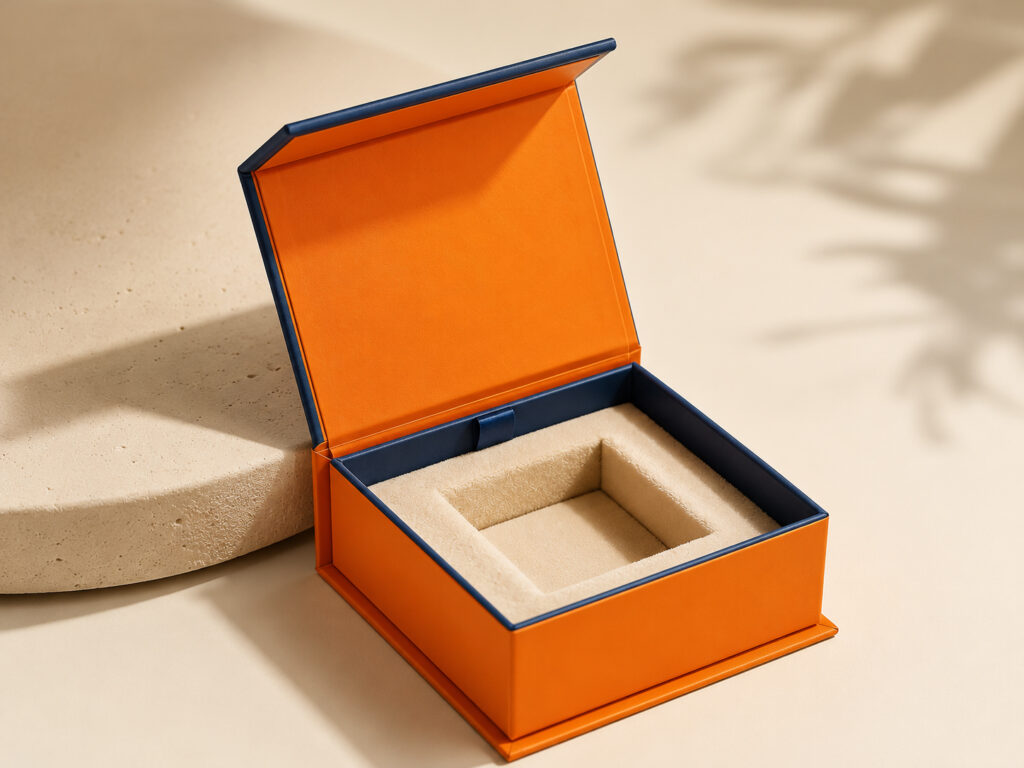
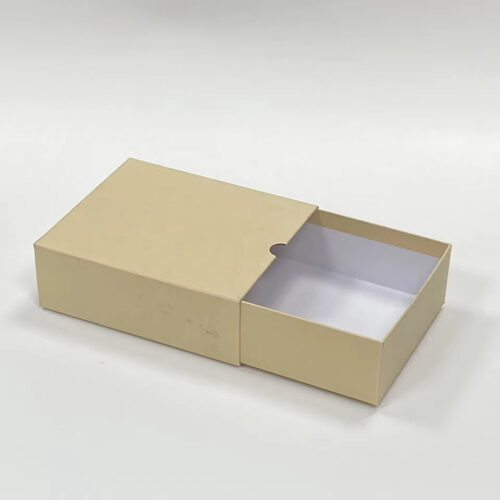
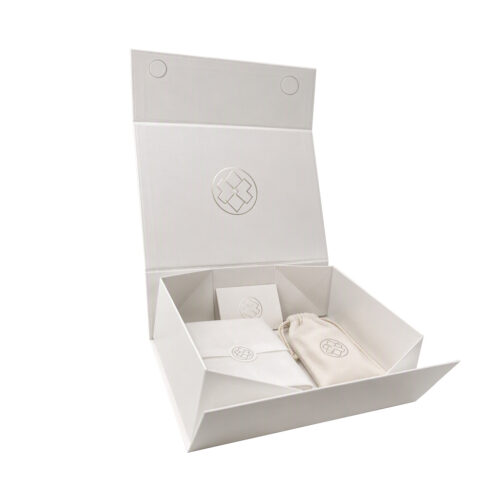
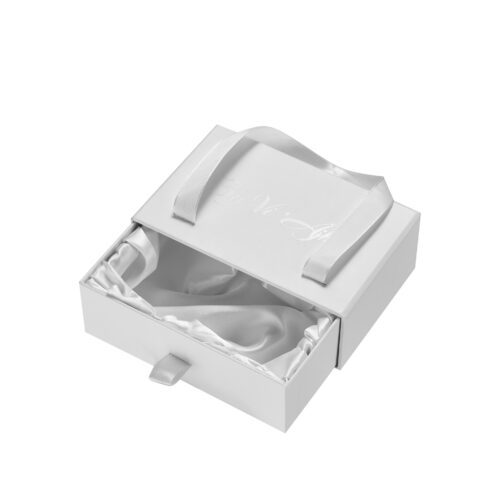
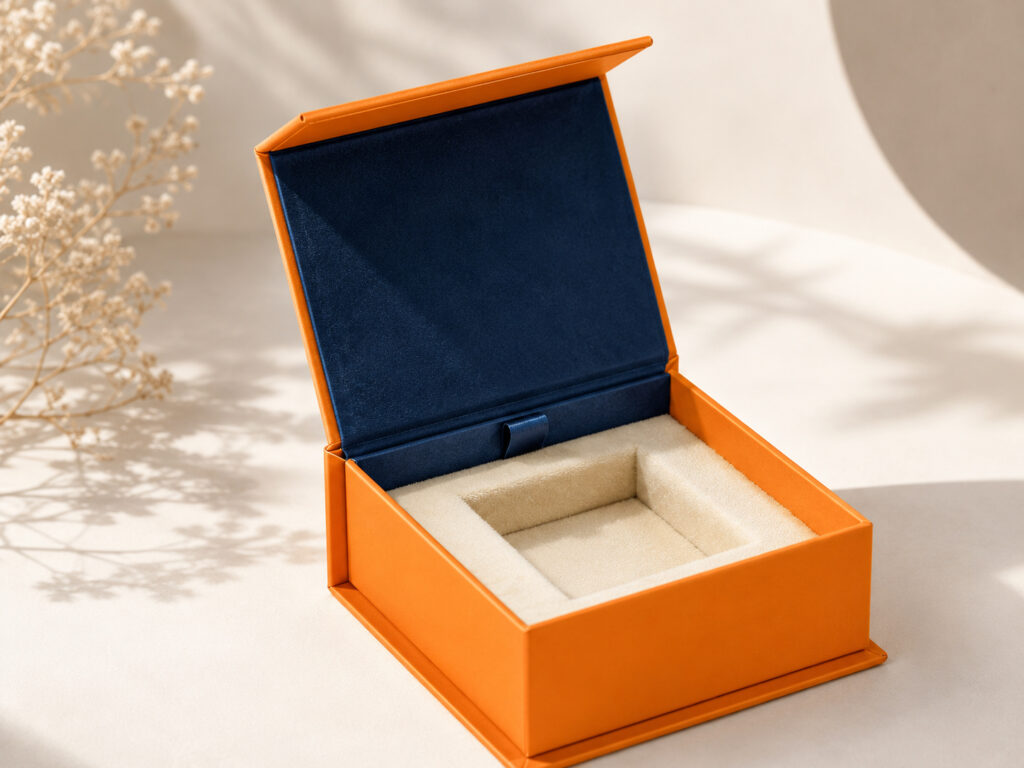
Personalized Jewelry Boxes with Custom Logo Packaging

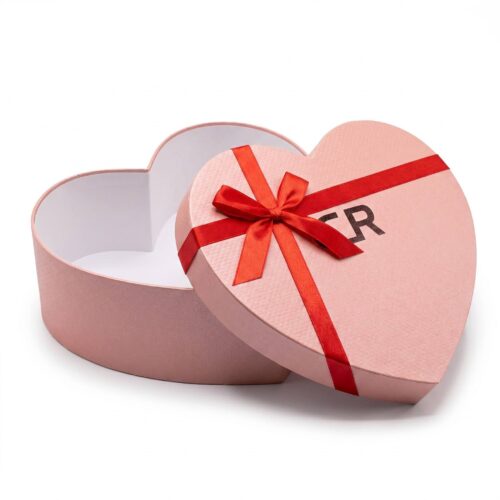
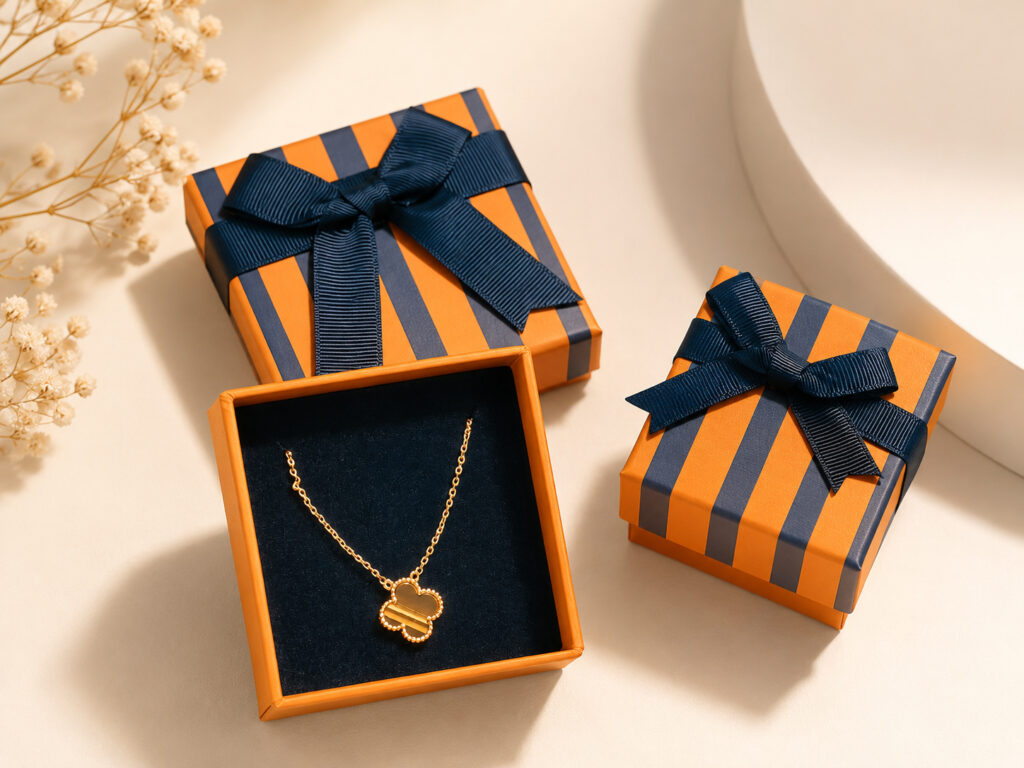
Create jewelry packaging that fits your products, protects delicate surfaces, and keeps your brand presentation consistent. Personalized jewelry boxes can be developed for rings, earrings, necklaces, bracelets, bangles, watches, and coordinated jewelry sets. Choose the dimensions, box structure, insert, surface material, colors, and logo finish based on how your products will be displayed, gifted, shipped, or sold online. Submit your packaging requirements to request a quotation or physical sample.

Custom Jewelry Boxes

Custom Jewelry Box Packaging for Every Jewelry Type

A custom jewelry box should be developed around the size, shape, weight, and presentation position of the product inside. Ring boxes usually require a compact insert with a secure slot, while a necklace box needs enough length to control the chain and position the pendant. Bracelets, bangles, earrings, watches, and jewelry sets each create different structural and insert requirements.

The outer box also needs to support the way the product reaches the customer. A jewelry store may prioritize an attractive counter display and a smooth opening experience. Online jewelry sellers may need a smaller format that fits efficiently inside protective shipping cartons. Jewelry gift boxes may place more emphasis on presentation, interior color, and coordinated accessories.

Instead of using one box style for an entire product line, buyers can adjust the dimensions and insert while keeping common colors, papers, and logo treatments. This creates coordinated packaging without forcing different jewelry pieces into poorly fitted interiors.

Explore Personalized Jewelry Box Styles

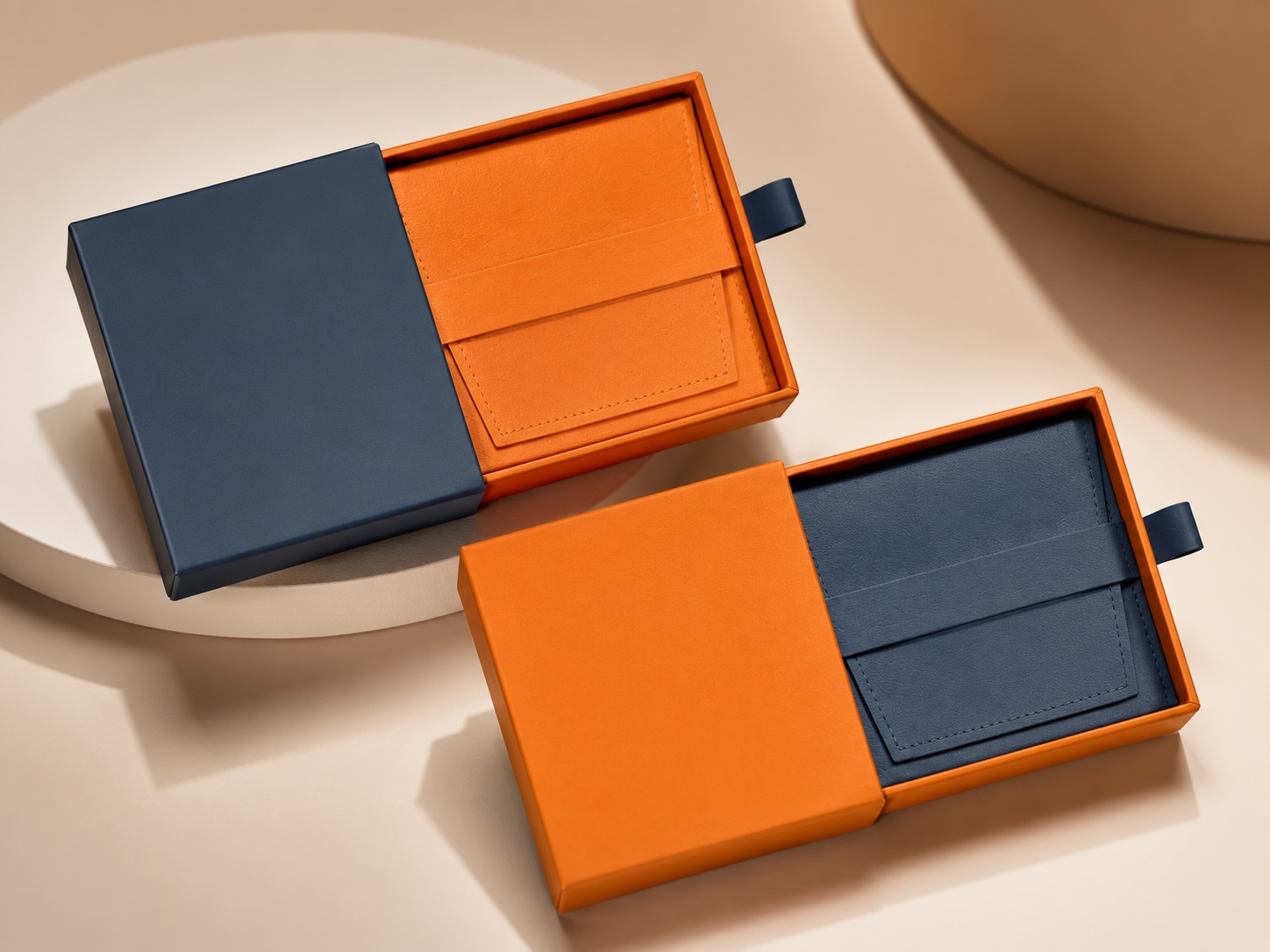
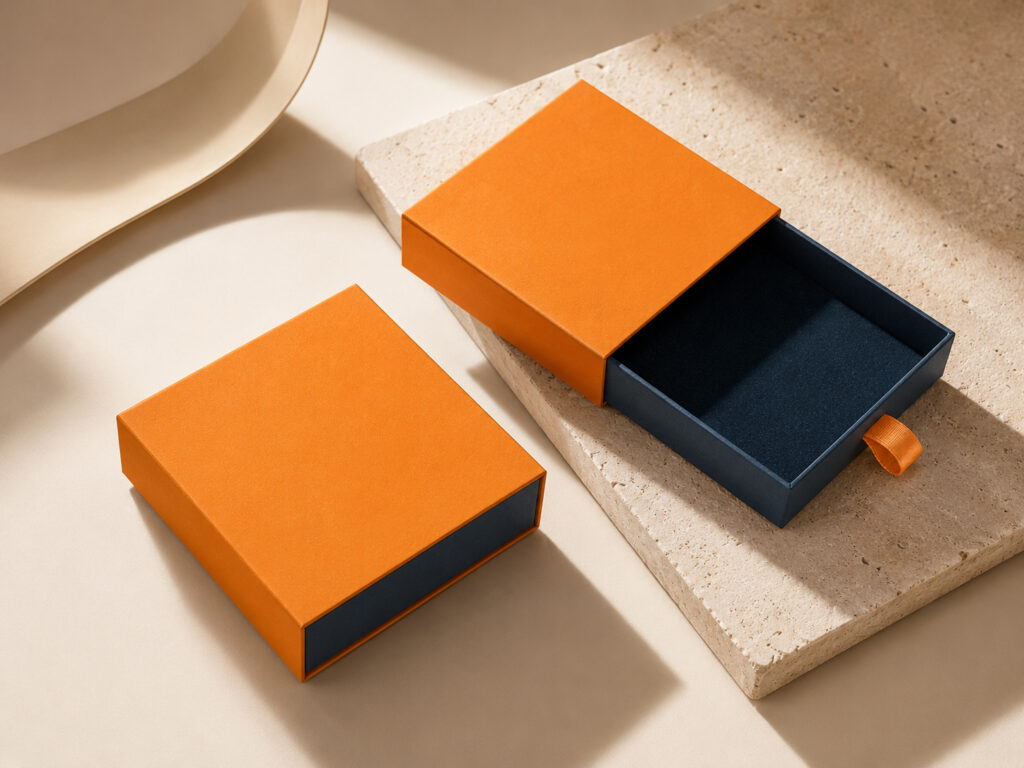
Compare jewelry box styles based on the jewelry type, preferred opening structure, insert design, branding area, and intended sales channel. Use this section to review suitable options before selecting the products you would like to customize or include in your quotation.

How to Choose the Right Jewelry Box for Each Product

The right jewelry box is the one that holds the item securely, presents it in the intended position, and provides enough clearance around stones, chains, clasps, and metal surfaces. Buyers should confirm the product dimensions and display orientation before approving the box structure or insert.

Packaging for rings can be compact, but the smallest possible box is not always the most practical choice. The product still needs sufficient clearance, especially when a ring has a raised stone or detailed setting.

Necklace boxes should keep the chain from gathering beneath the pendant. Bracelet boxes and bangle boxes need enough width to prevent pressure against the edges. Watch boxes normally require a stronger insert because the product is heavier and may move during handling.

Jewelry Box Materials and Inserts for Product Protection

Jewelry box materials should be selected according to product weight, presentation level, printing requirements, and shipping conditions. A rigid box offers a firm structure and defined opening experience. Folding paperboard can provide a lighter alternative, while faux leather may suit traditional jewelry presentation. A pouch can also be used alone or as part of a larger gift box.

The insert has a direct effect on both product security and appearance. Jewelry boxes with inserts may use covered foam, card, molded pulp, cotton, fabric pads, or die-cut holders. A box with cotton can work for lightweight items, but products with a specific display position usually need a more accurately fitted insert.

The insert should hold the product without pressing against delicate stones, plated surfaces, clasps, or chains. It should also be tested inside the actual box rather than approved from dimensions alone. A structural sample helps confirm whether the jewelry remains centered when the box is opened, moved, or packed into an outer carton.

Custom Jewelry Boxes with Logo, Colors, and Finishes

Custom jewelry boxes with logo can be developed with coordinated exterior colors, interior materials, printed artwork, and decorative finishes. The branding method should suit the selected surface rather than being chosen separately from the box material.

Hot stamp is often used for a clean metallic logo, while screen, offset, or digital printing may support different artwork requirements. Embossing and debossing can add texture without introducing another printed color. The suitable method depends on the logo detail, material texture, production quantity, and desired visual effect.

Logo printing also needs the correct scale and position. A mark that looks balanced on a design screen may appear too small on a large lid or too crowded on small jewelry boxes. Confirm the logo placement on the dieline and, where possible, review it on a printed sample.

Custom colors can be specified using Pantone references, printed samples, or physical material swatches. Because coated paper, uncoated paper, fabric, and faux leather reflect color differently, the selected color should be approved on the intended material.

Custom Jewelry Boxes

Jewelry Packaging for Retail, Gifts, Online Orders, and Wholesale

Jewelry packaging should match the sales channel instead of relying on the same structure for every order. Retail packaging must present the product clearly and remain consistent across a display. A jewelry gift box may emphasize the opening experience, while online jewelry packaging needs to work efficiently with protective mailers or shipping cartons.

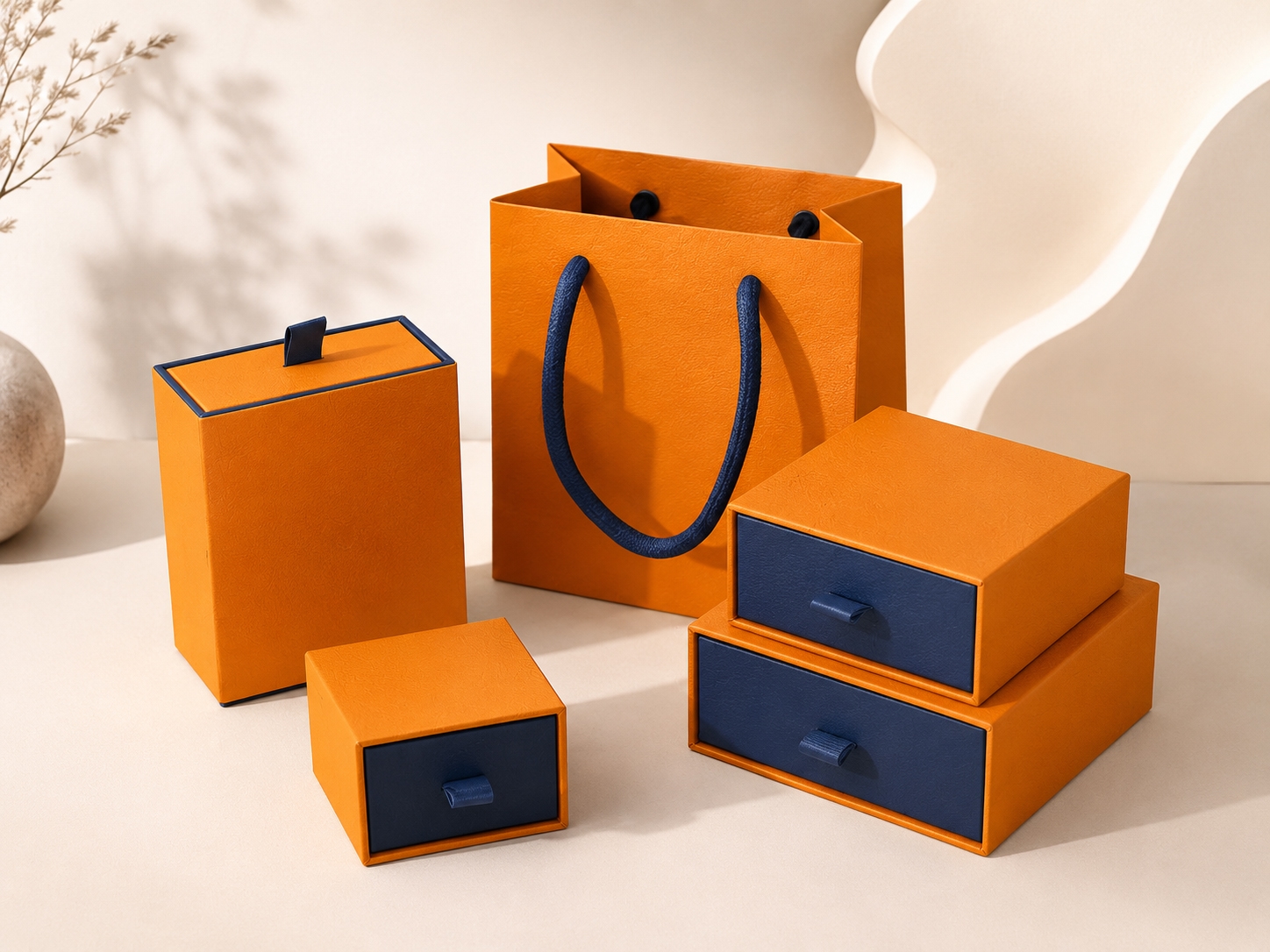
Jewelry retailers can coordinate the main jewelry box with shopping bags, sleeves, care cards, ribbons, and pouches. Using shared papers and logo finishes across these items helps create packaging that feels connected without making every component identical.

For wholesale jewelry boxes, buyers may reduce unnecessary complexity by using a limited number of outer structures with different inserts. This approach can support rings, earrings, necklaces, and bracelets while keeping the overall packaging system recognizable.

Businesses comparing jewelry boxes wholesale should review more than the unit price. Box dimensions, insert accuracy, surface durability, packing method, sample approval, and production consistency all affect the final result. Buyers searching for luxury jewelry boxes wholesale should also confirm which finishes are practical at their required quantity.

Jewelry Box Samples, Quantities, and Production Planning

An accurate jewelry box quotation requires clear specifications. Provide the jewelry type, exact product dimensions, preferred box style, insert requirements, material direction, artwork, finish, quantity, delivery destination, and target date.

A reference image can communicate the general appearance, but it should not replace measurable dimensions. For example, a necklace may require the pendant size, chain length, and preferred presentation position. A watch quotation may require the case diameter, strap width, and cushion dimensions.

Samples can serve different purposes. A structural sample is useful for checking size, opening style, and insert fit. A printed sample allows the buyer to evaluate the selected material, custom artwork, color, logo finish, and overall presentation before confirming packaging orders.

MOQ depends on the box structure, material, finish, and production method. ā€œ1000 boxesā€ may be submitted as an example quotation quantity, but it should not be treated as a fixed minimum unless confirmed by the supplier. Production timing should also be confirmed after the sample and artwork have been approved.

Buyers comparing imported packaging with packaging made in the USA should verify the actual country of origin, pricing structure, production capacity, shipping plan, and lead time. Origin wording should be supported by accurate sourcing information rather than assumed from a seller’s location.


Personalized Jewelry Box Ordering and Customization Questions

Ring boxes normally use a compact structure with a padded slot, die-cut holder, or covered insert. Provide the ring diameter, band width, setting height, and preferred display angle so the insert holds the ring securely without pressing against the stone.

Yes. Necklace boxes can include tabs, covered foam, card holders, or shaped channels that position the pendant and control the chain. Supply the necklace and pendant dimensions so the insert can be adjusted for the actual product.

Available directions may include wrapped rigid board, folding paperboard, textured paper, fabric, faux leather, and jewelry pouches. The choice should consider box structure, logo method, surface durability, product weight, presentation requirements, and shipping conditions.

Yes. Depending on the material, buyers may add their logo through hot stamp, printing, embossing, debossing, or another compatible finishing method. Vector artwork is preferred because it allows the supplier to adjust the logo cleanly for the selected size.

AI, EPS, or print-ready PDF files are commonly used for custom printed jewelry boxes. Include the logo, color references, fonts, finish callouts, and interior artwork. Any raster images should have sufficient resolution for their final printed dimensions.

Yes. Custom colors may be developed from Pantone references, printed samples, or physical swatches. Final appearance can vary between paper, fabric, and faux leather, so the color should be reviewed on the material chosen for production.

Sample availability should be confirmed during the quotation process. A structural sample helps check dimensions and insert fit, while a printed sample shows the combined effect of material, artwork, custom colors, and finishes.

Provide the jewelry type, product dimensions, box style, insert preference, material, colors, logo artwork, finishing requirements, order quantity, destination, and target delivery date. Reference images can also help clarify the intended packaging direction.

Request a Custom Jewelry Box Quote

Tell us what jewelry you need to package and how you want the finished box to look. Submit the product dimensions, preferred box structure, insert requirements, material or surface preference, custom colors, logo artwork, finishing details, required quantity, delivery destination, target date, and any reference images.

These details make it easier to evaluate the structure, prepare the correct sample, and provide an accurate quotation. Complete the form to request personalized jewelry box pricing, a packaging consultation, or a physical sample.

CTA