Packaging Materials for Cigarette Products
Folding carton board suits a primary product box because it supports precise die cutting, creasing, gluing, and printing. Cardboard cigarette boxes should be specified by board grade, caliper, surface, and grain direction rather than vague terms such as “thick” or “premium.”
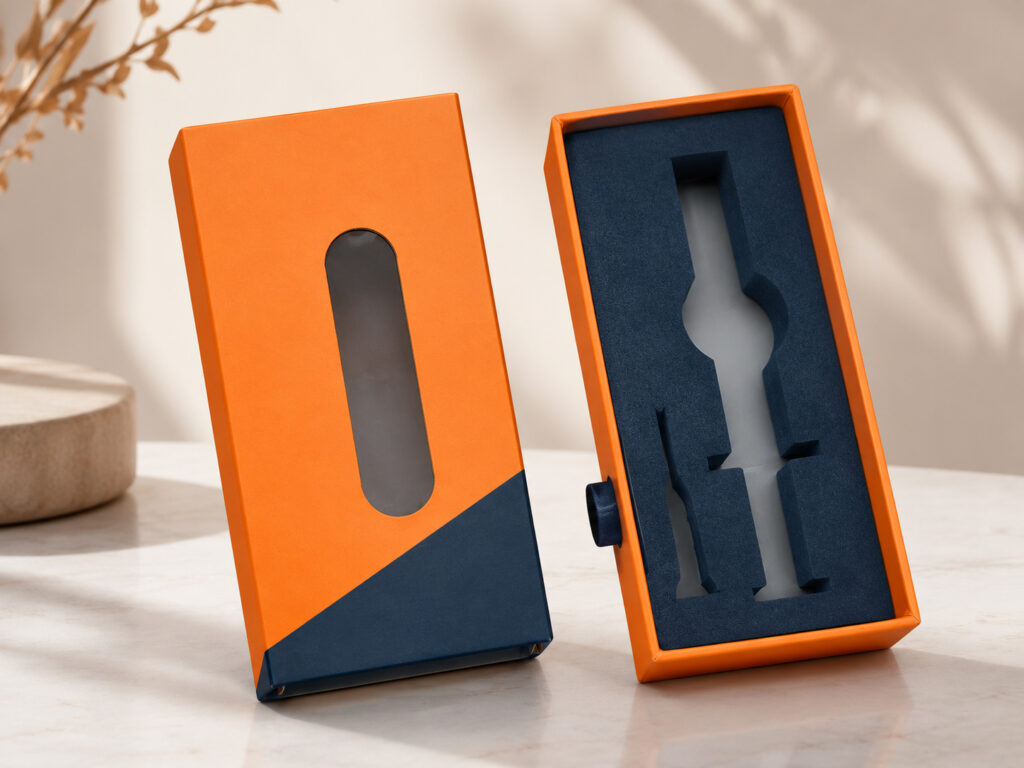
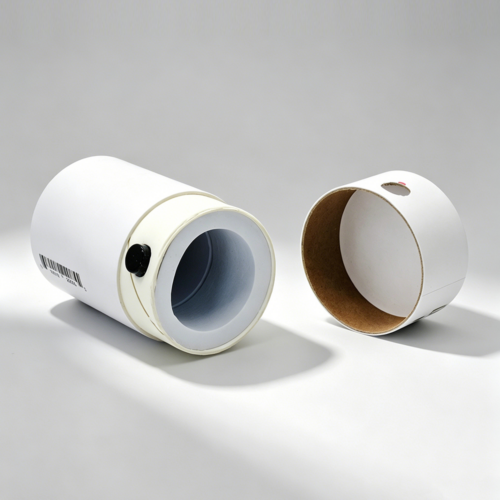
Kraft boxes may suit selected secondary formats, though the natural substrate changes color appearance. Wrapped greyboard supports rigid presentation structures, while corrugated board is better for protective outer cartons.
Material choice should reflect the structure, product packaging use, packed weight, print coverage, and transport conditions. Those details are more useful than a general claim of durable cigarette packaging.
Printed Cigarette Boxes, Finishes, and Artwork
Custom printed cigarette boxes can use CMYK, Pantone colors, or both. The printing method depends on artwork, substrate, quantity, color tolerance, and finishing sequence. Custom printed boxes should be evaluated on the intended board, not a screen image alone.
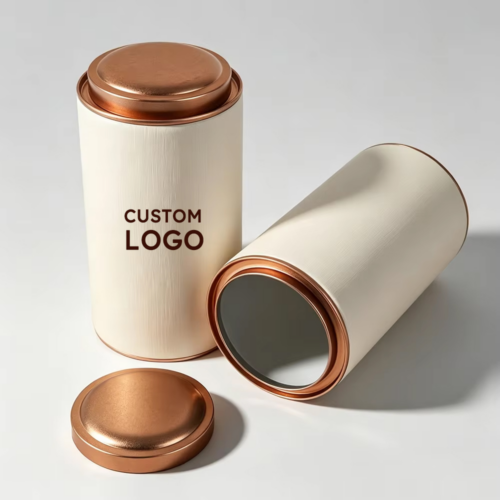
Finishes may include lamination, foil stamping, embossing, debossing, and spot UV. Check each treatment against folds, glue areas, barcodes, warning panels, and small text. Personalized cigarette packaging and other packaging designs must remain printable and compatible with approved artwork.
Submit editable vector files, outlined fonts, high-resolution images, color references, barcodes, and the confirmed dieline. A cigarette brand should approve graphics and mandatory text before release. Custom made cigarette boxes cannot be quoted accurately when dimensions or finishes are missing.