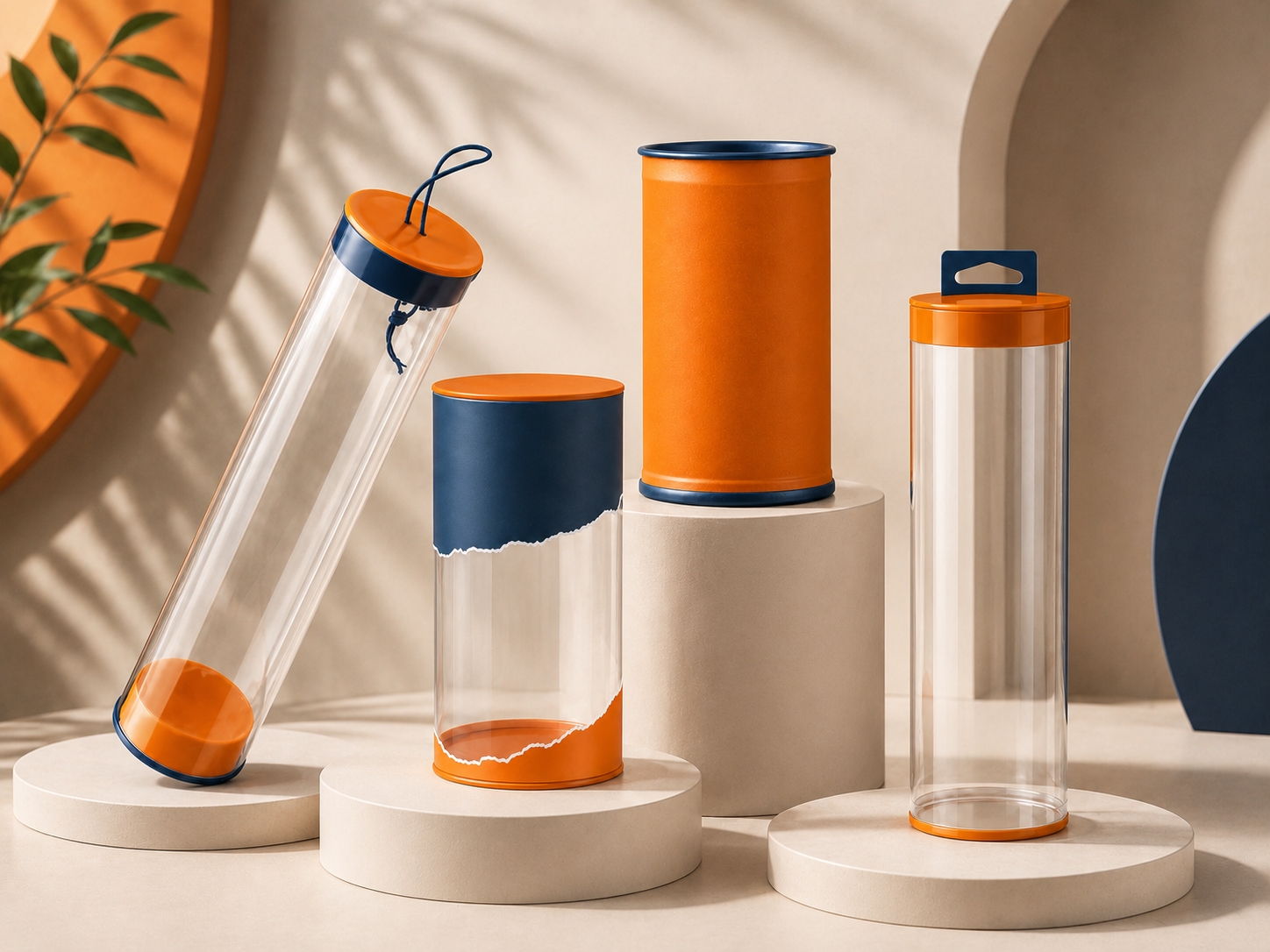
Plastic Packaging Built for Performance and Recovery

Built for brand owners, procurement teams, and manufacturers that need product protection without ignoring end-of-life realities. Our plastic packaging programs balance structure, production efficiency, and recovery goals from material selection through mass production. Specify the right container, then remove avoidable waste.

Jewelry Box productpg

Sustainable Packaging Solutions Start With the Right Material Strategy

The hardest decision is rarely “paper or plastic.” Barrier needs, product weight, filling method, transport stress, shelf life, print requirements, and recovery systems all shape the answer. A format that fails can create product loss; one that cannot be sorted may become packaging waste.

Development therefore starts with the product, not a slogan. We compare rigid plastic, a pouch, a tray, and other structures against protection, manufacturing tolerance, logistics, branding, and end-of-life options. For buyers seeking lower material use or better recyclability, the specification can include downgauging, simpler components, recycled-content targets, and early testing.

Explore Packaging and Containers for Your Product

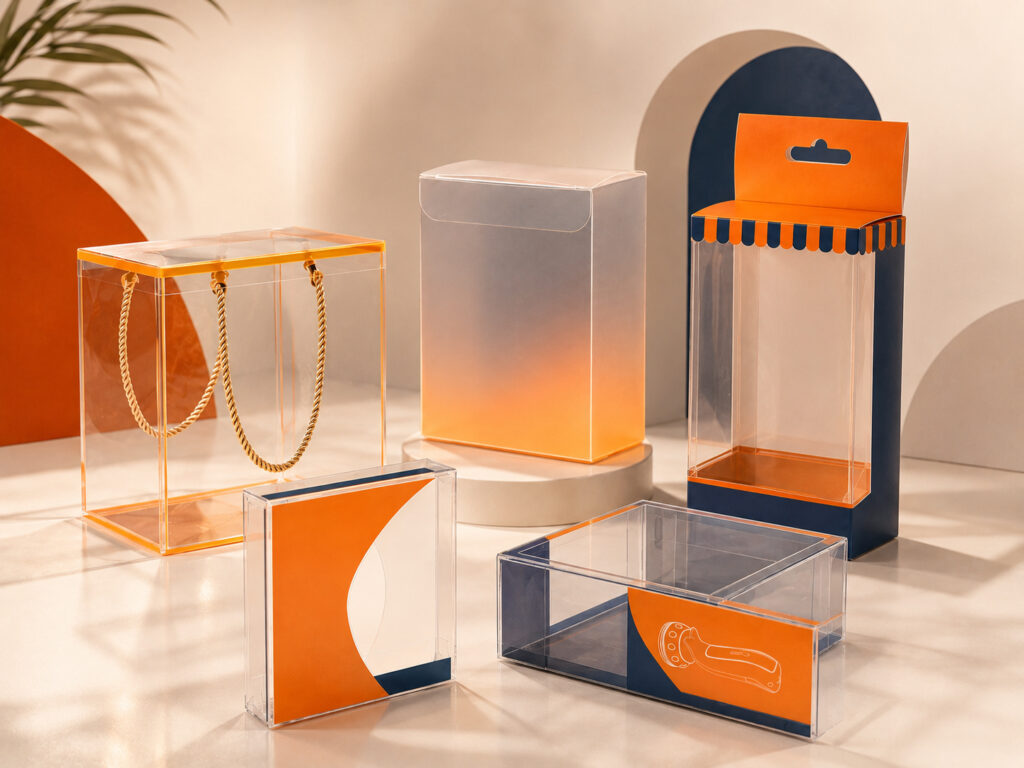
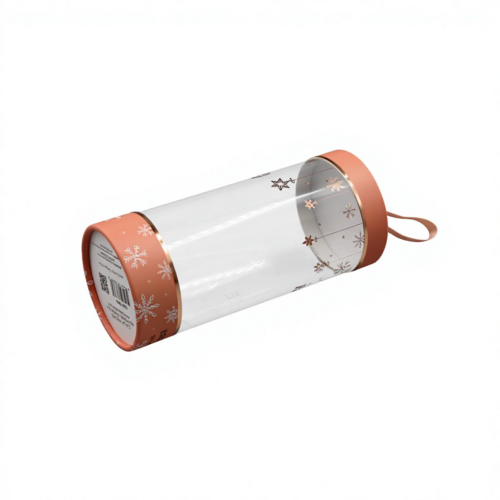
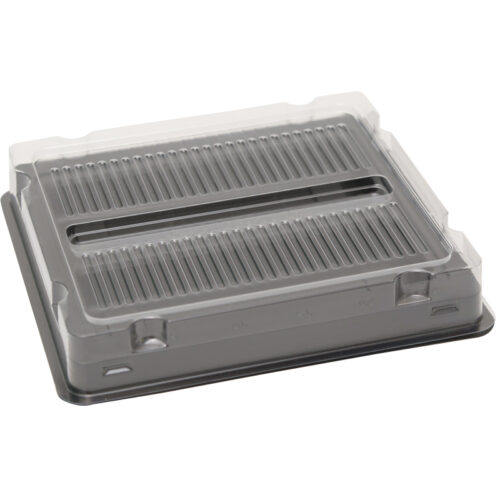
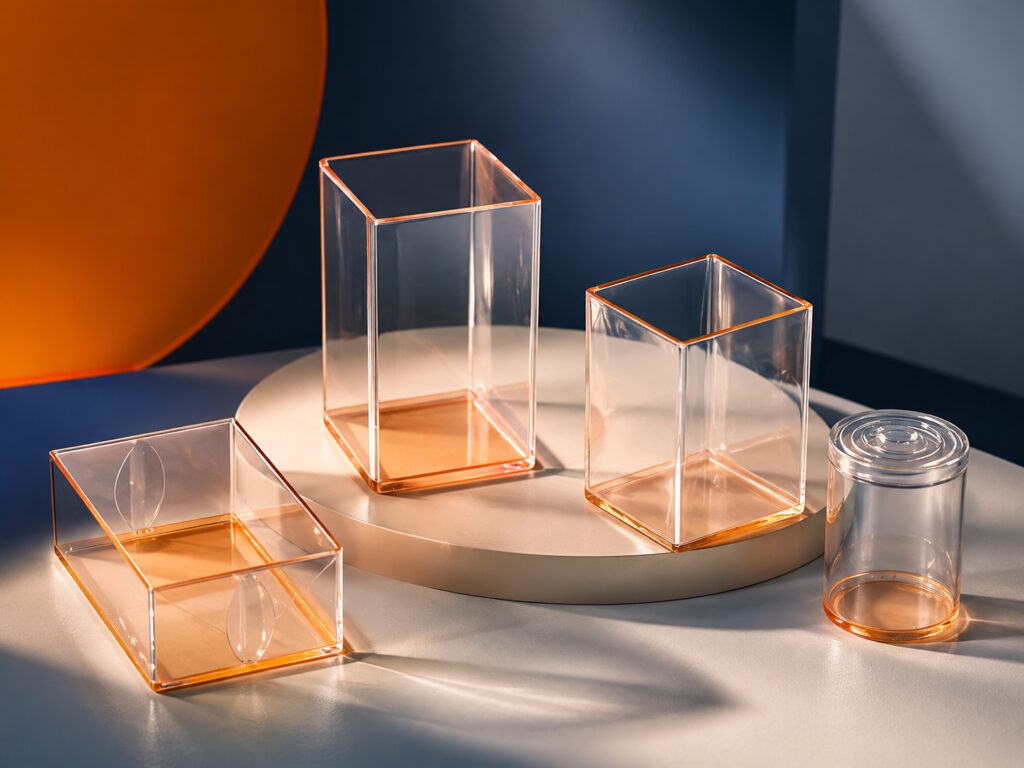
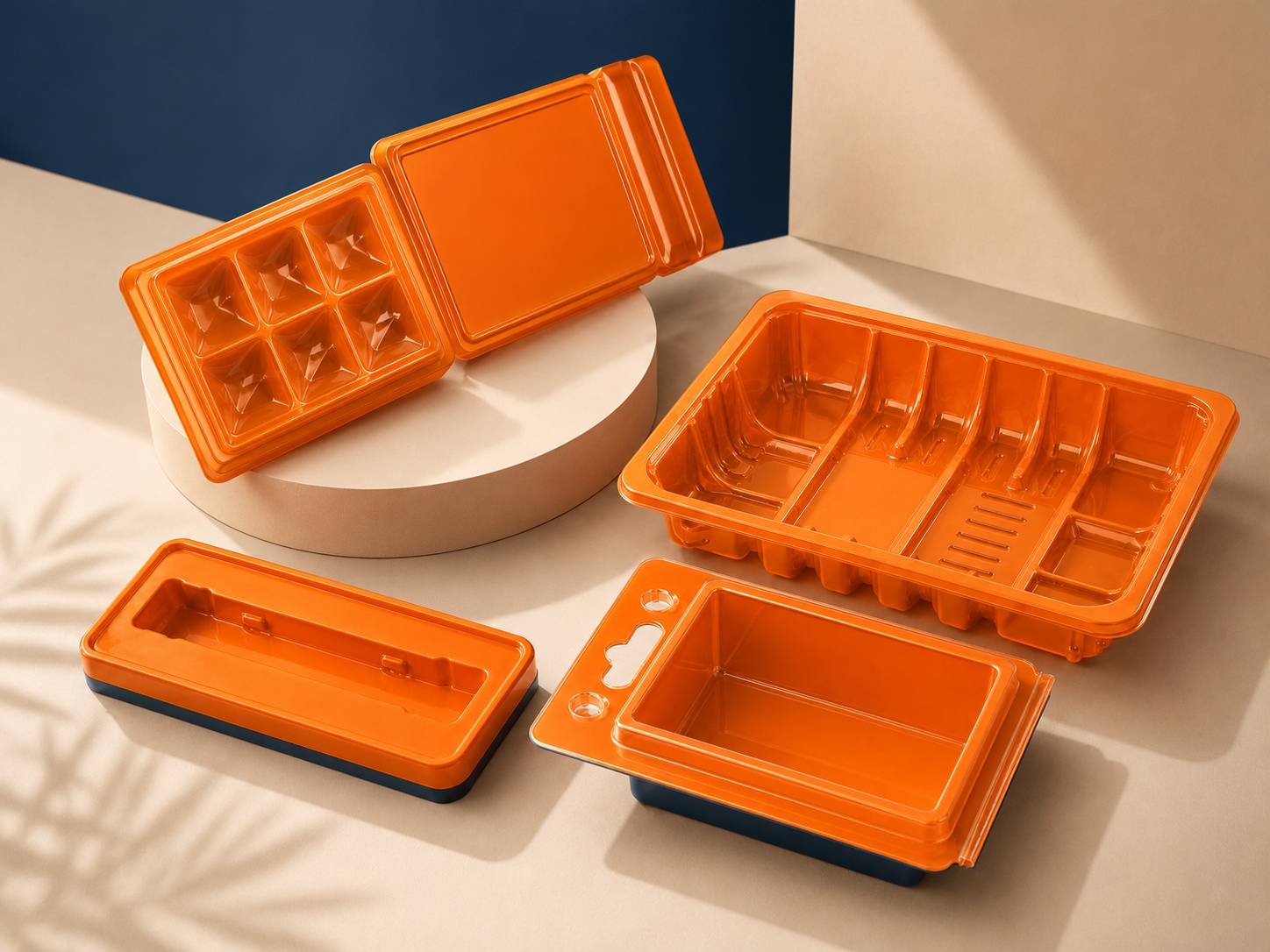
Use this section to compare plastic containers by structure, application, production route, and order volume. Review the packaging products below, then add the product cards that match your fill process, branding requirements, and target market.

What Makes a Plastic Container Recyclable

A recycling symbol alone does not settle the question. EPA explains that polymer identification shows what a container is made from, but acceptance varies by local recycling program. APR also says design, collection access, acceptance, and end markets all matter when assessing a package. nts can change the result. A lid, closure, label, adhesive, pigment, or barrier layer may affect sorting. We review the main body and secondary parts together, then simplify where performance allows. Teams trying to recycle plastic need a design that works with actual collection and processing conditions, not just a symbol.

Which Plastic Resins Fit Different Uses

The polymers used in packaging solve different problems. Polyethylene terephthalate can suit clear bottles and jars; high-density polyethylene (HDPE) is common in a jug; low-density polyethylene (LDPE) appears in film and shrink wrap; polypropylene can suit tubs and heat-tolerant parts. Polyvinyl chloride and polystyrene still appear in selected applications. EPA lists these families across common formats. ce goes beyond a number on the bottom. Impact resistance, stiffness, filling temperature, barrier needs, and print method all matter. A clamshell for retail, blister packaging for a small component, and plastic bottles for soft drinks face different demands. The right resin protects performance first, then removes unnecessary complexity.

Can Better Design Reduce Plastic Without Weakening Protection

Often, yes—but only after testing. Reducing wall thickness, changing rib geometry, or redesigning a neck can cut material while preserving function. For semi-rigid formats, small geometry changes may improve stacking or nesting. Push lightweighting too far, though, and distortion, leakage, or damage can follow.

The better question is where material does useful work. We review whether a single use part can become reusable, whether an assembly can be simplified, and whether a printable surface can replace an extra sleeve. The goal is not to eliminate plastic packaging blindly; it is to remove avoidable material while still helping the pack protect food, cosmetic goods, electronics, or other products through distribution.

Why Work With a Factory Partner in the Packaging Industry

Manufacturing decisions happen closest to tooling, process windows, and quality data. That gives buyers faster answers on what can be formed reliably, what needs a design change, and where cost is being added without improving the pack. Our role is to connect commercial goals with engineering controls—not merely quote a drawing.

Projects can include design-for-manufacture review, customizable prototypes, tooling coordination, decoration checks, incoming material controls, in-process inspection, and shipment verification. We compare options across structure, order volume, and packing efficiency. APR and EPA guidance can inform the discussion, but every final specification still needs validation against the actual product and market. current pack, a target cost, a performance problem, or a reduction goal. We will identify where material, structure, tooling, or component choices can be improved, then build a practical route from sample to production. Better decisions happen before the mold is cut.

Jewelry Box productpg

Need Custom Plastic Packaging Solutions for Your Product

Tell us what you are packaging, your target quantity, preferred plastic material, container format, and sustainability goals. Our packaging team will review structure, recyclability, tooling, and production requirements, then recommend a practical solution for sampling and full-scale manufacturing.


CTA