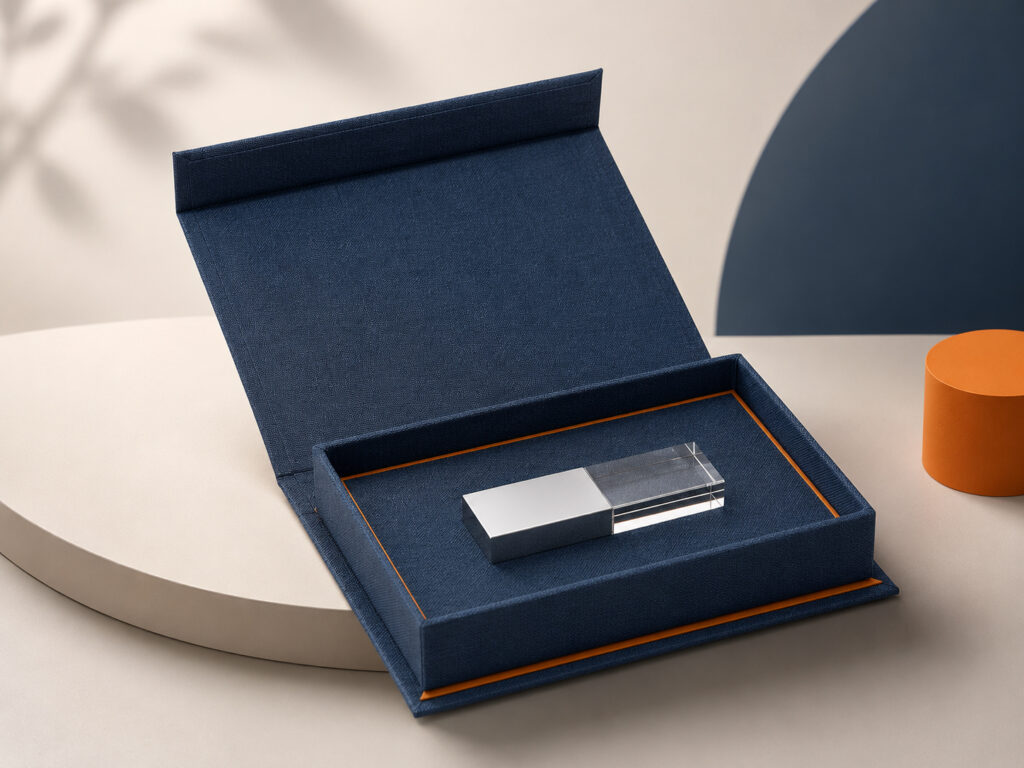
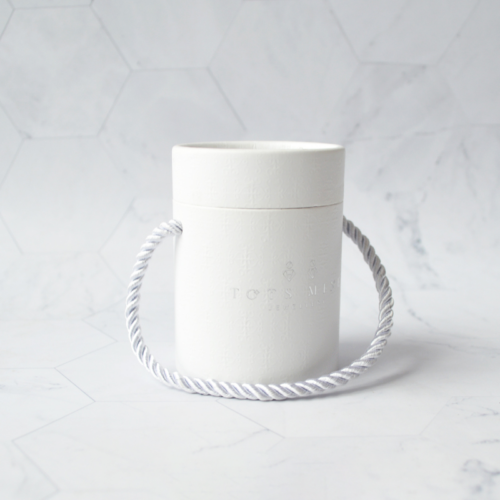
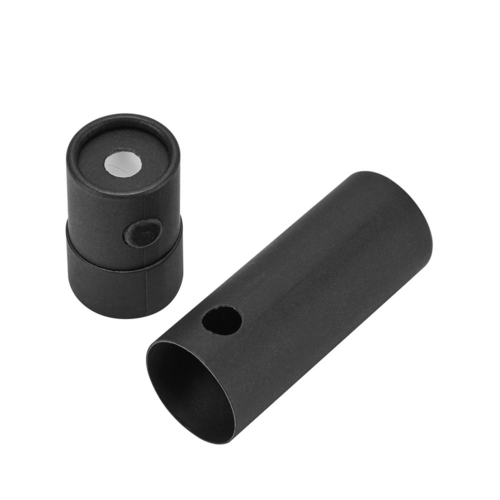
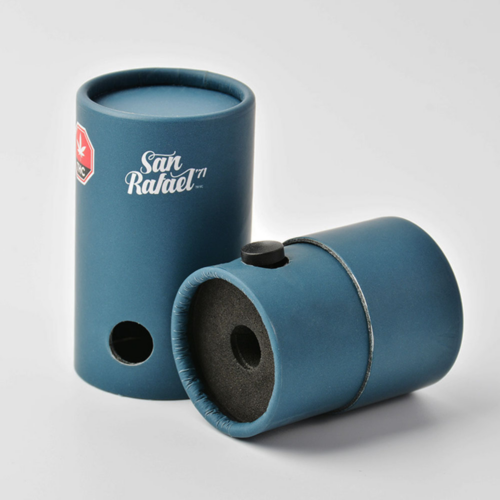
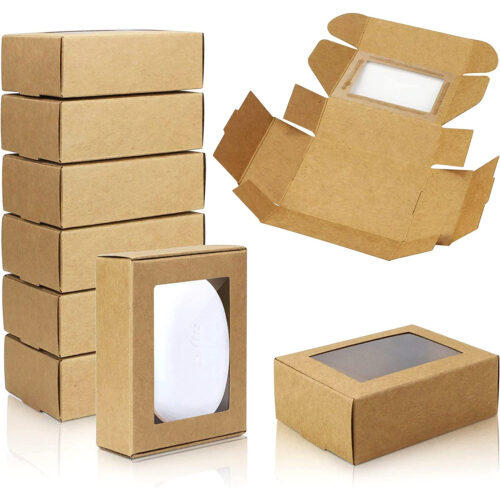
Eco-friendly cosmetic boxes should be based on measurable design decisions rather than broad environmental claims. Buyers may consider recyclable paper-based structures, kraft materials, right-sized boxes, reduced plastic content, removable inserts, and papers from responsibly managed sources.
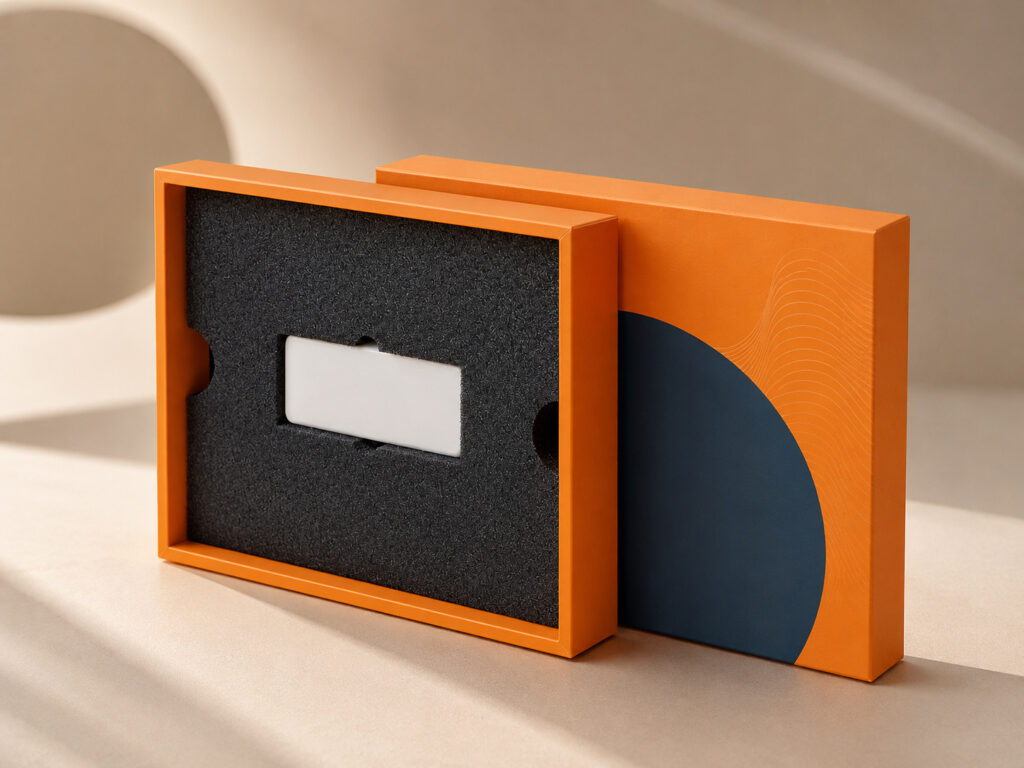
Removing unnecessary components can also simplify the packaging. A paperboard insert may replace a mixed-material tray in some applications. Reduced lamination, smaller box dimensions, and fewer decorative layers may lower material use while keeping the product protected.
Not every cosmetic product can use the same structure. Fragile glass packaging, liquid products, heavy gift sets, and long-distance shipping may still require additional protection. Sustainability decisions should therefore be reviewed alongside product safety, presentation, local recycling conditions, and verified material documentation.
A clear production process usually begins with requirement review. The packaging manufacturer checks product dimensions, preferred structure, material, artwork, printing, finishes, quantity, packing method, delivery destination, and target completion date.
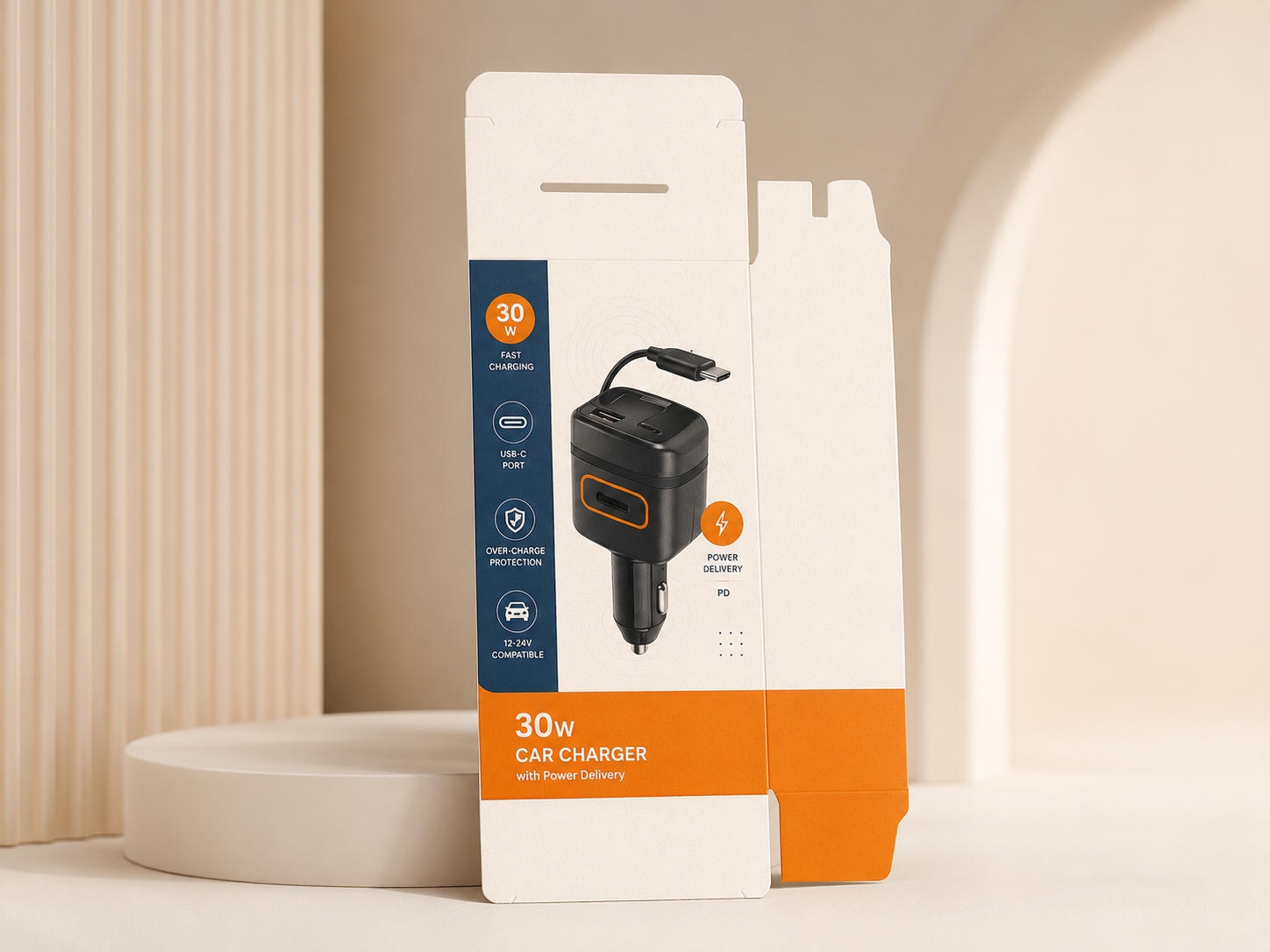
The next stages may include structural development, dieline preparation, artwork checking, plain sampling, printed sampling, material approval, printing, surface finishing, die-cutting, assembly, inspection, packing, and shipment. More complex rigid packaging or cosmetic gift sets may require additional hand assembly and fitting checks.
Quality control should compare production with the approved sample and specification. Important checkpoints include box dimensions, structure, print placement, color direction, finish position, insert fit, surface condition, opening function, assembly quality, and export packing.