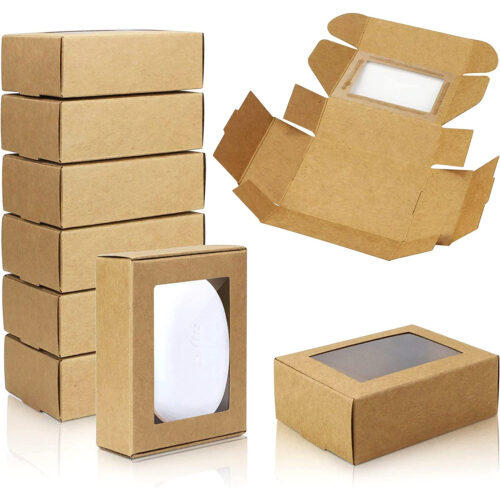
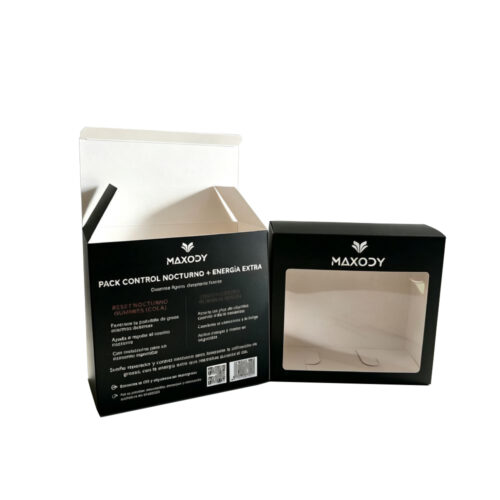
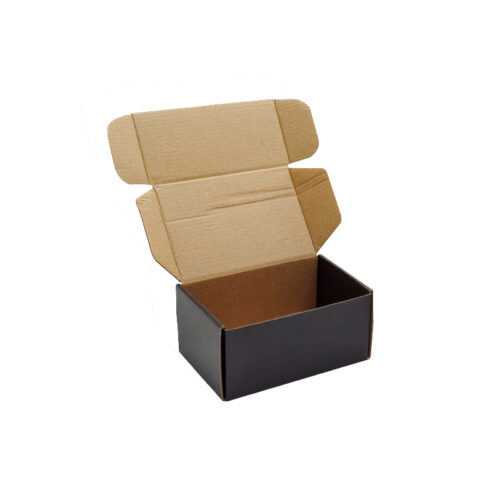
Begin with the approved structural dieline. Keep logos, text, and barcodes within the designated safe area. Extend background graphics beyond the bleed line, and keep important details away from folds, glue zones, cut lines, and closure panels.
Submit an editable artwork file with linked images, named layers, color references, fonts, and the required artwork resolution. Clearly mark spot colors, white ink, foil, varnish, and other special production layers.
A digital proof can confirm spelling, orientation, placement, and version control. It cannot fully reproduce the texture of the selected substrate or guarantee that every screen color will look identical in print.
The design team should also receive product dimensions, insert drawings, legal copy, barcode information, and display restrictions. Full customization is easier to manage when structural and graphic approvals follow the same revision process.
Start with the packed product rather than an estimated carton size. Provide its dimensions, weight, quantity, preferred structure, sales channel, destination, and artwork availability. These details allow the supplier to create packaging and review practical customization options.
The initial review should consider internal fit, material direction, closure, insert construction, print coverage, finishing, assembly, and shipping conditions. A structural or printed sample can then confirm fit, opening behavior, artwork position, and finish direction.
After approval, production planning covers materials, printing, cutting, assembly, inspection, packing, and delivery. Fast turnaround and fast shipping should be discussed separately because production time and transportation time depend on different factors.
Wholesale prices vary according to dimensions, quantity, structure, printing method, coverage, inserts, and finishing. Rather than choosing a company because it describes itself as a leading manufacturer and supplier, compare what each quotation includes. Tooling, sampling, packing, approval stages, freight terms, and possible revision charges should be clear.
An in-house review can identify artwork or structural conflicts before production begins. Premium quality depends less on a broad marketing claim and more on whether the approved specification fits the actual product and distribution method.