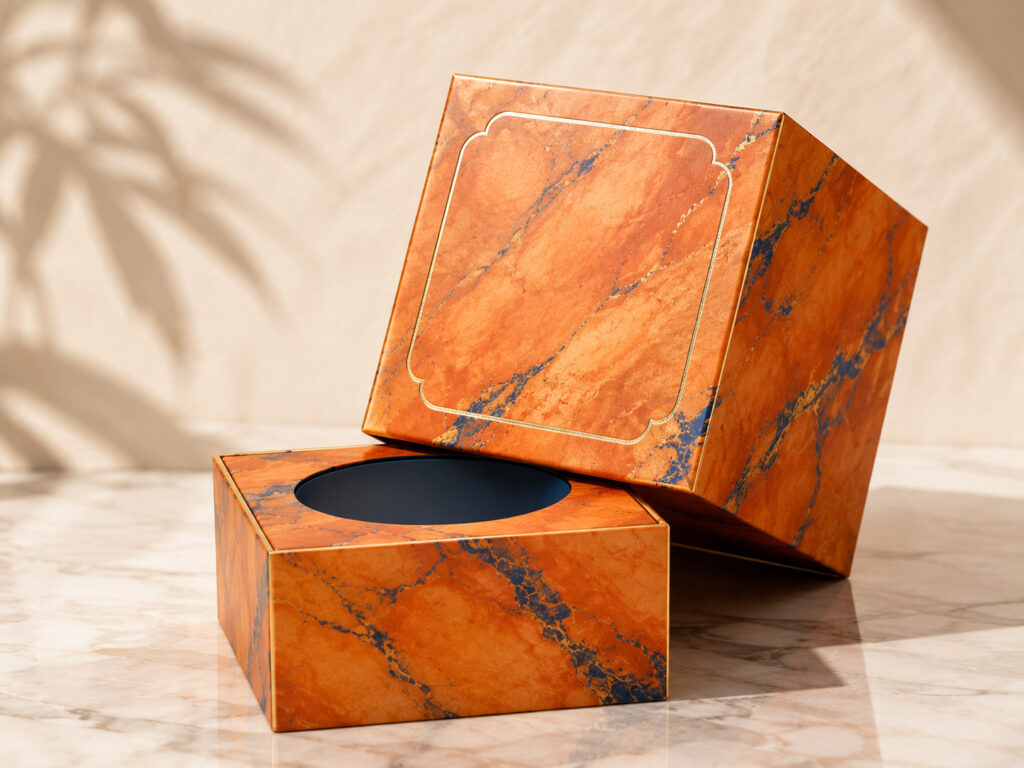
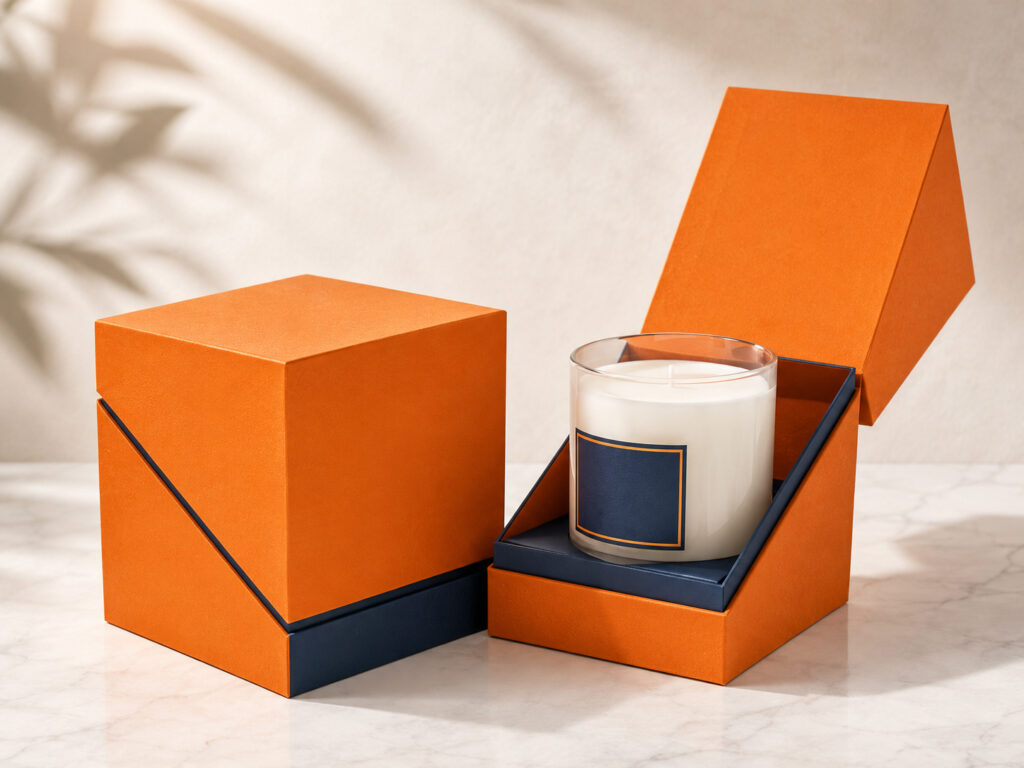
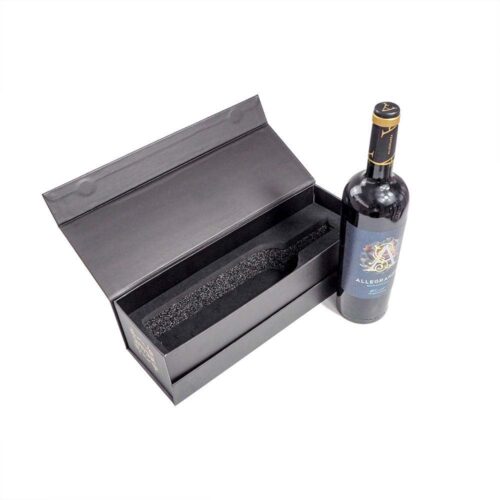
Premium Custom Candle Boxes for Retail and Shipping

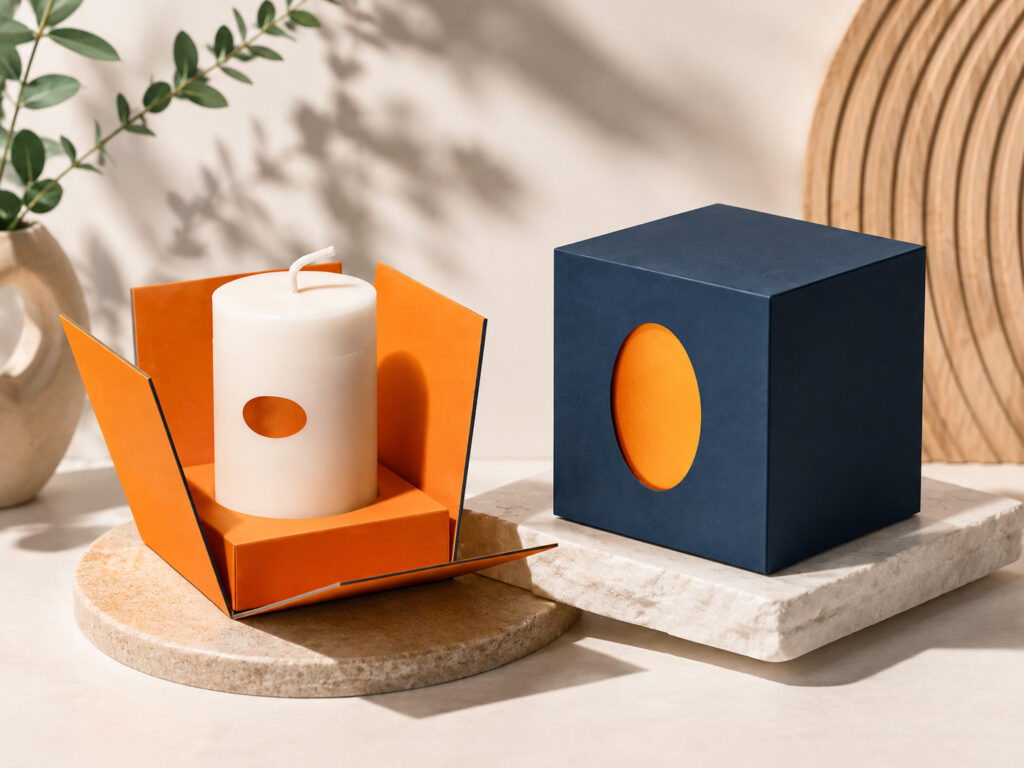
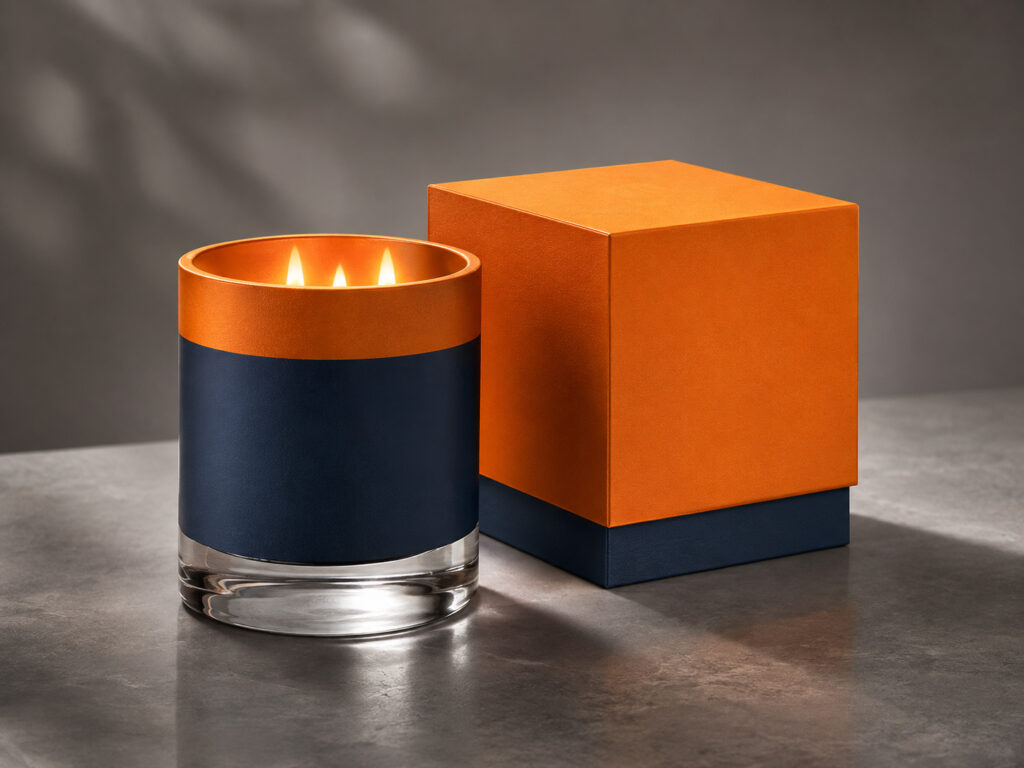
Create packaging that fits the candle, supports the sales channel, and presents the product clearly. Available formats include folding cartons, rigid presentation boxes, kraft designs, cardboard boxes, display boxes, corrugated mailers, and gift-ready sets for glass jars, tins, votives, wax melts, and taper candles.

These custom boxes can be developed around your product dimensions, filled weight, lid shape, artwork, insert requirements, and expected order quantity. They support candle makers, private-label businesses, retailers, wholesalers, subscription services, and online sellers that need more control over fit, presentation, packing, and delivery. Send your candle measurements and project requirements to receive a suitable packaging solution and quotation.

Custom Candle Boxes
Custom Candle Boxes

Custom Candle Packaging for Jars, Tins, and Gift Sets

Custom packaging begins with the physical product. A round glass vessel, metal tin, votive, taper candle, and multi-item gift set will not require the same internal space or structural support. The dimensions, board thickness, opening direction, closure, and internal clearance should therefore be selected around the candle rather than copied from a generic stock box.

A standard structure can be a practical starting point when the product has conventional dimensions. Tuck cartons, sleeves, lid-and-base formats, kraft boxes, and mailer boxes can often be resized and adapted with new artwork. This approach can simplify structural development while still giving the candle brand control over color, graphics, and surface finishes.

A more specialized design may be needed for an unusually heavy candle jar, an elevated lid, a group of products, or a distinctive opening experience. Custom boxes for candles can include fitted compartments, protective collars, platforms, ribbons, sleeves, windows, or separate areas for accessories. The final design should balance appearance with storage, packing speed, material use, production cost, and transportation.

Good product packaging also makes information easier to understand. The available print area can carry the scent name, burn instructions, ingredients, warnings, barcode, product story, and other required details without making the design feel crowded. A clear layout helps make your candle recognizable on a shelf and easier to identify when several scents share the same packaging system.

Candle Packaging Products, Box Styles, and Finishes

Explore packaging products developed for retail candles, gift collections, subscription shipments, online orders, and seasonal launches. The product showcase below can present different structures, materials, custom inserts, opening styles, printing methods, and decorative finishes so buyers can compare suitable directions for their projects.

Rigid, Folding, Kraft, and Display Boxes for Candles

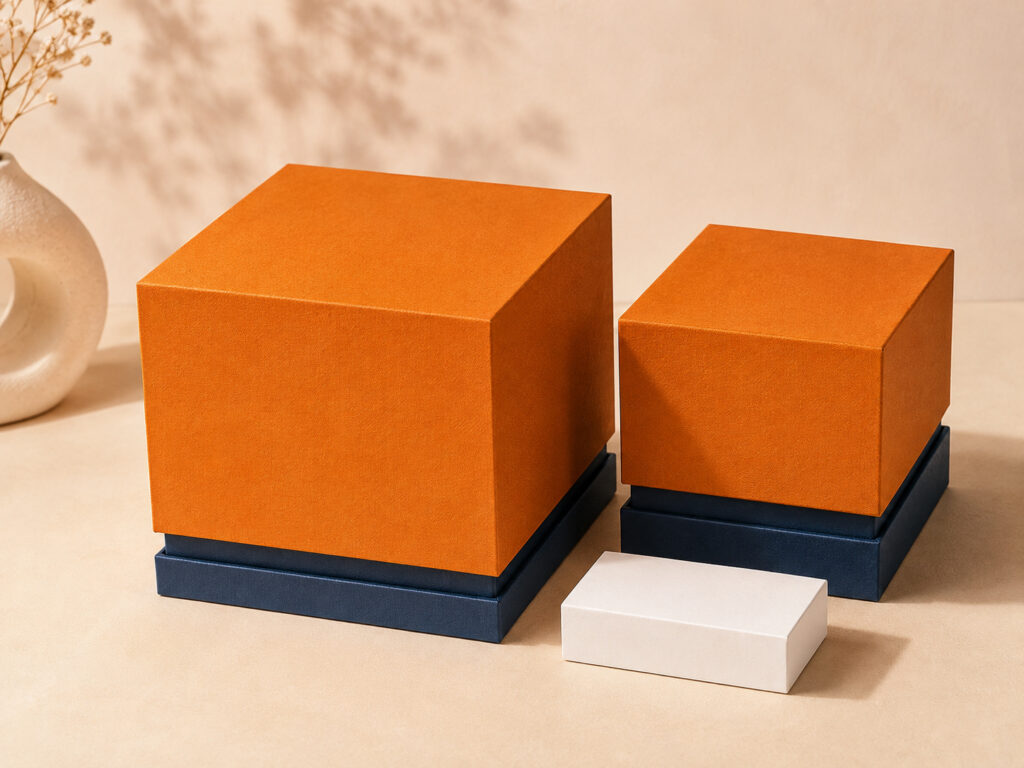
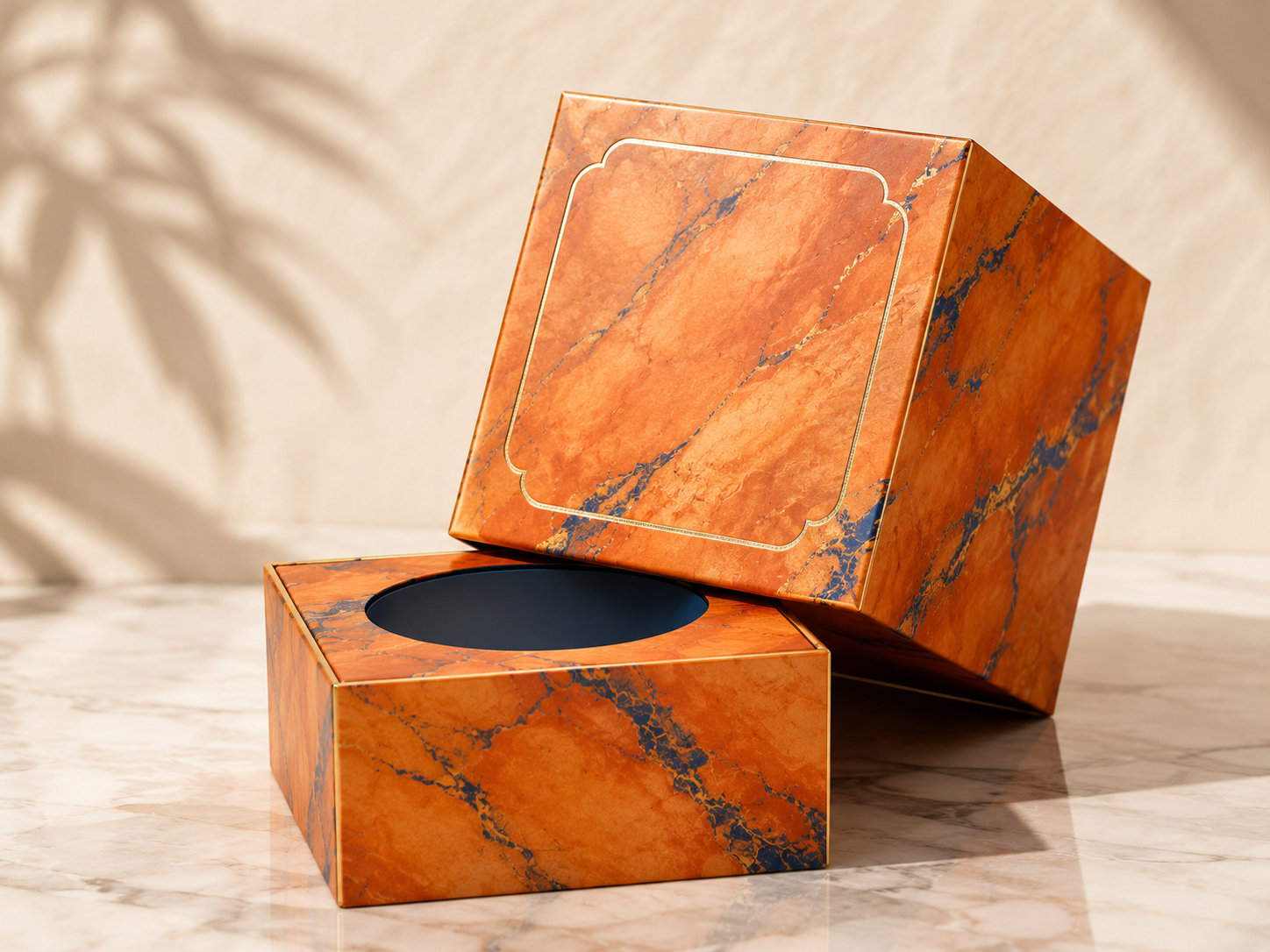
Rigid boxes are commonly used when presentation and a substantial opening experience are important. They can be produced as two-piece lid-and-base boxes, drawer structures, book-style formats, shoulder-neck designs, or magnetic-closure boxes. Custom rigid candle boxes may also include a wrapped paper exterior, printed interior panels, ribbon pulls, or a fitted platform for the jar.

Because rigid structures are generally delivered assembled, they require more warehouse and shipping space than flat-packed cartons. They may suit a luxury candle collection, a corporate gift, a limited-edition launch, or a higher-value retail line where the package is intended to remain part of the product experience.

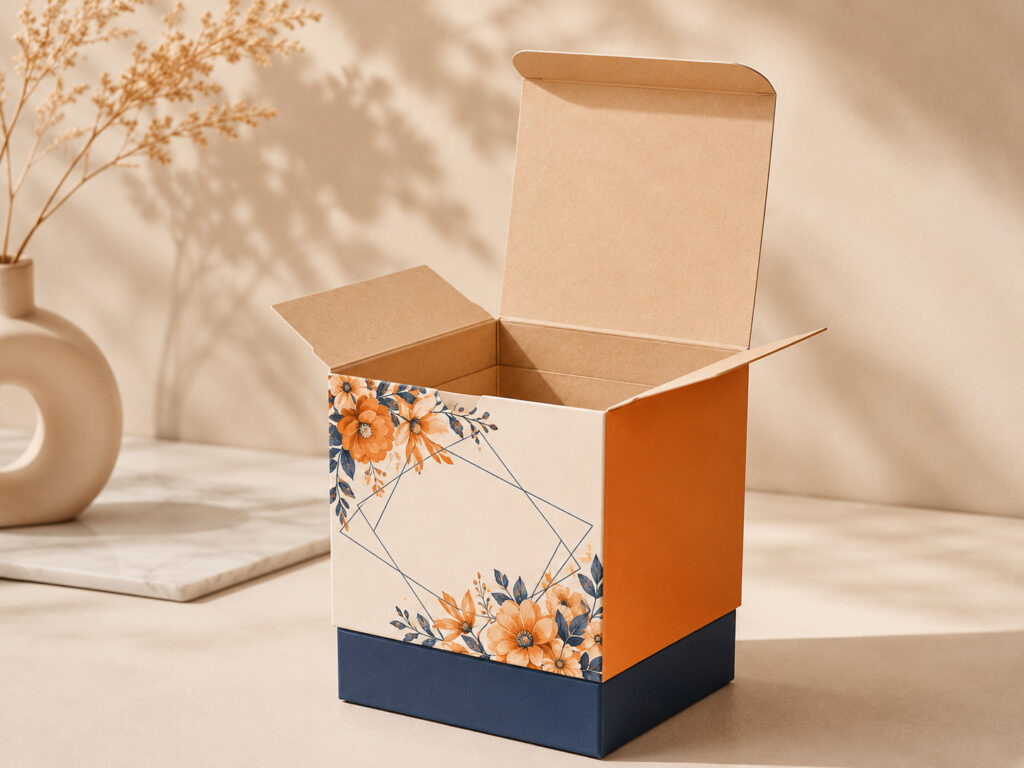
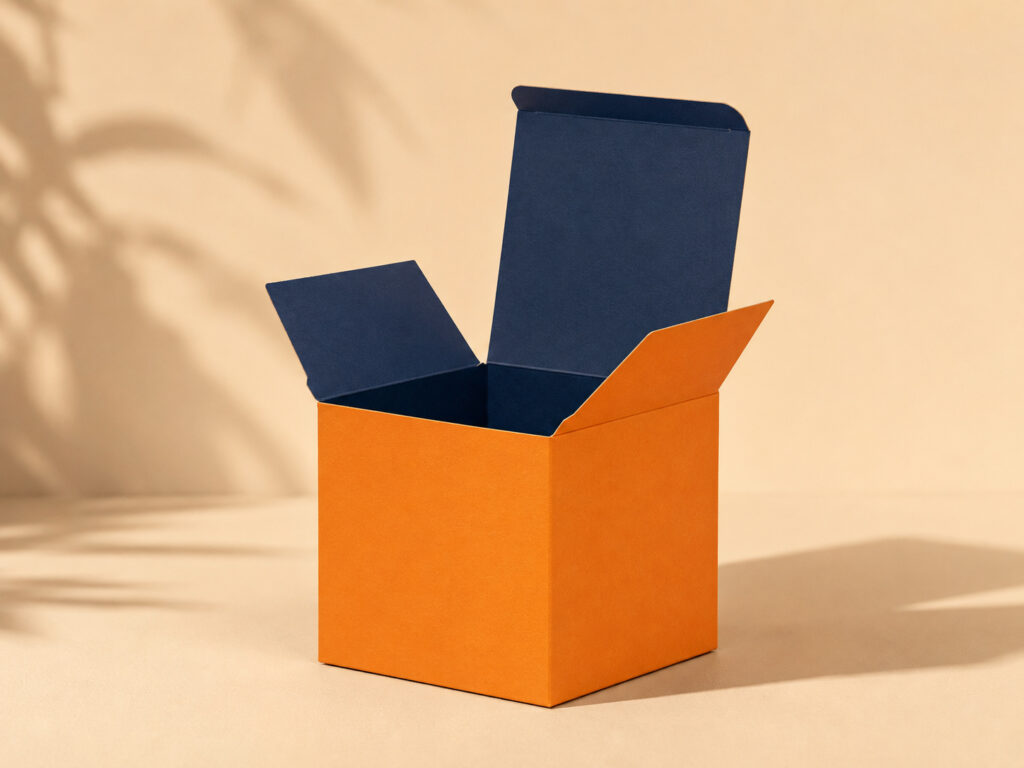
Folding cartons arrive flat and are erected during packing. They can be developed as straight-tuck, reverse-tuck, auto-lock, crash-lock, or sleeve-style box packaging. This format often works well for everyday retail lines, seasonal collections, and businesses that need efficient storage before filling.

Taper candle boxes need enough length to hold the product without bending or allowing excessive movement. Depending on the number of candles, the structure may contain a divider, paperboard support, window, or internal tray. Custom taper candle boxes can also be printed with product length, color, quantity, and handling information.

Votive candle boxes are usually smaller, but their internal fit still matters. A single votive may use a compact folding carton, while a set can use dividers or a tray to keep individual items separated. The exterior can be designed as retail packaging, a gift set, or a display-ready format.

Kraft paper can give a package a natural, understated appearance. A custom kraft design may use one or two printed colors, a label, a sleeve, foil, or a simple die-cut window. The brown or off-white base color affects the appearance of printed inks, so the artwork should be prepared with the actual material in mind.

Corrugated cardboard boxes are more suitable when greater structural support or distribution efficiency is required. They may function as an e-commerce mailer, a master shipping carton, or an outer package holding several retail units. Display boxes can also be developed for counters or shelves when individual candles need to remain organized and visible.

Candle Box With Insert for a Secure Jar Fit

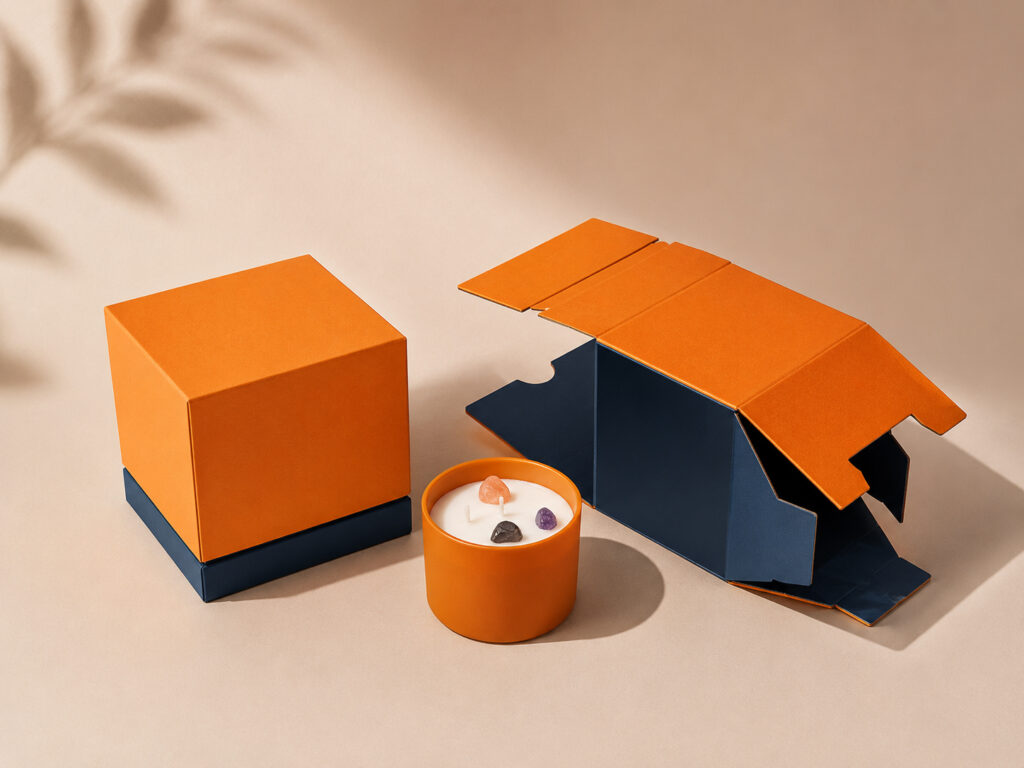
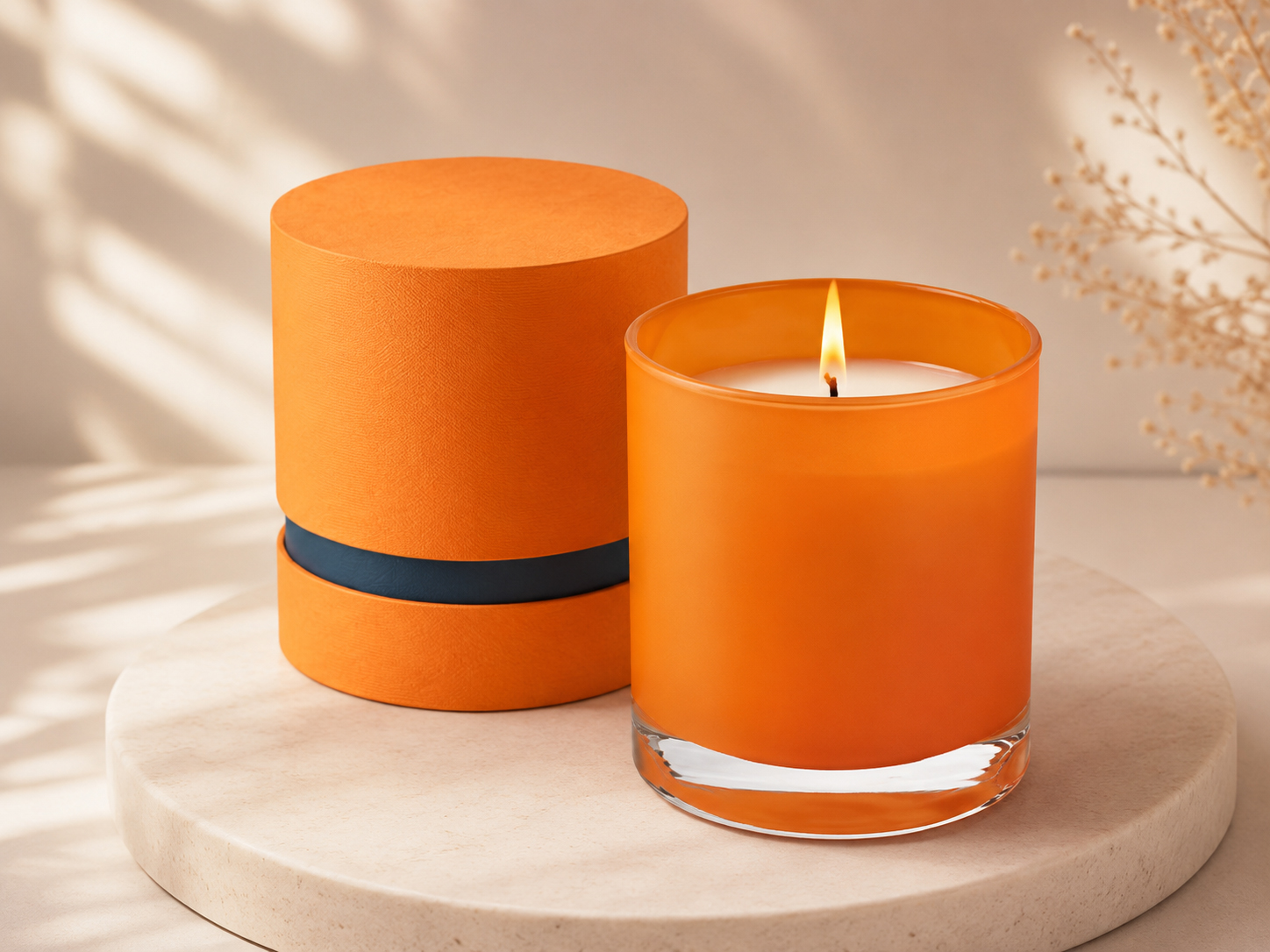
A candle box with insert helps control movement by supporting the jar at defined contact points. The insert should match the widest diameter, total height, lid profile, base shape, filled weight, box orientation, and necessary clearance around the product.

Paperboard inserts are useful when the package needs a clean presentation and the candle is not excessively heavy. They can include folded panels, locking tabs, raised platforms, or finger openings that help the customer remove the product.

Corrugated inserts can provide additional separation and structural support. They may be appropriate when several units share one outer carton or when a heavier glass jar needs more protection from movement. Molded pulp can form around curved products, while foam may provide a close fit for certain presentation projects. Not every material is suitable for every product, disposal system, or sustainability objective.

Custom candle boxes with inserts should be based on measured products rather than only nominal jar specifications. Two vessels sold under the same stated capacity can have different wall thicknesses, lid shapes, bases, or external diameters. Measuring the filled product reduces the risk of developing an insert that is too loose, too tight, or unable to support the expected weight.

When possible, provide:

  • The maximum outside diameter or width
  • The full height with the lid installed
  • The lid diameter and profile
  • The filled candle weight
  • Photos from multiple angles
  • The preferred box orientation
  • The expected packing method
  • Details of the intended delivery route

A physical product sample can be helpful for tapered, embossed, irregular, or handmade vessels. It also allows the packaging company to check how the label, lid, and decorated surfaces interact with the insert.

Custom Printed Candle Boxes and Logo Finishes

Custom printed candle boxes can combine brand graphics with the information needed for retail sale. Typical content includes the logo, collection name, scent, wax type, net weight, warning text, burn instructions, barcode, and website details. Printed internal panels can add a short message, product story, or opening instruction without overcrowding the exterior.

Offset printing can suit detailed graphics and larger production quantities, while digital printing may be considered for suitable shorter programs, samples, or multiple artwork versions. The best process depends on the material, quantity, graphics, color requirements, and finishing plan.

CMYK printing combines cyan, magenta, yellow, and black to reproduce a broad range of process colors. Pantone spot colors use individually formulated inks and may be considered when a project requires a specified brand color. The same color can appear different on coated, uncoated, kraft, textured, or laminated materials, so a printed proof or physical sample is more useful than judging color only on a monitor.

Candle boxes with logos can be enhanced through:

  • Foil stamping for metallic or pigmented details
  • Embossing to raise selected artwork
  • Debossing to press artwork into the surface
  • Spot UV for localized gloss contrast
  • Matte or gloss lamination
  • Soft-touch surface treatment
  • Printed sleeves and belly bands
  • Custom labels or seals
  • Die-cut windows
  • Printed interior panels

Finishes should support the candle brand rather than compete with it. A minimal design may rely on paper texture, restrained typography, and one foil detail. A more expressive retail collection may use full-color artwork and scent-specific variations.

The material and finish combination should also be considered. Fine embossing may lose definition on some textured papers, dark uncoated stock can affect ink appearance, and large foil areas may require a different design approach from small lettering. Requesting a sample helps the buyer evaluate the final result before approving a larger order.

Custom Candle Boxes
Custom Candle Boxes
Custom Candle Boxes
Custom Candle Boxes
Custom Candle Boxes
Custom Candle Boxes
Custom Candle Boxes
Custom Candle Boxes
Custom Candle Boxes
Custom Candle Boxes

Luxury Candle Packaging, Kraft Designs, and Retail Positioning

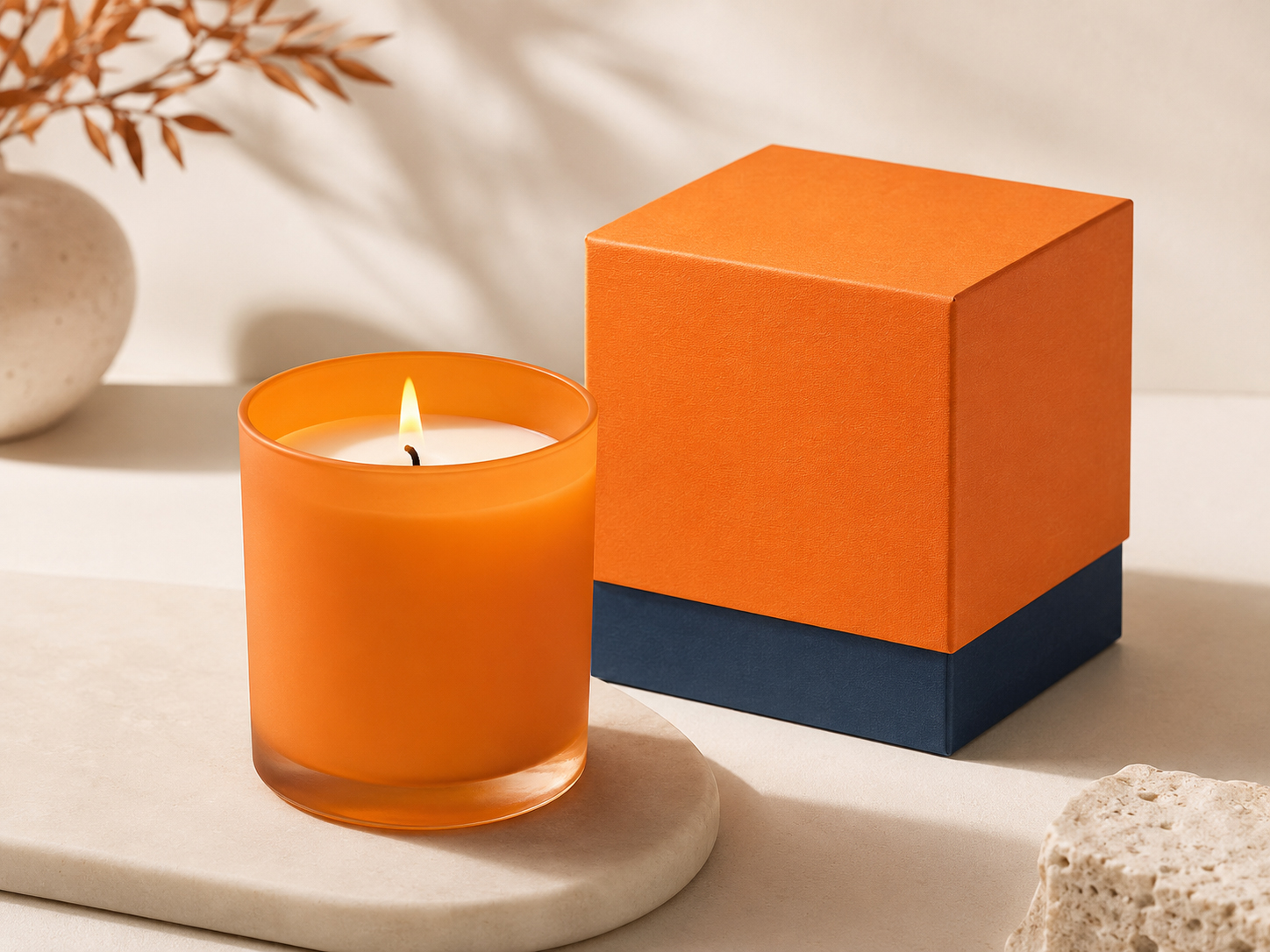
Luxury candle packaging often uses rigid construction, wrapped papers, precise internal fit, and controlled finishing. It may be selected for premium gift sets, hotel collections, limited releases, or candles positioned at a higher retail price. Luxury candle boxes can also use simpler artwork when the structure and material provide enough visual character.

Luxury packaging does not need to include every available finish. A well-proportioned box with accurate fit, clean wrapping, and one carefully selected detail may communicate more than a package crowded with foil, embossing, patterns, and multiple coatings. The presentation should remain consistent with the product inside.

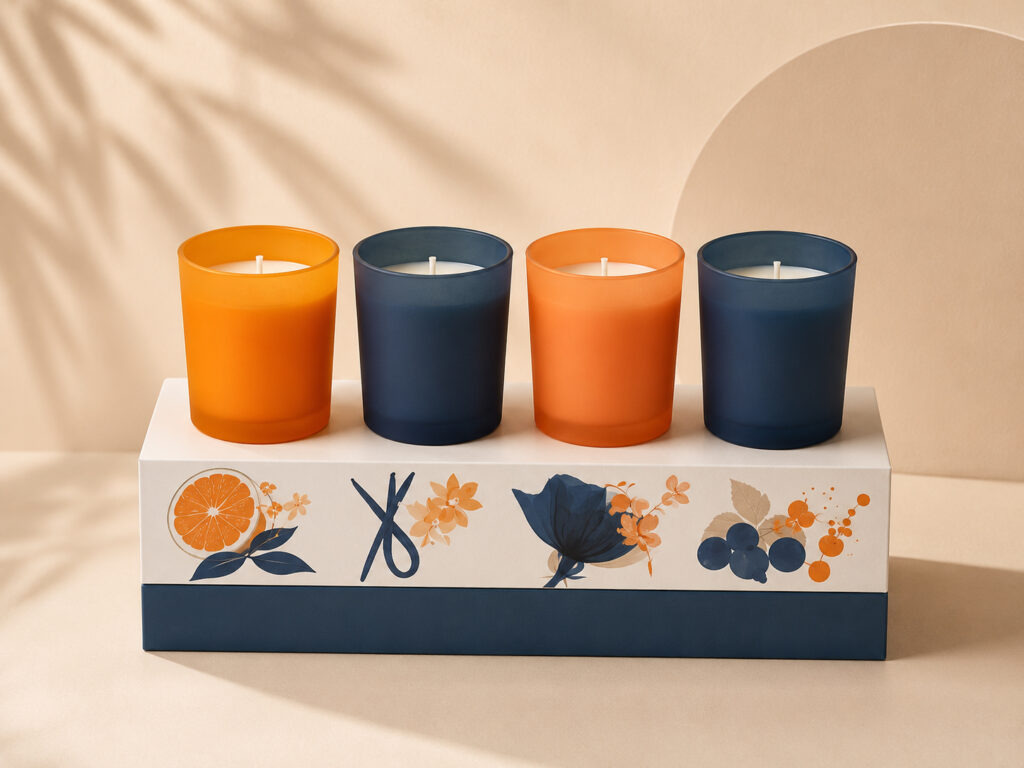
Luxury candle packaging boxes may contain one jar, several fragrances, matches, a wick trimmer, a lid, or another accessory. These sets require an insert that organizes each component and creates a logical opening sequence. The package should also be easy for the packing team to assemble consistently.

Kraft candle boxes offer a different visual direction. Their natural paper appearance can work for botanical, handmade, minimalist, rustic, or refill-oriented collections. However, kraft should not automatically be presented as proof of an environmentally preferable package. The board source, coatings, inks, adhesives, inserts, and local recovery systems all affect the complete evaluation.

Businesses considering eco-friendly packaging solutions should request specific material information rather than rely on a broad marketing phrase. Relevant questions include whether the paper is certified, whether plastic lamination is used, whether components can be separated, and whether recycled-content documentation is available.

Standard folding retail cartons offer flexible printing and efficient storage. They can support a wide range of candle market positions, from accessible everyday products to premium collections. The same structure can often be used across several scents, with changes to color, artwork, labels, or sleeves.

Unique packaging is most useful when it still performs the essential tasks of holding, identifying, displaying, and transporting the candle. An unusual opening mechanism can add interest, but it should not make the box difficult to assemble, fill, close, stack, or ship.

Candle Shipping Boxes for E-Commerce and Bulk Orders

Candle shipping boxes are different from individual presentation cartons. The retail package communicates the product identity, while the outer shipping package manages the conditions encountered during handling and distribution.

A glass jar sold online may use three packaging levels: a printed retail carton, a fitted insert, and an outer corrugated shipper. Some projects combine the first two levels by using a printed corrugated mailer, but the suitability of that approach depends on the product weight, jar shape, delivery route, and presentation objective.

Corrugated packaging can be custom-designed around product protection, internal movement, shelf space, and shipping density. Additional internal packaging can also be used to reduce shifting.

For custom candle shipping, the supplier should know:

  • The weight of each filled jar
  • The number of units per parcel or master carton
  • Whether the product already has an individual retail box
  • The jar material and lid design
  • The intended shipping method
  • The delivery destination
  • The use of dividers or cushioning
  • The required exterior printing
  • Any planned distribution testing

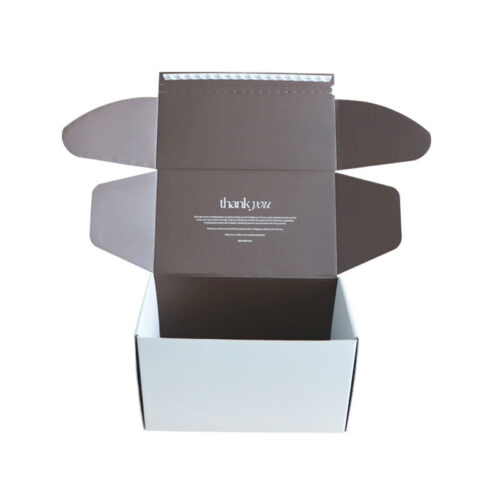
Mailer boxes can work for subscription sets, sample collections, or direct-to-consumer orders. A printed interior can create a branded opening experience without adding a separate presentation box. Heavier jars may require corrugated pads, dividers, corner support, or cushioning around the primary package.

Bulk orders are commonly packed in outer cartons containing multiple finished retail units. The number of boxes per carton should reflect product weight, carton dimensions, manual handling, pallet configuration, and destination. Excessively large cartons can become difficult to move even when the individual products are small.

Pre-shipment testing can provide information about how a packaged product responds to distribution hazards. ISTA notes that testing is used to challenge packaged products against conditions such as shock, vibration, and compression, but the selected procedure must match the intended distribution environment.

No shipping structure should be described as guaranteeing damage-free delivery. Product condition can be affected by carrier handling, packing consistency, jar quality, temperature, route, and many other variables. The purpose of professional packaging development is to identify those risks and create a more appropriate system for the intended use.


How to Order Custom Candle Boxes From Quote to Production

A candle box order begins with a clear specification. Providing complete information early helps the supplier recommend an appropriate structure, calculate material use, plan the insert, and prepare a more relevant quotation.

To get custom packaging recommendations, submit the product dimensions, filled weight, desired box style, artwork status, estimated quantity, finishing preferences, delivery destination, and required completion date. Photos or physical product samples can help when the vessel is not a simple cylinder or rectangle.

A typical project follows these steps:

  1. Requirement review: The supplier checks the candle type, dimensions, weight, sales channel, and delivery needs.
  2. Structure selection: Existing formats and create-custom options are compared.
  3. Material review: Board, wrapping paper, kraft stock, corrugated grade, or other materials are selected.
  4. Insert development: The holding method is designed around the candle and accessories.
  5. Quotation: Pricing is calculated from the dimensions, materials, processes, quantity, packing, and destination.
  6. Dieline preparation: The structural drawing is supplied for artwork placement.
  7. Artwork review: Text, graphics, barcodes, print colors, and finishing positions are checked.
  8. Sampling: A plain structural prototype or printed sample is produced.
  9. Approval: The buyer reviews fit, opening, assembly, graphics, and presentation.
  10. Production: Materials are printed, finished, die-cut, assembled, and inspected.
  11. Packing and delivery: Finished packaging is packed according to its structure and shipping requirements.

Wholesale prices are influenced by more than order quantity. Size, board thickness, printed coverage, number of artwork versions, surface treatments, insert complexity, tooling, assembly, and carton packing all contribute to the final cost.

Create custom candle boxes around confirmed specifications rather than selecting every feature before the product has been measured. A simpler structure with accurate fit may perform better than a complicated package based on incomplete information.

Company-specific details should be confirmed before publication:

  • Minimum order quantity: [Insert MOQ]
  • Structural sample time: [Insert Sample Lead Time]
  • Printed sample time: [Insert Printed Sample Lead Time]
  • Production time: [Insert Production Lead Time]
  • Available certifications: [Insert Available Certifications]
  • Supported shipping terms: [Insert Shipping Terms]

The purpose of the ordering process is to make custom packaging accessible to businesses while keeping the specification realistic. Candle makers can begin with a product, an estimated quantity, and a general design direction; the remaining decisions can be refined during structural and material review.

Candle Packaging Questions From Buyers and Brand Owners

Provide the external jar dimensions, filled weight, lid shape, preferred structure, insert requirements, printing colors, surface finishes, artwork status, estimated quantity, destination, and required delivery date. Photos or a physical sample are useful when the candle has a tapered or irregular vessel.

A heavy glass jar normally requires controlled clearance and an insert that limits movement. Depending on the sales channel, the system may use a folding carton, rigid presentation box, corrugated mailer, or a retail package placed inside an outer shipping carton. Jar weight and distribution conditions should guide the decision.

Yes, when the vessels share the same external dimensions, lid profile, and similar filled weight. The structure and insert can remain consistent while the scent is identified through printed artwork, labels, sleeves, color changes, or barcode variations.

Using one construction across a collection can simplify packing and inventory, although multiple artwork versions may still affect production planning.

Yes. Custom inserts can organize several candles, matches, wick trimmers, lids, or other accessories. Paperboard, corrugated board, molded pulp, and foam are possible options, depending on the required fit, presentation, weight, and material objectives.

The insert should allow each item to be removed without damaging labels or decorative surfaces.

Folding cartons are generally delivered flat and assembled during filling, making them efficient for storage. Rigid structures are commonly supplied assembled and create a more substantial presentation.

Neither format is automatically better. The correct choice depends on product weight, presentation, packing workflow, available storage, order quantity, and distribution method.

Yes, but the natural color and absorbency of kraft material influence the printed appearance. Light tones, photographs, and exact brand colors may not reproduce in the same way they would on white coated paper.

The artwork may use adjusted colors, white ink where supported, labels, or sleeves. A printed sample is recommended when color appearance is important.

Premium packaging solutions may include a rigid lid-and-base structure, drawer box, book-style design, fitted platform, printed interior, foil detail, textured paper, or a coordinated sleeve.

ā€œPremiumā€ should describe a deliberate combination of structure, fit, material, and graphics—not simply the number of decorative processes used.

Yes. Packaging for candles can be adapted to different lengths, diameters, quantities, and display requirements. Long products may need internal supports that prevent bending, while small votive sets may need dividers or a tray.

The structure should be based on actual product dimensions and the intended retail or shipping configuration.

Editable vector files such as AI, EPS, or print-ready PDF are commonly used for logos, text, and line artwork. Images should be supplied at a resolution suitable for the intended print size, and fonts should be included or converted according to the printer’s requirements.

Adobe describes PDF as an established format for sharing approved packaging content through prepress and printing workflows.

Yes. Boxes for your candles can include front-facing graphics, scent identification, barcodes, windows, hang tabs, or display-ready openings. The format should match the available shelf or counter space and the way customers compare products.

The package should remain stable when displayed and should make important product information easy to find.

Folding cartons are usually packed flat, while rigid designs are generally packed assembled. Surface-sensitive packaging may use protective tissue, bags, dividers, or inner cartons before being placed in an outer corrugated carton.

The final packing method depends on the box structure, finish, quantity, shipping route, and risk of rubbing or compression.

Compare the complete specification rather than only the total price. Confirm external and internal dimensions, board type and thickness, paper, printing method, finish, insert material, sample type, quantity tolerance, packing method, tooling, production time, and shipping terms.

Two quotations may appear similar while covering different materials, structures, or levels of assembly.

Request Pricing for Custom Candle Box Packaging

Share your product measurements and project requirements to begin developing packaging for your candles. Useful information includes the jar diameter or width, full height, filled weight, lid profile, preferred opening style, insert needs, artwork, printing colors, surface finishes, estimated quantity, delivery destination, and target completion date.

These details allow the packaging team to review the product, identify practical packaging options, and determine whether you need a folding carton, rigid presentation design, custom kraft box, retail display format, or shipping solution. You can also request a structural prototype or printed sample before approving production.

CTA