What MOQ and Lead Time Should You Expect for Custom Rigid Boxes
There is no single universal MOQ or lead time for every custom rigid box project. Both depend on the structure, materials, printing method, finishing processes, insert complexity, order volume, production schedule, and delivery requirements.
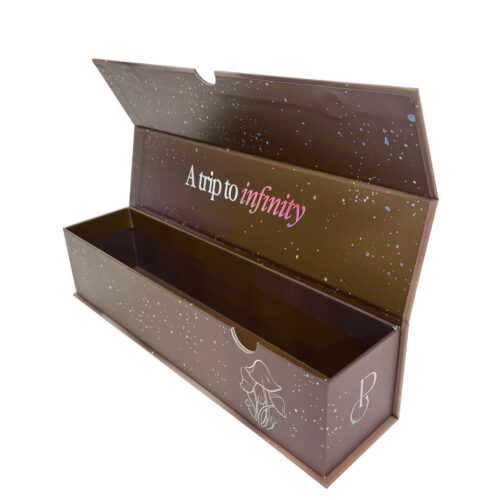
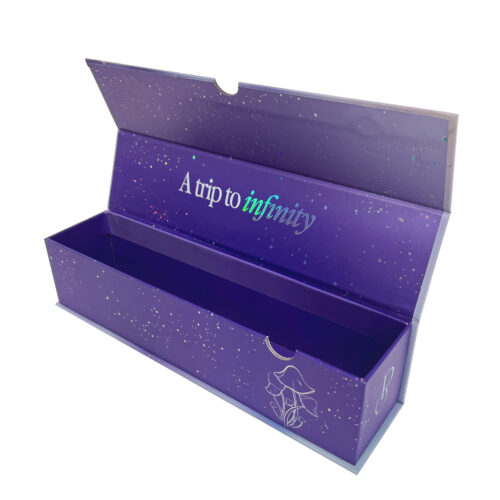
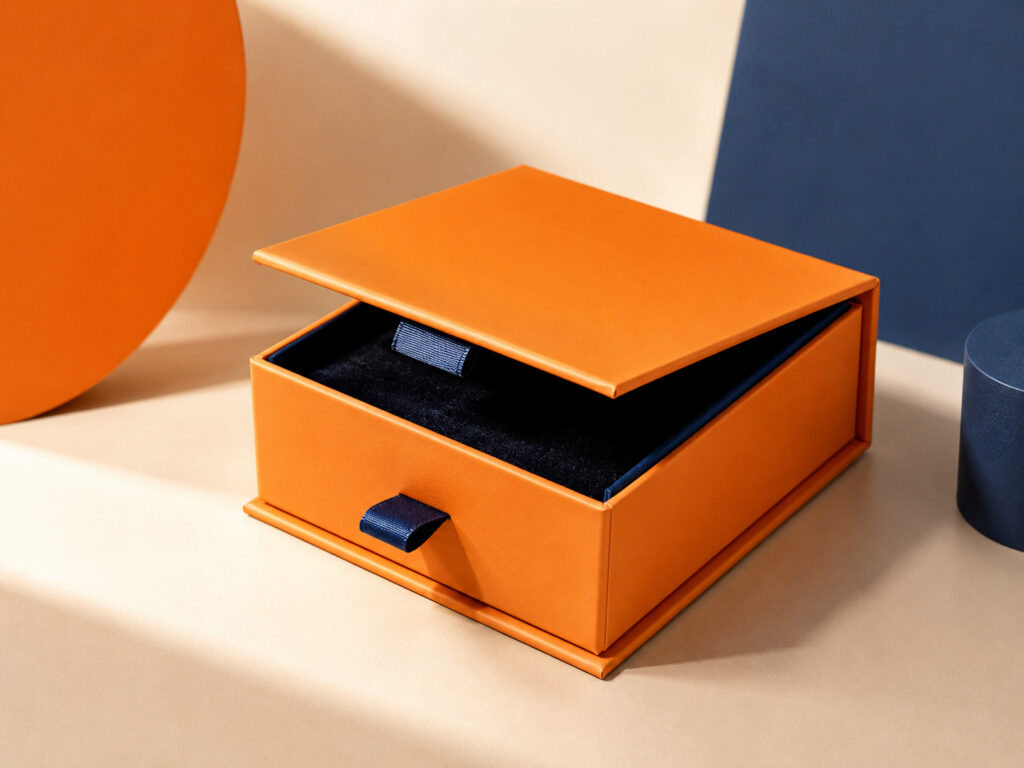
A straightforward printed clamshell project may be easier to schedule than luxurious custom rigid boxes requiring several finishing processes and complex internal components. Specialty materials, custom colors, detailed embossing, and hand-assembled elements may also require additional preparation or approval steps.
Buyers should consider the full project timeline rather than production days alone. Specification review, dieline preparation, artwork checking, material confirmation, sampling, revisions, final approval, production, quality inspection, packing, and transportation all affect the delivery plan. Supplying a complete RFQ early makes it easier to confirm realistic timing.
Which Inserts, Hinges, and Closures Work Best for Your Product
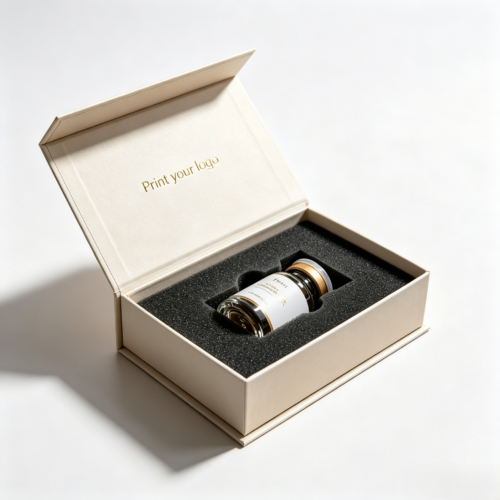
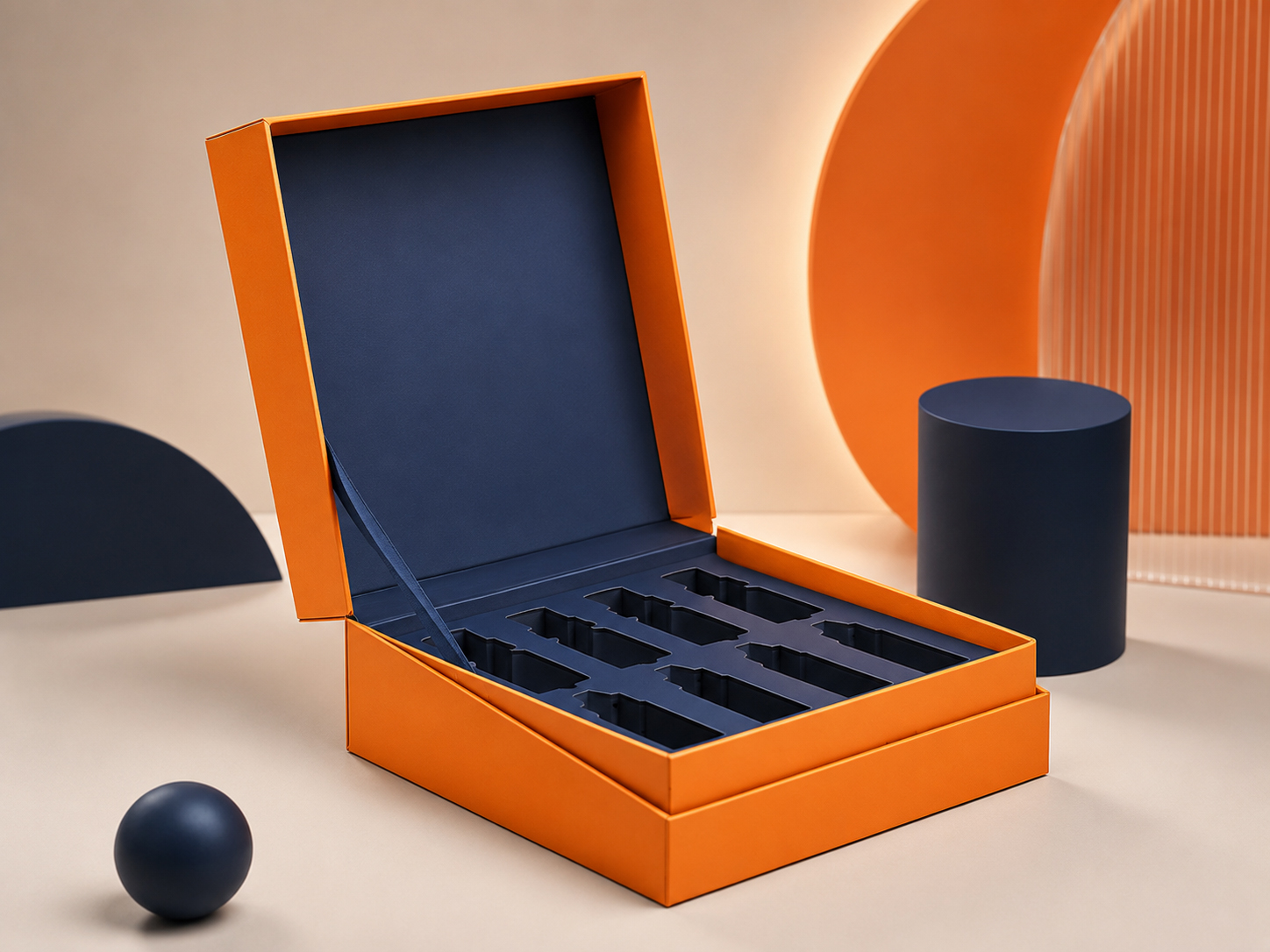
The best insert is the one that holds the product securely, presents it clearly, and allows the customer to remove it without difficulty. Paperboard inserts may work well for a more paper-based packaging solution, while foam or EVA inserts can provide additional cushioning for certain delicate products. Thermoformed inserts may suit products that require precise positioning.
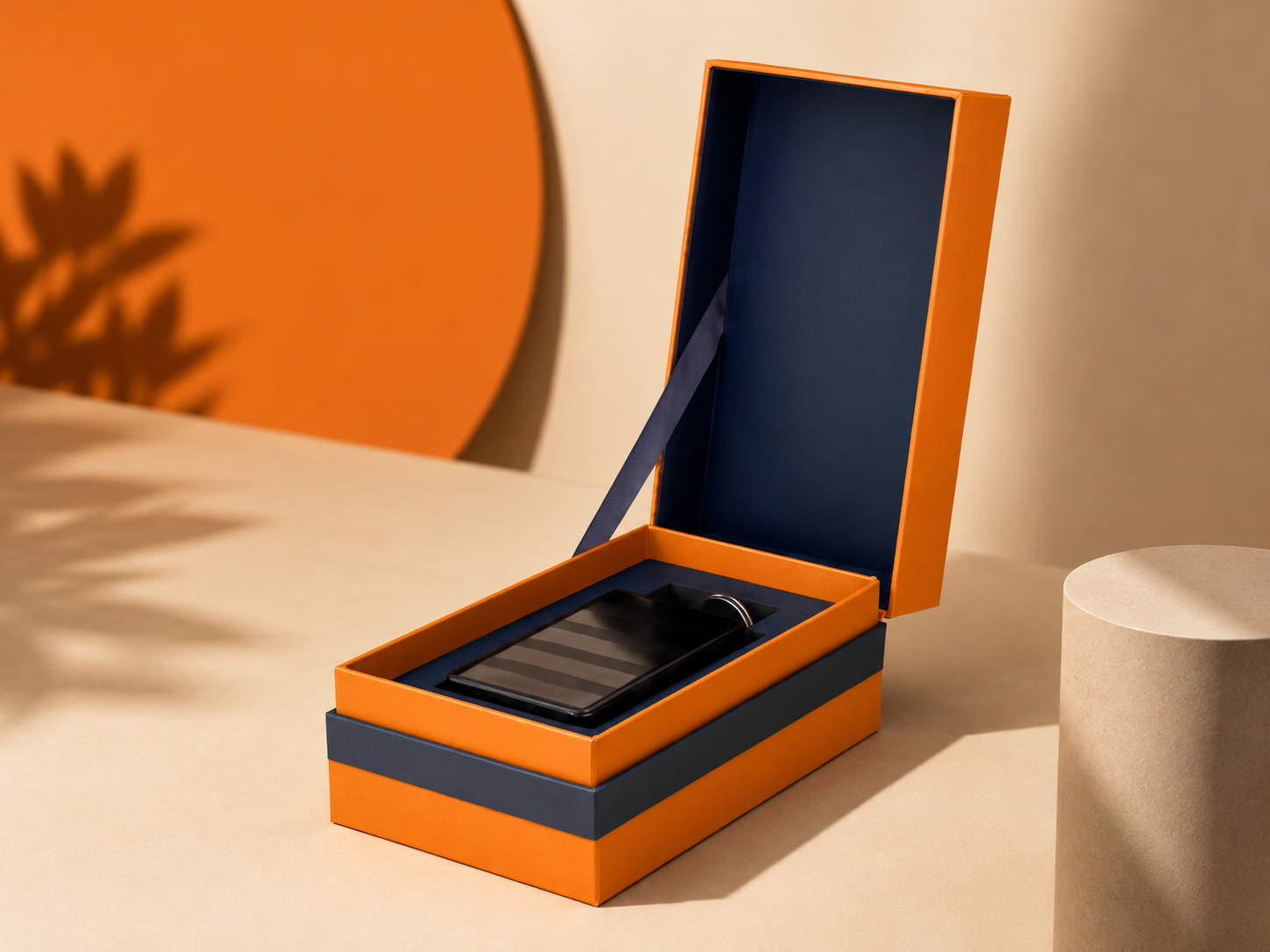
The insert should be developed from the real product dimensions rather than estimated from external box measurements. Accessories, charging cables, bottles, applicators, documentation, and other components should all be considered before the final packaging box layout is approved.
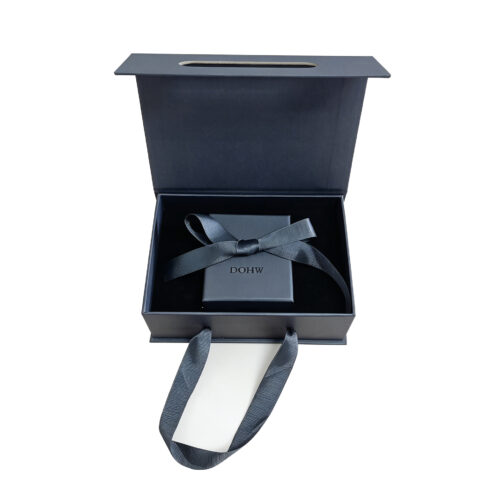
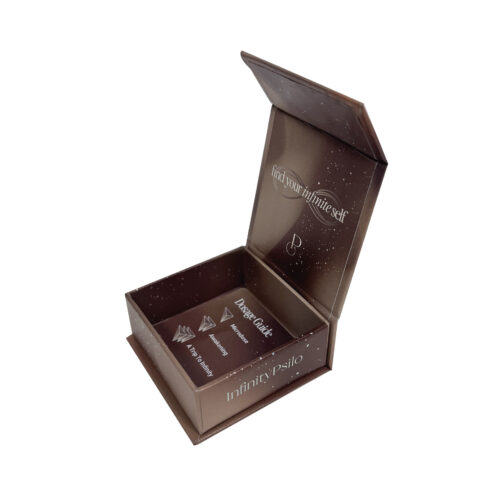
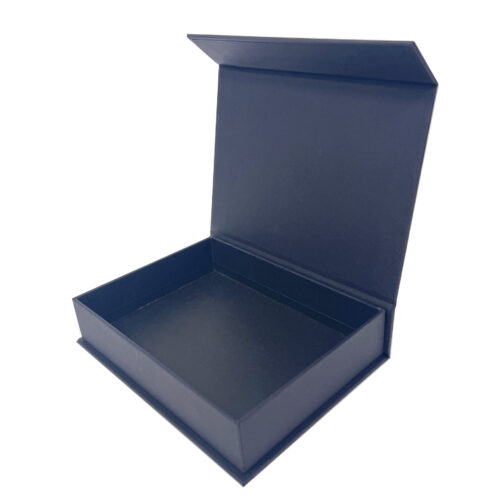
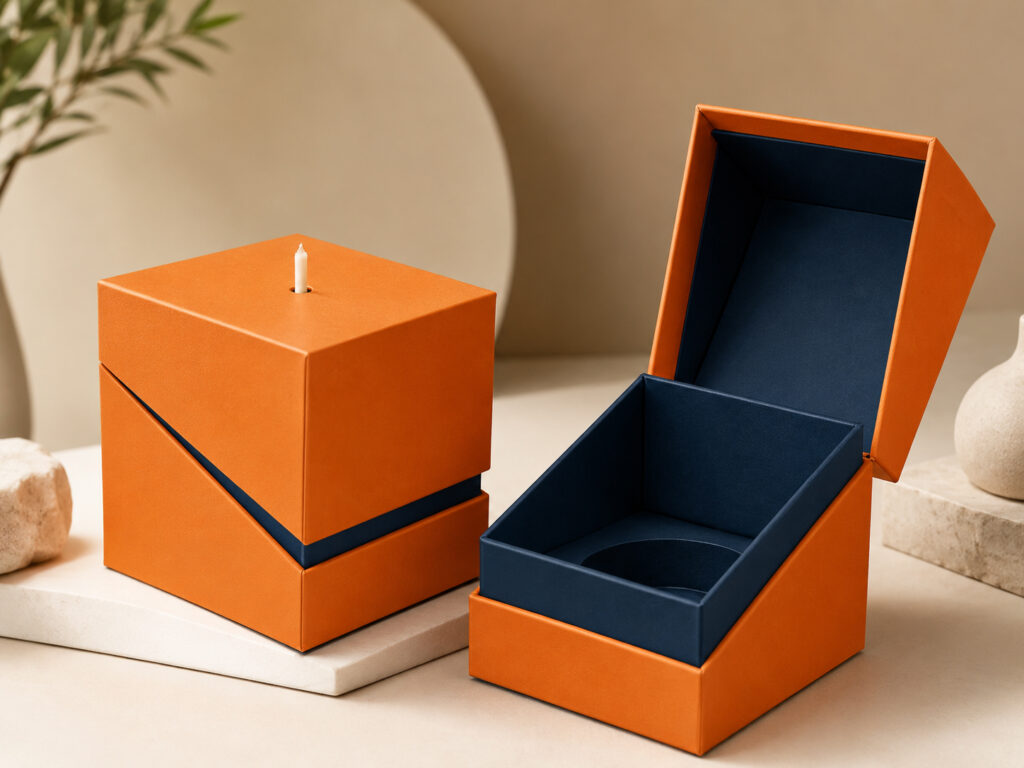
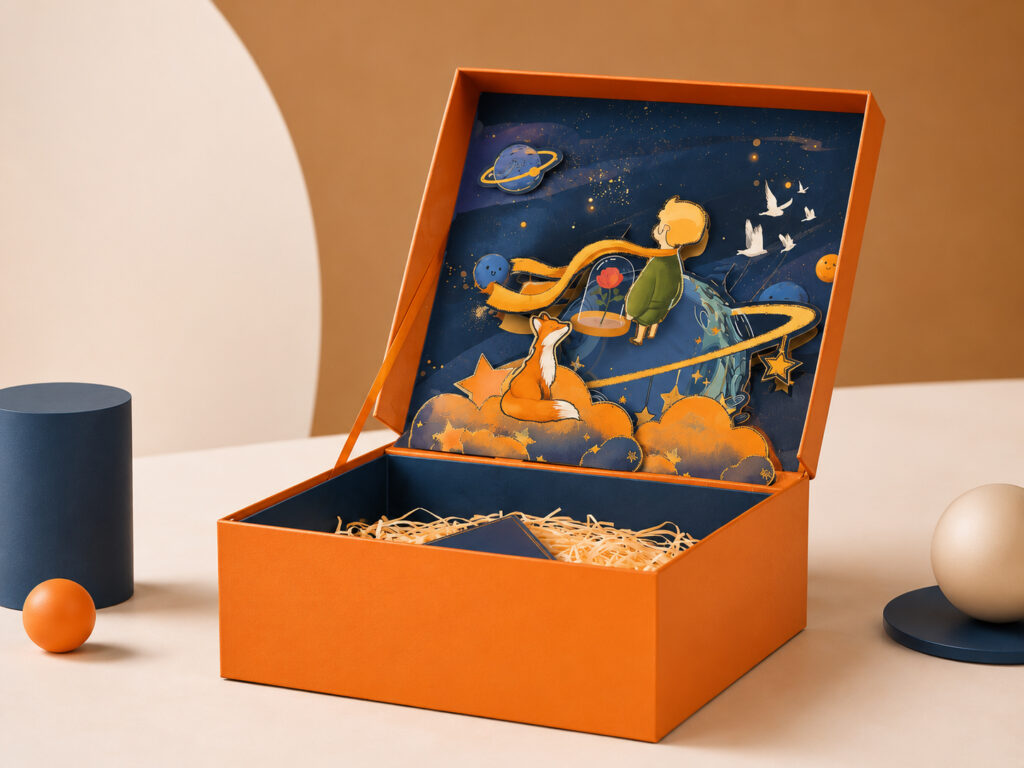
The hinge and closure also shape the user experience. A hinged lid rigid structure should open smoothly without visible strain at the fold. A ribbon pull can help lift an inner tray or product, while concealed magnets can create a firmer closing action when the structure requires it.
These details may look minor on a specification sheet, but together they determine whether the final clamshell box feels refined, awkward, secure, or difficult to use.