Custom Wig Boxes for Wigs and Hair Extensions

Create packaging around the way your product is folded, protected, displayed, and delivered. We develop custom wig packaging for human hair units, lace front styles, closure pieces, braided collections, bundles, and accessories. Size, structure, board, print coverage, interior support, and surface finishes can be adjusted to suit retail display, online fulfillment, gifting, or long-term storage.

Custom Wig Boxes

Custom Wig Packaging for Wigs, Extensions, and Beauty Collections

A custom wig box gives wig brands more control than a standard stock carton. The internal space can be planned around a folded unit, satin bag, care card, wig cap, edge band, or accessory set, helping the package look organized without leaving excessive empty space.

These packaging solutions can be developed for a luxury wig launch, closure wig range, box braid wig collection, hair extension program, subscription set, influencer kit, or everyday e-commerce order. The same visual system may also be adapted across related beauty boxes and product boxes so that the collection looks consistent.

For companies that want custom boxes for wigs, the important decisions are functional as well as visual. A custom box should be planned as part of the wider product packaging system, not treated as decoration added at the end. The package must fit the product, support the intended opening experience, pack efficiently, and arrive in presentable condition.

Custom Wig Packaging Box Styles

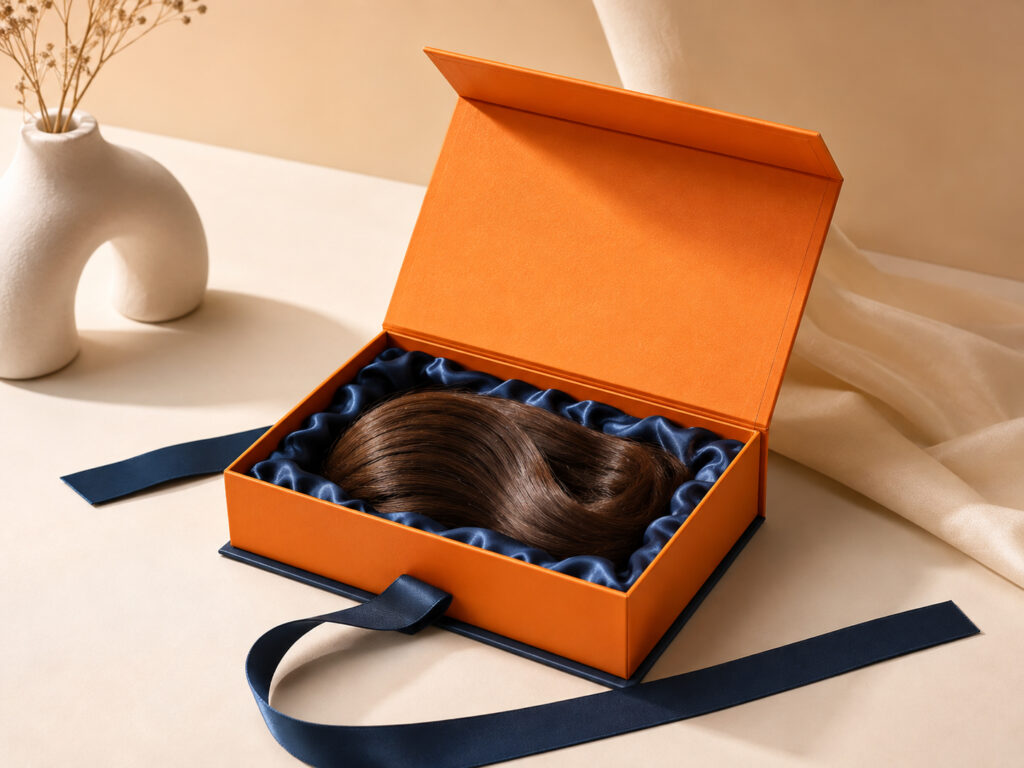
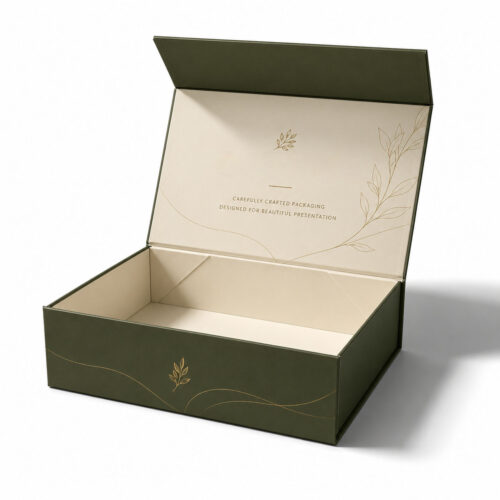
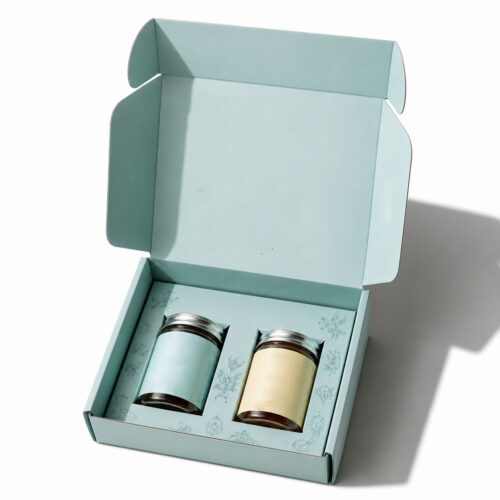
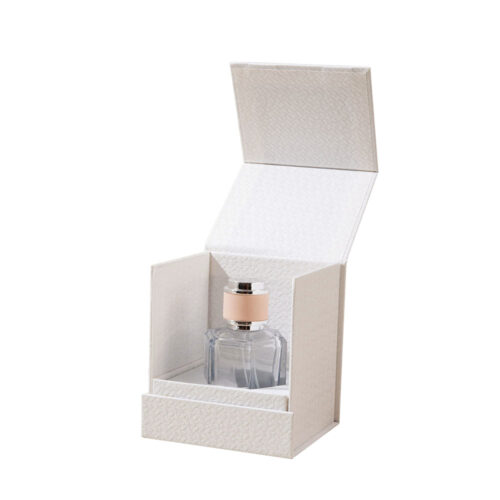
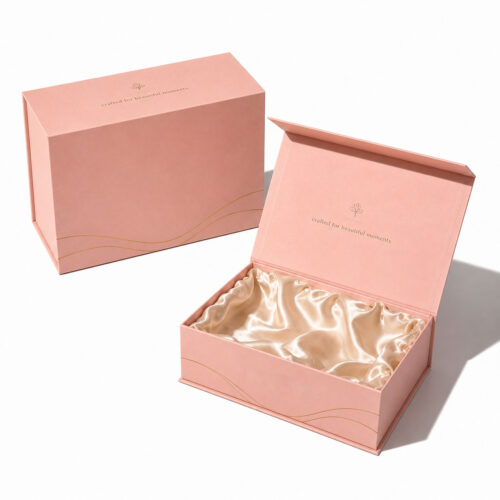
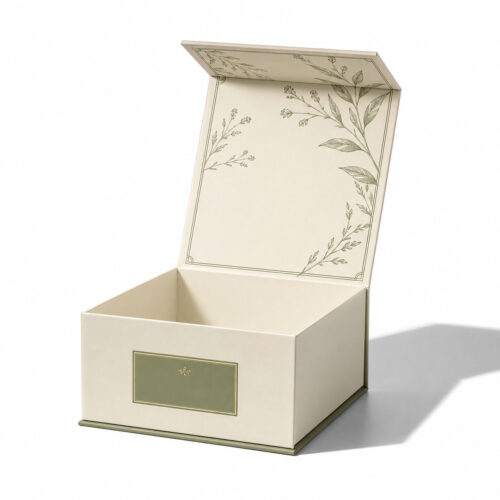
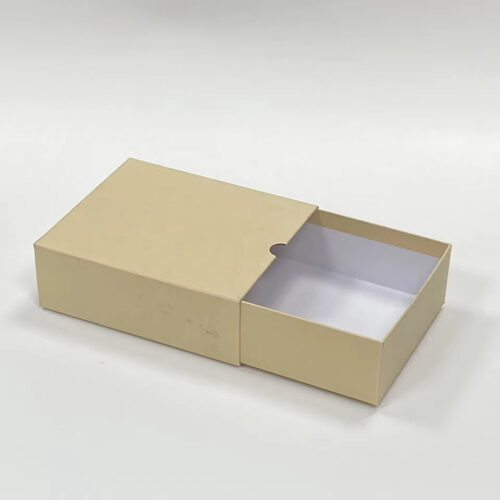
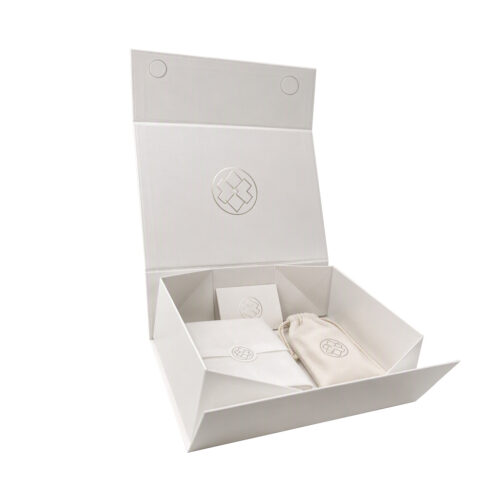
Explore rigid, folding, drawer, lid-and-base, ribbon, kraft, and mailer structures for different product sizes and sales channels. These custom wig packaging boxes can be adapted to different product volumes, display goals, and packing routines. This section can display customized boxes with different dimensions, papers, closures, interior layouts, and printed finishes so buyers can compare the available range.

Wig Box Packaging Structures for Different Sales Channels

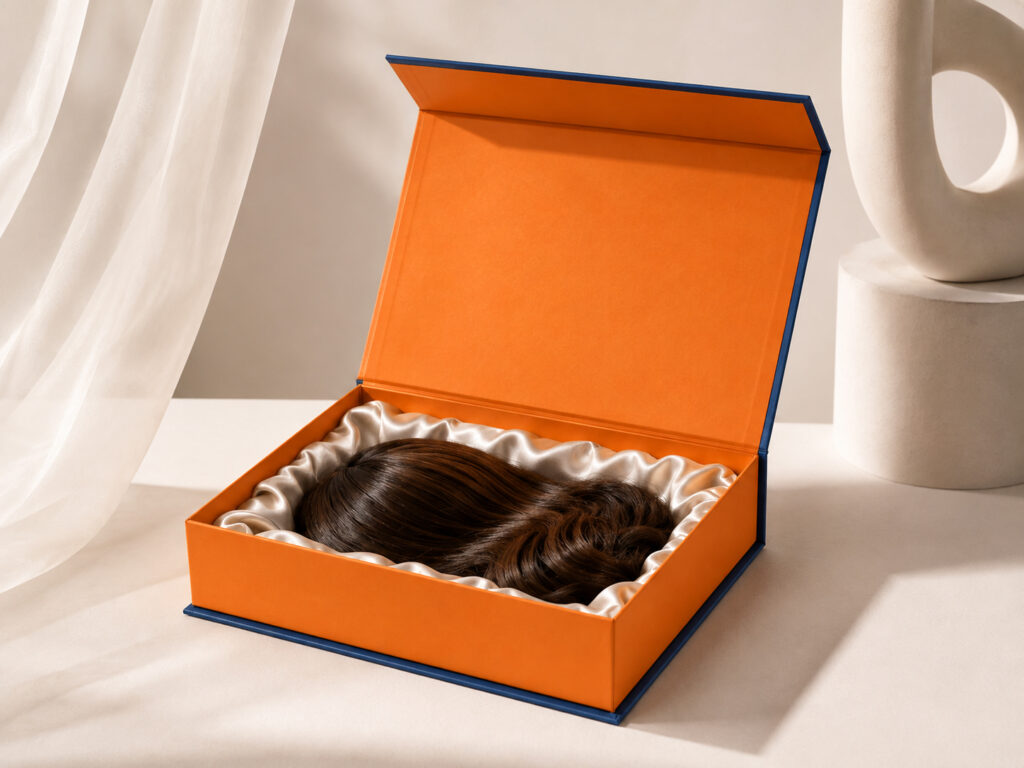
Rigid structures are often selected for gift presentation, retail collections, and reusable storage. A two-piece rigid wig box provides a separate lid and base, while a hinged format creates a book-like opening. This box style is useful when the wig box must retain its shape through repeated handling.

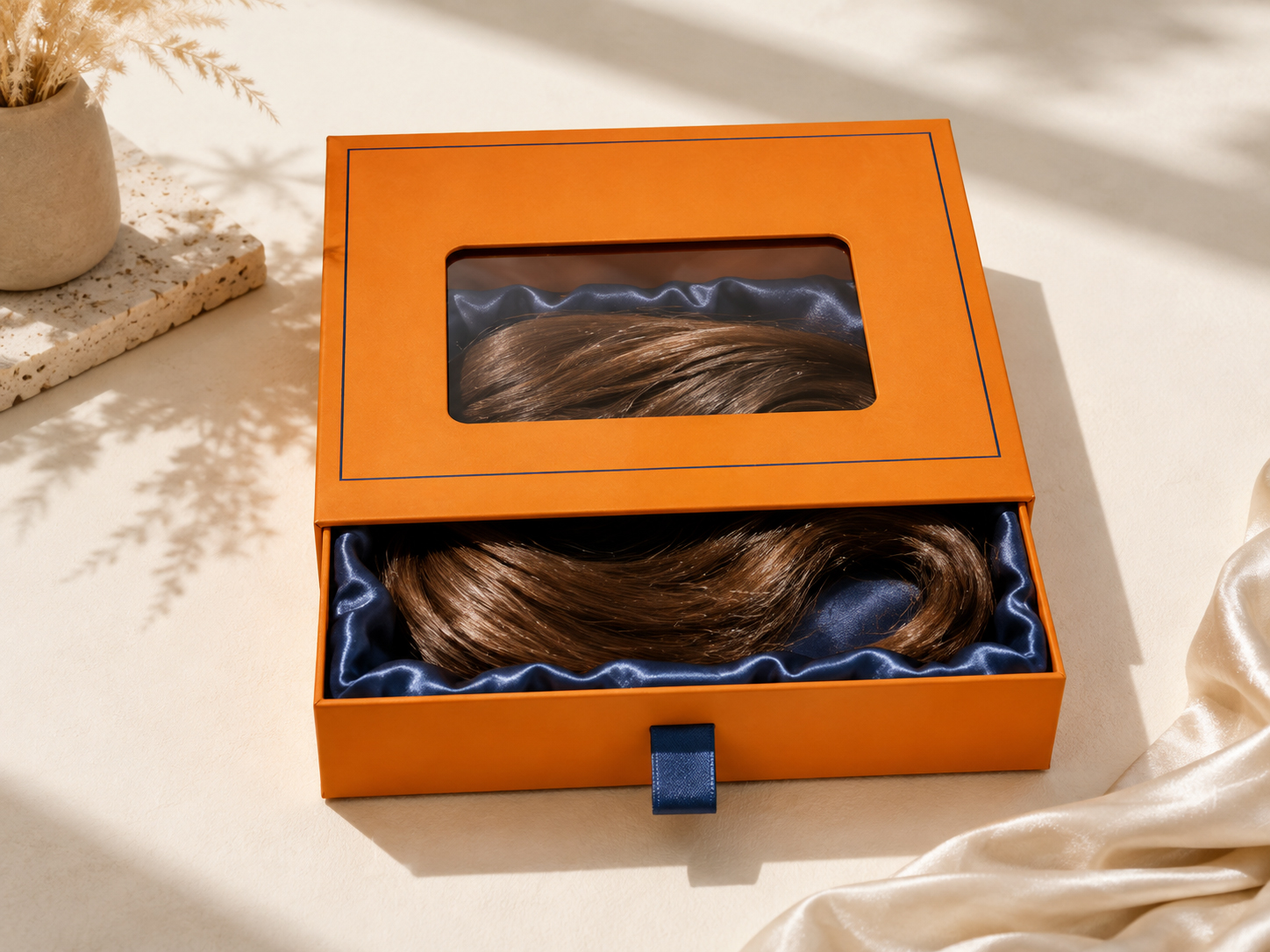
Drawer packaging is useful when the product is revealed gradually or when accessories need a separate area. A gift box with ribbon can support seasonal launches, creator mailings, and special-edition sets. Folding cartons use less storage space before assembly and may suit lighter products or price-sensitive programs. Corrugate structures are more appropriate when transit strength and stacking matter more than a rigid presentation.

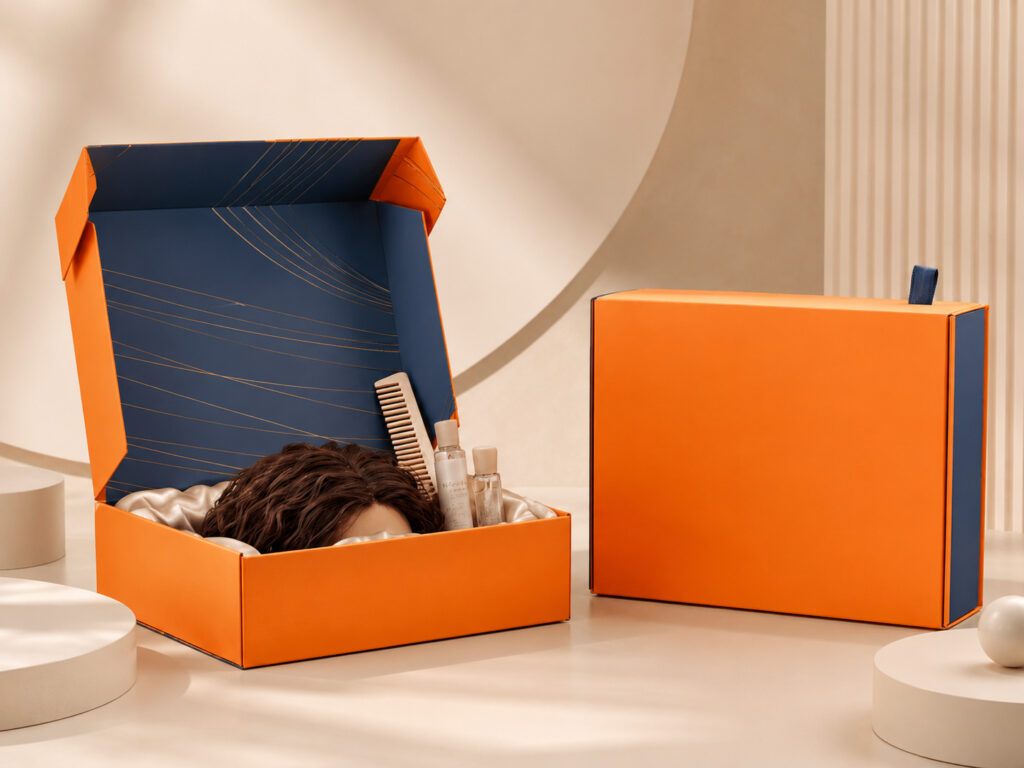
A wig mailer box or corrugated outer carton is more practical for direct delivery. Some brands use one decorative package inside stronger shipping boxes, while others prefer one branded mailer that handles both presentation and fulfillment. The right choice depends on product weight, distribution method, packing speed, and expected customer experience.

For buyers reviewing structural options, start with the sales channel. Retail shelves, salon display, subscription delivery, and cross-country shipping place different demands on the same package. Useful wig packaging ideas should solve those demands rather than add decorative features that slow assembly or increase freight volume.

A clear box design also makes it easier to customize the same family for several lengths, textures, or colorways. This approach can keep the collection recognizable without creating a completely different structure for every product.

Custom Size, Board Selection, and Interior Fit

The finished custom size should be based on the product after folding and arranging it for sale. Measure the complete pack, including tissue, a storage bag, cards, and accessories. This prevents a shallow carton from pressing the hair and avoids a package that is much larger than necessary.

Common options include wrapped rigid board, folding paperboard, kraft stock, and corrugated cardboard packaging. The selected packaging material should match the dimensions, product weight, opening method, print plan, and shipping conditions.

High-quality packaging does not always mean choosing the heaviest available board. It means selecting a construction appropriate for the product, distribution route, expected handling, and presentation requirements. An unnecessarily heavy package may increase material use and shipping volume without improving the customer experience.

An interior support may be used to control movement or organize smaller items. Paperboard, molded pulp, foam, or fabric-covered components can be considered, but the insert should not snag fibers or compress the arranged style. Custom inserts are most useful when they have a clear job, such as separating a cap, band, card, or care product.

Every structure can be custom made around the packed contents. Before the boxes are made, a plain sample should confirm external dimensions, internal clearance, opening direction, and product placement. This is especially important for a bespoke wig presentation with several components.

Custom Printing, Branding, and Surface Finishes

Printing can cover the exterior, interior, sleeve, tissue, and printed cards. Custom printed wig boxes may use coordinated artwork across these components to create a consistent presentation.

Full-color artwork supports photographs, gradients, and detailed patterns, while spot colors are useful for controlled brand palettes. Brand artwork can also be applied through foil stamping, embossing, debossing, or a printed label.

Custom-printed wig boxes should be reviewed at their real production size. Fine lettering, narrow foil lines, dark colors on uncoated paper, and artwork crossing a fold may need adjustment before production. Vector artwork and clear color references make the prepress review easier.

Wig packaging boxes with logo applications can use matte lamination, gloss details, textured paper, ribbon, or selective metallic accents. Custom logo packaging works best when each finish has a purpose and does not compete with the product name or required information.

For brands comparing custom wig boxes with logo treatments, request a finish map showing exactly where foil, embossing, or spot coating will appear. Wig boxes with logos should still leave enough space for product information, handling marks, and other required details.

A high-quality custom result depends on clear artwork approval as much as the physical construction. Confirm the exterior design, interior printing, foil areas, embossed elements, paper texture, and production colors before approving the order.

Custom Wig Boxes
Custom Wig Boxes
Custom Wig Boxes
Custom Wig Boxes
Custom Wig Boxes
Custom Wig Boxes

Hair Packaging for Retail Display, Storage, and Shipping

Retail display packaging should communicate the wig hair type clearly and remain easy for staff to open, close, and restock. Internal labels or printed cards can identify color, length, texture, cap construction, or collection without overloading the outside panel.

For wig storage, allow enough room for the arranged unit and any protective wrap. A smooth interior surface is preferable around delicate fibers. The package should also be easy for customers to reopen without damaging the hair or tearing important printed information.

For e-commerce, the decorative packaging box may need an outer shipper, cushioning, or void fill so the branded surface is not expected to absorb all transport handling. UPS recommends wrapping items, using cushioning material, and securely sealing the shipping carton, which supports using an additional transport layer when the presentation package is not designed as the shipping container.

Eco-friendly wig packaging may use right-sized paper structures, recycled-content stock, paper-based supports, or reduced mixed materials. FSC chain-of-custody certification verifies that certified forest-based materials are identified and tracked through production and distribution. Environmental claims and marks should match the verified paper and supplier documentation for the order.

Wholesale Wig Boxes and Order Planning

Volume pricing depends on more than the external size. Construction, board grade, paper, print coverage, finishes, tooling, assembly, quantity, export packing, and destination all affect the calculation.

Wig boxes wholesale offers should be compared using the same written specification rather than the unit price alone. A lower quotation may reflect thinner board, reduced print coverage, a simpler interior, different packing terms, or fewer included services.

Buyers searching for wig packaging boxes wholesale should decide which details are fixed and which can be adjusted. Keeping one structure across several product variants may simplify purchasing, while changing only the artwork can help separate collections.

A shared footprint can also make master-carton and warehouse planning more predictable. It may reduce the number of structural samples required when the same construction is used across several colors, lengths, or product categories.

Wholesale wig boxes can be evaluated through sampling before full production. A plain prototype checks fit, opening, and assembly. A printed version checks artwork, color, paper, finishing placement, and the overall opening experience.

When evaluating affordable boxes, compare the board, wrap, finishing process, interior construction, packing method, and included services. A lower unit price is only useful when the final specification still meets the product’s protection and presentation requirements.

For larger purchasing programs, ask how revisions, repeat orders, and artwork versions will be managed. Quality custom production depends on controlled specifications and clear approvals, not simply an attractive digital rendering.


What to Send for Pricing, Sampling, and Production

To buy custom wig boxes, begin with the packed product measurements and a short explanation of how the package will be used. State whether it is intended for retail, gifting, storage, influencer distribution, or direct shipping.

This context helps the supplier recommend a suitable structure instead of copying a reference image without understanding its purpose. Reference photographs are helpful, but they do not replace dimensions, material details, or functional requirements.

Provide the following information:

  • Packed product length, width, and height
  • Product type and number of items per package
  • Preferred construction or reference image
  • Estimated order quantity
  • Exterior and interior artwork
  • Required printing and finishes
  • Accessory compartment requirements
  • Delivery destination and target date
  • Plain or printed sample requirements

Also explain your packaging needs if the structure is still undecided. A supplier can compare custom packaging boxes, custom hair extension boxes, closure boxes, rigid presentation formats, and corrugated options.

The recommended custom wig box should balance product fit, presentation, assembly time, storage, and shipping protection. It should also be realistic for the planned quantity and daily packing process.

A quality custom proposal should identify what is included in the price and which items remain optional. Confirm tooling, samples, setup, assembly, packing, and freight terms before approval.

This is also the right stage to discuss unique custom features. Each feature should solve a practical or visual requirement rather than being included only because it appeared in another brand’s package.

Custom Wig Box Questions Before Ordering

Straight tuck cartons have top and bottom closures that fold in the same direction, helping keep the main display panels clean. Reverse tuck cartons have closures that fold in opposite directions. Both are cost-effective options for lightweight and moderately weighted products.

Choose an automatic bottom when faster manual setup and a stable base are important. The base is pre-glued and opens as the carton is squared. Product weight, dimensions, and paperboard thickness must still be reviewed before confirming the structure.

Yes. Folding carton boxes can include die-cut windows, paperboard inserts, molded fiber components, or other internal supports. The insert should reduce movement without making assembly unnecessarily difficult or adding avoidable material.

Most custom folding cartons are supplied flat with the manufacturer’s joint already glued. The packer opens the carton, closes or locks the base, loads the product, and secures the top. Seal end structures may use a different packing sequence.

Most custom folding cartons are supplied flat with the manufacturer’s joint already glued. The packer opens the carton, closes or locks the base, loads the product, and secures the top. Seal end structures may use a different packing sequence.

Most custom folding cartons are supplied flat with the manufacturer’s joint already glued. The packer opens the carton, closes or locks the base, loads the product, and secures the top. Seal end structures may use a different packing sequence.

Paperboard thickness is selected according to product weight, carton dimensions, panel size, stacking, finishing, and required stiffness. A sample helps confirm that the board holds its shape, folds cleanly, and protects the product during normal handling.

Paperboard thickness is selected according to product weight, carton dimensions, panel size, stacking, finishing, and required stiffness. A sample helps confirm that the board holds its shape, folds cleanly, and protects the product during normal handling.

Provide internal dimensions, product weight, expected quantity, material preference, artwork, print colors, finishes, window or insert requirements, packing method, and target delivery date. Product photos or a physical sample can help the folding carton manufacturer recommend a suitable structure.

Provide internal dimensions, product weight, expected quantity, material preference, artwork, print colors, finishes, window or insert requirements, packing method, and target delivery date. Product photos or a physical sample can help the folding carton manufacturer recommend a suitable structure.

Many paperboard boxes can enter paper recycling streams, but acceptance depends on local facilities and the carton’s coatings, food residue, plastic windows, adhesives, and inserts. The EPA includes folding cartons within paper and paperboard packaging but recommends checking local collection rules.

Many paperboard boxes can enter paper recycling streams, but acceptance depends on local facilities and the carton’s coatings, food residue, plastic windows, adhesives, and inserts. The EPA includes folding cartons within paper and paperboard packaging but recommends checking local collection rules.

Request Pricing for Custom Wig Packaging

Send your packed dimensions, product type, preferred wig box construction, estimated quantity, artwork, finishing requirements, destination, and sample needs. We will review the information, identify any missing production details, and prepare recommendations for your project.

CTA