Custom Apparel Boxes and Clothing Packaging with Logo

Create apparel packaging around the garment, sales channel, and customer experience—not a generic box size. We produce custom apparel boxes for shirts, folded clothing, fashion accessories, boutique collections, gift sets, and ecommerce orders. Choose the structure, dimensions, paper material, printed artwork, finish, tissue paper, and inserts required for your project. Send us your product dimensions and order quantity to receive a quotation, packaging recommendation, or physical sample.

Custom Apparel Boxes

Custom Apparel Packaging for Clothing Brands and Retailers

Custom apparel packaging can be developed for fashion brands, clothing retailers, boutiques, ecommerce sellers, wholesalers, and product development teams. The box should fit the folded garment, support the intended presentation, and work efficiently within the buyer’s packing, storage, and delivery process.

Available applications include shirt boxes, garment boxes, apparel gift boxes, accessory packaging, promotional kits, product launch sets, subscription boxes, and retail packaging. Projects can range from simple paperboard clothing boxes to rigid presentation boxes and corrugated mailers.

Before recommending a packaging solution, the supplier should understand what will be packed, how the garments will be folded, whether the box will be displayed or shipped, and what level of presentation is expected.

Custom Apparel Box Styles for Retail, Gifting, and Shipping

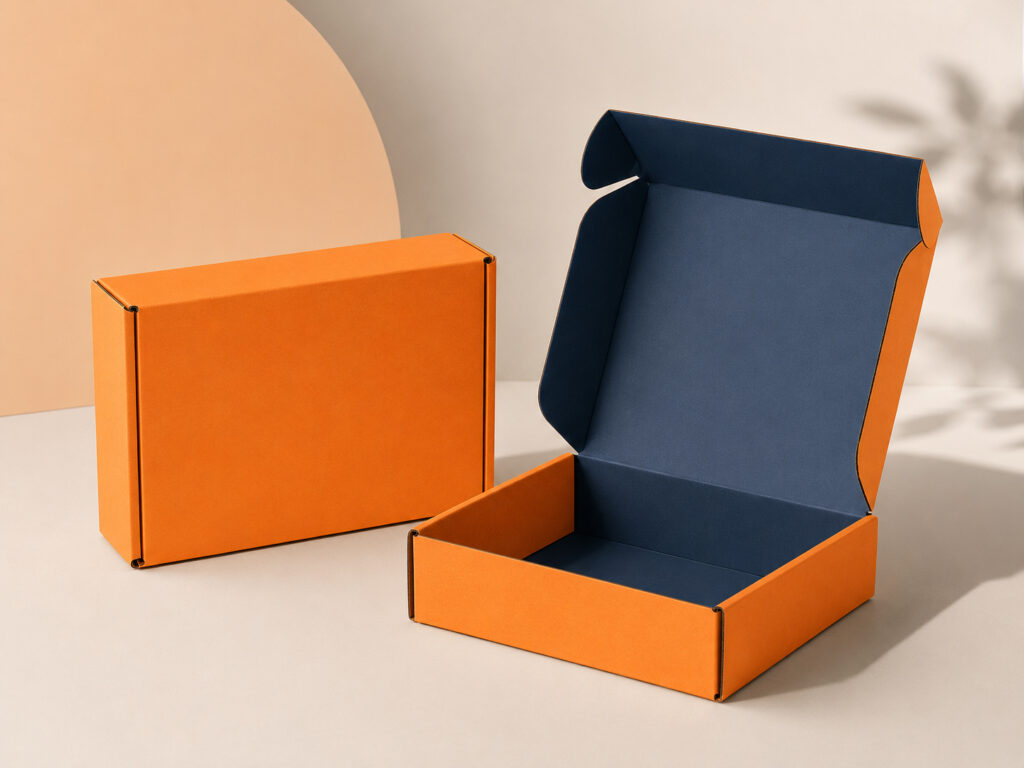
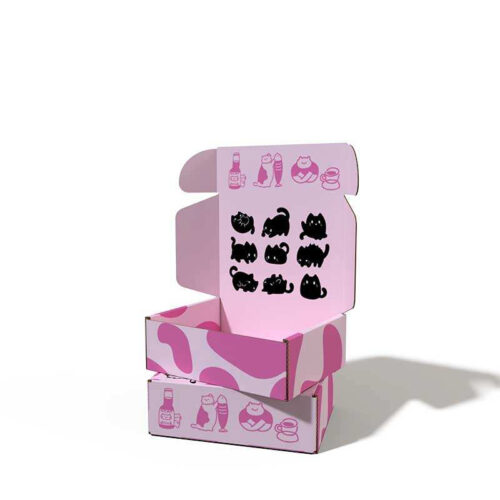
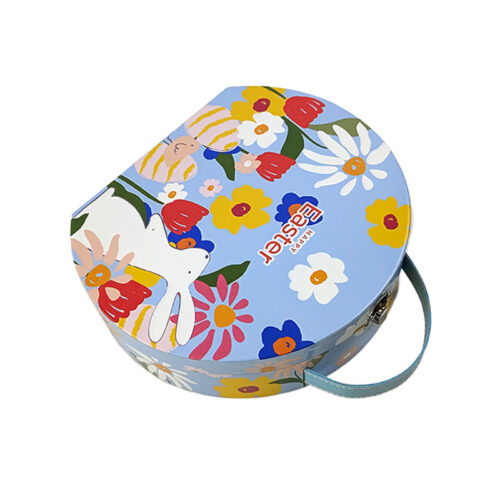
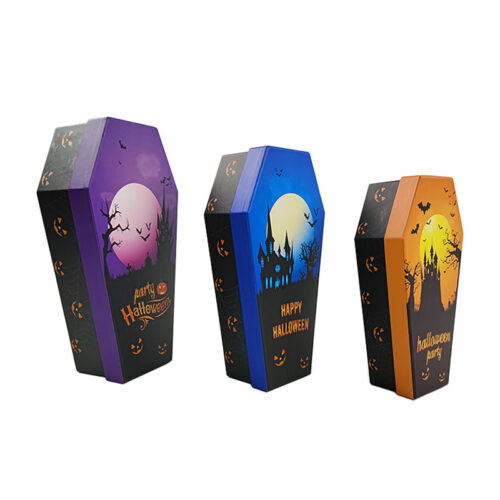
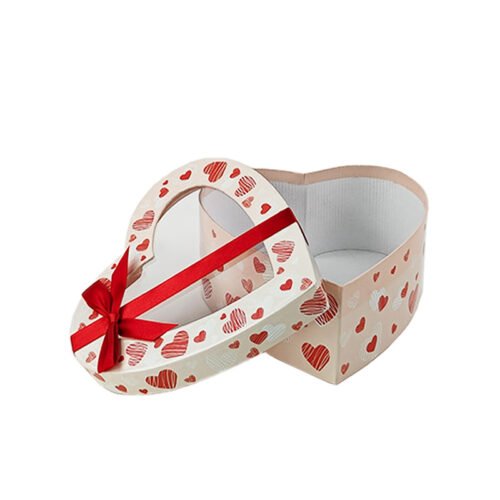
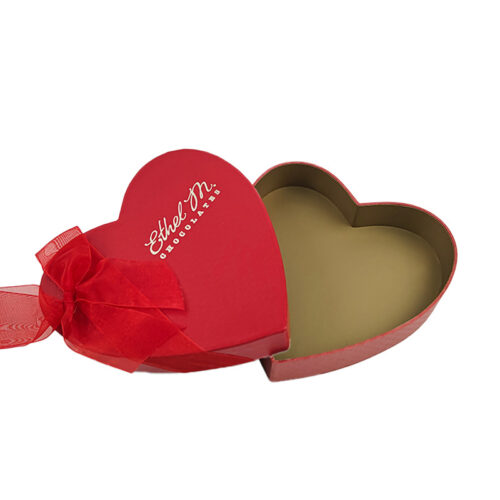
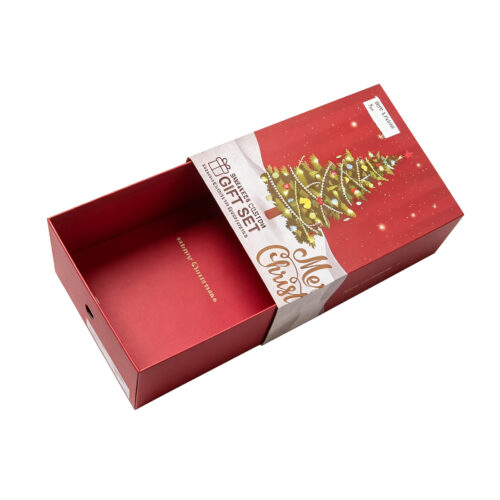
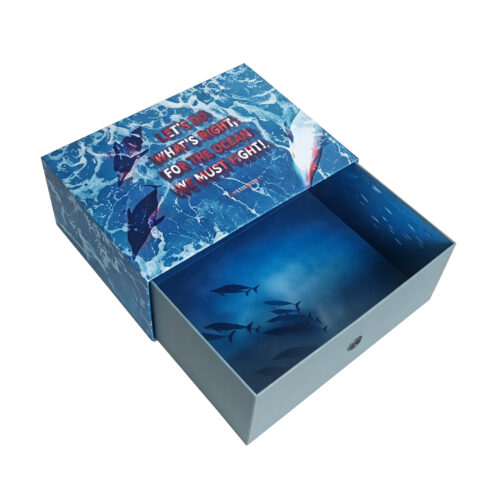
Browse the custom apparel boxes displayed below to compare structures for folded garments, fashion accessories, clothing gift sets, retail collections, and ecommerce orders. Each apparel box can be adjusted around your product dimensions, artwork, material preferences, opening style, and presentation requirements.

The product examples can also help you identify practical packaging options before requesting a structural recommendation, quotation, or sample.

Rigid, Folding, and Mailer Boxes for Apparel

Rigid apparel boxes are commonly selected for gift sets, product launches, influencer kits, and high-end retail presentation. Their assembled structure provides a substantial opening experience and can accommodate tissue paper, cards, ribbons, or fitted inserts.

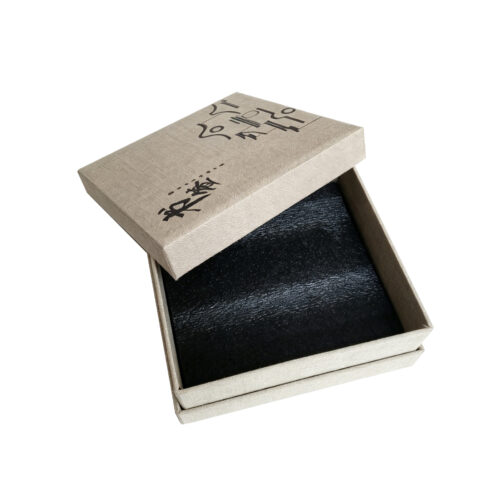
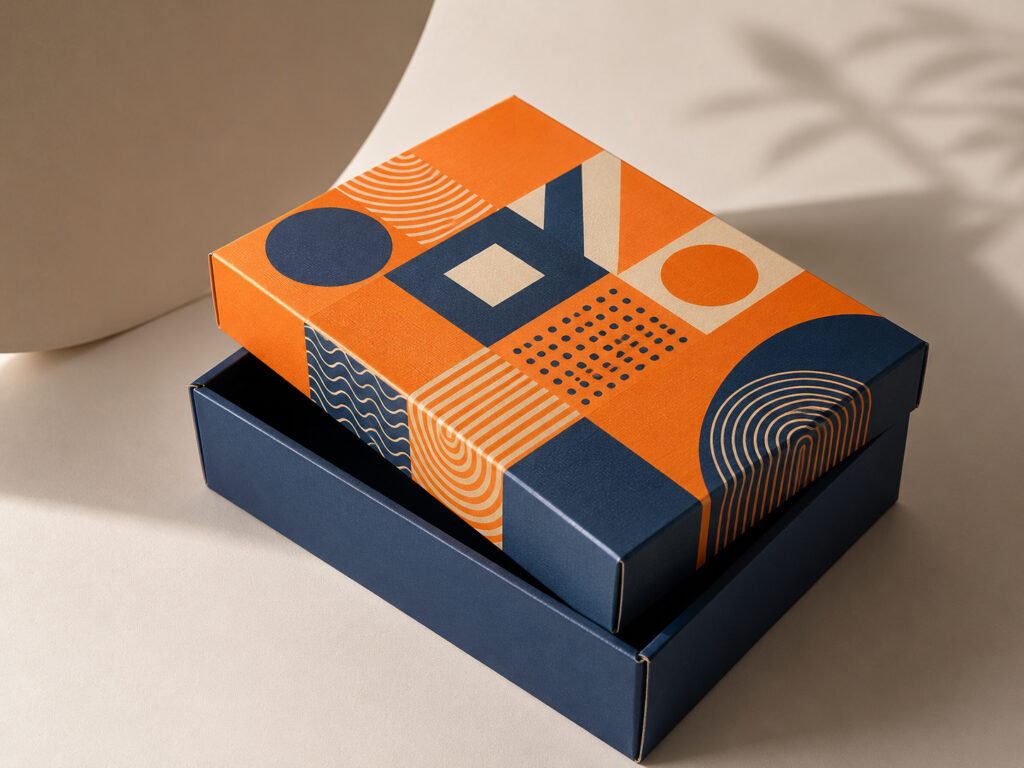
Two-piece lid-and-base boxes provide a familiar presentation format for shirts, scarves, lingerie, and folded garments. Magnetic closure boxes offer a controlled opening and can be used when the packaging is intended to be retained after purchase.

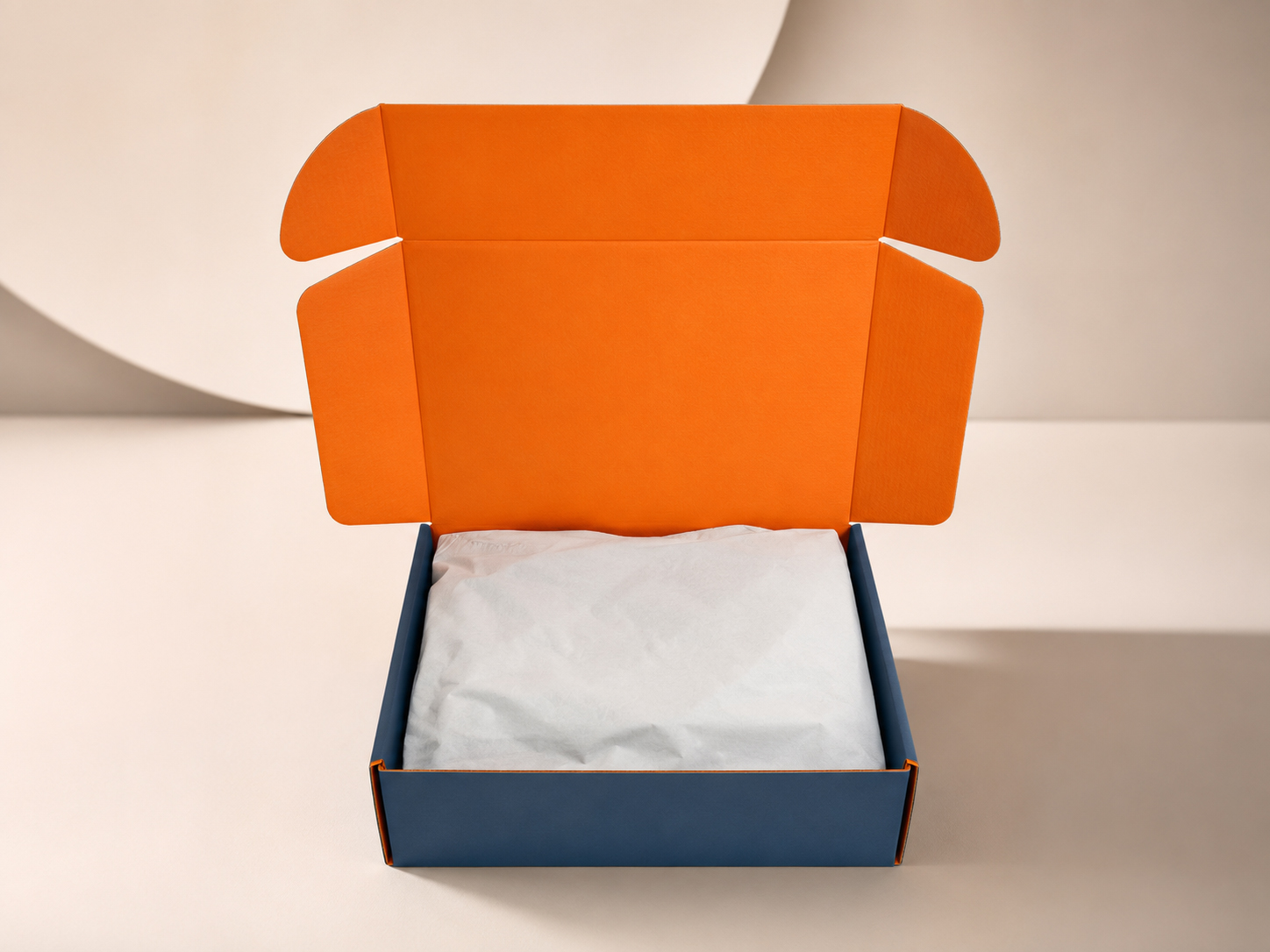
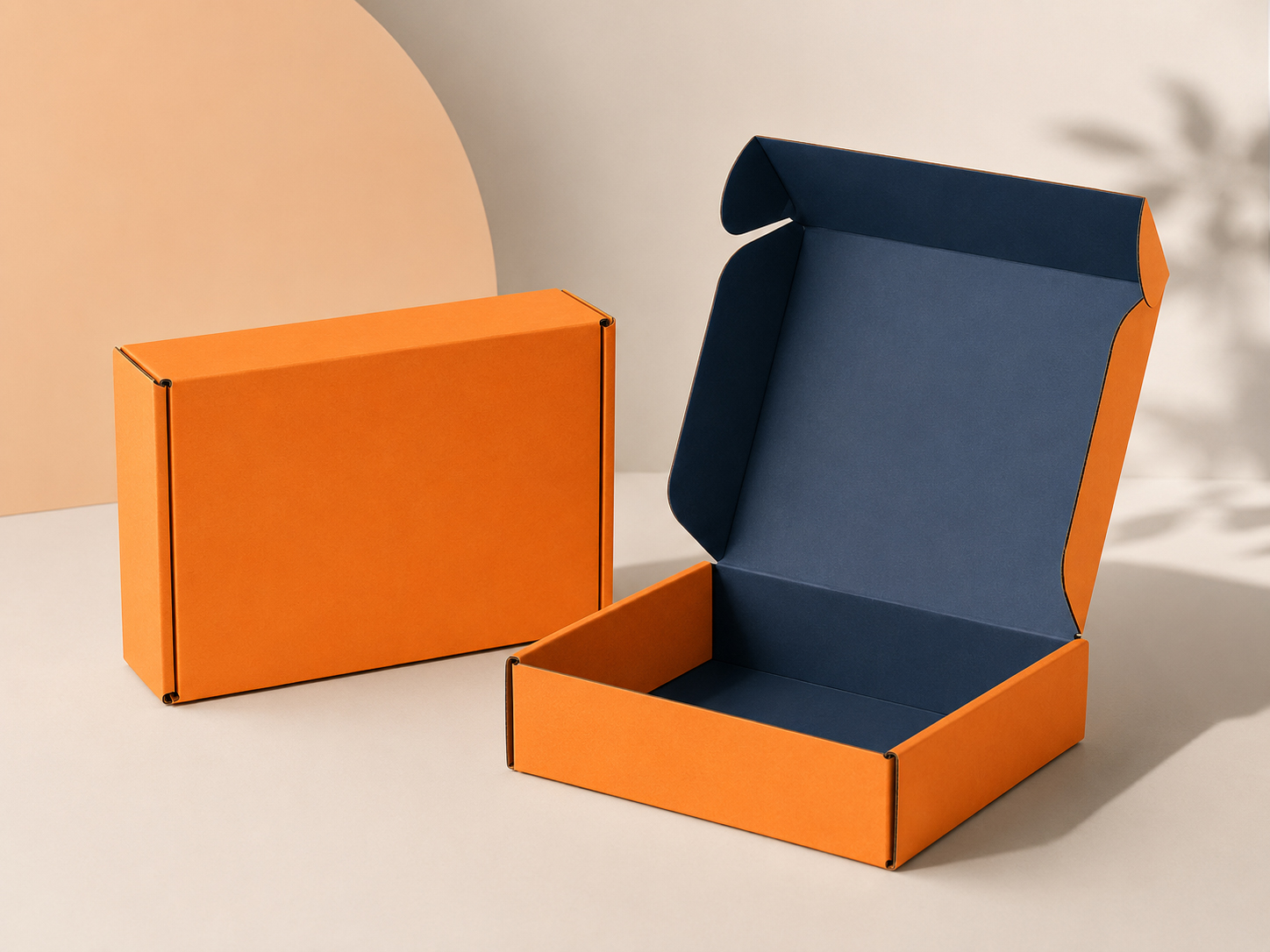
Folding gift boxes provide a more space-efficient alternative because they can be stored flat before assembly. Paperboard cartons work well for lightweight retail products, while corrugated mailer boxes are more appropriate when the package must pass through an ecommerce delivery network.

The decorative apparel box and the shipping box do not always need to be the same structure. A printed clothing box may be placed inside a protective corrugated outer carton when both presentation and transit protection are required. FedEx also recommends choosing packaging that properly fits the clothing and using stronger box options for delicate garments.

Paperboard, Kraft, and Corrugated Materials for Clothing Boxes

Paperboard is suitable for lightweight folding cartons and retail packaging boxes. It provides a smooth printing surface and can be produced in different thicknesses according to the size and weight of the clothing products.

Wrapped rigid board creates a heavier, more structured apparel box. It is often considered for apparel gift boxes, fashion launch kits, and custom clothing packaging where presentation is more important than flat storage.

Kraft paper offers a natural, less coated appearance and can be used for folding boxes, sleeves, paper bags, or corrugated packaging. Corrugated cardboard provides additional resistance to compression and handling, making it more suitable for mailer boxes and outer shipping cartons.

Material claims should remain precise. Terms such as paper-based, recyclable, reduced-plastic, or FSC-certified should only be used when the complete structure and supporting documentation justify them. FSC explains that certified material must remain identifiable and traceable throughout the supply chain before finished products can carry an FSC claim or label.

Mylar bags or custom mylar packaging may be useful for selected accessories, fabric components, or products that need an additional moisture barrier. They should not be presented as a structural replacement for apparel packaging boxes.

Custom Printed Apparel Boxes with Logo and Branded Finishes

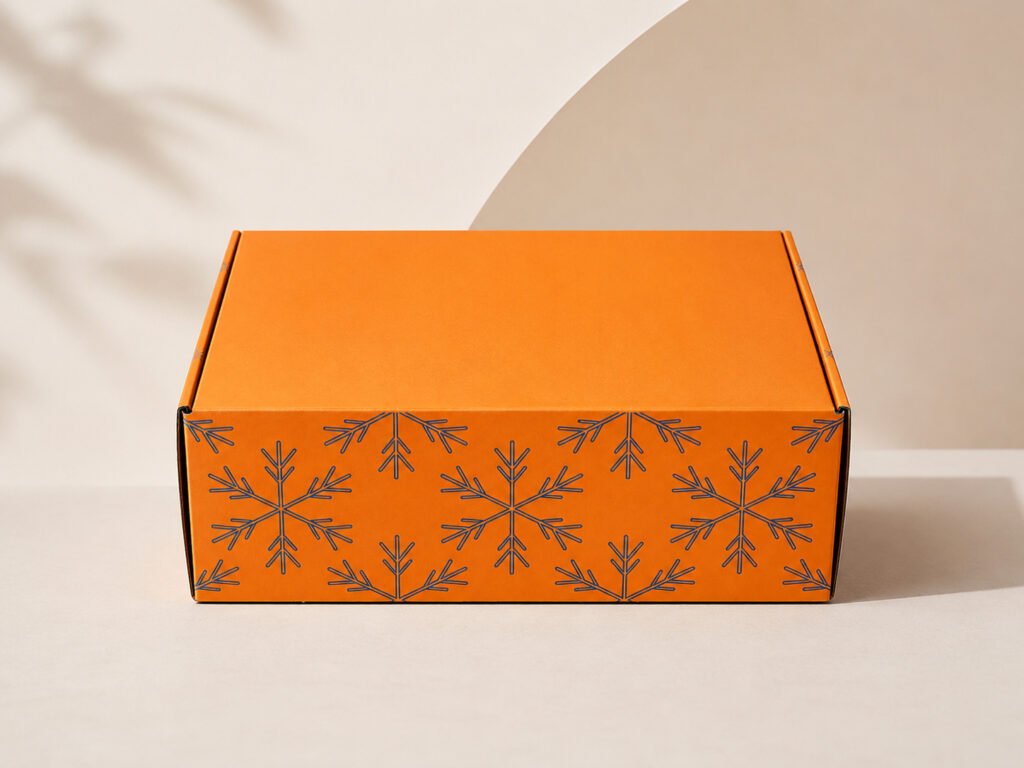
Custom printed apparel boxes can carry a logo, product information, brand colors, seasonal artwork, campaign graphics, or care instructions. Buyers can personalize the outside, inside, lid, base, sleeve, tissue paper, and other visible presentation elements.

Offset printing may be suitable for larger production quantities and detailed color requirements. Digital printing may be considered for samples, shorter production runs, or artwork that does not justify a full offset setup. The final printing method depends on quantity, box material, artwork, color expectations, budget, and turnaround.

Available decorative options may include foil stamping, embossing, debossing, matte or gloss lamination, printed sleeves, ribbons, labels, and custom finishes. Inserts can hold accessories, cards, small products, or several garments in a fixed arrangement.

Finishes should be selected as part of the complete packaging specification. A visually attractive finish still needs to work with the chosen paper, box structure, folding areas, production quantity, and shipping method.


Custom Apparel Boxes

Apparel Packaging for Retail, Ecommerce, Gifting, and Kitting

Retail apparel packaging should support shelf presentation, stock handling, and efficient packing. Paperboard cartons, two-piece clothing boxes, and compact rigid boxes can be considered depending on the product and display environment.

Ecommerce packaging requires greater attention to handling, movement, moisture exposure, and delivery efficiency. Corrugated mailers or shipping cartons are generally more practical than presentation-only boxes. The internal dimensions should reduce unnecessary movement without compressing the garment.

Boutique packaging may place more emphasis on tissue paper, branded stickers, ribbons, and the unboxing sequence. Apparel gift boxes often need space for greeting cards, accessories, or several coordinated items.

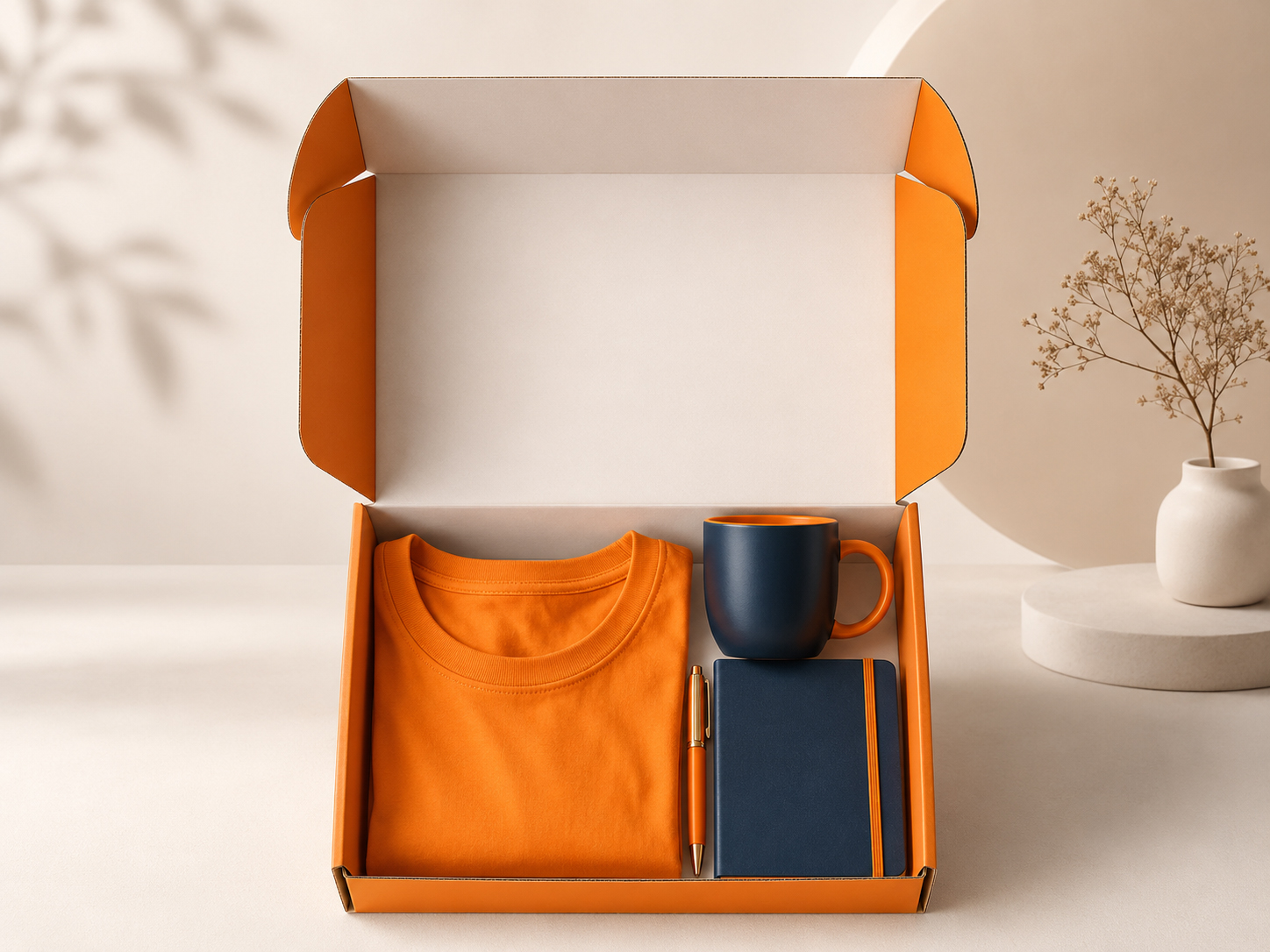
Product launch kits, influencer mailers, subscription boxes, and wholesale apparel sets may require kitting. In these projects, the box structure should be planned around every component rather than only the main garment. Product cards, samples, accessories, inserts, and tissue paper all affect the final dimensions.

How to Choose the Right Custom Clothing Box

Start with the folded product dimensions. Measure the length, width, and total packed height rather than relying only on clothing size labels. Include tissue paper, inserts, accessories, and the number of garments placed in each box.

Next, define the purpose of the packaging. A retail clothing box, gift box, warehouse carton, and ecommerce mailer solve different problems. Presentation packaging may prioritize appearance and opening experience, while shipping packaging must also account for handling and compression.

Custom Apparel Boxes Wholesale: Sampling, MOQ, and Production

A useful quotation request should include the packed product dimensions, estimated quantity, destination, preferred box style, material, artwork, printing, finishes, and required delivery date. Reference images can help communicate the intended structure, but they should be accompanied by actual project details.

After the inquiry, the packaging specification and quotation are reviewed. The structure, dimensions, material, printing method, and finishes are then confirmed. A plain structural sample, digital sample, or custom printed sample may be produced when required.

Once the sample, artwork, and specifications are approved, production and quality checks can begin. Finished packaging is then packed according to the agreed shipping requirements.

MOQ, tooling fees, wholesale prices, sample costs, and turnaround depend on the box structure and production specification. Buyers should request project-specific information rather than relying on a fixed apparel boxes wholesale price that may not apply to their design.

Custom Apparel Packaging Questions Before Ordering

Rigid boxes, magnetic closure boxes, two-piece boxes, folding gift boxes, shirt boxes, paperboard cartons, kraft boxes, and corrugated mailers can be customized. The appropriate structure depends on garment dimensions, presentation requirements, storage space, shipping method, quantity, and budget.

Yes. Custom apparel boxes with logo printing can include brand colors, artwork, product information, care instructions, and campaign graphics. Logo placement and printing methods should be selected after confirming the material, box construction, production quantity, and desired finish.

The box size should be based on the garment’s folded dimensions. Measure the packed length, width, and height, then allow suitable space for tissue paper, inserts, accessories, and easy product removal without creating excessive empty space.

Neither option is better for every project. Rigid boxes provide a more substantial assembled presentation, while folding boxes reduce storage volume before use. The decision should consider presentation, warehouse space, assembly time, shipping method, quantity, and cost.

Yes. Kraft paper can be used for cartons, sleeves, mailers, bags, and selected custom boxes. Buyers should confirm the required strength, print appearance, coating, and finish because kraft materials produce a different visual and printing result from coated white paperboard.

Many paper-based boxes may be recyclable, but the answer depends on the complete construction and local recycling system. Laminations, magnets, plastic windows, foam inserts, ribbons, and mixed materials can affect how easily the packaging can be separated and processed.

Provide the packed dimensions, quantity, preferred structure, material, artwork, printing, finishes, insert requirements, delivery destination, and target date. Product photos and reference boxes are also useful when they clarify the intended packaging direction.

Yes. A structural sample can confirm dimensions, product fit, opening style, and assembly. A printed sample is more suitable when the buyer also needs to review colors, artwork position, decorative finishes, and the complete presentation.

MOQ is affected by the structure, size, material, printing process, decorative finishes, tooling, and production setup. A simple folding carton may have different requirements from a rigid magnetic box with custom inserts and foil stamping.

Pricing depends on dimensions, material usage, box structure, order quantity, printing, surface finishes, inserts, sample requirements, packing method, and delivery destination. A defined specification is necessary before accurate wholesale prices can be calculated.

Yes. Tissue paper can wrap garments or improve presentation, while inserts can separate accessories, cards, samples, or multiple products. The box dimensions should be developed around the full packed arrangement rather than adding these components after the structure is approved.

Corrugated mailer boxes or shipping cartons are generally the most practical starting point for ecommerce orders. A branded inner clothing box can be added when the desired unboxing experience and product value justify the extra material, packing time, and shipping volume.

Request a Custom Apparel Box Quote

Submit your garment or packed-product dimensions, required quantity, preferred box structure, material, artwork, printing, finishes, tissue or insert requirements, delivery country or postal code, and target delivery date. These details help us recommend a suitable structure and prepare a more accurate quotation, sample plan, and production schedule.

CTA