Parla direttamente con il nostro team dirigenziale
Il nostro team direttivo
Prima di concludere, lascia che il nostro team direttivo esamini il tuo progetto relativo alle scatole rigide. Comunicaci il tipo di prodotto, il volume di mercato di riferimento e le tempistiche di lancio, e ti aiuteremo a valutare la struttura, il materiale, la finitura, il quantitativo minimo ordinabile (MOQ) e il piano di produzione più adatti al tuo marchio.
Ottieni assistenza tecnica per le vendite e il confezionamento
Il nostro team di vendita
Hai bisogno di assistenza per scatole con chiusura magnetica, scatole con coperchio rimovibile, scatole a cassetto, scatole per cosmetici, scatole per candele, scatole per profumi, scatole per tè, scatole per vino o imballaggi promozionali? Inviaci le tue richieste e il nostro team commerciale o tecnico ti fornirà assistenza in merito a prezzi, struttura, campionatura, stampa e fattibilità produttiva.
Come personalizzare i cofanetti per gioielli per i marchi di lusso
È proprio nel packaging dei gioielli di lusso che la menzogna si rivela per prima
L'ho visto succedere agli stand fieristici.
Un acquirente sorride, solleva il coperchio, tocca l’inserto, esita per mezzo secondo e — senza dire nulla di scortese — decide in silenzio che il marchio è di qualità inferiore rispetto a quanto promesso dalla foto del prodotto. Questo è il giudizio sul packaging. Rapido. Spietato.
Indice
Se costa poco, sembra di scarsa qualità.
E quando il mercato del lusso non garantisce più una crescita facile, quel mezzo secondo conta molto più di quanto i fondatori vogliano ammettere; lo studio sul lusso del 2024 di Bain e Altagamma, riportato da Reuters, nel suo articolo sul calo delle vendite di beni di lusso personali registrato nel 2%, ha sollevato una questione scomoda, ovvero che i consumatori stanno mettendo in discussione il rapporto qualità-prezzo dopo anni di aumenti dei prezzi. Cosa succede, quindi, quando il proprio portagioie sembra una ricevuta che testimonia un taglio dei costi?
Niente di buono.
I cofanetti personalizzati per gioielli non sono solo una “bella confezione”. Rappresentano una difesa tangibile del prezzo. Il cartoncino, il modo in cui il coperchio si chiude, l’incastro dell’inserto, il bordo laminato, la tensione del nastro — sì, persino quel leggerissimo odore di colla quando si apre il coperchio — fanno tutti parte del calcolo del valore che fa l’acquirente.
Inizia da lì.
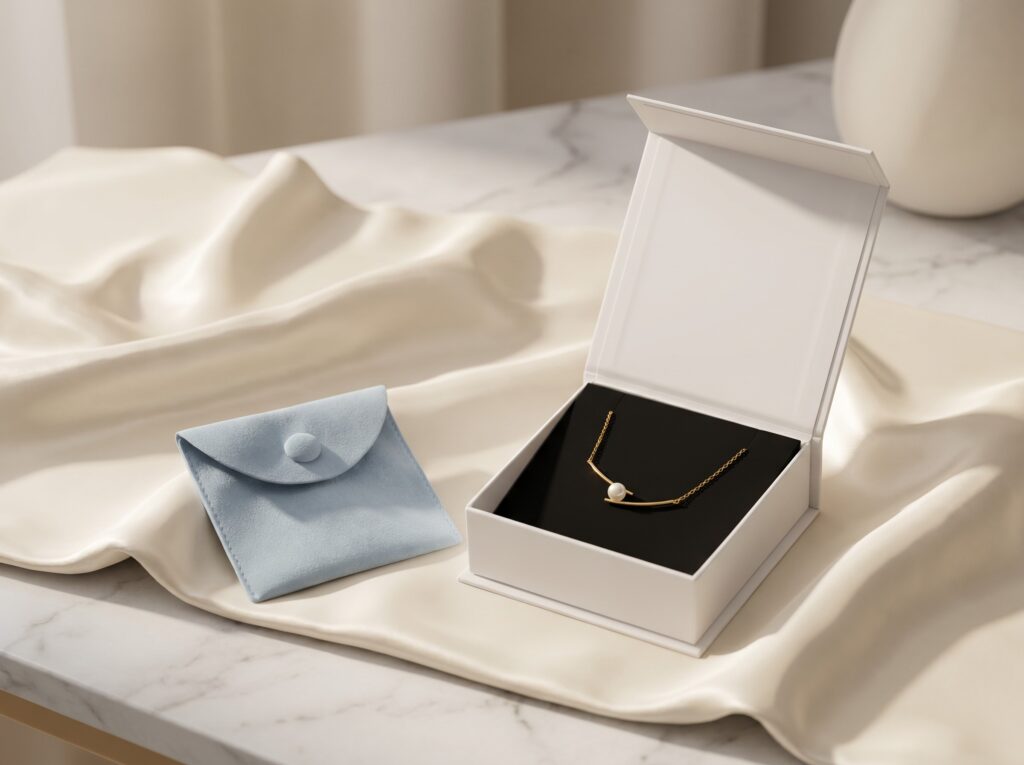
Se la linea comprende anelli, orecchini, bracciali, ciondoli e set regalo, non raggruppare tutto in un’unica categoria generica. Utilizza una base specifica per ciascuna categoria, come scatole per gioielli personalizzate e strutturare il formato in base al prodotto, non al modello del catalogo.
Come personalizzare i cofanetti per gioielli per i marchi di lusso
Smettete di venerare il logo. Concentratevi prima di tutto sull’architettura della piattaforma
Ma il logo sembra importante, vero?
Certo. Il logo è importante. Non sto fingendo che non sia così. Ma nel packaging dei gioielli di lusso, il logo è solitamente la parte meno interessante del lavoro, perché una semplice stampa a caldo di 18 mm su una scatola rigida e ben confezionata può dare un'impressione di lusso, mentre un logo enorme e luccicante su un coperchio fragile sembra la confezione di un chiosco del centro commerciale abbellita per LinkedIn.
Ecco la cruda verità: la maggior parte dei progetti relativi a “scatole portagioie personalizzate con logo” fallisce prima ancora che il file del logo venga aperto.
La struttura è sbagliata. L'inserto è sbagliato. La tolleranza del coperchio è approssimativa. La carta da imballaggio si strappa all'angolo perché qualcuno ha applicato la laminazione sbagliata su un raggio troppo stretto. E poi tutti danno la colpa al logo.
Non farlo.
Struttura del portagioie
Caso d'uso ottimale
Segnale di lusso
Attenzione
Scatola con coperchio rigido a sollevamento
Anelli, orecchini, ciondoli, bracciali
Consistenza densa al tatto, effetto classico
La chiusura del coperchio deve essere ben aderente, senza incollarsi
Scatola con chiusura magnetica
Set regalo, kit per influencer, ordini DTC premium
Rituale di apertura senza intoppi
La forza di attrazione del magnete deve risultare controllata
Cassettiera
Bracciali, collane, set a più fili
Rivelazione graduale, atmosfera da boutique
L'attrito del cassetto può non funzionare correttamente se l'avvolgimento è difettoso
Scatola a forma di libro
Articoli di pregio, narrazione del marchio
Stile di presentazione, area dedicata al logo ben evidente
La colonna vertebrale non deve scricchiolare dopo ripetute aperture
Scatola rigida a forma di cuore
Collezioni di San Valentino, da sposa e romantiche
Profilo emotivo, posizionamento incentrato sul dono
Rischio maggiore legato alle attrezzature; l’approvazione dei campioni è fondamentale
Scatola rigida a forma di borsa
Regali nei negozi al dettaglio, negozi temporanei, distribuzioni promozionali
Effetto misto tra sacchetto regalo e scatola
Il manico e il fissaggio del nastro devono superare la prova di trazione
Una linea stagionale può essere più appariscente. Va bene. Una collezione di San Valentino, un set da sposa, una promozione per un anniversario o una capsule collection in edizione limitata possono avere una struttura ben definita senza sembrare troppo accattivanti. A scatola regalo rigida a forma di cuore con fiocco in nastro di raso svolge quella funzione perché è proprio la forma a trasmettere il messaggio romantico.
Un marchio di lusso per tutti i giorni? Io opterei per qualcosa di più discreto.
Pannello rigido. Rivestimento aderente. Rivelazione controllata. Una finitura che si guadagna il proprio posto.
Materiali: quando il “Premium” diventa vero o falso
Ma cosa significa esattamente “materiale di alta qualità”?
Negli stabilimenti di imballaggio, quella frase viene usata in modo davvero improprio. L’ho sentita usare per cartone grigio di buona qualità, carta patinata mediocre, velluto che perde polvere, similpelle in PU con una finitura plastica finta e laminazioni soft-touch che si graffiano se ci si respira sopra nel modo sbagliato. “Premium” non è una parola. È una specifica.
I materiali migliori per i portagioie vengono scelti in base alla consistenza al tatto, alla resistenza alla compressione, alla capacità di ripresa degli inserti, al comportamento durante l’imballaggio, alla compatibilità con le pellicole e alla resistenza durante il trasporto — non perché un fornitore abbia inserito la parola “lusso” in un preventivo in formato PDF e abbia aggiunto uno sfondo con sfumature dorate.
Questa è la vera prova.
Come personalizzare i cofanetti per gioielli per i marchi di lusso
Il guscio esterno: tavola, avvolgimento e disciplina degli angoli
Il cartone rigido grigio costituisce solitamente la struttura portante. Per molti cofanetti per gioielli di lusso, lo spessore del cartone varia solitamente da 1,5 mm a 2,5 mm, a seconda delle dimensioni, del peso del prodotto e dell’ampiezza dei pannelli. I cofanetti per anelli di piccole dimensioni possono cavarsela con una rigidità contenuta. I cofanetti per collane, invece, rivelano più rapidamente i punti deboli del cartone, poiché i pannelli lunghi tendono a deformarsi facilmente.
E gli angoli ti smascherano.
Una cattiva piegatura degli angoli crea piccole grinze, cuciture a vista, bordi schiacciati e quell’aspetto scadente tipico della “carta tirata troppo”. Un acquirente potrebbe non conoscere il termine “turn-in”, ma noterà comunque il difetto.
La carta soft-touch è piacevole al tatto. Ma si graffia facilmente.
La carta patinata con laminazione opaca è la scelta più sicura in termini di proporzioni. La carta speciale testurizzata può conferire un aspetto raffinato senza risultare troppo appariscente. Il rivestimento in velluto ha un effetto scenografico, ma la gestione della polvere diventa presto fastidiosa. La similpelle in PU può andare bene, ma occorre scegliere con cura la grana; se troppo marcata, la scatola rischia di sembrare una borsetta.
Odio quello sguardo. Di solito.
L'inserto: il palcoscenico del prodotto, non un semplice complemento in schiuma aggiunto all'ultimo momento
È proprio nell'inserto che molti marchi perdono silenziosamente la sfida del lusso.
Un ciondolo che oscilla. Orecchini che si inclinano. Una fessura per l’anello che stringe troppo. Un cuscinetto per braccialetti che sembra uscito da un vassoio per gioielli qualsiasi. Queste piccole cose sembrano insignificanti durante la fase di campionatura, ma assumono un’importanza enorme al momento dell’unboxing.
Per gli inserti personalizzati dei cofanetti portagioie, solitamente si può scegliere tra schiuma EVA, spugna rivestita di velluto, cuscinetti in raso, polpa modellata, divisori in cartoncino, vassoi in PET o sistemi ibridi. Ognuno di essi svolge una funzione diversa.
L'EVA garantisce cavità ben definite. La schiuma rivestita in velluto conferisce un aspetto morbido ed elegante. Gli inserti in raso conferiscono un aspetto da regalo, ma possono sgualcirsi. La polpa modellata è in linea con i principi di sostenibilità, anche se potrebbe non dare l’impressione di “gioielleria di pregio” a meno che la texture non sia raffinata. I vassoi in PET — polietilene tereftalato, il materiale trasparente per eccellenza nell’esposizione — possono favorire la visibilità, ma non definite poi la confezione “senza plastica”.
Quello non è marketing. È fisica.
Come personalizzare i cofanetti per gioielli per i marchi di lusso
Rifiniture del logo: più piccole, più nitide, migliori
Un portagioie personalizzato non diventa un oggetto di lusso solo perché il logo è più grande.
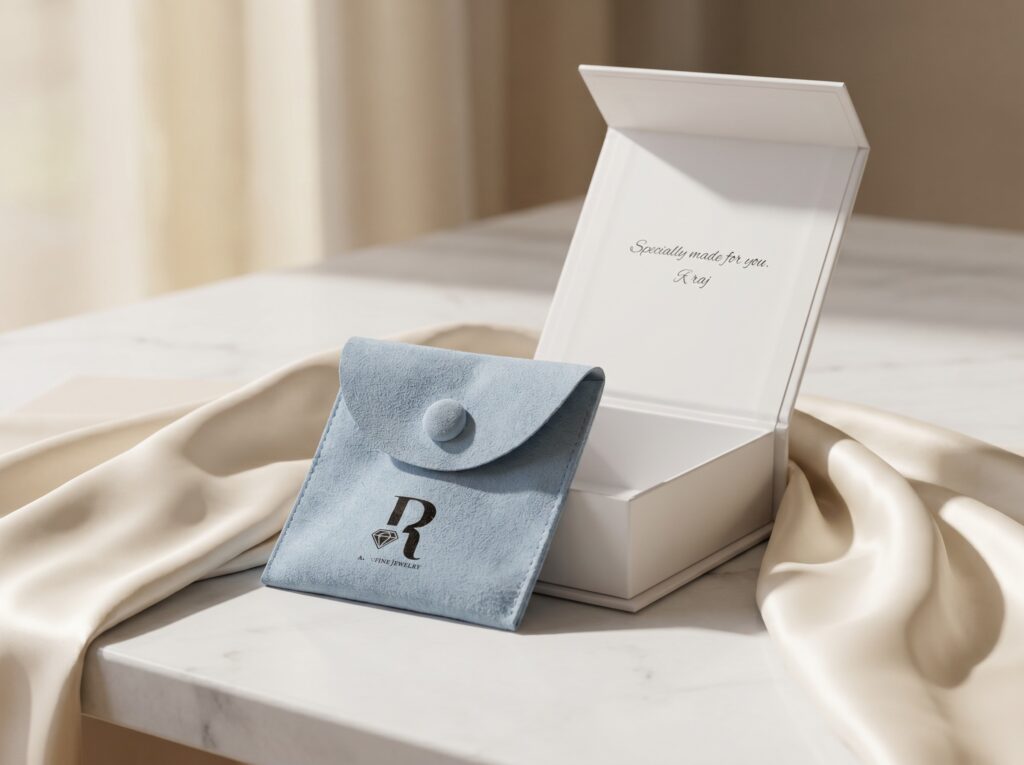
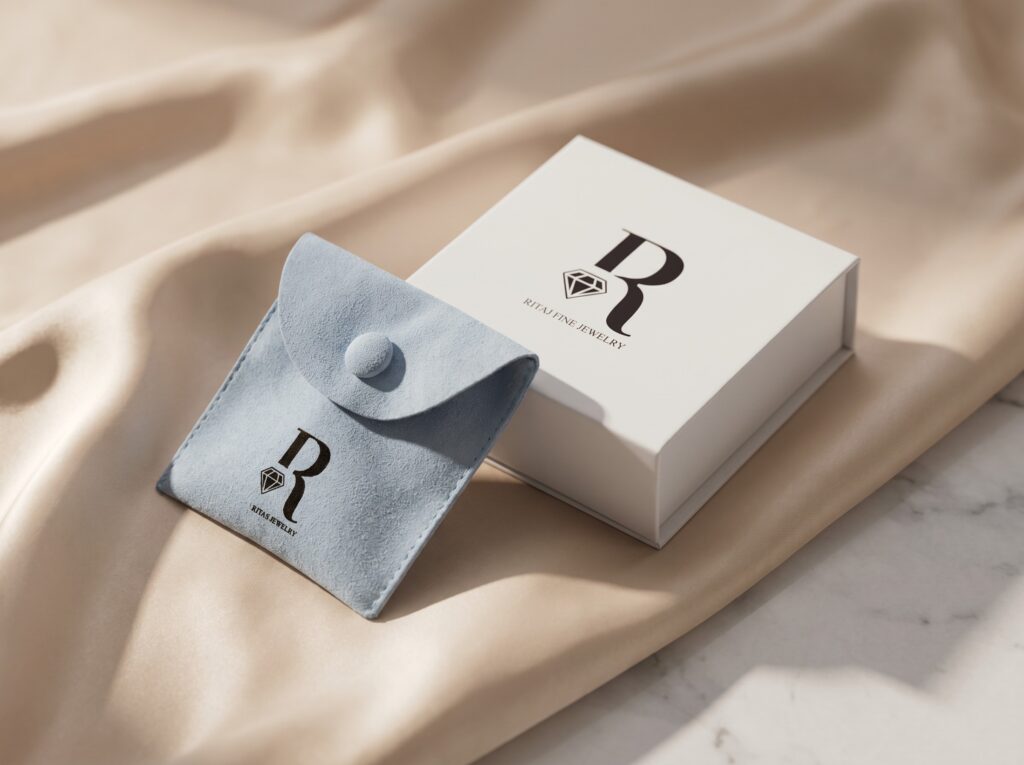
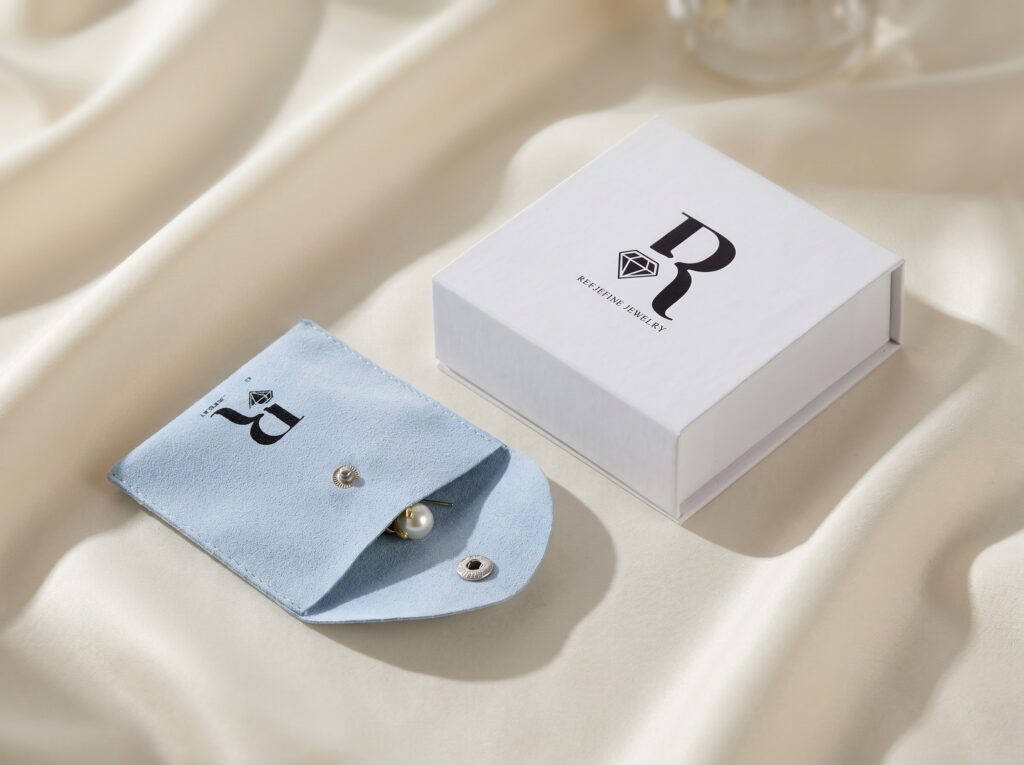
In realtà, direi proprio il contrario. Il marchio di lusso spesso acquista maggiore forza quando il logo diventa più piccolo, più pulito e più mirato. Lamina dorata su sfondo nero. Goffratura a secco su carta avorio. Lamina color champagne su sfondo rosa cipria. Lamina argentata su sfondo blu navy. Incisione tono su tono su carta ruvida.
Una mossa. Forse due.
Niente lamina, né verniciatura UV localizzata, né goffratura, né glitter, né un nastro con il logo stampato, né una sovraccoperta, né un biglietto di ringraziamento con un altro logo gigante. Questo non è “premium”. È un attacco di panico sotto forma di confezione.
Elemento di personalizzazione
Una scelta di lusso e sicura
Una scelta rischiosa
Logo
Piccola stampa a caldo, goffratura in rilievo, goffratura a secco
Logo metallico di grandi dimensioni su ogni pannello
Colore
1 colore principale + 1 metallo di risalto
Tavolozza a cinque colori senza gerarchia
Inserisci
Scomparto, cuscino o vassoio specifico per codice articolo
Blocco di schiuma generico
Fine
Carta opaca, morbida al tatto, ruvida, laminata
Un eccesso di lucido con verniciatura UV spot ovunque
Apertura
A sollevamento, magnetico, a cassetto, a libro
Coperchio allentato o maniglia del cassetto poco salda
Dichiarazione di sostenibilità
Caratteristiche specifiche: carta certificata FSC, cartoncino riciclato, inserto senza plastica
Termini vaghi: ecologico, verde, rispettoso del pianeta
Uno stile più cupo, incentrato sul regalo, può funzionare alla perfezione se non viene esagerato. Il scatola rigida nera per gioielli, con manico a nastro e fiocco è un ottimo esempio di come il manico, l’arco, la struttura rigida e il colore possano contribuire all’immagine del marchio prima ancora che il cliente abbia modo di vedere il gioiello.
Ma mantieni le specifiche chiare.
Se il logo è stampato a caldo, definire il colore della lamina, la tolleranza di temperatura di stampa, la profondità della lastra, la larghezza minima delle linee e la tolleranza di posizionamento. Se è in rilievo, verificare se la carta da imballaggio si screpola. Se è inciso a effetto soft-touch, eseguire un test di sfregamento. No, davvero. Eseguirlo.
Le dichiarazioni sulla sostenibilità possono metterti nei guai
“Ecologico” è una di quelle espressioni che mi mettono in guardia.
Non perché la sostenibilità sia una farsa. Non lo è. Ma è proprio quando si usa un linguaggio vago in materia di sostenibilità che i copywriter che si occupano di packaging tendono a diventare pigri, e le autorità di regolamentazione lo sanno bene. Il Linee guida "Green Guides" della FTC si basano su un’idea semplice: le dichiarazioni ambientali non dovrebbero indurre in errore i consumatori.
Un'idea semplice. Conseguenze costose.
Se sulla confezione dei tuoi gioielli c'è scritto "riciclabile", "biodegradabile", "compostabile", "FSC", "riciclato", "senza plastica" o "sostenibile", hai bisogno di prove concrete a sostegno di quelle parole. Non bastano le impressioni. Non basta uno screenshot del fornitore. Servono prove concrete.
In Europa, la pressione è anche di natura strutturale. La Commissione europea… Linee guida relative al regolamento sugli imballaggi e sui rifiuti di imballaggio definisce il quadro normativo relativo agli imballaggi per l'intero ciclo di vita, dalla progettazione alla gestione dei rifiuti, e l'orientamento dell'UE in materia di PPWR spinge il settore degli imballaggi verso la riciclabilità, un'etichettatura più chiara e la riduzione dei rifiuti.
Quindi sì, la tua scatola magnetica può sembrare molto bella. Ma i magneti complicano il recupero monomateriale. La laminazione soft-touch può sembrare lussuosa, ma può anche creare problemi di riciclabilità. I vassoi in PET sono utili, ma indeboliscono la dichiarazione di assenza di plastica. La polpa modellata è più sostenibile in molti contesti, ma se sembra troppo grezza accanto a una collana da $1.200, avrai creato un altro problema.
Scegli il tuo compromesso. Assumitene la responsabilità.
Affermazione che intendi fare
Le prove di cui hai bisogno
Decisione relativa all'imballaggio
Carta FSC
Tipo di richiesta FSC valido e documentazione a sostegno della catena di custodia
Fonte di carta o cartoncino da imballaggio certificati FSC
Contenuto riciclato
Percentuale e dichiarazione del fornitore
Cartone grigio riciclato o carta
Senza plastica
Senza vassoio in PET, senza schiuma, senza laminazione in plastica
Inserto in cartoncino o in pasta di cellulosa modellata
Riciclabile
Accesso al riciclaggio specifico per mercato e compatibilità dei materiali
Ove possibile, evitare l'uso di materiali misti
Sostenibile di alta qualità
Tatto lussuoso e resistenza comprovata
Carta ruvida, pasta di cellulosa modellata, struttura raffinata
Ecco l’aspetto che i marchi detestano: sostenibilità e lusso non vanno automaticamente di pari passo. Bisogna creare ad hoc un punto di incontro tra i due.
Controllo dei fornitori: l’aspetto poco affascinante che tutela il marchio
Un'azienda può mostrarvi un bellissimo campione.
Quel campione potrebbe comunque non dirti quasi nulla sulla produzione in serie. Ho visto campioni di pre-produzione dall’aspetto fantastico, per poi ricevere prodotti in serie con la pellicola che si stacca, magneti deboli, coperchi deformati, odore di colla e inserti che erano stati chiaramente tagliati con un’energia “appena sufficiente”.
È qui che il lusso assume una dimensione politica. L’inchiesta condotta da Reuters nel 2024 su il sistema di controllo difettoso dei beni di lusso ha dimostrato come gli audit dei fornitori possano trascurare gravi problemi relativi ai subappaltatori, anche in settori in cui l'artigianalità è parte integrante del valore del prodotto.
Categoria di prodotto diversa, stessa avvertenza.
Un certificato non sostituisce il controllo. Una visita allo stabilimento non sostituisce l’ispezione dei lotti. Un rappresentante commerciale cordiale non sostituisce il controllo qualità in entrata.
Se state cercando scatole personalizzate per il confezionamento di gioielli in diverse categorie, allineate i materiali e i fornitori al vostro programma di imballaggio più ampio. La pagina dedicata alla categoria più ampia per scatole da imballaggio personalizzate per settore è utile perché gioielli, accessori, cosmetici e confezioni regalo utilizzano spesso gli stessi sistemi di cartoncino, nastri, laminazione, inserti e cartoni.
Questa sovrapposizione può far risparmiare denaro.
Inoltre, se non lo si tiene sotto controllo, può causare la diffusione di difetti lungo l'intera linea.
Come personalizzare i cofanetti per gioielli per i marchi di lusso
Spedizioni: dove il sogno dell’unboxing va in frantumi
Vuoi sapere quando il packaging di lusso diventa sincero?
Dopo la gestione da parte del corriere.
Una confezione può sembrare impeccabile sul tavolo da fotografia, ma rivelarsi un fallimento nella realtà. Il cartone esterno viene fatto cadere. Il cartone principale viene schiacciato. L’umidità lo danneggia durante il trasporto marittimo. La pellicola si sfrega contro la carta velina. L’inserto si allenta. Il fiocco si appiattisce. Il cliente la apre e pensa: “Hmm”.”
Una parola minuscola. Un danno enorme.
Il Rapporto NRF e Happy Returns sui resi nel settore retail 2024 Si prevedono $890 miliardi di resi nel settore della vendita al dettaglio statunitense e un tasso di reso del 16,9%. Ovviamente, l’imballaggio non è l’unico motivo per cui i gioielli vengono restituiti. Tuttavia, un imballaggio scadente può rendere i resi più complicati, più lenti e più difficili da rivendere.
Effettuare un test prima del lancio.
Non dopo le lamentele.
Verificare la resistenza alle cadute. Verificare la resistenza allo schiacciamento degli angoli. Verificare la resistenza allo sfregamento della pellicola. Verificare la resistenza alla trazione del nastro. Verificare il movimento dell’inserto dopo l’esposizione alle vibrazioni. Verificare l’eventuale presenza di odori dopo la conservazione in confezione sigillata. Verificare la reazione all’umidità. Verificare se il cliente è in grado di reimballare la collana senza che questa si aggrovigli in un piccolo nodo.
Quest'ultimo aspetto è più importante di quanto si pensi.
Una scheda tecnica ben fatta per un vero portagioie è meglio di un bel moodboard
La maggior parte delle indicazioni errate relative al packaging suona più o meno così: “Scatola nera di lusso, logo dorato, inserto in velluto”.”
Quello non è un riassunto. È un desiderio.
Un capitolato tecnico efficace per un portagioie personalizzato deve definire con precisione gli aspetti più noiosi — quelli che evitano discussioni in seguito, quando il campione sembra a posto ma la produzione presenta delle anomalie.
Area tecnica
Cosa definire
Tipo di scatola
A sollevamento rigido, magnetico, a cassetto, a libro, a forma di cuore, a borsa
Dimensioni
Dimensioni interne, dimensioni esterne, tolleranza, adattabilità del prodotto
Consiglio di amministrazione
Spessore del cartone grigio, densità del cartone, requisiti anti-deformazione
Avvolgere
Tipo di carta, grammatura (GSM), consistenza, laminazione o rivestimento
Stampa
Pantone, CMYK, colore della lamina, profondità della goffratura/incisione
Inserisci
EVA, schiuma vellutata, imbottitura in raso, polpa modellata, vassoio in PET, divisorio in carta
Branding
Dimensioni del logo, posizionamento, finitura, larghezza minima delle linee
Accessori
Nastro, fiocco, maniglia, magnete, linguetta di apertura, fessura per carte
Test
Caduta, sfregamento, umidità, forza di trazione, odore, uniformità del colore
Conformità
FSC, dichiarazione sul contenuto riciclato, etichettatura di mercato, verifica delle dichiarazioni
Imballaggio
Numero di cartoni principali, utilizzo di sacchetti di plastica, protezioni angolari, schema di pallettizzazione
E non approvare la produzione in serie basandosi su una sola foto di presentazione.
Approvare il campione bianco. Poi il campione stampato. Poi il campione di pre-produzione. Infine, ispezionare la merce sfusa confrontandola con un campione di riferimento fisico sotto la stessa fonte di luce. D65 se si vuole fare sul serio. Le luci fluorescenti del magazzino se si ama il caos.
Domande frequenti
Cosa sono i cofanetti per gioielli personalizzati?
I cofanetti personalizzati per gioielli sono contenitori realizzati su misura, progettati per proteggere, esporre e valorizzare il marchio dei gioielli grazie a dimensioni specifiche, materiali rigidi, finiture con logo, inserti, colori e modalità di apertura. Sono comunemente utilizzati per anelli, orecchini, collane, bracciali, set regalo e confezioni di lusso per la vendita al dettaglio, dove la presentazione influisce sul valore percepito.
La differenza tra un portagioie di serie e uno personalizzato sta nel controllo. Dimensioni, inserti, finiture, sensazione al tatto del coperchio, colore e posizionamento del logo: tutti questi elementi devono essere in armonia tra loro. Oppure no. In entrambi i casi, i clienti se ne accorgono.
Come si personalizzano i cofanetti per gioielli per i marchi di lusso?
Per personalizzare i cofanetti portagioie destinati a marchi di lusso, occorre definire il codice articolo (SKU) dei gioielli, scegliere la struttura rigida più adatta, selezionare materiali di rivestimento e fodera di alta qualità, aggiungere una finitura discreta con il logo, progettare un inserto su misura per il prodotto, testare le prestazioni di spedizione e verificare le dichiarazioni di sostenibilità o conformità prima della produzione.
Io inizierei dall’interno, non dall’esterno. Se i gioielli non si dispongono in modo armonioso quando si apre il coperchio, la finitura esterna è solo una decorazione che cerca di nascondere un difetto funzionale.
Quali sono i materiali migliori per i portagioie?
Tra i materiali più adatti per i cofanetti portagioie figurano il cartone rigido grigio, la carta da imballaggio speciale, le fodere in velluto o con effetto scamosciato, la schiuma EVA, gli inserti in raso, la polpa modellata, la similpelle in PU, i vassoi in PET e le carte con superficie compatibile con la laminatura. La combinazione ideale dipende dal peso del prodotto, dalla fascia di prezzo, dagli obiettivi di sostenibilità, dai requisiti di finitura e dalle condizioni di spedizione.
Non scegliere i materiali basandoti solo su una foto. Informati sullo spessore, sul peso in GSM, sul tipo di rivestimento, sulla densità dell’inserto, sui dettagli della laminazione e sulle prestazioni del campione dopo l’utilizzo. I campioni dall’aspetto accattivante possono ingannare.
Vale la pena acquistare scatole portagioielli personalizzate con logo?
Vale la pena optare per scatole portagioielli personalizzate con logo quando quest’ultimo va a integrare un sistema di confezionamento completo, anziché limitarsi a figurare su una scatola generica. Una stampa a caldo, una goffratura in rilievo o in bassorilievo, oppure un marchio stampato delle giuste dimensioni può rafforzare il riconoscimento del marchio, aumentare l’attrattiva del regalo e conferire al prodotto un’immagine più curata una volta consegnato.
Ma più grande non significa necessariamente migliore. Nel settore del packaging di lusso, un logo piccolo con finiture pulite spesso risulta più efficace di un logo grande che sembra cercare disperatamente di attirare l’attenzione.
Qual è l'inserto più adatto per i cofanetti portagioie personalizzati?
Il miglior inserto per portagioie personalizzati è quello che mantiene i gioielli nella posizione di esposizione prevista senza che scivolino, si aggroviglino, presentino segni di pressione o siano difficili da estrarre. Gli anelli di solito necessitano di fessure, gli orecchini di fori abbinati, i ciondoli di un supporto anti-oscillazione e i bracciali spesso richiedono cuscinetti, canaline o sistemi di fissaggio elastici.
È l'inserto a determinare l'effetto visivo. Se i gioielli arrivano inclinati, allentati o aggrovigliati, il cliente non dà la colpa all'inserto, ma al marchio.
I tuoi prossimi passi: non chiedere il “lusso”. Chiedi una specifica controllata.
Ecco quindi il mio consiglio senza mezzi termini.
Non inviare un’e-mail a un fornitore chiedendo “scatole personalizzate di alta qualità per gioielli”. Questa espressione è troppo generica. Invia un brief dettagliato: tipo di gioiello, fascia di prezzo prevista, struttura della scatola, dimensioni interne, spessore del cartone, carta da imballaggio, materiale degli inserti, finitura del logo, colori Pantone, dichiarazioni di sostenibilità, requisiti di collaudo, metodo di imballaggio e mercato di riferimento.
Allora richiedi i campioni in più fasi.
Campione bianco. Campione stampato. Campione di pre-produzione. Controllo della produzione in serie.
Se sei pronto a trasformare il packaging in una risorsa per il marchio anziché in una voce di costo, inizia con una soluzione appositamente progettata scatole per gioielli personalizzate progettare e realizzare la confezione in base ai gioielli, non seguendo un modello generico.