Parla direttamente con il nostro team dirigenziale
Il nostro team direttivo
Prima di concludere, lascia che il nostro team direttivo esamini il tuo progetto relativo alle scatole rigide. Comunicaci il tipo di prodotto, il volume di mercato di riferimento e le tempistiche di lancio, e ti aiuteremo a valutare la struttura, il materiale, la finitura, il quantitativo minimo ordinabile (MOQ) e il piano di produzione più adatti al tuo marchio.
Ottieni assistenza tecnica per le vendite e il confezionamento
Il nostro team di vendita
Hai bisogno di assistenza per scatole con chiusura magnetica, scatole con coperchio rimovibile, scatole a cassetto, scatole per cosmetici, scatole per candele, scatole per profumi, scatole per tè, scatole per vino o imballaggi promozionali? Inviaci le tue richieste e il nostro team commerciale o tecnico ti fornirà assistenza in merito a prezzi, struttura, campionatura, stampa e fattibilità produttiva.
In che modo le scatole personalizzate per abbigliamento valorizzano i marchi di moda
Ho aperto abbastanza pacchi di abbigliamento da conoscere il piccolo segreto che tutti nascondono: la maggior parte dei marchi di abbigliamento non perde i clienti al momento del pagamento.
Li perdono proprio sulla soglia di casa.
Una felpa con cappuccio può avere un taglio impeccabile, essere tinta in capo a regola d’arte, stirata a vapore prima dell’imballaggio e fotografata come se fosse esposta in uno showroom di Soho — per poi arrivare in una busta di plastica floscia con un biglietto di ringraziamento sgualcito che scivola all’interno come se fosse una scusa. Questo non è “imballaggio minimale”. È una gestione del marchio inadeguata.
Indice
La cruda verità? I clienti se ne accorgono.
Forse non lo dicono apertamente. Forse continuano a tenere quella maglietta. Ma il cervello lo archivia da qualche parte: economico, fatto in fretta, banale, insignificante. E una volta che un marchio di abbigliamento viene archiviato lì, risalire in superficie costa denaro.
È proprio lì che Scatole personalizzate per abbigliamento diventa interessante. Non perché le scatole siano magiche. Non lo sono. Ma perché nell’e-commerce la scatola è uno degli ultimi momenti fisici che un marchio può ancora controllare.
In che modo le scatole personalizzate per abbigliamento valorizzano i marchi di moda
La soglia di casa è il nuovo camerino
Ma non facciamo finta che ciò sia accaduto perché i designer si siano improvvisamente trasformati in fanatici del packaging.
È successo perché l’e-commerce ha annullato il vantaggio sensoriale del commercio al dettaglio. Niente illuminazione. Niente commesso. Niente sacchetti della spesa di carta spessa. Niente specchio. Niente passeggiata lenta verso la cassa. Per l’abbigliamento online, il primo contatto con il marchio nel mondo reale è solitamente il cartone, la carta, il nastro adesivo, la carta velina o la cucitura di una busta postale.
È davvero terribile.
Secondo il Rapporto sull'e-commerce al dettaglio del quarto trimestre del 2024 dell'Ufficio censimento degli Stati Uniti, le vendite totali dell'e-commerce negli Stati Uniti hanno raggiunto, secondo le stime, $1.1926 trilioni nel 2024, su 8.1% del 2023, con l'e-commerce che rappresenta 16,11 TP3T delle vendite totali al dettaglio. Traduzione per i marchi di abbigliamento: sempre più acquirenti valutano i capi prima ancora di toccare il tessuto, prima di controllare le cuciture e prima di provarne la vestibilità.
Il pacco entra per primo.
Sinceramente credo che i fondatori delle aziende di abbigliamento lo sottovalutino di gran lunga. Litigano sulle tonalità Pantone per il servizio fotografico di una campagna, poi approvano le specifiche di una scatola in sei minuti perché “è solo una questione di spedizione”. No. Quella scatola è la prima stretta di mano.
Se stai realizzando imballaggi per diverse categorie, inizia con una mappa di settore adeguata, come scatole personalizzate per settore anziché copiare a casaccio ciò che un altro marchio DTC ha utilizzato nell'ultimo trimestre. L'abbigliamento non è come i gioielli. I gioielli non sono come i cosmetici. Una felpa con cappuccio non è come una candela. Rischi di danno diversi. Logica di presentazione diversa. Psicologia dell'acquirente diversa.
“Sono solo vestiti”: ecco come i marchi generano nuovi acquisti
Una maglietta non ha bisogno di una cassaforte.
Giusto.
Ma i danni agli indumenti sono spesso impercettibili, non evidenti: pieghe da pressione, polvere sui bordi, colletti schiacciati, visiere dei cappellini deformate, fiocchi appiattiti, carta velina sgualcita, odore di umidità, trasferimento di inchiostro, pelucchi provenienti da materiale di riempimento di scarsa qualità. Nessuno scrive un reclamo virale per ogni minimo difetto dell’imballaggio. Semplicemente, in silenzio, si rimane meno colpiti.
E a volte lo restituiscono.
Il La Federazione Nazionale del Commercio al Dettaglio ha riferito che secondo cui si prevedeva che i resi nel settore del commercio al dettaglio statunitense raggiungessero $890 miliardi nel 2024, secondo le stime dei rivenditori 16.9% delle vendite annuali verrebbe restituito. Il settore dell’abbigliamento ha già un problema legato alla vestibilità e alle aspettative. Se a ciò si aggiunge un imballaggio approssimativo, si sta praticamente spianando la strada ai resi.
Ecco come stanno le cose nella realtà dei magazzini: se un capo arriva con l’aspetto di chi è già stato maneggiato tre volte, il cliente diventa meno tollerante riguardo alla vestibilità, al colore, alla consistenza al tatto e al prezzo.
I difetti più piccoli diventano più evidenti.
Un ben costruito Confezionamento di capi di abbigliamento Il sistema non risolve i problemi legati alle taglie sbagliate, ai tessuti di scarsa qualità o alle foto dei prodotti troppo ritoccate. Non illudetevi. Ma può ridurre le irritazioni evitabili. Una scatola rigida o rinforzata mantiene più ordinata la pila di capi piegati. La carta velina mantiene la forma. Gli inserti impediscono agli accessori di tintinnare. Un modulo di reso posizionato correttamente — non sepolto sotto il capo come un ripensamento dell’ultimo minuto da parte di chi impacchetta con pigrizia — riduce la confusione.
Sono solo noiosi dettagli operativi. Ma fanno vendere.
In che modo le scatole personalizzate per abbigliamento valorizzano i marchi di moda
Il vero packaging dell'abbigliamento non consiste nel limitarsi ad apporre il logo
Vedo questo errore continuamente.
Un marchio richiede Scatole personalizzate per abbigliamento con logo, quindi parte dal presupposto che il logo sia la strategia di packaging. Stampa il nome a caratteri grandi. Aggiungi del nero. Magari anche una lamina. Fatto.
Non è ancora finito.
Una scatola presenta caratteristiche quali struttura, qualità del cartone, carta da rivestimento, attrito di apertura, tipo di chiusura, stampa interna, logica degli inserti, velocità di imballaggio, numero di scatole nel cartone master, comportamento in presenza di umidità e volume di trasporto. Presenta tolleranze. Presenta il rischio di graffi. Presenta il problema del quantitativo minimo d’ordine (MOQ). Ha un costo reale che si riflette sull’economia unitaria se l’acquirente non sa cosa sta facendo.
E sì, ha un certo fascino — ma il fascino senza un controllo delle specifiche è solo una decorazione costosa.
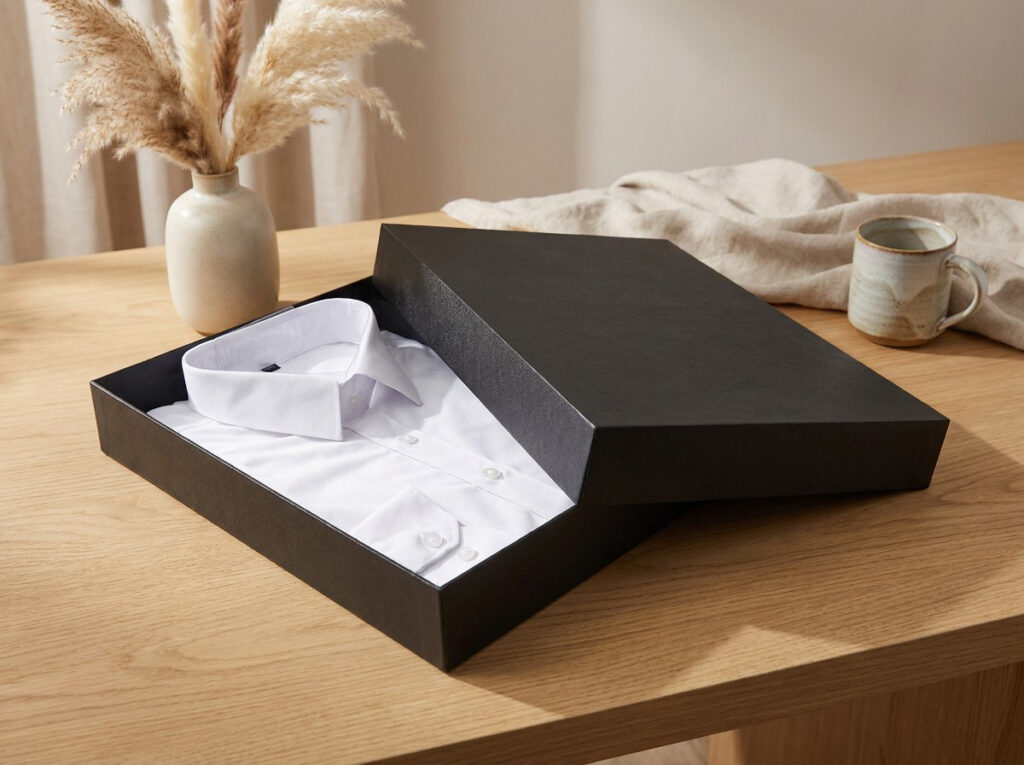
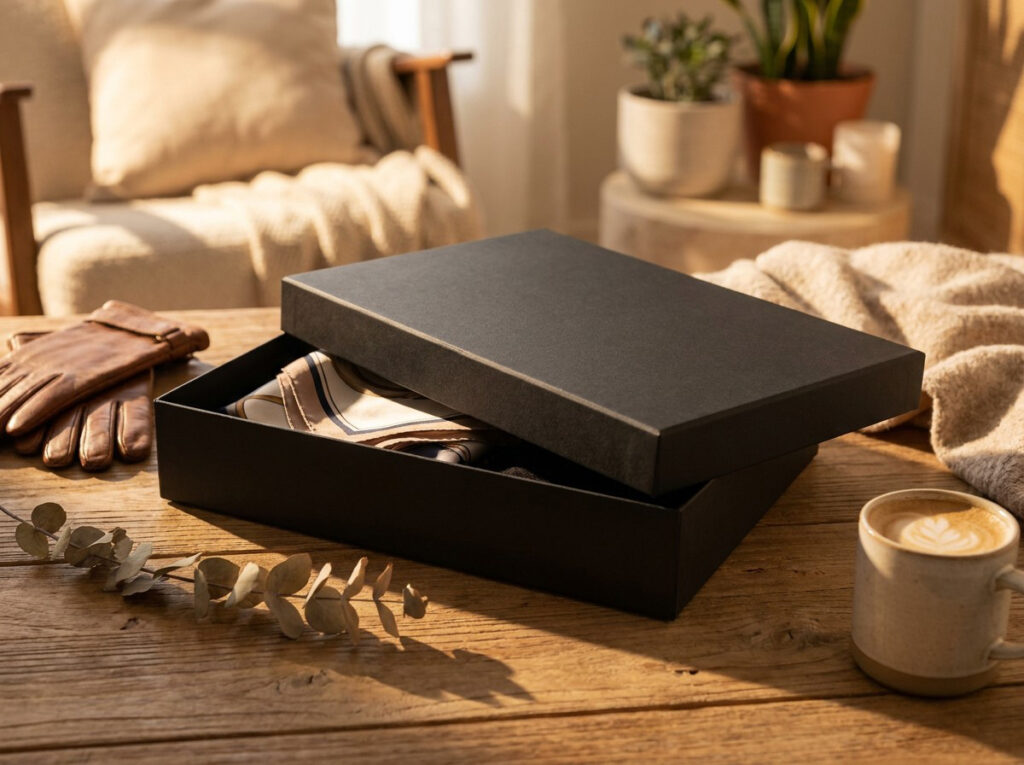
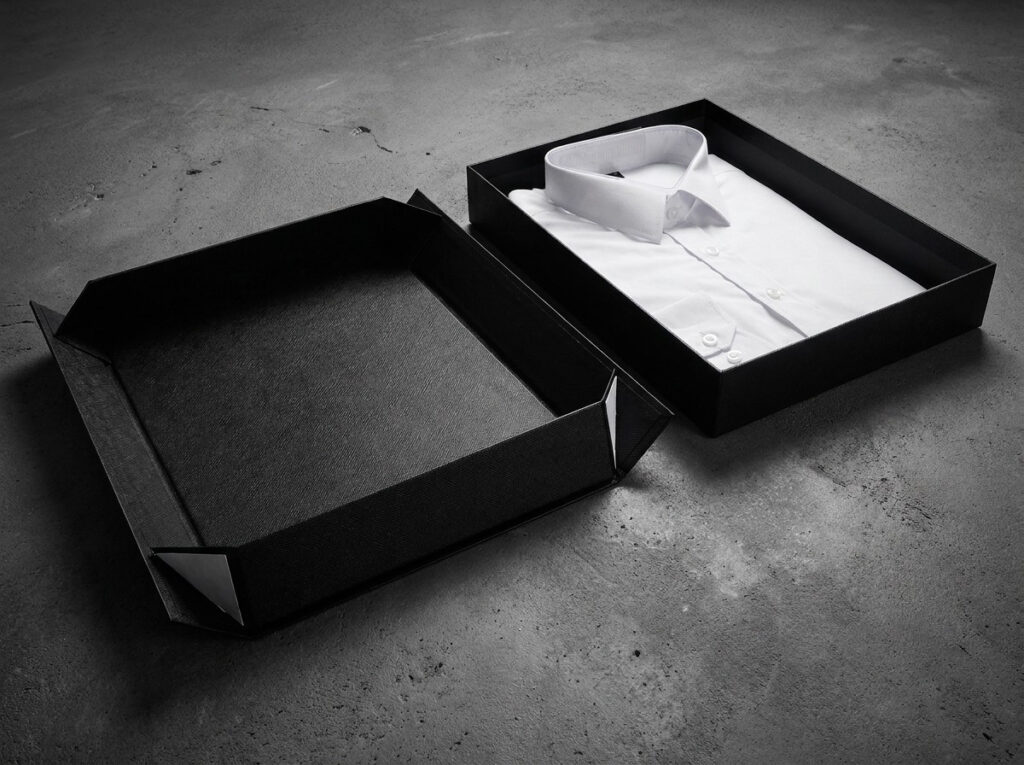
A Set di scatole regalo rigide magnetiche per abbigliamento, nero opaco È una scelta sensata per lanci di prodotti premium, kit per influencer, capi di base di lusso, pacchetti regalo o il lancio di un abbonamento in cui l’unboxing fa parte della storia del prodotto. Lo userei per ogni semplice maglietta di cotone? Assolutamente no. Sarebbe come suicidare i margini di profitto indossando un bel cappotto.
Per un posizionamento più delicato del regalo, un scatola regalo rigida nera di lusso con chiusura a nastro di gros-grain può rallentare il movimento di apertura — il nastro ha proprio questo effetto — e trasmettere un’impressione più marcata di “pronto da regalare” rispetto al risvolto standard di una busta postale.
Ma, ancora una volta, usate il buon senso. Un elemento di lusso sbagliato può dare l’impressione di essere fuori luogo. Un marchio di abbigliamento da spiaggia in lino in una pesante scatola nera con chiusura magnetica? Forse sì. Forse no. Potrebbe sembrare una confezione di profumo che finge di vendere camicie.
Il formato della confezione determina l'immagine del marchio
Vuoi la versione schietta per chi vuole comprare?
Il tipo di confezione comunica ai clienti quanto rispetto nutri per il capo. A volte anche più di quanto faccia la pubblicità.
Tipo di confezione
Caso d'uso ottimale
Impatto del marchio
Rischio
La mia opinione sincera
Busta imbottita in polietilene
Capo base a prezzo contenuto, capi leggeri
Basso
Struttura fragile, scarso valore come regalo
Utile, ma non memorabile
Busta da spedizione in cartone ondulato
Spedizioni DTC, abbigliamento casual
Medio
Può sembrare un po’ banale
Smart per i volumi dell'e-commerce
Scatola pieghevole
Espositori per negozi, accessori leggeri per l'abbigliamento
Medio
Resistenza alla compressione limitata
Ideale per calzini, sciarpe e piccoli oggetti
Scatola rigida per abbigliamento
Abbigliamento di alta gamma, articoli da regalo, kit per influencer
Alto
Costo unitario e volume di stoccaggio più elevati
Ideale per rafforzare il ricordo del marchio
Scatola rigida magnetica
Set di lusso, lanci VIP, packaging promozionale
Molto alto
Costo, peso, complessità del riciclaggio
Efficace quando i margini lo consentono
Notate cosa manca in quella tabella? La fantasia.
Il packaging è una questione di compromessi. Una scatola rigida conferisce presenza, resistenza allo schiacciamento e durata a scaffale, ma occupa spazio di stoccaggio e volume di trasporto. Una busta in cartone ondulato è più veloce, più economica e più facile da adattare alle diverse dimensioni, ma raramente crea un ricordo speciale. Una scatola pieghevole può avere un aspetto pulito, ma non aspettarti che protegga un voluminoso completo in maglia come se fosse un imballaggio strutturale.
È così che funzionano le vere decisioni in materia di packaging. Meno moodboard. Più schede tecniche.
Il packaging dell'abbigliamento di marca crea un ricordo attraverso la ripetizione
Tuttavia, il logo continua ad avere la sua importanza.
Non da soli, ma all’unisono: scatola esterna, stampa interna, sigillo in carta velina, scheda di manutenzione, cartellino appeso, biglietto di ringraziamento, inserto per il reso, codice QR e magari anche il cartone master, se gli acquirenti all’ingrosso lo vedono. È proprio questa ripetizione che fa la differenza Confezioni per abbigliamento di marca inizia a sviluppare la consapevolezza.
La cosa divertente? Spesso i clienti ricordano la consistenza della confezione prima ancora di ricordare il testo esatto.
Laminazione soft-touch. Ruvidità del cartoncino Kraft. Rivestimento nero opaco. Una maniglia dal profilo nitido. Una linguetta a nastro. Il leggero scatto di una chiusura magnetica. Questi non sono dettagli poetici: sono punti di riferimento sensoriali.
E la moda ha bisogno di punti di riferimento.
Un marchio di abbigliamento streetwear potrebbe puntare su cartoncino kraft, inchiostro nero intenso, caratteri tipografici oversize e cartellini inseriti dai bordi volutamente grezzi. Un marchio di abiti da sposa probabilmente preferirà cartoncino avorio, chiusura con nastro, carta velina e un effetto di rivelazione più delicato. Un marchio di abbigliamento da golf potrebbe aver bisogno di geometrie precise, abbinamenti cromatici più scuri e una protezione compressiva pulita. Stessa categoria. Linguaggio del packaging diverso.
A scatola da regalo stampata con motivi floreali per spedizioni postali dimostra come la stampa possa trasmettere l’energia di una campagna, ma i marchi di abbigliamento devono prestare attenzione a questo aspetto. Le grafiche floreali, gli effetti laminati, le verniciature UV spot e i colori saturi devono essere in sintonia con il mondo dell’abbigliamento. Altrimenti, la confezione urla mentre il prodotto sussurra.
Non va bene.
In che modo le scatole personalizzate per abbigliamento valorizzano i marchi di moda
È proprio sulle dichiarazioni di sostenibilità che i marchi tendono a essere approssimativi
Mi innervosisco quando i fornitori o i marchi usano l’espressione “eco-friendly” con troppa facilità.
Cosa significa? Carta FSC? Contenuto riciclato? Senza plastica? Riciclabile con la raccolta differenziata? Compostabile in condizioni industriali? Volume ridotto? Monomateriale? Minore copertura d’inchiostro? Vernice a base d’acqua? Senza magneti? Senza laminazione? Cosa?
Dillo e basta.
Il Linee guida "Green Guides" della FTC esistono perché un marketing ecologico vago può indurre in errore gli acquirenti. E i marchi di abbigliamento sono particolarmente esposti a questo rischio, poiché il settore della moda presenta già un problema di credibilità riguardo alle dichiarazioni di sostenibilità.
Ecco la cruda verità: una scatola di cartone kraft marrone con l’icona di una foglia può comunque rappresentare uno spreco se è sovradimensionata, eccessivamente stampata, laminata male, spedita mezza vuota o contenga inserti di materiali misti che nessuno si prende la briga di separare.
Quindi, se vendete in Europa, non considerate la conformità degli imballaggi come un problema futuro. La situazione sta già cambiando.
Per Confezioni di lusso per l'abbigliamento, il che crea una certa tensione. I clienti vogliono una presentazione di alta qualità. Le autorità di regolamentazione vogliono ridurre gli sprechi. Il reparto operativo vuole abbassare i costi di trasporto. Il reparto acquisti vuole tempi di consegna stabili. Il reparto marketing vuole che la confezione sembri costosa nei video.
Tutti vogliono qualcosa.
La risposta giusta non è “rendere tutto semplice”. Si tratta piuttosto di trovare le giuste proporzioni, di utilizzare strati di materiali più puliti, di migliorare la documentazione cartacea, di ridurre al minimo i componenti misti superflui, di scegliere con cura i rivestimenti e di fornire indicazioni chiare sullo smaltimento. Noioso? Sì. Utile? Moltissimo.
La regolamentazione del settore della moda si sta avvicinando sempre più ai limiti
E poi c'è il fast fashion.
Reuters ha riportato nel marzo 2024 che i legislatori francesi hanno approvato un disegno di legge contro la moda ultraveloce, che prevede sanzioni che potrebbero arrivare fino a 10 euro per capo di abbigliamento entro il 2030 e le restrizioni in materia di pubblicità; il Il servizio di Reuters sul disegno di legge francese sul fast fashion merita di essere letto perché mostra quale direzione sta prendendo il clima politico.
Il packaging non è tutto, ovviamente.
Ma il packaging dell’abbigliamento si colloca proprio al centro di tematiche scottanti: rifiuti, alti tassi di reso, prodotti a basso costo, e-commerce aggressivo, sovrapproduzione, spedizioni transfrontaliere e scarsa tracciabilità dei prodotti. Se il packaging di un marchio di abbigliamento trasuda eccesso mentre il messaggio del marchio parla di responsabilità, gli acquirenti percepiranno la contraddizione.
Lo fanno sempre.
Ecco perché Scatole per l'imballaggio di capi di abbigliamento Non bastano solo le belle apparenze. Ci vuole una logica. Perché queste dimensioni? Perché questo rivestimento? Perché questo pannello? Perché questo inserto? Perché tutto questo spazio vuoto? Perché queste istruzioni per lo smaltimento? Perché questa copertura di stampa?
Un acquirente di imballaggi che si rispetti dovrebbe essere in grado di rispondere a queste domande senza dover chiamare il progettista in preda al panico.
La macchina fotografica ha cambiato tutto
Un tempo la cassetta delle lettere era per lo più riservata.
Ora funziona.
TikTok, Instagram Reels, YouTube Shorts, video di acquisti dei creator, recensioni dei clienti: qualunque sia la piattaforma vincitrice di questo mese, il punto di partenza è il contenuto. Ma non confondete questo concetto con l’idea di “renderlo appariscente”. Una presentazione appariscente spesso risulta di scarsa qualità sotto una luce naturale.
Una buona confezione per capi di abbigliamento risulta pulita nelle foto. Si apre senza difficoltà. Il capo è ben posizionato nell’inquadratura. Il logo compare una o due volte, non quindici come su un cartellone pubblicitario disperato. Il cartellino è leggibile. La carta velina non si strappa. La confezione non si deforma quando viene sollevata con una sola mano.
Sembra una cosa semplice.
Non è così. La realtà della linea di confezionamento rovina ogni giorno bellissimi prototipi.
Per Le migliori soluzioni di imballaggio per i marchi di abbigliamento, controllerei cinque zone prima di approvare la produzione.
Rivestimento esterno
Spessore del cartoncino, resistenza alla compressione, carta di rivestimento, resistenza alle abrasioni e finitura di stampa. È proprio su questi aspetti che il cliente si forma una prima opinione sul prezzo.
Impressione iniziale
Aletta a busta, maniglia a cassetto, coperchio a scatto, chiusura a nastro, chiusura magnetica, cerniera a libro. L’apertura ne determina il ritmo. Gli articoli economici si aprono velocemente. I prodotti di alta gamma, invece, traggono solitamente vantaggio da una breve pausa.
Tenuta del capo
Tessuto, fascia addominale, inserto, metodo di piegatura, tolleranza dimensionale e controllo degli spazi vuoti. Se l’indumento si muove liberamente all’interno della scatola, le specifiche sono errate.
Prova del marchio
Posizionamento del logo, tipografia, testo della campagna, scheda informativa, codice QR, nota di restituzione, account social. Non fare le cose alla bell’e meglio. Fare le cose alla bell’e meglio è da dilettanti.
Messaggio di fine vita
Informazioni sul riciclaggio, suggerimenti per il riutilizzo, istruzioni per la raccolta differenziata, indicazioni sui materiali. Se il cliente non sa come smaltire l’imballaggio, il percorso verso la sostenibilità rimane incompleto.
Come realizzerei un sistema personalizzato per il confezionamento di capi di abbigliamento
In base alla mia esperienza, la grafica dovrebbe arrivare per ultima.
La maggior parte dei team parte da lì perché è divertente: colori, pellicole, prototipi, rendering. Cose interessanti. Ma il vero punto di partenza è la logica degli SKU: dimensioni del capo piegato, peso del prodotto, profilo dell’ordine, quantità media per ordine, tasso di reso, percentuale di acquisti come regalo, mix tra vendita diretta al consumatore (DTC) e vendita all’ingrosso, spedizione singola o in cartone, e costo di consegna target.
Ecco il foglio di lavoro, per niente affascinante.
Fallo comunque.
Livello 1: Imballaggi per l'e-commerce di uso quotidiano
Per gli ordini standard di abbigliamento, utilizzate buste postali in cartone ondulato o scatole pieghevoli resistenti. Scegliete dimensioni compatte. Aggiungete una stampa interna se il budget lo consente. Facilitate i resi. Non esagerate con le dimensioni.
Livello 2: Confezioni di abbigliamento premium
Utilizzate cartoncino rigido o scatole rinforzate per i prodotti con margini di profitto più elevati: maglieria, accappatoi, set “capsule”, capi basic da regalo, collezioni in edizione limitata. Aggiungete carta velina, fasce avvolgenti, nastri o inserti solo se migliorano la presentazione o la protezione del prodotto.
Livello 3: Lancio, pubbliche relazioni e confezioni VIP
Utilizzate scatole rigide magnetiche, scatole a cassetto, scatole a forma di libro o finiture speciali quando la scatola stessa contribuisce al valore della campagna. È in questi casi che una confezione può diventare un oggetto mediatico, non solo un semplice contenitore.
E non dimenticate le categorie correlate. I marchi di abbigliamento spesso ampliano la propria offerta a accessori, gioielli, profumi, sciarpe o confezioni regalo. Analizzare scatole per gioielli personalizzate è utile perché il packaging dei gioielli richiede un approccio più rigoroso in termini di inserti, tolleranze, presentazione e dettagli di lusso in formato ridotto.
In che modo le scatole personalizzate per abbigliamento valorizzano i marchi di moda
Domande che gli acquirenti dovrebbero porre prima di provare il prodotto
Vuoi evitare un campione difettoso?
Fai domande meno banali.
Qual è la dimensione del capo piegato in millimetri? Si tratta delle dimensioni interne o esterne? Quanto spazio libero è necessario dopo l’avvolgimento con la carta velina? Il cartoncino è di tipo greyboard, cartoncino bianco, kraft, ondulato o carta speciale? Qual è il GSM o lo spessore? La carta da imballaggio è tinta, stampata, laminata, goffrata o stampata a caldo? Il rivestimento soft-touch si graffierà durante il trasporto? Il nastro si sfilaccerà? È possibile separare il magnete? Quante scatole finite entrano in un cartone da esportazione? Qual è il volume stimato in CBM? Qual è il piano AQL? Esiste qualche rischio legato all’umidità durante il trasporto marittimo?
Ecco. Questa è la vera conversazione.
Se un fornitore non è in grado di rispondere, fate attenzione. Se un marchio non è in grado di fornire le specifiche tecniche, fate attenzione anche in questo caso. Materie prime di scarsa qualità portano a imballaggi di scarsa qualità, anche se lo stabilimento è di buon livello.
E sì, l’offerta più economica è allettante. Lo è sempre. Ma gli imballaggi economici per l’abbigliamento spesso si traducono in angoli ammaccati, colla poco resistente, stampa irregolare, imballaggio non adeguato, lavoro di reimballaggio, reclami dei clienti o danni durante il trasporto.
Fattura diversa. Stesso costo.
Domande frequenti
Cosa sono le scatole personalizzate per abbigliamento?
Le scatole personalizzate per l’abbigliamento sono imballaggi realizzati su misura, progettati tenendo conto delle taglie dei capi, della presentazione degli articoli, dell’identità del marchio e dei requisiti di spedizione, utilizzando materiali cartacei specifici, metodi di stampa, finiture, chiusure e inserti. Possono includere buste postali, scatole pieghevoli, scatole rigide preassemblate, scatole a cassetto e scatole regalo con chiusura magnetica, adatte a diverse fasce di prezzo dei capi.
In parole povere: sono scatole realizzate su misura per il capo e per il marchio, non prese a caso da un catalogo generico solo perché le dimensioni erano “più o meno adatte”.”
In che modo le scatole personalizzate per l'abbigliamento valorizzano i marchi di moda?
Le scatole personalizzate per l’abbigliamento valorizzano i marchi di moda migliorando la prima impressione, proteggendo i capi durante il trasporto, rafforzando il riconoscimento del logo, sostenendo una fascia di prezzo premium e creando un momento di unboxing più memorabile per gli acquirenti online. Trasformano la consegna in un punto di contatto controllato con il marchio, invece di lasciare l’esperienza nelle mani di semplici buste postali e imballaggi standard da magazzino.
Sembra semplice. Ma non lo è. Il miglior imballaggio per l’abbigliamento nasce solitamente da uno stretto coordinamento tra i reparti di progettazione, approvvigionamento, operazioni e il team strutturale del fornitore.
Le scatole rigide sono adatte al confezionamento di capi di abbigliamento?
Le scatole rigide sono ideali per il confezionamento di capi di abbigliamento quando questi presentano un margine sufficiente, un valore da regalo o un’importanza di marca tali da giustificare un costo unitario più elevato, uno spazio di stoccaggio maggiore e un peso di spedizione più elevato. Sono particolarmente adatte per maglieria di alta gamma, abiti da sposa, collezioni in edizione limitata, kit per influencer, capi basic di lusso e set di abbigliamento in bundle.
Non userei scatole rigide per ogni SKU. Quella non è una strategia; è solo un imballaggio eccessivo con una bella finitura.
Qual è il miglior imballaggio per i marchi di abbigliamento?
Il miglior imballaggio per i marchi di abbigliamento è quello che si adatta al valore del prodotto, alle dimensioni una volta ripiegato, al percorso di spedizione, alle aspettative dei clienti e al posizionamento del marchio, senza generare sprechi né costi superflui. Le buste in cartone ondulato sono adatte all’e-commerce quotidiano, le scatole pieghevoli sono ideali per i capi di abbigliamento di piccole dimensioni, mentre le scatole rigide sono indicate per i capi di alta gamma o da regalo.
Il segreto sta nell'adattare il formato ai margini. Una maglietta $30 e un completo in cashmere $250 non dovrebbero seguire la stessa logica di confezionamento.
Le scatole personalizzate per l'abbigliamento possono ridurre i resi?
Le scatole personalizzate per l’abbigliamento possono ridurre i resi evitabili, proteggendo meglio i capi, migliorandone la presentazione, riducendo la delusione al momento della consegna e rendendo le istruzioni più facili da comprendere. Non risolvono gli errori relativi alle taglie, le pagine di prodotto poco convincenti o la scarsa qualità dei capi, ma possono eliminare i motivi di insoddisfazione legati all’imballaggio prima ancora che il cliente provi l’articolo.
Questo è importante perché i resi di capi di abbigliamento sono già costosi. L’imballaggio non dovrebbe aggravare il problema.
I tuoi prossimi passi: smetti di lasciare che un imballaggio scadente sminuisca la qualità dei tuoi capi di abbigliamento
Non iniziare con la carta stagnola.
Inizia dal capo di abbigliamento.
Misurate le dimensioni una volta ripiegato. Verificate il percorso di spedizione effettivo. Decidete se l’ordine richiede una busta, un cartoncino pieghevole, una scatola rigida o una confezione regalo magnetica. Quindi sviluppate il sistema visivo attorno a quella struttura — e non il contrario.
Se il tuo marchio di abbigliamento vende capi basic, crea un sistema di imballaggio per l'e-commerce ben strutturato che protegga il prodotto e rispecchi in modo chiaro la tua identità. Se vendi abbigliamento di alta gamma, prova a Scatole personalizzate per abbigliamento per cofanetti regalo, lanci VIP, collezioni stagionali e pacchetti ad alto margine di profitto. Se il tuo catalogo comprende anche accessori o gioielli, fai in modo che la linea di confezioni risulti coerente, anziché sembrare un insieme disomogeneo di campioni provenienti da fornitori casuali.
Ecco la mia analisi senza mezzi termini:
La confezione protegge il capo?
È in linea con il prezzo?
Il cliente se ne ricorderà domani?
In caso contrario, la confezione non è silenziosa.