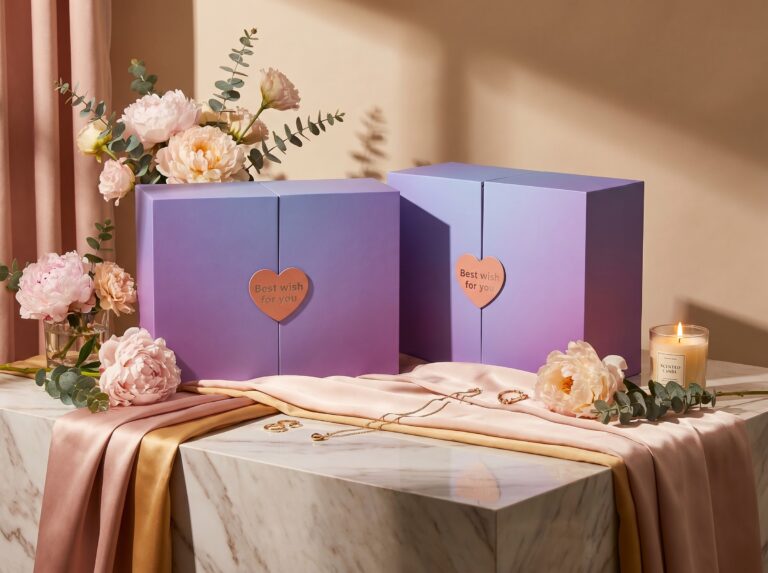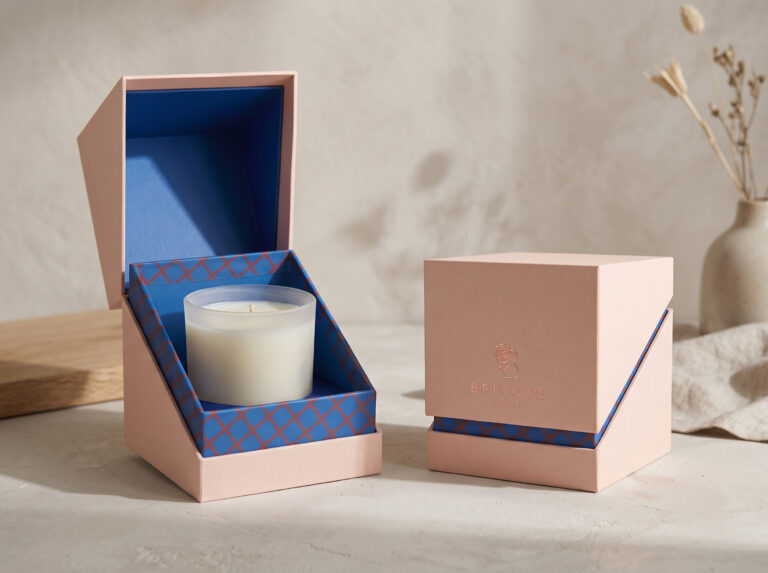



Alguien dice “caja de cartón”.”
Hago un gesto de dolor.
No porque la palabra sea incorrecta en todos los contextos —no lo es—, sino porque he visto cómo esa palabra, tan suave y de aspecto inofensivo, se ha convertido en mercancía dañada, distribuidores enfadados, comparativas de presupuestos inútiles y una de esas dolorosas cadenas de correos en las que todo el mundo se convierte de repente en un experto cuando el envío ya se ha ido al traste. Es curioso cómo funciona eso, ¿verdad?
Esta es la cruda realidad: Cartón frente a cartón ondulado No es un tema trivial de glosario sobre embalajes. Es un tema relacionado con el riesgo de compra. Determina si tu caja está diseñada principalmente para venderse en un estante, soportar el maltrato durante el transporte, aguantar el peso de las pilas en un almacén, proteger un frasco de cristal, reducir los residuos de transporte o satisfacer a algún responsable de cumplimiento normativo que solicite datos sobre los materiales seis meses después del lanzamiento.
Las palabras importan. Las especificaciones importan aún más.
Antes incluso de pedirle un presupuesto a un proveedor, da un paso atrás y analiza el panorama general Opciones de embalaje de papel a medida. Las cajas plegables, las cajas de cartón ondulado de colores, los sobres de envío, los tubos de papel y los envases de regalo para minoristas no son intercambiables solo por el hecho de que todos sean “cajas de papel”. Esa es la primera mentira en materia de compras. Y es una mentira muy cara.
En la jerga del sector del embalaje, el término «caja de cartón» suele referirse a una caja plegable para venta al por menor fabricada con cartón de una sola capa. Cajas de cartón para cosméticos. Cajas de cartón para té. Cajas de cartón para café. Cajas de cartón para productos farmacéuticos. Cajas de caramelos. Fundas para pequeños aparatos electrónicos. El Paperboard Packaging Council describe las cajas plegables como envases que se pliegan hasta quedar planos para su almacenamiento y envío, a menudo fabricados con cartón de entre 10 y 36 puntos y elaborados con tipos de cartón como SBS, SUS, CUK, CRB y FBB: Directrices sobre envases de cartón plegable del Consejo de Envases de Cartón (Paperboard Packaging Council).
Definición clara.
¿La vida real? No es tan idílica.
En las naves de producción y en las órdenes de compra, el término “caja” se utiliza de forma tan amplia que acaba significando casi cualquier cosa. Caja interior. Caja exterior. Caja principal. Caja de exportación. Caja de color. Caja expositora. El comprador piensa en la caja de venta al por menor. El almacén piensa en el embalaje de envío. El proveedor cotiza lo que dice el PDF. Luego, el equipo de la marca se sorprende cuando una bonita caja de cartón fino se dobla como una silla barata bajo la presión del transporte.
Lo he visto. Es doloroso.
El cartón ondulado es diferente. Estructuralmente diferente. La Fibre Box Association define el cartón ondulado como un cartón compuesto formado por una capa exterior y una capa intermedia, en el que la capa intermedia se moldea en forma de ondulaciones y se encola entre las capas exteriores: Definición de cartón ondulado según la Fibre Box Association.
Esa flauta lo dice todo.
No se trata de “papel más grueso”. Es una capa ondulada que soporta la carga y proporciona espacio, rigidez, amortiguación y resistencia a la compresión. Una caja plegable debe tener un aspecto impecable y ser apta para la impresión. Una caja de cartón ondulado debe soportar el apilamiento, las caídas, las vibraciones, la manipulación en el almacén, la presión de los palés y los golpes fortuitos del transporte.
Son trabajos distintos. No los confundas.
Sin romanticismos. Solo la diferencia a la hora de comprar.
| Pregunta del comprador | Cajas plegables | Cajas de cartón ondulado | La cruda realidad |
|---|---|---|---|
| Material principal | Cartón de una sola capa | Cartón ondulado con capa exterior + núcleo ondulado | La diferencia estructural radica en la canal, no solo en que sea “papel más grueso”.” |
| Uso recomendado | Expositores para tiendas, productos ligeros, envases de marca | Envíos, almacenamiento, comercio electrónico, cajas maestras | La caja de cartón sirve para vender el producto; el cartón ondulado protege el envío. |
| Calidad de impresión | Normalmente es más fluido y ofrece mejores resultados con gráficos de alta calidad | Adecuado para flexografía, impresión digital, litografía laminada o revestimientos de color | Los diseños gráficos de alta calidad sobre cartón ondulado pueden suponer un coste adicional de producción. |
| Fuerza | Menor resistencia a la compresión | Mayor capacidad de apilamiento y mejor amortiguación | El peso del producto y la ruta determinan quién gana. |
| Productos típicos | Cosméticos, dulces, té, café, productos farmacéuticos, pequeños aparatos electrónicos | Paquetes de comercio electrónico, cajas de cartón para exportación, cajas de cartón para almacén, cajas de suscripción | Las cajas de venta al por menor suelen necesitar aún embalajes exteriores de cartón ondulado. |
| Lógica de costes | Material de menor calidad para pequeños locales comerciales; el utillaje y el acabado son importantes | Material más resistente; la eficiencia en el transporte depende del tamaño y de la calidad del tablero | Un tablero barato puede salir caro si aumentan los índices de averías. |
| Riesgo asociado a las declaraciones de sostenibilidad | Cartón reciclable, pero los recubrimientos y los laminados son importantes | La tasa de recuperación es elevada, pero las tintas, las cintas, los recubrimientos y la contaminación siguen siendo importantes | “El hecho de que sea ”en papel» no implica automáticamente que cumpla con la normativa. |
El truco está en que la oferta más barata suele parecer la más acertada solo hasta que llega la realidad.
Una caja plegable a $0,18 puede parecer más rentable sobre el papel que un sobre de cartón ondulado a $0,42. Un buen resultado en la hoja de cálculo. Pero si esa caja plegable requiere un embalaje exterior, una bandeja interior, material de relleno, montaje manual, un control de calidad adicional, stock de repuesto para las unidades aplastadas y tiempo de atención al cliente tras las reclamaciones, ese “ahorro” empieza a parecer bastante falso.
A los responsables de compras les molesta mucho oír esto.
Lo entiendo.
Pero el precio unitario no es un riesgo garantizado. Nunca lo ha sido.
Las cajas plegables son ideales cuando la propia caja tiene que vender el producto.
Se imprimen bien. Se pliegan hasta quedar planos. Son fáciles de almacenar antes de empaquetarlos. Pueden tener un aspecto limpio, nítido y lujoso sin resultar pesados desde el punto de vista estructural. Se pueden aplicar técnicas como CMYK, Pantone, estampado en caliente, relieve, grabado, barniz UV selectivo, barniz mate, recubrimiento acuoso, recubrimiento brillante, película de tacto suave, códigos QR, códigos de barras, paneles de ingredientes, textos de advertencia y todos los elementos habituales de la imagen de marca.
Sí, el teatro.
El embalaje para la venta al por menor es, en parte, un espectáculo. Una caja de caramelos de temporada, por ejemplo, no solo contiene caramelos, sino que crea un motivo para comprarla. Un producto como un Caja de regalo para dulces de Halloween con forma de ataúd y tapa estampada encaja perfectamente en ese mundo. Es visual. Es divertido. Hace que un producto pequeño parezca algo especial.
Pero no te engañes sobre lo que es capaz de soportar.
Una caja de cartón plegable puede rayarse. Puede combarse. Puede agrietarse por la línea de corte si la dirección de la fibra, el grosor, el recubrimiento o la presión de plegado no son los adecuados. Puede deformarse al apilarla. Puede perder su forma si el producto es demasiado pesado, tiene bordes demasiado afilados, es demasiado vidrioso o se embala sin respetar las tolerancias adecuadas.
Basta con un diseño de palé mal hecho para que se vaya al traste tu “presentación de primera”.”
Nunca me ha gustado la expresión “listo para la venta al por menor”, a menos que alguien me explique también el proceso. ¿Listo para la venta al por menor para la estantería de una boutique? De acuerdo. ¿Listo para la venta al por menor tras haber pasado por el manejo de los servicios de mensajería, la humedad, el transbordo, las vibraciones del camión y que un trabajador del almacén haya dejado caer la caja desde una cinta transportadora? Eso ya es otra historia.
Ahí es donde el cartón ondulado demuestra su utilidad.
Nadie pone una caja de cartón marrón en un tablero de inspiración.
Bien.
El cartón ondulado se mueve en la parte menos glamurosa de la cadena de suministro: muelles de carga, palés, camiones, centros de clasificación de paquetería, contenedores de exportación, almacenes húmedos, cintas transportadoras y centros de distribución, donde a nadie le importa que el color de tu marca haya pasado por doce rondas de aprobación. La caja o aguanta o no aguanta.
El cartón ondulado proporciona estructura gracias a la geometría de las ondulaciones. Ondulación E, B, C, BC, de una sola pared, de doble pared… No se trata de opciones decorativas. Estas características influyen en el grosor, la resistencia al aplastamiento, la superficie de impresión, el comportamiento al apilar y la eficiencia en el transporte.
Y no, el cartón ondulado no tiene por qué parecer barato.
Puedes utilizar impresión flexográfica, impresión digital, laminado litográfico, papel de revestimiento de colores, papel de revestimiento estucado, microcanal, formatos de sobres troquelados, estructuras listas para exponer y cajas de envío con la marca. Por eso cajas de cartón ondulado de colores para envíos al por menor resulta una buena opción para las marcas que se debaten entre el atractivo en el lineal y la protección durante el transporte.
No es nada glamuroso. Pero sí útil.
Reuters informó en julio de 2024 de que Packaging Corporation of America registró un aumento interanual del 9,21 TP3T en los envíos diarios de productos de cartón ondulado, a medida que la demanda se recuperaba tras la desaceleración posterior a la pandemia: Informe de Reuters sobre la demanda de embalajes de cartón ondulado.
Así que, cuando varíen las cotizaciones del cartón ondulado, no des por sentado automáticamente que tu proveedor está exagerando. El cartón para embalajes, la fibra reciclada, el transporte, la capacidad de las fábricas, la energía, el cartón de revestimiento, el cartón intermedio, la demanda y el volumen de envíos son factores que influyen en los precios.
A veces los proveedores inflan los presupuestos. Claro.
Pero a veces el mercado experimenta grandes fluctuaciones, y el comprador que entiende los grados de calidad de las tablas consigue una mejor oferta que aquel que solo pregunta: “¿Me lo puedes bajar de precio?”.”
¿Cartón o cartón ondulado?
La mitad de las veces es una pregunta equivocada.
La pregunta más acertada es: ¿de qué capa de empaquetado estamos hablando?
El embalaje primario contiene o entra en contacto con el producto. El embalaje secundario identifica la marca, agrupa, etiqueta o protege la unidad de venta. El embalaje terciario permite el traslado de las mercancías a través de almacenes, palés, rutas de exportación y sistemas de paquetería. En cuanto se piensa en términos de capas, el debate deja de ser tan infantil.
Una marca de dulces puede utilizar una caja decorativa para la venta al por menor y, a continuación, empaquetar esas unidades en cajas maestras de cartón ondulado. Una marca de productos para el cuidado de la piel puede utilizar una caja plegable dentro de un sobre de envío de cartón ondulado impreso. Un proveedor de velas puede necesitar separadores de cartón, divisores, una caja interior y un embalaje de exportación de doble pared. Un solo producto. Varias tareas de embalaje.
Eso es normal.
Un pack de temporada como un Caja de caramelos de Halloween de dos piezas con diseño de telaraña Es un paquete de presentación. Crea ambiente. Contribuye a que el producto parezca un regalo. Puede aumentar el valor percibido. Pero si envías esas cajas a granel sin una protección exterior adecuada de cartón ondulado, básicamente estás pidiendo a la cadena de suministro que añada abolladuras como proceso de acabado gratuito.
No es recomendable.
Esta es mi opinión: que la caja de venta al por menor se venda, que el inserto se mantenga estable, que el embalaje de cartón ondulado soporte los golpes y que la caja principal se apile. Cuando los compradores obligan a una caja de cartón fina a hacer las veces de cartel publicitario, amortiguador, embalaje de transporte y caja de exportación, las cosas salen mal.
Normalmente, cosas caras.
“Caja de papel ecológica”.”
No me fío de esa frase.
No siempre es falso, pero casi siempre se da una información insuficiente. Los envases de papel pueden ser una buena opción, sí. La recuperación del cartón es una realidad. La AF&PA informó de que, en 2024, se reciclaron más de 33 millones de toneladas de cartón en Estados Unidos, con una tasa de reciclaje de cartón de entre 69% y 74%, lo que equivale a unas 90 000 toneladas al día: Datos de la AF&PA sobre el reciclaje de papel y cartón en 2024.
Una figura imponente.
Aún así, no es un cheque en blanco.
Una caja de cartón ondulado sin adornos no es lo mismo que una caja de regalo laminada, con gran cantidad de lámina metálica, ventana de plástico, cierre magnético, lazo de cinta, recubrimiento grueso y materiales mixtos. Una caja plegable fabricada con SBS o FBB y con un sencillo recubrimiento acuoso no es lo mismo que una envuelta en película de plástico con una ventana de PET y un inserto que no es de papel. La palabra “papel” no elimina por arte de magia todas las complicaciones relacionadas con el reciclaje.
California ya está impulsando debates más profundos. Según CalRecycle, los envases representan más del 50% del volumen total de residuos que California vierte en los vertederos, y la ley SB 54 establece una serie de requisitos para 2032 destinados a reducir los residuos de envases y garantizar que los envases de un solo uso sean reciclables o compostables: Normas de responsabilidad en materia de envases de CalRecycle (SB 54).
Europa también está tomando medidas. La Comisión Europea afirma que el Reglamento sobre envases y residuos de envases, PPWR 2025/40, entró en vigor el 11 de febrero de 2025 y será de aplicación general a partir del 12 de agosto de 2026: Resumen de la Comisión Europea sobre el PPWR. Reuters también informó de que el acuerdo de la UE tenía como objetivos la reducción de los envases, la reciclabilidad para 2030 y la limitación del exceso de espacio vacío: Informe de Reuters sobre la legislación de la UE en materia de residuos de envases.
Así que, por favor, deja de preguntar solo: “¿Es reciclable?”.”
Pregunta: ¿Dónde se puede reciclar? ¿Bajo qué sistema de recogida? ¿Con qué recubrimiento? ¿Con qué adhesivo? ¿Con qué lámina para ventanas? ¿Con qué inserto? ¿Con qué peso de embalaje? ¿Bajo qué norma de información sobre responsabilidad ampliada del productor (EPR)? ¿Puede el proveedor facilitar certificados FSC, declaraciones de contenido reciclado, declaraciones de materiales y documentación de cumplimiento si tu distribuidor lo solicita?
¿Aburrido? Muchísimo.
Pero es mejor realizar un trabajo tedioso de cumplimiento normativo que tener que rectificar más adelante una afirmación que figure en el envase.
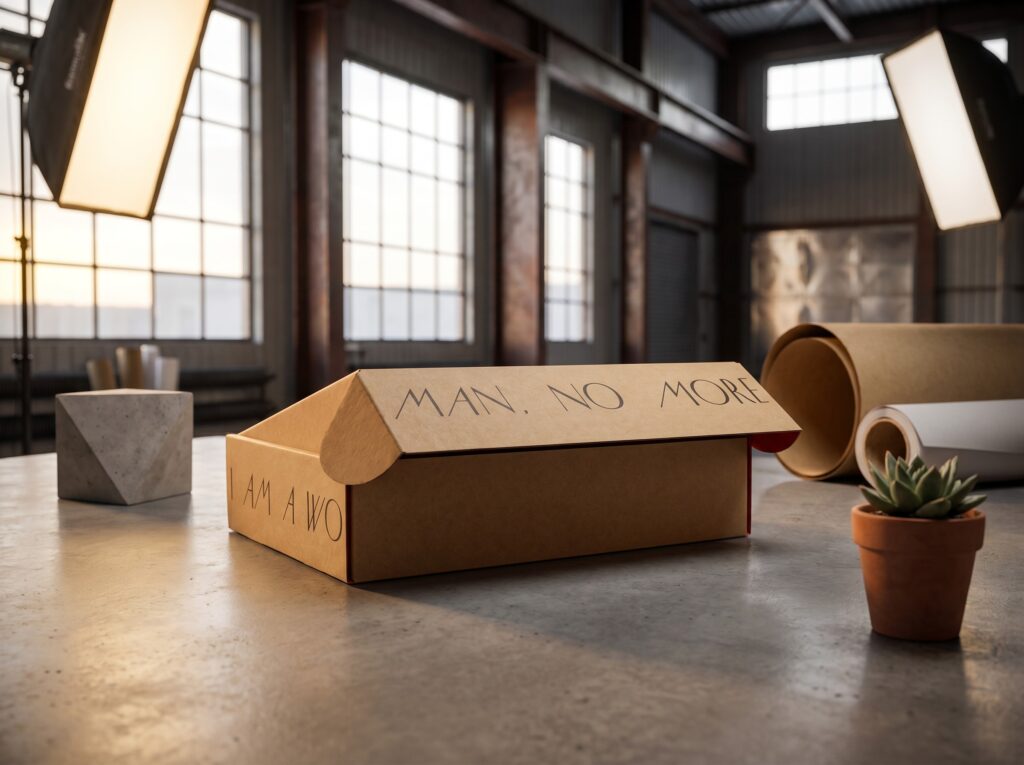
Empecemos por el maltrato.
Ni la imagen renderizada. Ni la muestra bajo la luz de la oficina. Ni la línea más barata de la hoja de presupuesto. Sigue el rastro de los daños.
¿Producto solo para exposición en estantería? Caja plegable.
¿Envío por mensajería? En caja de cartón ondulado.
¿Expositor para tienda más gastos de envío? Caja plegable dentro de una caja de cartón ondulado, o caja de cartón microondulado con mejor calidad de impresión.
¿Ruta de exportación con humedad, presión de los palés, transporte marítimo, almacenamiento en almacén y manipulación por parte del distribuidor? Cartón ondulado más resistente. Quizá de doble pared. Quizá con separadores. Quizá pruebas de compresión. Quizá menos llamativo, pero más adecuado.
Ese es el trabajo.
Una caja plegable de 350 g/m² puede ser perfecta para un pequeño producto cosmético. Un sobre de envío con canal E puede servir para un kit de venta directa al consumidor (DTC). Una caja de envío con canal B o C puede ser más adecuada para productos más pesados. Una caja de doble pared con canal BC puede parecer voluminosa hasta que evita que se aplaste un pedido al por mayor. El microcanal laminado litográficamente puede combinar el diseño gráfico para el comercio minorista con la resistencia estructural, pero cuesta más porque ofrece más prestaciones.
No existe ninguna tabla mágica.
Y si el producto es de cristal, contiene líquido, es frágil, tiene bordes afilados, es de gran valor o es probable que se apile en pilas de seis unidades durante el almacenamiento, no aceptes “usaremos papel más grueso” como respuesta técnica.
Eso no es ingeniería. Es esperanza con un número GSM.
Una solicitud de presupuesto mal redactada dice: “Por favor, envíen un presupuesto para cajas de cartón, al mejor precio”.”
Una solicitud de presupuesto bien elaborada elimina las conjeturas.
| Partida de la solicitud de presupuesto | Qué hay que especificar | Por qué es importante |
|---|---|---|
| Peso del producto | Peso unitario, peso con contenido y unidades por caja | Evita la elección de placas con especificaciones insuficientes |
| Función del cuadro | Caja de venta al por menor, caja interior, sobre de envío, caja principal, caja de exportación | Evita la confusión entre cartón y cartón ondulado |
| Material | SBS, FBB, CRB, cartón kraft, canal E, canal B, canal C, doble pared | Controla la resistencia, la impresión y el coste |
| Dimensiones | Dimensión interna, dimensión externa, tolerancia | Evita problemas de ajuste y sorpresas en el transporte |
| Impresión | CMYK, Pantone, flexografía, offset, impresión digital, litografía-laminación | Influye en el coste, la cantidad mínima de pedido y la calidad del diseño gráfico |
| Finalizar | Mate, brillante, laminado, relieve, barniz UV selectivo, barniz acuoso | Afecta al aspecto y a la reciclabilidad |
| Pruebas | Prueba de caída, compresión, ECT, prueba de rotura y ruta ISTA si fuera necesario | Reduce el riesgo de daños |
| Cumplimiento normativo | FSC, contenido reciclado, EPR, PPWR, indicaciones sobre el contacto con alimentos, si procede | Protege a las marcas frente a reivindicaciones poco sólidas |
| Método de embalaje | Empaquetado en plano, preencolado, montado, paletizado | Cambios en los gastos de transporte y la mano de obra de montaje |
| Cantidad | Cantidad mínima de pedido, consumo anual, previsión de reposición | Determina las herramientas y el precio unitario |
Sí, supone más trabajo.
Hazlo de todos modos.
Cada campo en blanco se convierte en una suposición del proveedor. Cada suposición se convierte en una discrepancia en el precio. A continuación, el comprador compara cuatro presupuestos que en realidad no son comparables y elige el “mejor” precio de entre un montón de especificaciones desiguales.
Una caja plegable de 350 g/m² no es lo mismo que un sobre de cartón ondulado de tipo E. Una caja de cartón ondulado con laminado litográfico no es lo mismo que un embalaje de envío sencillo impreso en flexografía. Una caja de exportación de doble pared no es lo mismo que una caja principal de pared simple. Si las especificaciones son diferentes, la comparación de precios es, en gran medida, una farsa.
El teatro de las contrataciones. El que menos me gusta.
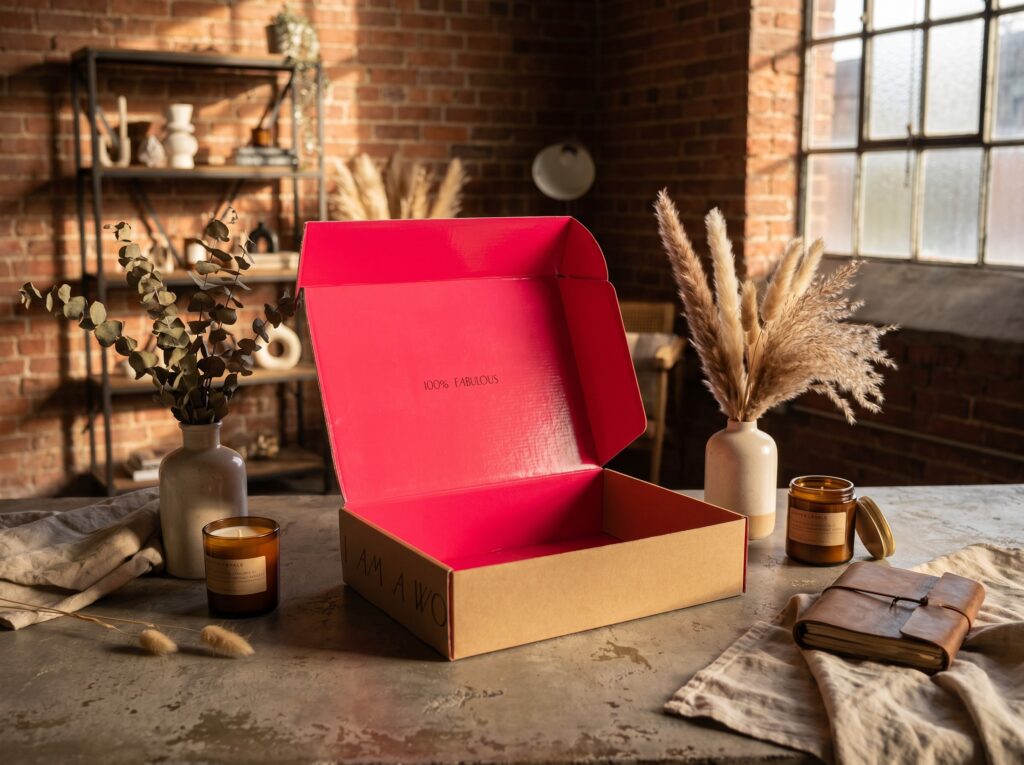
Úsalo cuando la reunión ya se haya alargado demasiado y alguien diga: “¿Podemos decidir de una vez?”.”
| Situación del producto | Una mejor opción inicial | ¿Por qué? |
|---|---|---|
| Producto ligero para venta al por menor expuesto directamente en el lineal | Caja de cartón plegable | Mejor superficie de impresión, perfil más bajo, imagen de marca más nítida |
| Artículo frágil enviado directamente al cliente (DTC) | Caja de cartón ondulado | Mejor absorción de impactos y estructura |
| Artículo de regalo de temporada de alta gama | Caja plegable, caja rígida o caja de papel decorativa + envoltorio exterior de cartón ondulado | La presentación y el envío requieren un enfoque distinto |
| Embalaje al por mayor de varias unidades | Caja maestra de cartón ondulado | Mejor rendimiento en el apilado y la manipulación |
| Sobre para comercio electrónico con impresión de la marca | Sobre de envío de cartón ondulado impreso | Combina la protección con un diseño orientado al cliente |
| Establecimiento minorista de alimentación o cosméticos | Caja de cartón plegable con revisión de conformidad | El etiquetado, la impresión y el atractivo en el lineal son importantes |
| Envío de exportación | Corrugado, de calidad a menudo más resistente | La presión sobre los palés, la humedad y los trayectos largos aumentan el riesgo |
| Envases para tiendas de gran superficie o listos para su exposición | Formato de expositor de cartón ondulado | Estructura más grande, tablero más resistente, marca visible |
Esta tabla no es un protocolo de prueba. No la trates como tal.
Pero sí que nos obliga a plantearnos la primera pregunta clave: ¿para qué sirve el embalaje? ¿Para vender? ¿Para proteger? ¿Para apilar? ¿Para transportar? ¿Para exponer? ¿Para reducir el espacio de carga? ¿Para cumplir con la normativa? Hasta que no respondas a eso, la discusión sobre “cartón frente a cartón ondulado” no es más que una discusión sin fundamento.
Una caja de cartón suele ser un envase plegable para la venta al por menor fabricado con cartón de una sola capa, mientras que una caja de cartón ondulado está fabricada con cartón de revestimiento y un núcleo ondulado que aporta resistencia al apilamiento, amortiguación y durabilidad durante el transporte, lo que la hace adecuada para su uso en paquetería, almacenes, exportaciones y como caja principal. Las cajas de cartón suelen servir para vender el producto; las cajas de cartón ondulado, por su parte, suelen proteger el envío.
Lo complicado es la terminología del sector. La gente utiliza el término “caja de cartón” de forma demasiado amplia. Por eso, los compradores deberían especificar si se trata de una caja plegable, una caja interior, un sobre de envío, una caja principal, una caja de exportación o una caja de venta al por menor antes de solicitar un presupuesto. De lo contrario, se está invitando al caos a la hora de elaborar los presupuestos.
Las cajas plegables no son lo mismo que las cajas de cartón ondulado, ya que las primeras utilizan cartón de una sola capa para la presentación en el punto de venta, mientras que las segundas emplean una estructura de cartón ondulado diseñada para ofrecer mayor resistencia, amortiguación y rendimiento logístico en el transporte, el almacenamiento y la distribución paletizada. La diferencia es estructural, no estética.
Una caja de cartón plegable puede tener un aspecto de alta calidad y, aun así, no ser adecuada para el envío. Una caja de cartón ondulado puede parecer sosa y, aun así, ser la opción más profesional. El embalaje es así de injusto.
Las cajas plegables suelen ser más adecuadas para los envases ligeros destinados al comercio minorista, ya que ofrecen superficies de impresión más lisas, gráficos más nítidos, un almacenamiento compacto en formato plano y un gran atractivo en el punto de venta para productos como cosméticos, dulces, té, café, productos farmacéuticos y pequeños bienes de consumo. El cartón ondulado también puede utilizarse en el comercio minorista, pero a menudo requiere una impresión de mayor calidad o una estructura de microcanal.
En el caso de los productos que se exponen primero en las estanterías, lo importante es el aspecto. En el caso de los productos que se envían primero, lo importante es la estructura. Para los productos que necesitan ambas cosas, utiliza capas o mejora el cartón, en lugar de pretender que una caja de cartón barata sirva para todo.
Las cajas de cartón ondulado suelen ser más adecuadas para el envío, ya que la capa ondulada situada entre las láminas de cartón ofrece resistencia a la compresión, amortiguación y una mayor durabilidad frente a las caídas de los paquetes, el apilamiento en palés, la manipulación en el almacén, las vibraciones y el transporte de larga distancia. Las cajas plegables pueden necesitar una caja exterior de cartón ondulado cuando se utilizan para el comercio electrónico o la distribución al por mayor.
Aquí es donde lo barato sale caro. Una caja de cartón para venta al por menor puede suponer un ahorro de unos céntimos en la producción, pero luego puede costar dólares en mercancía dañada, envíos de sustitución, solicitudes de reembolso y fotos desagradables de los clientes.
Sí, el uso de una caja plegable dentro de una caja de cartón ondulado suele ser el mejor sistema de embalaje, ya que la caja plegable se encarga de la imagen de marca, el etiquetado y la presentación en el punto de venta, mientras que la caja exterior de cartón ondulado se encarga de la protección durante el transporte, la resistencia al apilamiento y los posibles daños durante la logística. Este enfoque por capas es habitual en los sectores de la cosmética, la alimentación, los regalos, la electrónica y los productos al por mayor.
Me gusta esta configuración porque cada capa cumple con su función. El cartón es el que vende. La caja de cartón ondulado es la que soporta los golpes. Eso no es un exceso de ingeniería si la ruta realmente lo exige.
Antes de enviar tu próxima solicitud de presupuesto para embalajes, deja de escribir “caja”, como si eso bastara para explicar el encargo.
Describe la función. Caja plegable. Caja interior. Sobre de cartón ondulado impreso. Caja principal. Caja de exportación. Caja de presentación para venta al por menor. A continuación, incluye el peso del producto, las dimensiones, el canal de venta, la ruta de envío, el mercado de destino, la cantidad, el método de diseño gráfico, el acabado, los requisitos de cumplimiento normativo y las expectativas en materia de pruebas.
Así es como se evitan los ahorros falsos.
Si aún no te has decidido, compara la versión completa Opciones de embalaje de papel a medida con cajas de cartón ondulado de colores para envíos al por menor En primer lugar. A continuación, decide si un formato comercial decorativo —como un Caja de regalo para dulces de Halloween con forma de ataúd y tapa estampada o un Caja de caramelos de Halloween de dos piezas con diseño de telaraña — debe ir envuelto en un embalaje de cartón ondulado adecuado.
La mayoría de las veces, la respuesta sincera no es «cartón» ni «cartón ondulado».
Son las dos cosas.
Si se utiliza correctamente.
Comentarios