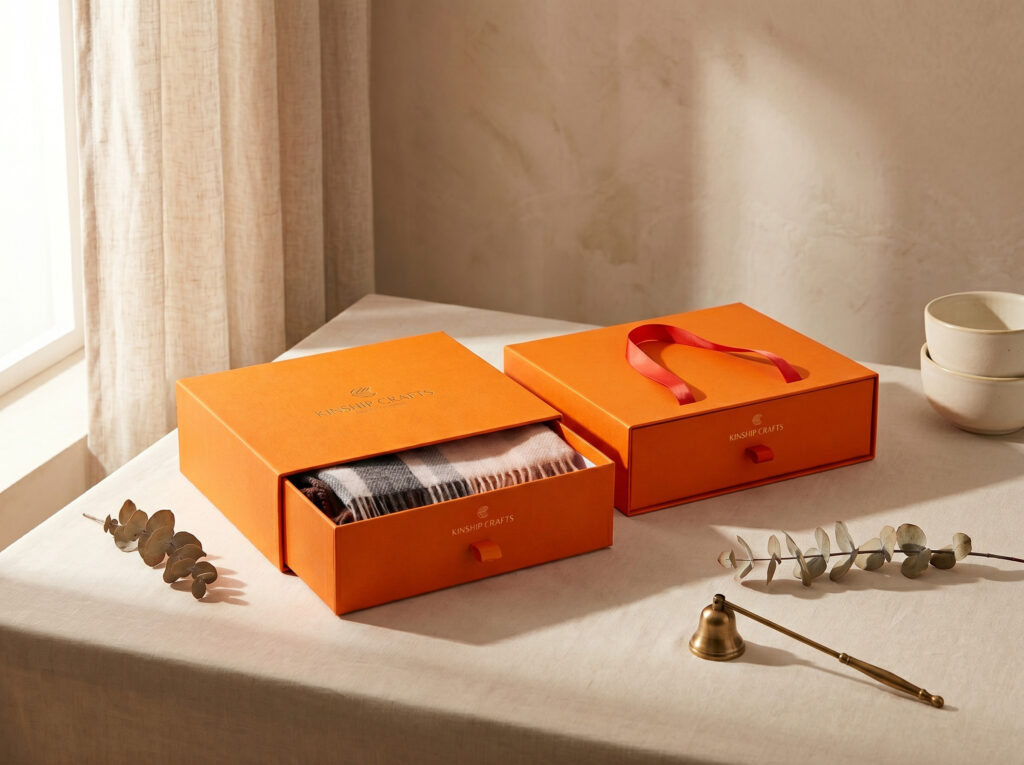
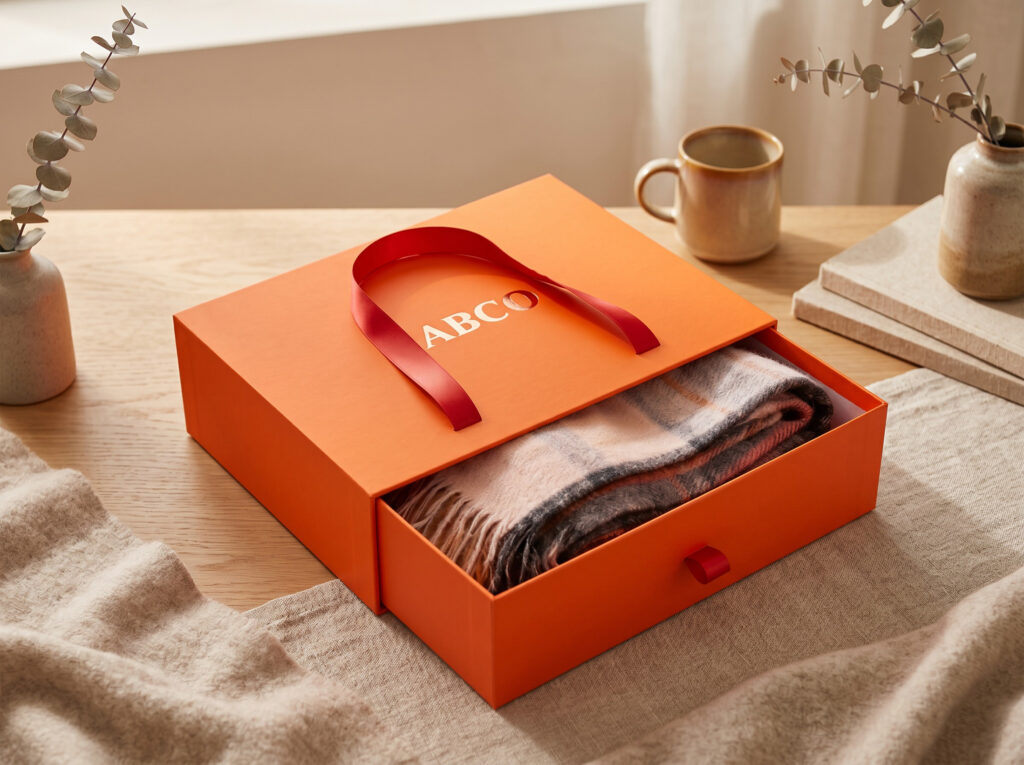
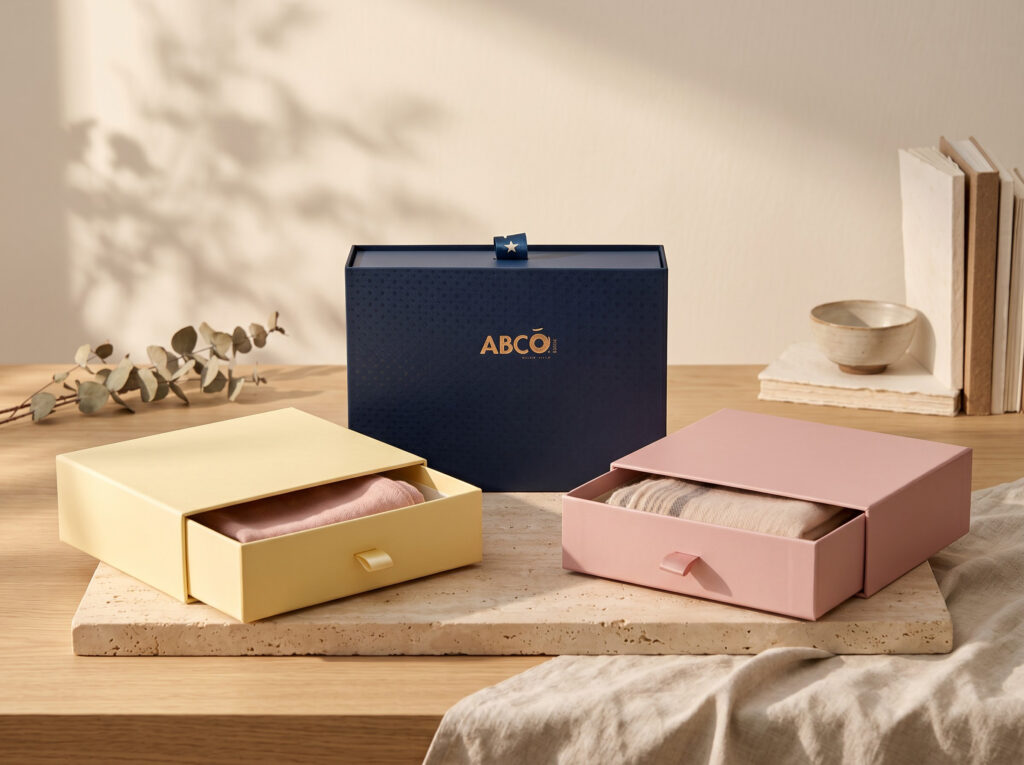
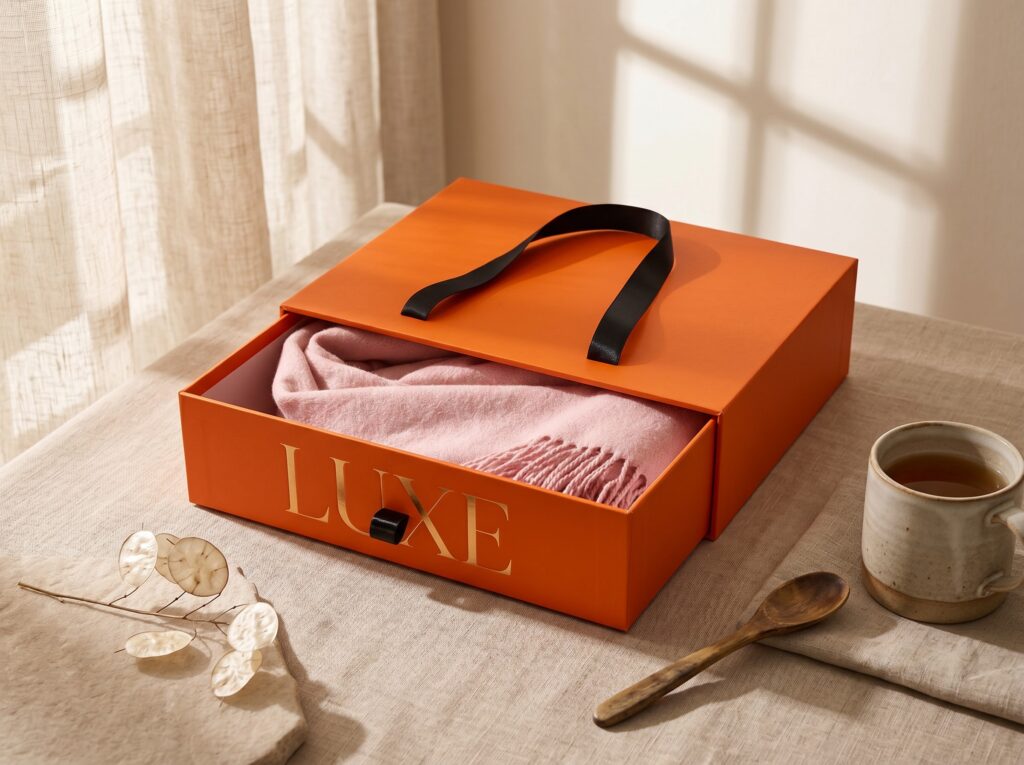
Bevor Sie gehen, lassen Sie Ihr Projekt für starre Schachteln von unserem Managementteam prüfen. Teilen Sie uns Ihre Produktart, die für Ihren Zielmarkt vorgesehene Stückzahl und den Zeitplan für die Markteinführung mit – wir helfen Ihnen gerne dabei, die für Ihre Marke am besten geeignete Struktur, das Material, die Oberflächenveredelung, die Mindestbestellmenge und den Produktionsplan zu ermitteln.
Unterstützung in den Bereichen Vertrieb und Verpackungstechnik erhalten
Unser Vertriebsteam
Benötigen Sie Hilfe bei Schachteln mit Magnetverschluss, Schachteln mit abnehmbarem Deckel, Schubladenschachteln, Kosmetikschachteln, Kerzenschachteln, Parfümverpackungen, Teeschachteln, Weinschachteln oder Werbeverpackungen? Senden Sie uns Ihre Anforderungen, und unser Vertriebs- oder Entwicklungsteam hilft Ihnen gerne bei der Preisgestaltung, der Konstruktion, der Mustererstellung, dem Druck und der Produktionsdurchführbarkeit.
Individuell gestaltete Geschenkboxen mit Logo für eine unvergessliche Markenverpackung
Ich habe das schon in Proberäumen erlebt.
Ein Einkäufer öffnet eine Schachtel, nickt höflich und hat sie schon vor dem Mittagessen wieder vergessen. Dann öffnen sie eine weitere – aus derselben Produktkategorie, ohne dass der Preis wesentlich höher ist –, doch der Deckel lässt sich mühelos abnehmen, das Logo befindet sich genau dort, wo der Daumen es erwartet, die Einlage klappert nicht, und plötzlich tun alle am Tisch so, als wäre das Produkt darin mehr wert.
Inhaltsverzeichnis
So erfüllt die Verpackung ihren schmutzigen kleinen Zweck.
Leise.
Und genau hier hören maßgeschneiderte Geschenkboxen auf, nur eine “schöne Verpackung” zu sein, und werden zu einem Instrument der Markenführung: Sie bestimmen den ersten Eindruck, das erste Foto, die erste Einschätzung des Preises und manchmal auch die erste Beschwerde, wenn die Beschaffung bei der Kartonqualität, dem Einwickelpapier, den Toleranzen der Einlegeblätter oder den Transporttests nachlässig vorgegangen ist. Warum sollte man das als Nebensache abtun?
Individuell gestaltete Geschenkboxen mit Logo für eine unvergessliche Markenverpackung
Die unangenehme Wahrheit: Die meisten individuell gestalteten Geschenkboxen sind lediglich verzierte Behälter
Hier ist die bittere Wahrheit.
Viele individuell gestaltete Geschenkboxen mit Logo sind nichts weiter als minderwertige Schachteln, die mit teurem Make-up verschönert wurden.
Goldfolie. Soft-Touch-Folie. Vielleicht ein Band. Ein Magnetverschluss, falls jemand aus der Marketingabteilung noch Budget übrig hatte. Doch wenn die Schachtel in der Realität landet – nicht in einem Rendering, nicht unter Studiobeleuchtung –, sind die Ecken verbeult, der Deckel sitzt schlampig, die Verpackung ist zerkratzt und das Produkt rutscht hin und her, weil sich niemand die Mühe gemacht hat, die Einlage wie ein Erwachsener zu planen.
Ich bin ehrlich gesagt der Meinung, dass dies die größte Lüge bei Markenverpackungen ist: Die Leute glauben, das Logo sei es, das das Premium-Gefühl vermittelt.
Das tut es nicht.
Ein Logo funktioniert nur, wenn die Struktur dahintersteht. Ein schickes Logo auf minderwertigem Material ist schlimmer als gar kein Logo, denn damit hat die Marke sich selbst als billig abgestempelt. Das klingt hart. Gut so. Das soll es auch.
Eine echte, maßgeschneiderte Geschenkverpackung muss drei Kriterien gleichzeitig erfüllen: Schützt sie das Produkt, verleiht sie der Marke einen höheren Wert und sorgt sie dafür, dass sich der Beschenkte auch nach dem Entfernen des Seidenpapiers noch daran erinnert, von wem das Geschenk stammt?
Wenn Sie Verpackungen für Veranstaltungen, Influencer-Kits, Firmengeschenke, den Luxus-Einzelhandel, saisonale Werbeaktionen oder Willkommenspakete gestalten, beginnen Sie mit Individuell gestaltete Geschenkboxen mit Logo als Instrument zur Markensteuerung, nicht als Dekorationsausgabe.
Warum sich Geschenkboxen mit Logo beim Käufer einprägen
Eine Geschenkbox mit Logo ist erfolgreich, weil sie dem Käufer eine Erleichterung bietet.
Marke wahrgenommen. Wert angenommen. Produkt bewertet.
Schnell.
Das geschieht jedoch nur, wenn alle haptischen Aspekte perfekt aufeinander abgestimmt sind: die Papierverpackung, die Steifigkeit des Kartons, die magnetische Anziehungskraft, die Passgenauigkeit des Deckels, die Dichte der Einlagen, die Farbkonsistenz, die Form der Ecken und sogar das Geräusch beim Öffnen der Schachtel. Laien nennen das “Unboxing”. Verpackungsfachleute wissen jedoch, dass es sich dabei in Wirklichkeit um eine Kombination aus Toleranzen, Materialien, Klebstoffen und Oberflächenausführungen handelt, die vorgibt, Emotionen zu wecken.
Das ist der Teil, den niemand laut aussprechen möchte.
Laut FedEx-Studie zum Thema Verpackung, Markenverpackungen können das Kundenerlebnis beeinflussen, und oft wird die Zahl von 40% Online-Käufern angeführt, die ein Bild ihres Kaufs in den sozialen Medien teilen würden, wenn dieser in einer Markenverpackung geliefert würde. Gut. Nützlich. Aber wir sollten diese Zahl nicht überstrapazieren. Ein langweiliger Karton mit einem Logo wird dadurch nicht auf magische Weise zu etwas, das man gerne teilt.
Eine Schachtel muss sich vor der Kamera erst einmal beweisen.
Eine matte, stabile Schachtel mit Blindprägung könnte es sein. Ein Versandkarton mit gestochen scharfem Innendruck könnte es sein. Eine schlichte Firmengeschenkbox mit einer perfekten Einlage und ohne Slogan-Wahn könnte es sein. Ein dünner Karton mit matschigen CMYK-Farben und einem Aufkleber, der vorgibt, Branding zu sein? Keine Chance.
Mondis Bericht zu den Verpackungstrends im E-Commerce 2024 Im Rahmen der Studie wurden 6.000 Verbraucher in ganz Europa und der Türkei befragt, wobei das Online-Einkaufsverhalten, die Einstellung zu Verpackungen, das Auspacken, das Recycling und die Wiederverwendung untersucht wurden. Das ist von Bedeutung, da die Verpackung nicht mehr unsichtbar ist. Sie wird noch vor dem Produkt selbst beurteilt.
Und manchmal wird es strenger beurteilt.
Individuell gestaltete Geschenkboxen mit Logo für eine unvergessliche Markenverpackung
Der Markenerinnerungskreislauf, den niemand an die Tafel zeichnet
Die besten Geschenkboxen mit Markenlogo folgen in der Regel einem einfachen Ablauf:
Wiedererkennbarkeit: Das Logo, die Farbe, die Form oder die Oberflächenbeschaffenheit vermitteln: “Das sind wir.”
Fazit: Das Fahrgefühl und das Ansprechverhalten beim Anfahren rechtfertigen den Preis.
Erinnerung: Der Empfänger behält die Schachtel, fotografiert sie oder behält sie im Gedächtnis.
Weiterempfehlung: Die Marke des Senders bleibt länger im Gedächtnis als das Geschenk selbst.
Gerade dieser letzte Punkt ist bei Firmengeschenkboxen mit Logo besonders wichtig. Die meisten Firmengeschenke verschwinden in Schubladen, Büroschränken, im Gepäck oder auf dem Rücksitz eines Taxis. Oft bleibt nur die Schachtel zurück.
Nicht immer.
Aber oft genug, um es richtig zu machen.
Es kommen neue Vorschriften für irreführende Angaben auf Verpackungen
Aber hier ist Schluss mit dem Spaß.
Die Verpackungsbranche steht unter Druck. Nicht nur seitens der Käufer, sondern auch durch Aufsichtsbehörden, Abfallziele, Recyclingvorschriften und die Skepsis der Verbraucher, die von Jahr zu Jahr zunimmt.
Reuters berichtete im März 2024 dass jeder Europäer pro Jahr fast 190 kg Verpackungsabfall verursacht und sich die EU-Verhandlungsführer auf Ziele zur Reduzierung des Verpackungsaufkommens von 5% bis 2030 und 15% bis 2040 geeinigt haben, wobei alle Verpackungen bis 2030 recycelbar sein sollen.
Diese Zahl dürfte den Teams für Luxusverpackungen ein wenig ins Schwitzen bringen.
Denn individuell bedruckte Geschenkboxen können schnell zu einem Chaos werden: Magnete, Bandverschlüsse, PET-Fenster, EVA-Schaumstoff, laminierte Umhüllungen, Metallfolie, Kunststoffschalen, beschichtete Hüllen, Acetat, Schmelzkleber, Dekokarten und überdimensioniertes “Präsentationsvolumen”, das auf einem Konferenztisch zwar prächtig aussieht, bei einer Abfallbilanz jedoch lächerlich wirkt.
Ich bin nicht gegen Premium-Angebote.
Ich bin gegen vorgetäuschte Nachhaltigkeit.
McKinsey’s Weltweite Verpackungsumfrage 2023 Die Studie umfasste Verbraucher in elf Ländern und ergab, dass die Prioritäten bei Verpackungen je nach Markt variieren, wobei Nachhaltigkeit neben anderen Faktoren wie Hygiene, Lebensmittelsicherheit und Haltbarkeit eine Rolle spielt. Genau das wird von den Marken oft übersehen. Ein Käufer aus den USA, ein Käufer aus Deutschland und ein Käufer aus Großbritannien interpretieren denselben Verpackungshinweis möglicherweise nicht auf dieselbe Weise.
Und das Risiko von Schadensfällen ist real.
Die Der Fall „Williams-Sonoma“ der FTC vom April 2024 endete mit einer Zivilstrafe in Höhe von $3,175 Millionen wegen “Made in USA”-Angaben. Nein, es ging nicht speziell um Geschenkboxen. Aber wenn Sie “Made in USA”, “umweltfreundlich”, “recycelbar”, “kunststofffrei”, „FSC“ oder ein anderes schickes kleines Gütesiegel auf Marken-Geschenkboxen aufdrucken, sollten Sie besser die entsprechenden Unterlagen parat haben.
Tinte ist ein Beweis.
Drucken Sie keine Behauptungen aus, die Ihr Lieferantenordner nicht belegen kann.
Entscheide dich erst für die Kartonstruktur, bevor du dich in die Folie verliebst
In solchen Situationen werde ich in Besprechungen nervig.
Jemand fragt: “Können wir Goldfolie verwenden?”, noch bevor überhaupt das Produktgewicht, die Innenmaße, die Transportroute, die Art der Einlage, die Kartonstärke oder die Frage, ob die Schachtel einen Falltest bestehen muss, geklärt sind. Das ist verkehrt. Schmerzlich verkehrt.
Die Struktur ist die geschäftliche Entscheidung.
Das i-Tüpfelchen ist das Kostüm.
Für Teams, die vergleichen Verpackungskartons nach Branche, die erste Entscheidung sollte nicht lauten: “Schwarz oder Weiß?” Sie sollte vielmehr lauten: starr oder faltbar, Versandtasche oder zweiteilig, mit Fenster oder ohne Fenster, mit Beilage oder ohne Beilage, von Hand zusammengestellt oder maschinengerecht, flach versandfertig oder vorgeformt?
Mittel bis hoch; hochwertige Optik mit optimierter Transportlogistik
Mittel
Die Festigkeit der Ecken hängt stark von der Qualität der Platine und der Montage ab
Versandkarton
DTC-Geschenksets, Abo-Boxen, Influencer-Kits
Mittel; praktisch und druckfreundlich
Niedrig bis mittel
Schwache Kartonqualität kann bei der Beförderung durch den Kurierdienst zerbrechen
Fensterbox aus Pappe
Süßigkeiten, kleine Geschenke, saisonale Einzelhandelsprodukte
Hohe Sichtbarkeit im Regal
Mittel
Fensterfolie und Klebeband können die einfache Entsorgung erschweren
Individuell gestaltete Geschenkboxen mit Logo für eine unvergessliche Markenverpackung
Boxen mit Magnetverschluss: Tolles Theater, aber nicht immer tolle Mathematik
Magnetboxen fühlen sich gut an.
Da ist das Klicken. Die Pause. Die Enthüllung.
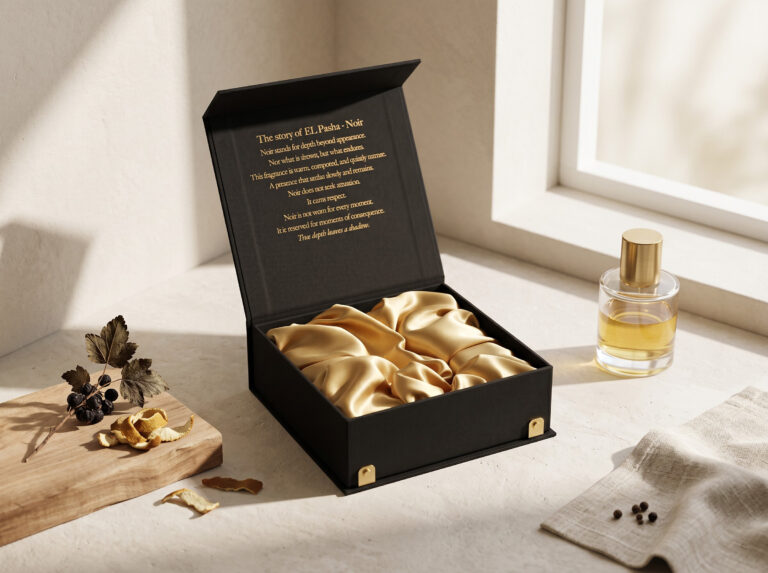
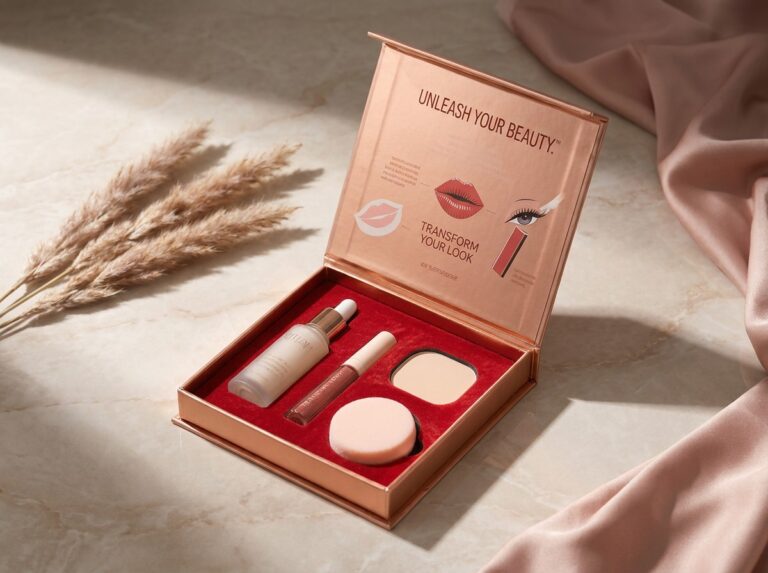
Bei Kosmetika, Parfüm-Sets, Technikzubehör, Geschäftsgeschenken, PR-Kits und hochwertigen Einführungs-Paketen kann dieser kleine magnetische Moment dem Ganzen einen durchdachten Charakter verleihen. Allerdings erhöhen Magnete die materielle Komplexität, den Montageaufwand und die Kosten. Sie können zudem Nachhaltigkeitsaussagen erschweren, wenn niemand über die Trennung oder die Entsorgung nachgedacht hat.
Verwenden Sie sie also, wenn der Wert des Geschenks der Struktur gerecht wird.
Es löst echte Probleme: Lagerung, Frachtvolumen, Lagerabwicklung, Kampagnenbestände und manchmal auch den Druck durch Mindestbestellmengen. Es kann trotzdem professionell wirken, zwingt Sie aber nicht dazu, Luft über den Ozean zu verschiffen.
Das ist wichtig.
Vor allem, wenn die Einkaufsabteilung endlich fragt, warum der Verpackungswürfel um ein Vielfaches größer ist als der Produktwürfel.
Geschenkboxen mit Sichtfenster: Praktisch, charmant, ein bisschen gefährlich
Ob Süßigkeiten, kleine Geschenke, saisonale Produkte, Hochzeitsgeschenke, Feinkost oder Werbegeschenke für Veranstaltungen – ein Schaufenster kann mehr bewirken als ein ganzer Absatz Text. Es zeigt. Es verführt. Es beantwortet die Frage “Was ist drin?”, noch bevor die Schachtel geöffnet wird.
Doch Fenster, Bänder und Dekorationen aus verschiedenen Materialien sind unter Compliance-Gesichtspunkten nicht unbedenklich.
Dieses hübsche PET-Fenster? Dieses Band? Dieser Klebstoff? Dieses laminierte Papier? All das kann Einfluss darauf haben, wie ehrlich Sie über die Recyclingfähigkeit sprechen können.
Eine schöne Verpackung kann trotzdem eine unpraktische Verpackung sein.
Logo-Druck: Wo Marken ihr Budget verschlingen, ohne es zu merken
Die Gestaltung eines Logos klingt einfach – bis man den Kostenvoranschlag für die Produktion erhält.
Offsetdruck. Digitaldruck. Folienprägung. Blindprägung. Prägung. Siebdruck. Spot-UV-Lackierung. Etikett. Hülle. Aufdruck auf dem Innendeckel. Rundumdruck. Aufdruck auf der Beilage.
Jede Entscheidung wirkt sich auf die Werkzeugausstattung, die Farbstabilität, die Lieferzeit, die Mindestbestellmenge, die Fehlerquote und den Preis aus. Und ja, Folie wird tatsächlich zu oft gewählt.
So. Jetzt habe ich es gesagt.
Folienveredelungen können auf Geschenkverpackungen mit individuellem Logo einen atemberaubenden Effekt erzielen, insbesondere bei Schmuck, Parfüm, Kosmetik, VIP-Sets, Auszeichnungen und Luxusartikeln. Doch Goldfolie auf schwarzem Karton ist mittlerweile so etwas wie das Verpackungsäquivalent dazu, laut “Premium” zu rufen, weil einem einfach nichts Besseres einfällt.
Manchmal wirkt eine Ton-in-Ton-Prägung edler.
Manchmal ist eine exakte Pantone-Farbübereinstimmung besser als metallischer Glanz.
Manchmal ist das cleverste Logo klein, unauffällig und genau dort platziert, wo die Hand beim Öffnen des Deckels aufliegt.
Meine Vorliebe für schnell fertiggestellte Logos
Ich würde mir individuell bedruckte Geschenkboxen wie diese vorstellen:
Offsetdruck: Die beste Wahl, wenn die Farbkontrolle der Marke entscheidend ist und die Auflage groß genug ist.
Digitaldruck: eignet sich für kürzere Kampagnen, variable Druckvorlagen und schnellere Testdrucke.
Heißprägen: starker Kontrast, hohe Wertigkeit, zusätzlicher Werkzeugaufwand.
Prägung/Tiefprägung: haptisch ansprechend, leiser und – wenn gut ausgeführt – luxuriöser.
Spot-UV-Lackierung: wirkungsvoll, aber überstrapaziert und manchmal kitschig.
Soft-Touch-Laminierung: angenehmes Gefühl, lästige Gefahr von Kratzern.
Wasserbasierte Beschichtung: weniger auffällig, für viele Kartonaufträge sinnvoller.
Und bitte – genehmigen Sie eine Oberflächenausführung nicht allein auf der Grundlage eines Renderings.
Berühren Sie das Muster. Biegen Sie die Ecke. Reiben Sie über die Oberfläche. Öffnen Sie es fünfmal. Lassen Sie es einmal fallen, falls es im Transportalltag rauen Bedingungen ausgesetzt sein wird. Eine echte Verpackung durchläuft die Hände der Menschen, landet in Kartons, Transportern, Regalen und Lagerräumen – nicht in Adobe Illustrator.
Mindestbestellmenge, Lieferzeit und all die langweiligen Dinge, mit denen Sie Geld sparen können
Individuell gestaltete Geschenkboxen sind keine gewöhnlichen Kartons, auf die einfach nur ein Logo geklebt wurde.
Das Werk muss die Kosten für Stanzvorlagen, Werkzeuge, Mustererstellung, Karton, Umhüllungspapier, Druckvorbereitung, Stanzen, Laminierung, manuelle Montage, Magnete, Bänder, Beilagen, Qualitätskontrolle, Exportkartons, Verpackungsaufwand, Seefracht, Luftfracht sowie all die kleinen Toleranzen kalkulieren, an die sich niemand erinnert, bis das zweite Muster fehlschlägt.
Genau hier liegt die Schwachstelle der Marken.
Sie geben ein wunderschönes Muster frei. Dann kommt das Angebot für die Großbestellung zurück – mit einer höheren Mindestbestellmenge, einer anderen Kartonqualität, einem geänderten Einsatz oder einer Frachtannahme, die den Lieferzeitplan durcheinanderbringt. Plötzlich wird aus dem “einfachen Geschenkbox-Projekt” ein erbitterter Beschaffungskampf.
Meiner Erfahrung nach müssen diese Spezifikationen vor der endgültigen Angebotserstellung festgelegt werden:
Innere Maße, nicht nur die Außenmaße
Plattenstärke in mm oder als Äquivalent in g/m²
Art des Verpackungspapiers und Druckverfahren
Logo-Ausführung und genaue Pantone- oder CMYK-Werte
Einlagematerial: Karton, EVA, Formzellstoff, PET oder Wellpappe
Verpackungsmenge pro Karton und Größe des Exportkartons
Falltest- oder Transportanforderungen
Nachhaltigkeitsangaben und Belege
Muster für eine Genehmigungsnorm
Langweilig? Auf jeden Fall.
Nützlich? Mehr noch als das Moodboard.
So setzen Sie individuell gestaltete Geschenkboxen mit Logo für die Markenverpackung ein
Der beste Weg, individuell gestaltete Geschenkboxen mit Logo für die Markenverpackung einzusetzen, besteht darin, die Struktur der Schachtel, die Ausführung des Logos, das Farbschema, das Design der Einlage und die Angaben zur Konformität auf einen bestimmten Kundenmoment abzustimmen, anstatt die Verpackung lediglich als Dekoration zu betrachten, nachdem das Produkt bereits fertiggestellt ist.
Das kann ein Luxuskauf sein. Oder ein Dankeschön-Paket für Kunden. Oder ein Willkommenspaket für neue Mitarbeiter. Oder ein Werbegeschenk auf einer Messe. Oder ein PR-Mailer, der so konzipiert ist, dass er unter schlechten Lichtverhältnissen von jemandem gefilmt wird, der beruflich Pakete auspackt.
Anderer Moment, andere Schachtel.
Man sollte nicht alles pauschal als “Premium” abtun.”
Geschenke im Geschäftsleben erfordern Disziplin
Geschenkboxen für Unternehmen mit Logo sollten nicht so aussehen, als wäre ein Dokument mit den Markenrichtlinien in einer starren Schachtel explodiert.
Ein Logo. Eine Botschaft. Ein übersichtlicher Beileger. Eine gut zusammengestellte Produktauswahl. Vielleicht eine Karte.
Das reicht.
Der Empfänger öffnet das Paket vielleicht an einem Schreibtisch, in einem Hotelzimmer, im Flur eines Konferenzzentrums oder zu Hause, während er mit den Gedanken woanders ist. Die Verpackung hat nur wenige Sekunden Zeit, um den Absender kompetent wirken zu lassen. Nicht auffällig. Kompetent.
E-Commerce-Verpackungen müssen den Anforderungen des Kurierdienstes gerecht werden
DTC-Marken lieben Unboxing-Videos – bis UPS, FedEx, DHL oder ein regionaler Zustelldienst ihnen Demut beibringt.
Ecken werden zerdrückt. Beschichtungen werden zerkratzt. Versandtaschen werden geknickt. Beilagen verrutschen. Etiketten verdecken die Druckmotive. Es regnet. Die Mitarbeiter im Lager verpacken je nach Tag zu fest oder zu locker.
Wenn eine Geschenkbox mit Markenlogo direkt an den Verbraucher versandt wird, testen Sie sie so, als würde sie unsachgemäß behandelt werden.
Weil es so sein wird.
PR-Kits benötigen „Camera Logic“
PR-Kits sind keine gewöhnlichen Kartons.
Es handelt sich um Bühnenrequisiten, bei denen ein Transportrisiko besteht.
Die Verpackung muss sich vor der Kamera reibungslos öffnen lassen. Der Ablauf beim Auspacken sollte logisch sein. Der Deckel darf nicht klemmen. Die Einlage darf dem Nutzer keine Schwierigkeiten bereiten. Die Botschaft im Inneren sollte innerhalb von zwei Sekunden lesbar sein. Wenn der Influencer mit der Verpackung zu kämpfen hat, wirkt die Marke ungeschickt.
So etwas schreibt man nicht in den Kreativ-Briefing.
Das sollten sie.
Individuell gestaltete Geschenkboxen mit Logo für eine unvergessliche Markenverpackung
Nachhaltigkeitsangaben: Je zurückhaltender Ihre Angabe, desto sicherer sind Sie
“Umweltfreundlich” ist einer dieser Ausdrücke, die mich nervös machen.
Das klingt gut. Es sagt aber so gut wie nichts aus. Und wenn Ihre individuelle Geschenkverpackung Magnete, Laminatfolie, Bänder, verschiedene Einlagen, Folie, PET-Fenster oder Schaumstoff enthält, wird die Aussage noch unübersichtlicher.
Sag weniger. Zeig mehr.
Wenn für die Verpackung FSC-zertifiziertes Papier verwendet wird, geben Sie dies nur dann an, wenn die Nachweisdokumente dies belegen. Wenn die Schachtel recycelbar ist, prüfen Sie das gesamte System: Beschichtung, Folie, Sichtfenster, Klebstoff, Einleger, Magnet, Band sowie die örtlichen Recyclingbedingungen. Wenn die Schachtel wiederverwendbar ist, gestalten Sie sie so, dass sie wiederverwendet werden kann – geben Sie sich nicht einfach mit dem Begriff “Andenken” zufrieden und hoffen Sie das Beste.
Nach Angaben der Europäischen Kommission ist die EU-Verordnung über Verpackungen und Verpackungsabfälle 2025/40 am 11. Februar 2025 in Kraft getreten und gilt grundsätzlich ab dem 12. August 2026. Sie gilt für Verpackungen unabhängig von Material oder Herkunft und enthält Anforderungen hinsichtlich Zusammensetzung, Verwertbarkeit, Abfallvermeidung, recycelten Kunststoffen und eingeschränkten Stoffen.
Das ist kein Branding-Trend.
Damit wird das Datenblatt politisch.
Für Marken, die ihre Produkte in Europa vertreiben, gehört das Thema Nachhaltigkeit in die Planungssitzung und nicht in die abschließende Überprüfung der Druckvorlagen. Für US-amerikanische Marken gelten nach wie vor die Werberegeln der FTC, wenn Werbeaussagen auf der Verpackung, auf Karten, auf der Website, in Angebotsunterlagen oder in Verkaufspräsentationen erscheinen.
Meine Regel ist einfach: Was man nicht belegen kann, druckt man nicht aus.
Bessere Vorgaben für einprägsame Markenverpackungen
Eine unvergessliche Verpackung entsteht nicht dadurch, dass man einfach mehr Dinge hinzufügt.
Man baut es auf, indem man das Überflüssige entfernt und das, was übrig bleibt, strafft.
Eine gute, maßgeschneiderte Geschenkverpackung sollte vom ersten Berühren bis zur endgültigen Entsorgung oder Entscheidung über die Wiederverwendung durchdacht wirken. Karton. Passform. Druck. Einlage. Verschluss. Anspruch. Transport. Alles.
Beginnen Sie mit Gewicht und Zerbrechlichkeit
Ein Kerzenglas, eine Hautpflegeflasche, ein Schokoladenset, eine Uhr, eine Tasse und ein USB-Set gehören nicht in dieselbe Verpackungsspezifikation.
Das Gewicht bestimmt die Kartonqualität. Die Bruchfestigkeit bestimmt die Geometrie der Einlegeteile. Die Oberflächenempfindlichkeit beeinflusst die Wahl der Beschichtung. Der Transportweg beeinflusst die Kartonverpackung. Das Produkt gibt vor, wie die Verpackung beschaffen sein muss.
Hör es dir an.
Gestalte den Einsatz so, als käme es wirklich darauf an
An der Einlage zeigt sich, wie billig die Verpackung ist.
Lose Produkte klappern. Enge Hohlräume zerkratzen die Ecken. EVA-Schaumstoff kann bei unsachgemäßer Handhabung unangenehm riechen. Formpapier kann solide wirken, strahlt aber nicht immer Luxus aus. Einlagen aus Pappe sehen sauber und recycelbar aus, erfordern jedoch eine gute Konstruktion, da sie sonst wie nasser Toast zusammenfallen.
Das ist kein unbedeutendes Detail.
Das ist der Unterschied zwischen einem “hochwertigen Geschenk” und “irgendetwas in einer Schachtel”.”
Platzieren Sie das Logo bewusst
Die Platzierung des Logos verändert den Rhythmus des Anfangs.
Das Logo auf dem Deckel sorgt für den ersten Wiedererkennungswert. Das Logo auf der Innenseite des Deckels sorgt für den Aha-Effekt. Das Logo auf der Hülle weckt Vorfreude. Das geprägte Logo sorgt für ein haptisches Erlebnis. Das Logo an der Seitenwand sorgt für bessere Sichtbarkeit im Regal und bei gestapelter Lagerung.
Ein willkürlich platziertes Logo wirkt amateurhaft.
Nur dann auf Wiederverwendbarkeit ausrichten, wenn eine tatsächliche Wiederverwendung gegeben ist
Wiederverwendbare Verpackungen erfordern stabileres Kartonmaterial, eine sauberere Innenoberfläche, herausnehmbare Einlagen und weniger kampagnenspezifische Aufdrucke.
Wenn auf der Verpackung “Influencer-Launch Frühjahr 2026” steht, behält sie niemand länger als bis Juni.
Vielleicht solltest du das Datum nicht ausdrucken.
Ein dekoratives Element entfernen
Das ist mein Lieblingstest.
Nehmen Sie den ersten Entwurf und entfernen Sie ein Element: Band, Folie, Spot-UV-Lackierung, Schuber, Einlegekarte, zusätzliches Logo, Seidenpapier oder Magnetklappe. Wenn die Schachtel dadurch besser wirkt, war dieses Element überflüssig.
Wenn es optisch auseinanderfällt, hat es vielleicht echte Arbeit geleistet.
Häufig gestellte Fragen
Was sind individuell gestaltete Geschenkboxen?
Maßgeschneiderte Geschenkboxen sind auf Bestellung gefertigte Verpackungskonstruktionen, die speziell auf das Produkt, das Logo, die Größenanforderungen, die Präsentationsziele und die Lieferbedingungen einer Marke zugeschnitten sind. Oft kommen dabei Karton, Hartpappe, Wellpappe, Einlagen, Beschichtungen und Druckgrafiken zum Einsatz, um ein kontrollierteres und unvergessliches Auspackerlebnis zu schaffen. Sie kommen bei Geschenken im Einzelhandel, Firmengeschenken, PR-Kits, Werbegeschenken für Veranstaltungen und Premium-E-Commerce-Bestellungen zum Einsatz.
In einer einfachen Schachtel befindet sich das Produkt. Eine individuell gestaltete Geschenkverpackung setzt es in Szene. Das ist der Unterschied.
Und ja, auf die Details kommt es an: Innenmaße, Toleranz des Deckels, Material der Einlage, Druckverfahren, Kartonstärke und die Art und Weise, wie sich das Logo beim Öffnen in der Hand anfühlt. Das lässt sich nicht mit einem gewöhnlichen Karton und einem Aufkleber vortäuschen. Na ja, eigentlich schon. Aber die Käufer merken es.
Lohnen sich individuell gestaltete Geschenkboxen mit Logo?
Individuell gestaltete Geschenkboxen mit Logo lohnen sich dann, wenn die Verpackung ein klares Geschäftsziel unterstützt – wie beispielsweise eine höhere wahrgenommene Wertigkeit, besseren Produktschutz, eine stärkere Markenerinnerung, das Teilen in sozialen Medien, Kundenbindung oder eine hochwertige Präsentation im Einzelhandel –, anstatt lediglich eine gewöhnliche Schachtel mit einem dekorativen Aufdruck zu versehen. Der Nutzen ergibt sich aus dem Gesamterlebnis, nicht allein aus dem Logo.
Bei günstigen Werbegeschenken sollte man es vielleicht nicht übertreiben.
Ob für VIP-Geschenke, Produkteinführungen, Schmuck, Kosmetik, Parfüm, Lebensmittelgeschenke, Willkommenspakete oder Kampagnen für Stammkunden – ich würde behaupten, dass die Verpackung mehr Markenwert vermitteln kann, als man gemeinhin annimmt. Aber die Gestaltung muss stimmen. Erst das Logo, dann die Gestaltung? Eine schlechte Angewohnheit.
Welches Material eignet sich am besten für Geschenkboxen mit individuellem Logo?
Die Wahl des besten Materials für Geschenkverpackungen mit individuellem Logo hängt vom Produktgewicht, der Versandart, dem Budget und der Markenpositionierung ab: Graukarton wird für eine hochwertige Präsentation verwendet, Wellpappe dient dem Schutz beim E-Commerce-Versand, Falzkarton kommt bei leichteren Geschenken im Einzelhandel zum Einsatz und Spezialeinlagen sorgen für die Produktsicherheit. Die Materialauswahl sollte stets vor der Oberflächengestaltung erfolgen.
Hier lassen sich Käufer von Produktproben verführen.
Eine schwere, starre Schachtel wirkt zwar hochwertig, kann aber die Frachtkosten in die Höhe treiben. Eine faltbare, starre Schachtel kann das Lagerungsproblem lösen. Ein Versandkarton aus Wellpappe kann sich beim Transport als besser erweisen als eine aufwendig gestaltete Schachtel. Wählen Sie das Material entsprechend dem Verwendungszweck aus, nicht nach dem Aussehen.
Wie setzt man individuell gestaltete Geschenkboxen mit Logo für die Markenverpackung ein?
Sie setzen individuell gestaltete Geschenkboxen mit Logo für die Markenverpackung ein, indem Sie die Struktur der Box, das Druckmotiv, die Gestaltung des Logos, die Farbpalette, das Design der Einlage, die Öffnungssequenz und die Nachhaltigkeitsaussagen genau auf den Kundenmoment abstimmen, den Sie beeinflussen möchten. Die wirkungsvollsten Konzepte orientieren sich am Verhalten der Empfänger und nicht allein am Designgeschmack.
Frage: Wo wird das geöffnet?
Am Schreibtisch? Vor der Kamera? In einem Hotelzimmer? Im Verkaufsregal? Nach der Zustellung per Kurier? Jedes Szenario stellt andere Anforderungen an die Verpackung. Ein PR-Kit muss eine spannende Enthüllung bieten. Ein Firmengeschenk erfordert Zurückhaltung. Eine E-Commerce-Geschenkbox muss stoßfest sein. Gleiches Logo, unterschiedliche Aufgaben.
Was ist der Unterschied zwischen Geschenkboxen mit Markenlogo und individuell bedruckten Geschenkboxen?
Unter „Geschenkboxen mit Markenprofil“ versteht man in der Regel ein umfassendes Verpackungserlebnis, das auf die Markenidentität abgestimmt ist, während „individuell bedruckte Geschenkboxen“ lediglich Boxen bezeichnen, auf deren Oberfläche Grafiken, Logos, Farben oder Kampagnenmotive aufgedruckt sind. In der Praxis vereint die beste Verpackung beides: eine optimale Passform und eine gezielte Markenpräsentation.
Diese Unterscheidung ist wichtig.
Eine bedruckte Schachtel kann immer noch recht generisch wirken. Eine Schachtel mit Markenzeichen vermittelt hingegen den Eindruck, dass sie ausschließlich zu einem bestimmten Unternehmen gehört. Der Unterschied liegt in der Regel in der Struktur, der Präzision der Verarbeitung, der Farbkontrolle, dem Design der Einlegeblätter und der Leichtigkeit, mit der sich die Schachtel öffnen lässt.
Können individuell gestaltete Geschenkverpackungen nachhaltig sein?
Individuell gestaltete Geschenkverpackungen können nachhaltiger sein, wenn sie maßgeschneiderte Strukturen, recycelbare Materialien auf Papierbasis, verantwortungsbewusste Beschichtungen, dokumentierte Faserquellen, herausnehmbare Einlagen, reduzierten Leerraum sowie ehrliche Angaben nutzen, die durch Unterlagen der Lieferanten belegt sind. Die Nachhaltigkeit wird beeinträchtigt, wenn Marken Materialmischungen, vage umweltbezogene Formulierungen oder dekorative Elemente hinzufügen, ohne die Entsorgung am Ende der Lebensdauer zu berücksichtigen.
Ich würde pauschale Behauptungen wie “umweltfreundlich” vermeiden, es sei denn, die Rechtsabteilung und die Beschaffungsabteilung haben die Nachweise geprüft und für gut befunden.
Verwenden Sie stattdessen konkrete Formulierungen. FSC-Papier. Kunststofffreie Beilage. Recycelbarer Karton, sofern möglich. Weniger Leerraum. Herausnehmbares PET-Fenster. Weniger Versprechen, überzeugendere Beweise.
Ihre nächsten Schritte
Beginnen Sie Ihr nächstes Projekt für eine individuell gestaltete Geschenkbox nicht damit, nach Folie zu fragen.
Beginnen Sie mit dem Produkt. Dann der Empfänger. Dann die Umgebung, in der das Paket geöffnet wird. Dann der Versandweg. Dann das Reklamationsrisiko. Erst danach sollten Sie sich für die Struktur, die Logo-Gestaltung, die Beilage und die dekorativen Extras entscheiden.
Mit dieser Bestellung spart man Geld.
Vielleicht braucht Ihr Team eine starre Schachtel mit Magnetverschluss. Vielleicht braucht es eine faltbare starre Schachtel. Vielleicht braucht es einen einfachen Versandkarton mit hervorragendem Druck und einer raffinierten Beilage. Die Antwort hängt davon ab, welche Aufgabe die Verpackung erfüllen soll – und nicht davon, was auf dem Einführungsfoto eines anderen gut aussah.
Wenn Sie verschiedene Optionen vergleichen möchten, beginnen Sie mit Individuell gestaltete Geschenkboxen mit Logo und bereiten Sie die zwar langweiligen, aber nützlichen Details vor, bevor Sie ein Angebot anfordern: Produktabmessungen, Produktgewicht, geplante Stückzahl, Druckvorlagen, Liefermarkt, Anforderungen an Beilagen, Nachhaltigkeitsangaben und Termin.