-
Email: info@chengyipackagingbox.com
-
Mobile: +86 139 2370 6087
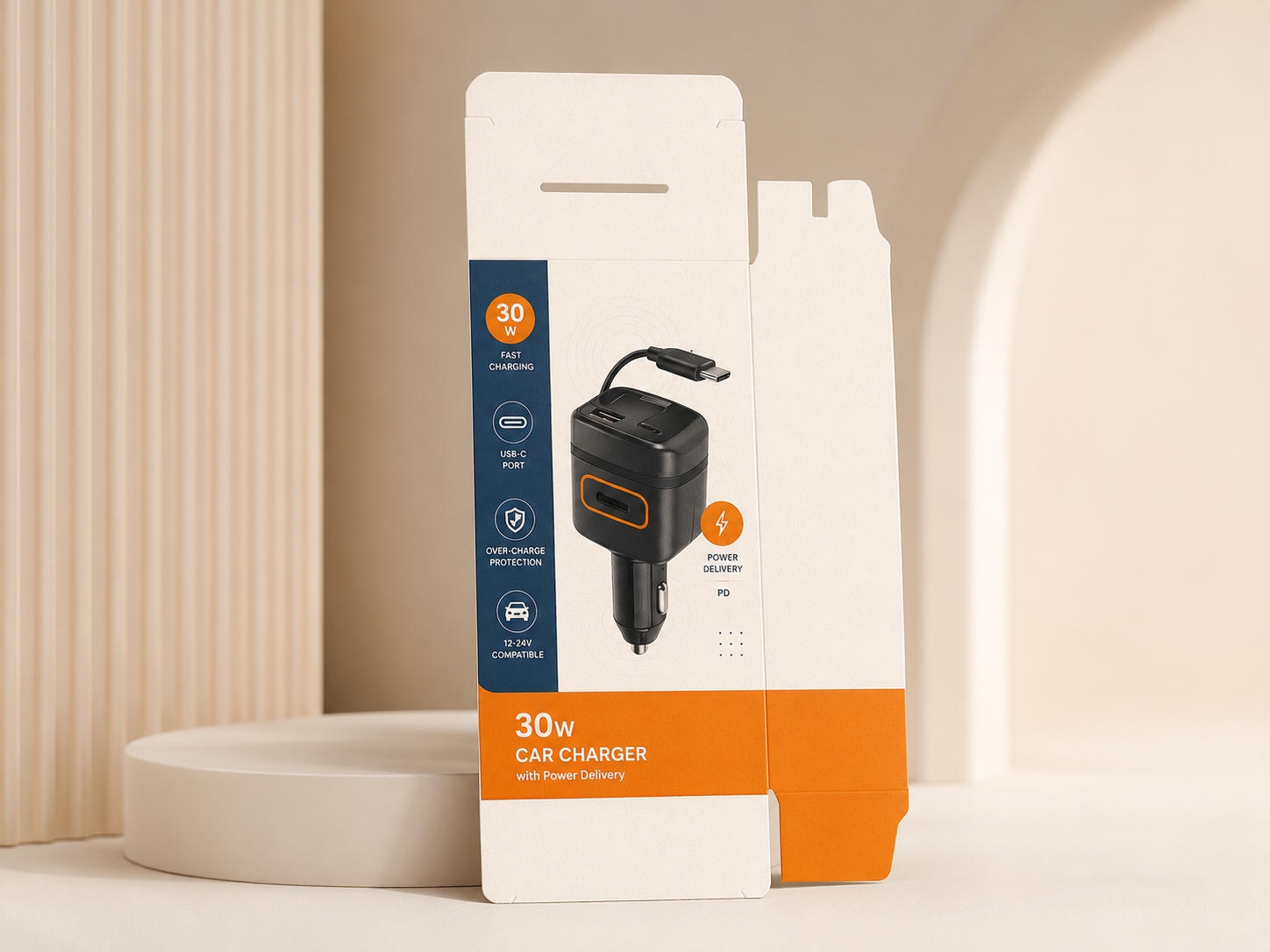
Custom Electronic Packaging That Protects Every Critical Detail
Your packaging box should protect more than the outside of a device. It should control movement, shield vulnerable surfaces, organize accessories, and arrive looking exactly as your team approved.
We create electronic packaging around product geometry, distribution risks, retail requirements, and repeat-order consistency. The result is a practical packaging solution that helps protect electronics in transit while giving your brand a clearer presentation and a more predictable path from sample approval to production.
What Should Electronics Packaging Protect Against?
Electronics packaging should address the risks most likely to damage the actual device: movement inside the box, impact during handling, surface abrasion, pressure on fragile parts, accessory contact, and electrostatic discharge around sensitive components.
That sounds straightforward. It rarely is.
A packaging box that fits the outer dimensions can still fail if the device shifts during transit. A charger may press against a display. A cable can rub a coated housing. A poorly placed finger notch may force the customer to pull on a button, hinge, or connector.
We start by identifying those risks before choosing the final custom box structure. Product weight, center of gravity, protruding parts, accessories, shipping method, and retail expectations all affect the right packaging. For electronic items with exposed boards or delicate terminals, the protection plan may differ from finished consumer devices where surface protection, shelf impact, and the unboxing sequence matter more.
Custom Electronic Packaging Boxes for Every Device Type
Explore custom electronic packaging boxes designed around different device dimensions, box structures, insert systems, branding requirements, and distribution channels. Use the product collection below to compare custom electronics boxes, custom packaging boxes, battery packaging boxes, drive packaging boxes, custom box styles, and other boxes for electronics by application, order volume, presentation goals, and shipping needs. The range also covers consumer electronics packaging where retail presentation and device protection need to work together.
-
White Rigid Jewelry Tube Gift Box with Cotton Rope Handle

- Custom Candle Boxes, Custom Concentrate Container Boxes, Custom Electronic Packaging Boxes, Custom Food Boxes, Custom Gifting Boxes, Custom Perfume Boxes, Custom Tea Boxes, Custom Tobacco Boxes, Paper Tube Boxes
A cylindrical jewelry gift box crafted from white textured paper, featuring a blind-embossed logo, a hinged lid, and twisted cotton cord handles. It is ideal for holding accessories such as rings, bracelets, and pendants, as well as for use as…
-
Child-Resistant Pre-Roll Paper Tube with Push Button Lock

- Custom Cannabis Boxes, Custom Concentrate Container Boxes, Custom Electronic Packaging Boxes, Custom Tobacco Boxes, Paper Tube Boxes
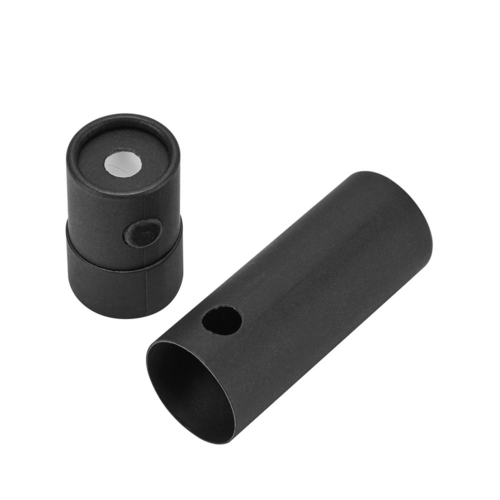
Standard cylindrical pre-roll tube featuring a button lock, side opening, and a die-cut inner insert. Available with a matte white or black finish, it is suitable for the secure packaging of cannabis, vape cartridges, or slim products.
-
Child-Resistant Cannabis Pre-Roll Tube with Foam Insert

- Custom CBD Oil Boxes, Custom Cannabis Boxes, Custom Concentrate Container Boxes, Custom Electronic Packaging Boxes, Paper Tube Boxes
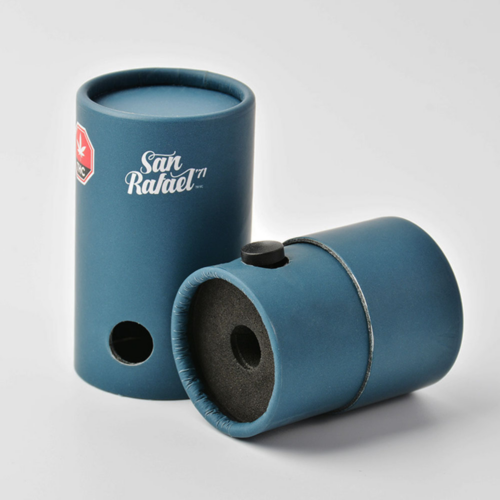
Cylindrical pre-roll tube with a matte blue finish, featuring a push-button child-resistant lock, branded logo, and foam lining; suitable for retail packaging of single or multiple pre-rolls.
-
Child-Resistant Cannabis Pre-Roll Tube with Push Button

- Custom Electronic Packaging Boxes, Custom Cannabis Boxes, Custom Coffee Boxes, Custom Cosmetics Boxes, Custom Perfume Boxes, Custom Tea Boxes, Custom Tobacco Boxes
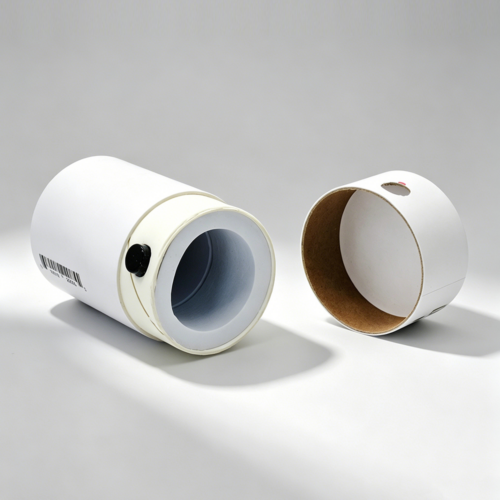
Child-resistant cylindrical tube packaging for cannabis pre-roll sets. Features a white printed paperboard sleeve, barcode area, inner holding core, and push button locking cap for compliant retail presentation.
-
Hexagonal Halloween Candy Gift Box with Printed Web Lid

- Box by Shapes, Box by Indutries, Custom Candle Boxes, Custom Electronic Packaging Boxes, Hexagon Rigid Boxes, Odd Shaped Rigid Boxes
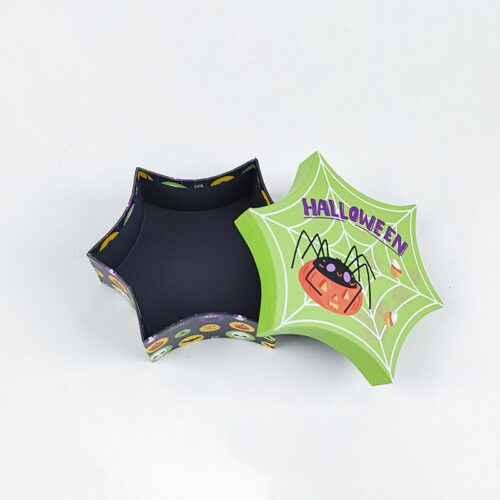
Hexagonal Halloween candy box with colorful printed lid, matching paperboard base, and festive spider web graphics. Ideal for sweets, cookies, chocolates, party favors, and seasonal gift packaging.
-
Christmas Sneaker Gift Set Rigid Drawer Box with Metal Pull

- Box by Shapes, Box by Indutries, Custom Apparel Boxes, Custom Electronic Packaging Boxes, Custom Gifting Boxes, Custom Perfume Boxes, Paper Drawer Boxes
A festive rigid drawer box for sneaker gift sets, apparel accessories, holiday retail kits, and promotional gifts. The red inner tray, printed Christmas sleeve, and metal pull create a premium seasonal unboxing experience.
-
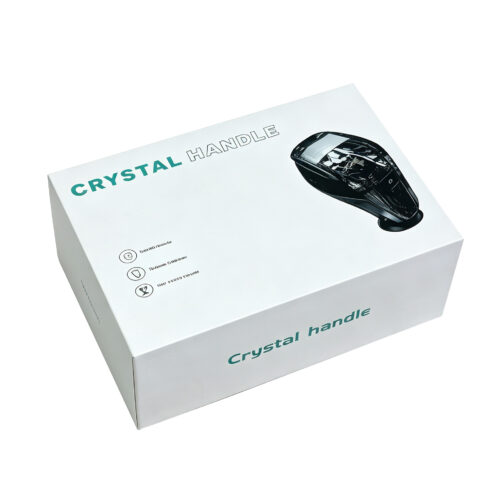
Printed Two-Piece Rigid Crystal Handle Box with Foam Insert

- Box by Shapes, Box by Indutries, Custom Accessories Boxes, Custom Electronic Packaging Boxes, Two-piece Rigid Boxes
A clean white two-piece rigid box for crystal handles, automotive accessories, and premium replacement parts. Product image printing and a custom-cut black foam insert support secure protection and retail display.
-
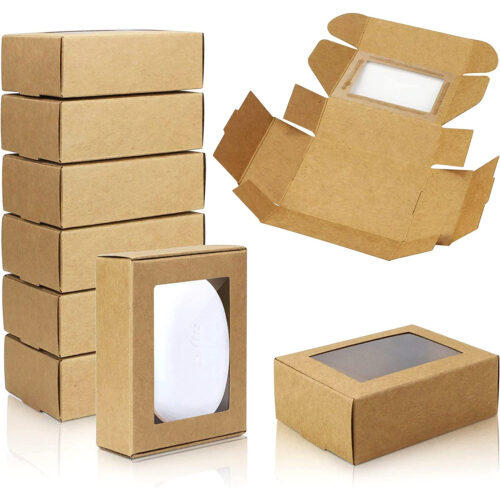
Retail-Ready Window Paperboard Soap Packaging Boxes OEM

- Box by Indutries, Custom Accessories Boxes, Custom Apparel Boxes, Custom Electronic Packaging Boxes, Paper Packaging, Shipping Mailer Boxes
Folding paperboard soap box with a clear PET top window, available in kraft, black, or white finishes. Ideal for handmade soap, wax melts, cosmetics, and small gift retail packaging.
How Do You Engineer a Packaging Box for a Precise Fit
Precise electronics packaging starts with the product itself, not a standard dieline. We review overall dimensions, raised controls, ports, hinges, camera modules, screen surfaces, cable positions, and areas that should not carry pressure.
Then we define the internal fit.
A custom size should hold the electronic product securely without squeezing fragile parts. Too much empty space allows movement. Too little clearance makes packing difficult and can stress displays, housings, or connectors.
Quality electronic product packaging depends on fit that can be checked, not assumed. A white structural prototype can reveal problems that a rendering misses: a charger cavity that is too shallow, a device that is difficult to remove, or an insert edge that touches a finished surface.
Small errors become expensive at scale.
That is why our packaging experts check the relationship between the device, accessories, cavity depth, finger access, and outer packaging box before printed production begins. For unusual shapes, custom made electronic packaging often needs dedicated insert geometry rather than a standard tray.
A well-engineered custom box also helps packing teams work faster. Parts have defined positions, missing accessories are easier to spot, and repacking becomes simpler during inspection.
See more about [custom box inserts for electronics].
Which Packaging Material Works Best for Electronics?
The best packaging material depends on device weight, fragility, distribution route, order quantity, and the experience your customer should have when opening the box.
Corrugated board — Suited to shipping boxes and packaging for electronic appliances that need compression strength and cushioning space.
Rigid greyboard — Used for rigid boxes where shape retention, presentation, and a controlled opening experience matter.
Folding carton paperboard — Effective for lighter electronics and accessories that need efficient printing, compact storage, and strong retail presentation.
Molded pulp — A fiber-based option for holding products in defined positions while supporting sustainable packaging goals.
Thermoformed trays — Useful when precise cavities, repeatable part placement, and efficient packing are priorities.
ESD protective materials — Selected for sensitive electronic components when the package needs low-charging, dissipative, conductive, or shielding properties.
The real question is not which material looks most impressive. It is which structure matches the product and its journey to the customer.
A retail electronics box and a parcel shipping package solve different problems, even when they contain the same device. We review packaging options by sales channel rather than forcing one structure across every SKU. There is no perfect packaging format for every product.
Explore our [rigid box structures].
How Do You Engineer a Packaging Box for a Precise Fit?
Precise electronics packaging starts with the product itself, not a standard dieline. We review overall dimensions, raised controls, ports, hinges, camera modules, screen surfaces, cable positions, and areas that should not carry pressure.
Then we define the internal fit.
A custom size should hold the electronic product securely without squeezing fragile parts. Too much empty space allows movement. Too little clearance makes packing difficult and can stress displays, housings, or connectors.
Quality electronic product packaging depends on fit that can be checked, not assumed. A white structural prototype can reveal problems that a rendering misses: a charger cavity that is too shallow, a device that is difficult to remove, or an insert edge that touches a finished surface.
Small errors become expensive at scale.
That is why our packaging experts check the relationship between the device, accessories, cavity depth, finger access, and outer packaging box before printed production begins. For unusual shapes, custom made electronic packaging often needs dedicated insert geometry rather than a standard tray.
A well-engineered custom box also helps packing teams work faster. Parts have defined positions, missing accessories are easier to spot, and repacking becomes simpler during inspection.
See more about [custom box inserts for electronics].
What Insert Design Keeps Electronic Products Secure
Custom inserts should control movement, protect vulnerable surfaces, and guide the customer through the opening sequence. They should also help the packing team place every part correctly.
We look at contact points first. The insert should support the device where pressure is acceptable and stay clear of screens, coated housings, switches, connectors, and thin edges.
Accessory layout changes the result.
A charger placed above a weak part can create pressure during transport. Loose cables can mark finished surfaces. Deep cavities may protect the product but make removal frustrating.
And here is the thing. Those problems often look fine on screen.
Foam, molded pulp, folded paperboard, and formed trays each solve different protection requirements. The choice depends on product weight, shape, presentation, packing speed, disposal expectations, and whether the customer needs reusable storage after opening.
The insert does not need to be complicated. It needs to be intentional.
A simple folded support can outperform an oversized foam block when the electronic box is light and the product has clear load-bearing zones. On heavier devices, sturdy packaging may require a more substantial structure around the product and accessories.
See our [insert engineering options].
What Packaging Tests Should Electronic Products Pass?
The correct test depends on the packaged product and its actual distribution route. A parcel-delivered electronic device does not face the same handling conditions as a palletized wholesale shipment.
ISTA organizes procedures around different testing objectives and distribution environments. Procedure 3A addresses individual packaged products moving through parcel delivery systems within its defined scope.
This matters because a drop test alone does not represent every transport risk.
Depending on the project, a test plan may consider shock, vibration, compression, atmospheric conditioning, or other hazards connected to the distribution method. Acceptance criteria should also be clear before testing begins.
What counts as failure?
A broken device is obvious. A scratched surface, shifted accessory, crushed corner, loose connector, or damaged retail box may also be unacceptable.
For large wholesale orders, this step helps procurement teams avoid discovering a structural weakness after thousands of units have entered the supply chain. Durable packaging comes from matching the test method to the actual route, then improving the package where results show weakness.
Read more about [packaging testing standards].
How Do Custom Printed Electronic Boxes Support Brand Consistency?
Protection gets the electronic product to its destination. Consistent execution makes the package feel intentional when it arrives.
These boxes need more than accurate artwork. Panels should align. Important graphics should avoid fold lines and high-rub areas. Inserts should sit at the intended depth. Colors should remain consistent across related SKUs.
These details matter on retail shelves, product pages, review videos, and the unboxing experience.
We develop packaging with special printing around the structure instead of treating graphics as a separate final step. Offset or digital printing may suit different quantities and artwork requirements. Foil stamping, embossing, debossing, and spot coatings also need to match the board and handling environment.
Dark matte surfaces can show abrasion quickly. Fine foil details may lose clarity if artwork is too small. Large solid areas can reveal color variation more easily than broken graphics.
A good custom design accounts for those realities before production. An innovative custom packaging concept still has to print cleanly, pack efficiently, and repeat at scale.
For brands managing several related products, customizable boxes can share a common structural language while using different colors, labels, or artwork for each SKU. That creates a stronger family look without forcing every product into the same dimensions.
Explore [print and finishing options].
How Do You Keep Wholesale Electronics Packaging Predictable?
Procurement teams do not need another vague promise about quality boxes. Predictable wholesale custom electronic packaging depends on controlled approvals.
We separate structural review, white sample approval, artwork confirmation, printed sample evaluation, material confirmation, and final production release. Each stage should make one question clear: what is approved, and what can still change?
That reduces confusion later.
A packaging box specification may involve dimensions, board construction, paper, print references, surface finishes, accessories, packing methods, and carton quantities. If several versions circulate between teams, production mistakes become much more likely.
Repeat orders need the same discipline.
Approved dielines, dimensions, material references, print targets, insert specifications, and revision records should remain connected to the same project. This helps procurement teams maintain consistency when they reorder electronic boxes wholesale or expand into custom electronics packaging boxes for related products.
No vague handoff. No guessing which version is current.
For packaging boxes wholesale programs, supply predictability also depends on knowing which components have longer setup or tooling requirements. A practical packaging experience comes from planning those dependencies before the order is released.
A packaging manufacturer can also support a faster launch by resolving dimensions, device orientation, insert choice, print method, finish compatibility, packing sequence, and approval responsibilities early. The fastest project is not the one that skips checks. It is the one that avoids late redesign.
For quality custom packaging, that controlled handoff matters as much as the design. It helps move a packaging idea into production with fewer surprises, which is what reliable custom electronics packaging solutions should support.
Key Takeaways
- Start with actual device risks before choosing a box style.
- Engineer the packaging box around exact dimensions and vulnerable product areas.
- Use the right insert geometry to control movement and accessory placement.
- Match the packaging material to the device and its distribution route.
- Treat ESD protection as a technical requirement, not a printed claim.
- Test the package and product as one system before large-volume production.
- Keep dimensions, artwork, materials, and revisions under clear approval control.
Get a Custom Electronic Packaging Quote
Share your device dimensions, product weight, accessories, target order quantity, shipping market, and branding goals. We will review your packaging needs, discuss customizable packaging solutions and other custom packaging solutions, and outline practical options for structure, materials, printing, and production.
Ready to get custom recommendations? To ensure your packaging review is useful, send the project details you already have. You can compare the proposal, ask questions, and decide whether to order custom electronic packaging on your own timeline.