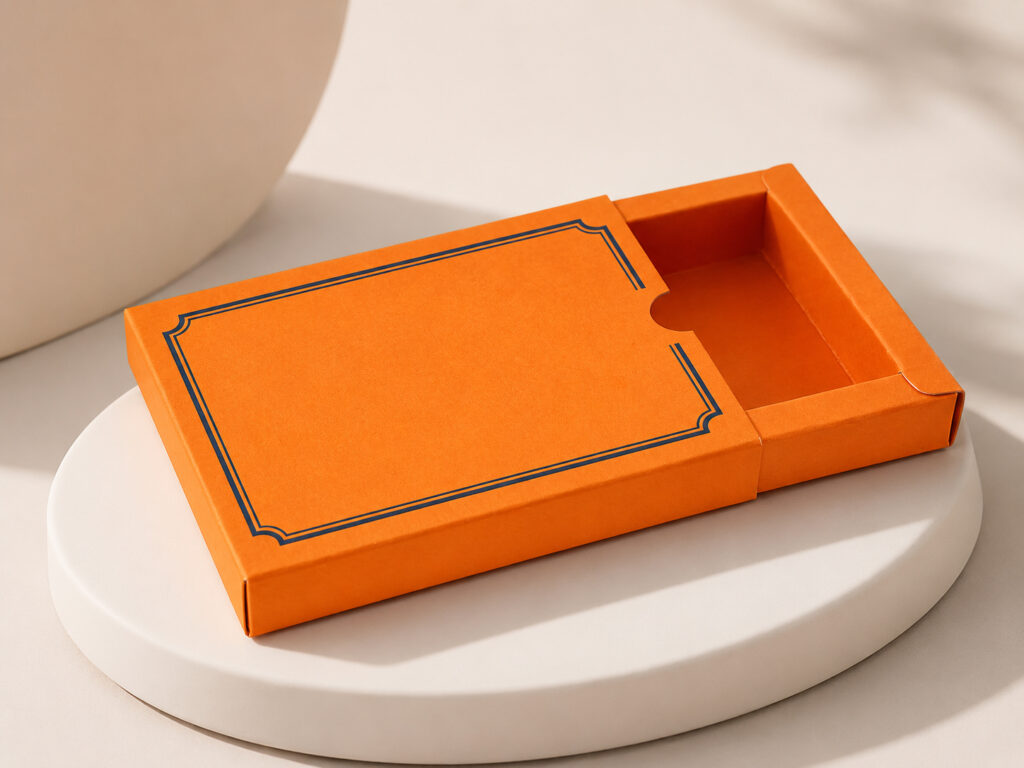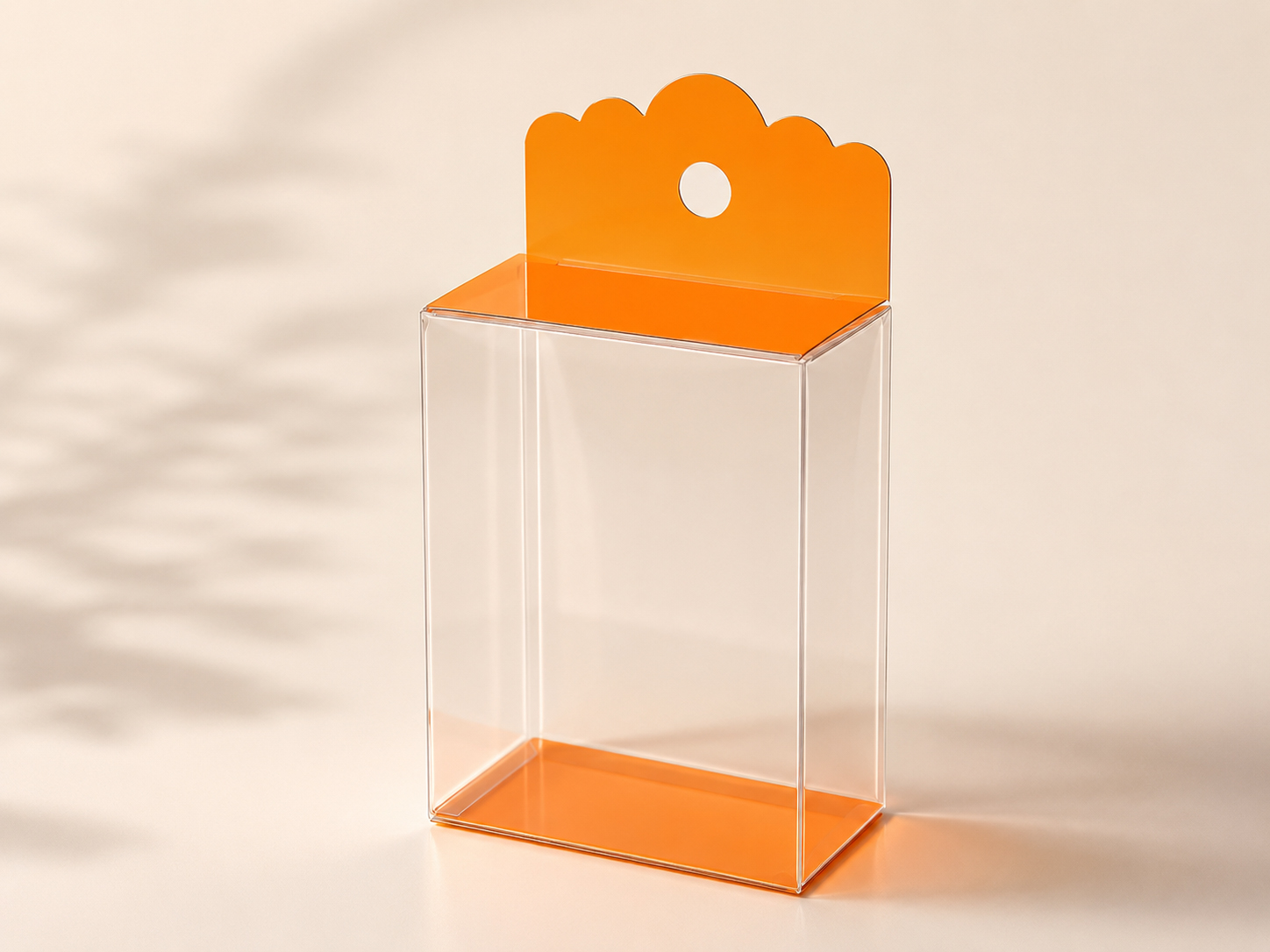



Custom Accessories Packaging for Retail and Online Sales

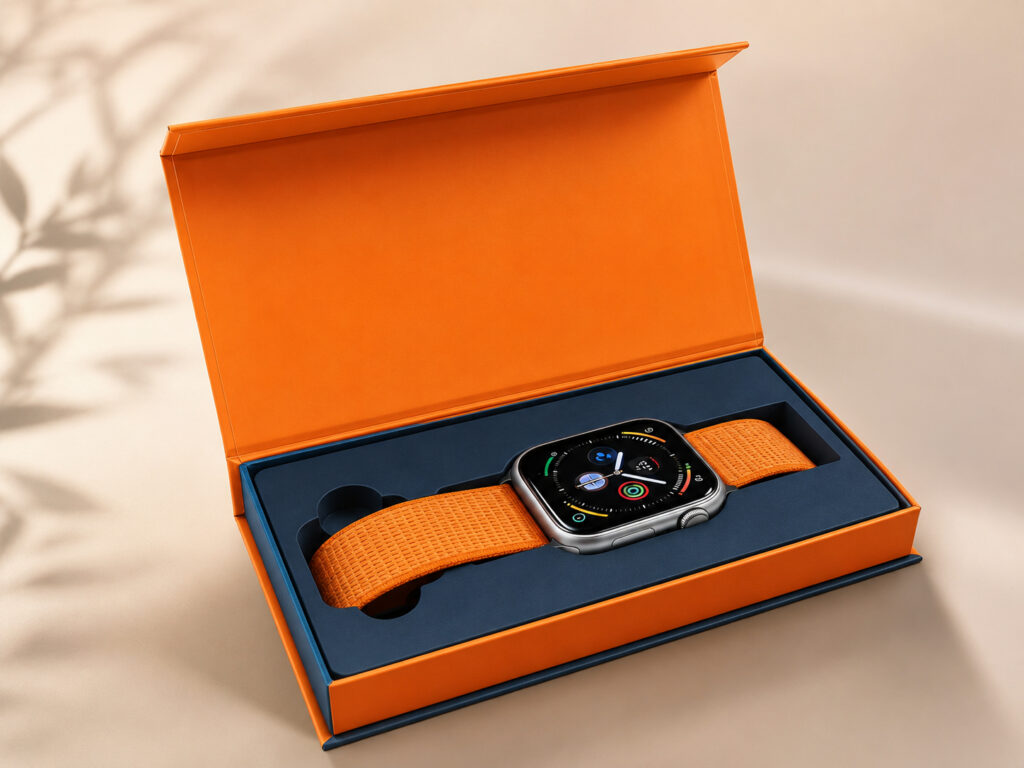
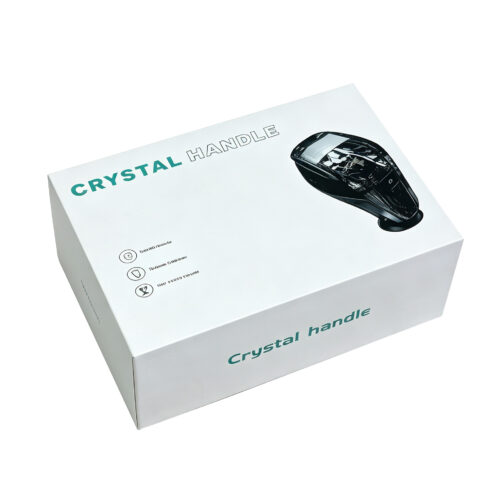
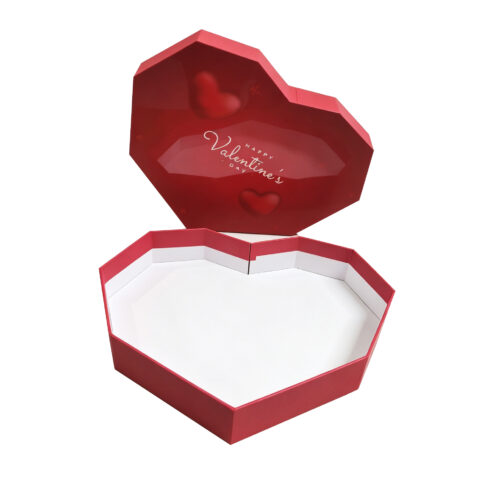
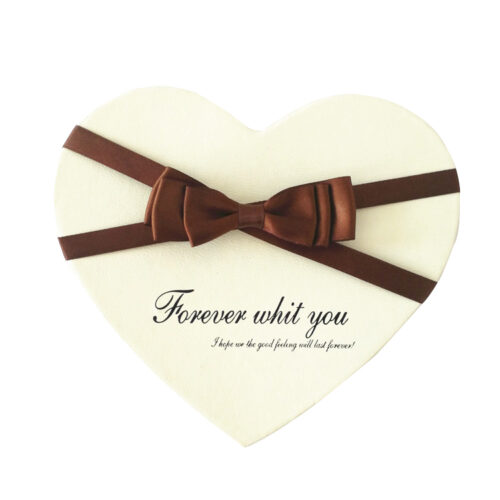
Create an accessories box around the product’s dimensions, weight, display position, and sales channel. This custom packaging can be developed for jewelry, fashion add-ons, beauty tools, electronics accessories, promotional items, and coordinated sets. A carefully planned structure helps protect your products, improve product presentation, and maintain brand consistency across retail, wholesale, e-commerce, and direct-to-consumer orders. Share your dimensions, estimated quantity, artwork status, and delivery destination to request a quote or discuss a sample.

Custom Accessories Boxes

Custom Accessory Boxes for Protection and Presentation

Generic cartons may leave too much space around compact or irregular products. The item can shift during transit, printed surfaces may rub against each other, and additional filler may be needed. Purpose-built packaging boxes give buyers more control over internal fit, insert position, opening direction, and printed areas.

The right packaging solution depends on product weight, fragility, retail display, packing labor, storage, and shipping conditions. Lightweight product boxes may use a folding structure, while delicate sets may require a fitted insert or more substantial construction.

Custom packaging boxes also make it easier to build a consistent visual system across several SKUs. The dimensions and internal supports can change while the colors, typography, and layout remain recognizable.

Custom Boxes for Accessory Products and Gift Sets

Use this section to present custom boxes across different structures, closures, materials, inserts, finishes, and applications. The product range can include retail packs, coordinated accessory sets, gift-ready formats, and online-fulfillment designs.

Which Box Style and Material Suit Your Product

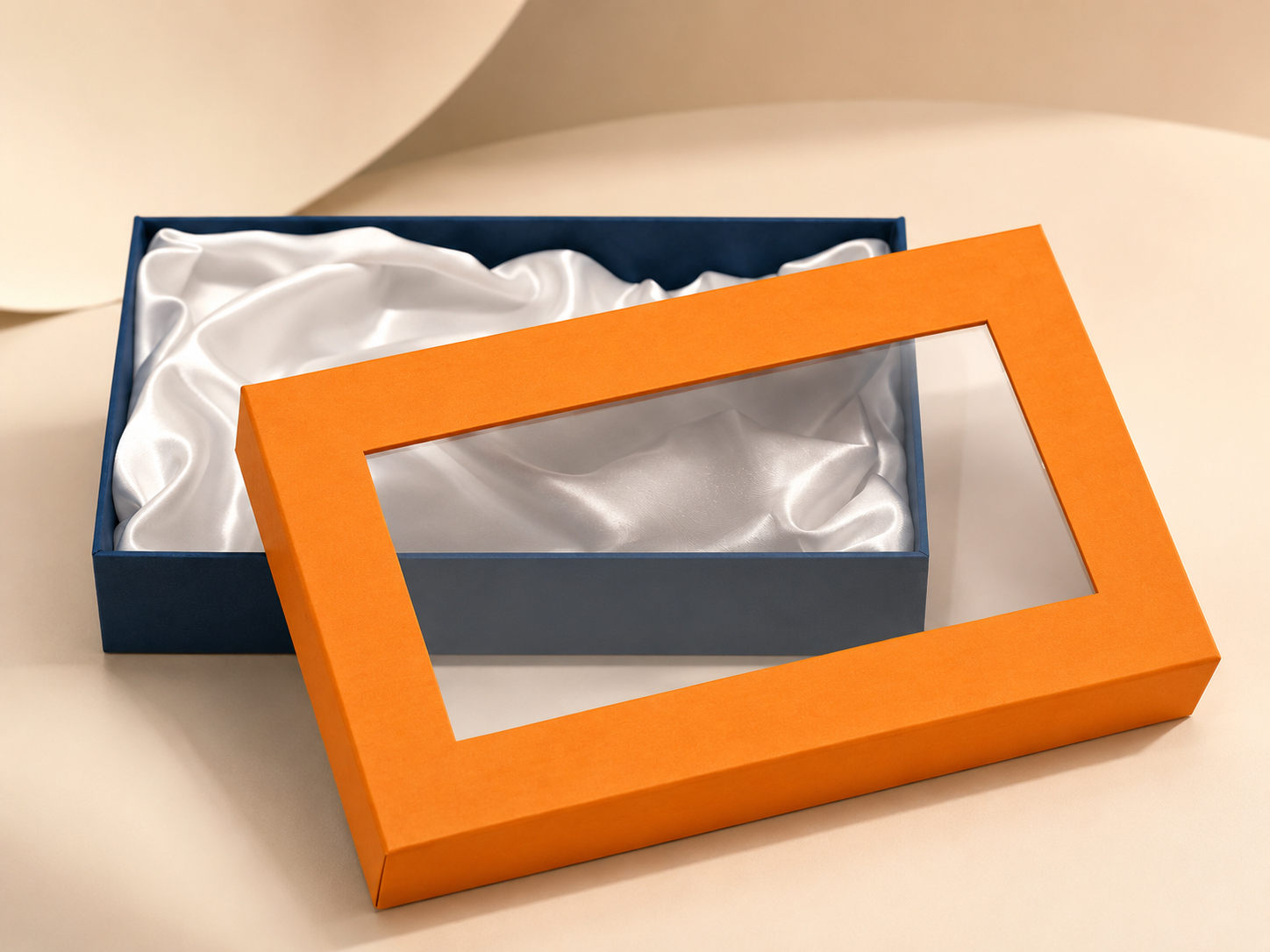
The correct box style should follow the packed dimensions, total weight, fragile points, display method, assembly process, and distribution route. Folding cartons are often practical for lightweight retail items because they can be supplied flat. Rigid gift boxes provide a more substantial opening experience but require additional storage space.

Paperboard and SBS are suitable when detailed graphics, compact construction, and shelf presentation are the main priorities. A tuck closure may work for smaller items that do not place heavy pressure on the carton walls.

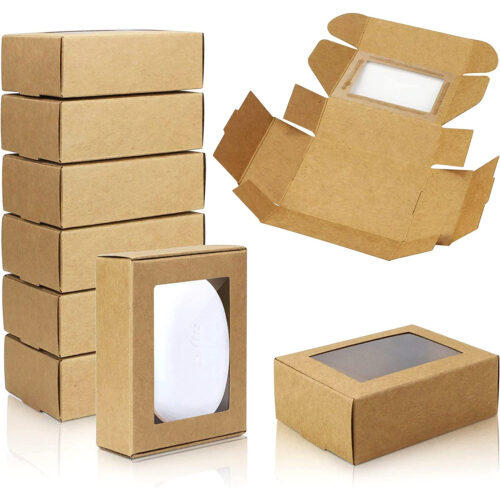
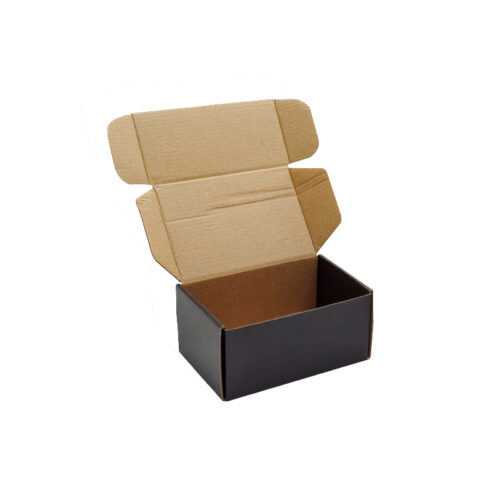
Corrugated cardboard provides additional structure for parcel handling. Mailer boxes may be appropriate for online orders, kits, or products that need more protection between the warehouse and the customer. Larger corrugate formats can also support heavy items or bulky items.

Kraft gives packaging a natural, uncoated appearance, while coated stock usually produces smoother printed graphics. No box material is automatically the best choice. Buyers should compare visual requirements, product protection, packing time, storage space, quantity, and budget before approving the construction.

Custom Printing, Branding, and Premium Finishes

Custom printed boxes can carry color systems, product information, barcodes, care instructions, and campaign graphics. Practical packaging design considers folds, seams, glue areas, openings, and insert placement before the artwork is approved.

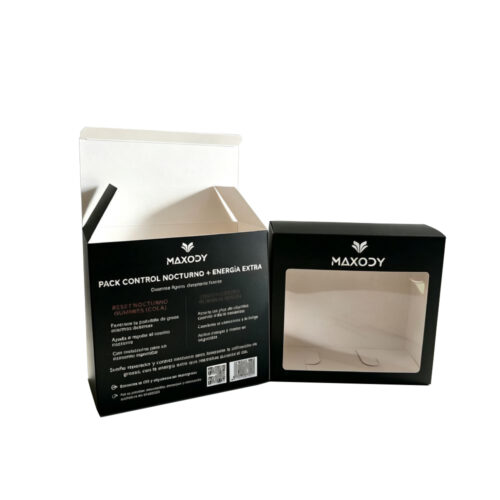
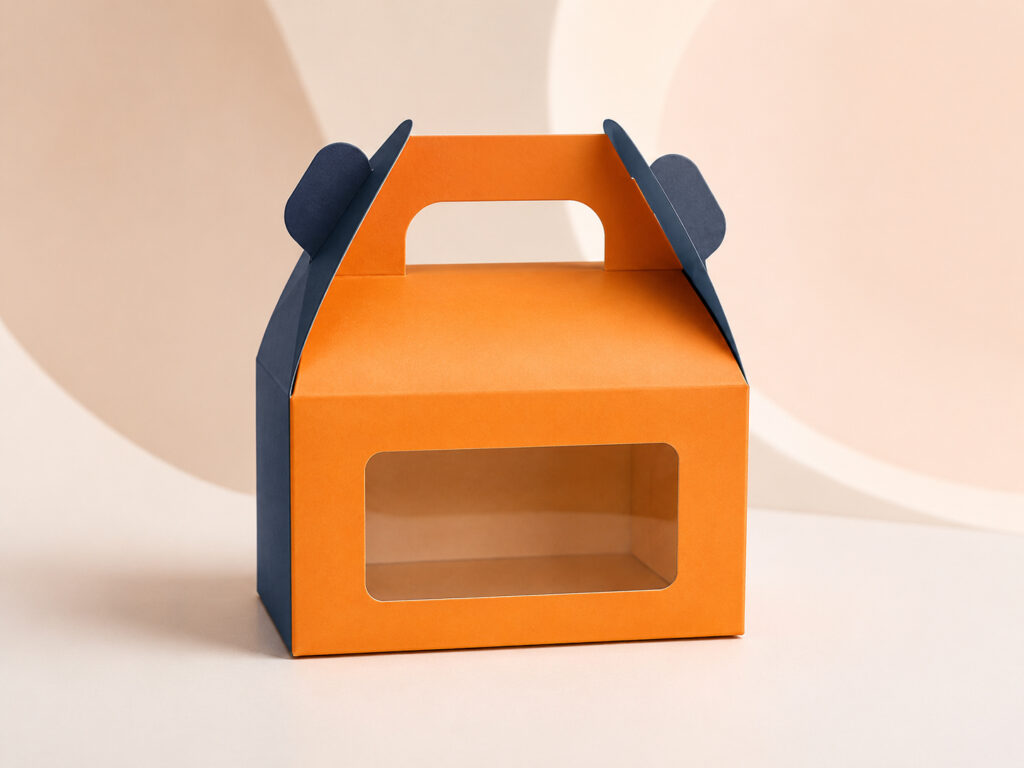
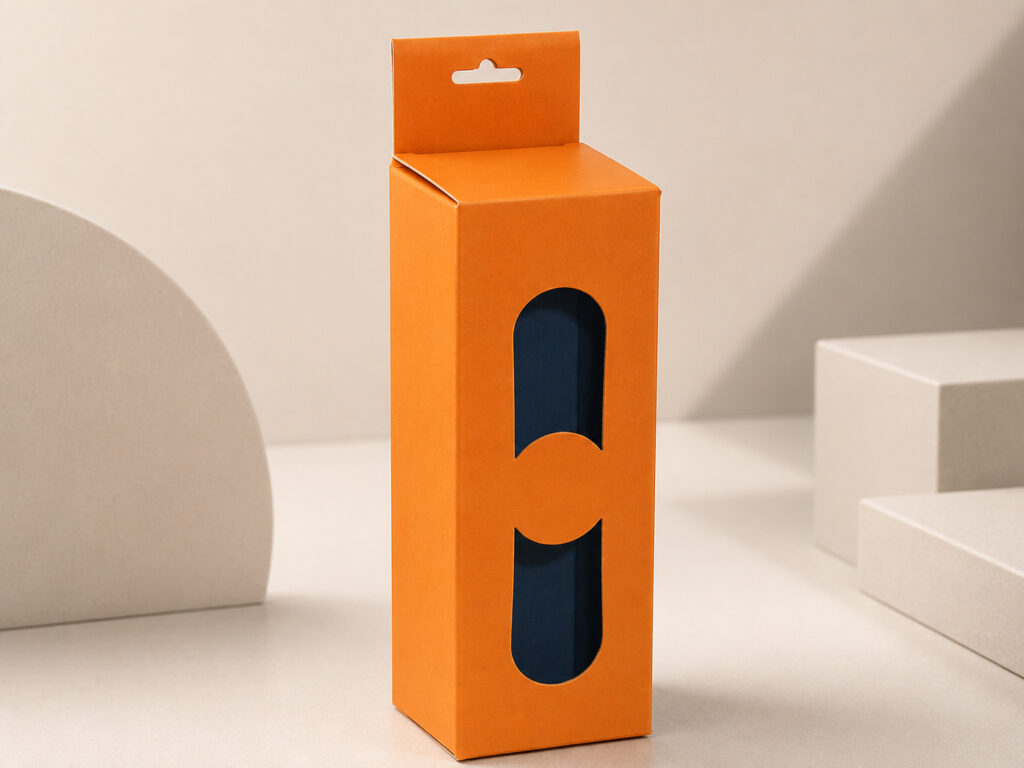
Finishing should have a clear visual or functional purpose. Lamination changes the surface feel and may improve resistance to handling marks. An emboss detail adds physical depth, while foil, a die-cut window, or perforation can draw attention to a selected feature.

Premium finishes are most effective when they support the product rather than compete with it. Premium packaging does not need every decorative process available. Controlled print coverage and one or two focused details often produce a more coherent result.

Buyers can personalize exterior graphics, interior printing, sleeves, labels, and closures. Premium custom boxes can elevate recognition and create coordinated boxes for your brand without forcing every item into the same dimensions.

How Do Inserts Protect Retail and Ecommerce Orders

An insert holds the product in position, reduces movement, and makes packing more repeatable. Folded card supports, dividers, shaped fibre components, or other internal structures may be considered depending on weight, fragile areas, and the desired unboxing.

Support inside the box should protect contact points without making the product difficult to remove. Finger access, pull tabs, and a clear product orientation can improve the unboxing experience while helping warehouse teams pack consistently.

These details are especially relevant to retail packaging, subscription boxes, and ecommerce orders containing several small pieces. For online fulfillment, the presentation carton may still need separate shipping boxes or external cushioning.

The complete box packaging system should be reviewed rather than evaluating the decorative carton alone. A high-quality printed surface cannot compensate for loose internal fit or inadequate outer protection.

Custom Accessories Boxes

Artwork Preparation Guide for Accurate Box Printing

Begin with the approved structural dieline. Keep logos, text, and barcodes within the designated safe area. Extend background graphics beyond the bleed line, and keep important details away from folds, glue zones, cut lines, and closure panels.

Submit an editable artwork file with linked images, named layers, color references, fonts, and the required artwork resolution. Clearly mark spot colors, white ink, foil, varnish, and other special production layers.

A digital proof can confirm spelling, orientation, placement, and version control. It cannot fully reproduce the texture of the selected substrate or guarantee that every screen color will look identical in print.

The design team should also receive product dimensions, insert drawings, legal copy, barcode information, and display restrictions. Full customization is easier to manage when structural and graphic approvals follow the same revision process.

How Does the Custom Packaging Process Work

Start with the packed product rather than an estimated carton size. Provide its dimensions, weight, quantity, preferred structure, sales channel, destination, and artwork availability. These details allow the supplier to create packaging and review practical customization options.

The initial review should consider internal fit, material direction, closure, insert construction, print coverage, finishing, assembly, and shipping conditions. A structural or printed sample can then confirm fit, opening behavior, artwork position, and finish direction.

After approval, production planning covers materials, printing, cutting, assembly, inspection, packing, and delivery. Fast turnaround and fast shipping should be discussed separately because production time and transportation time depend on different factors.

Wholesale prices vary according to dimensions, quantity, structure, printing method, coverage, inserts, and finishing. Rather than choosing a company because it describes itself as a leading manufacturer and supplier, compare what each quotation includes. Tooling, sampling, packing, approval stages, freight terms, and possible revision charges should be clear.

An in-house review can identify artwork or structural conflicts before production begins. Premium quality depends less on a broad marketing claim and more on whether the approved specification fits the actual product and distribution method.

Can Custom Packaging Use More Sustainable Materials

Eco-friendly options may include a recyclable fibre structure, reduced material use, separable components, responsibly sourced paper, or an insert that avoids unnecessary mixed materials. The appropriate direction depends on the construction and the recycling system in the destination market.

Coatings, plastic windows, magnets, adhesives, decorative films, and internal components should be reviewed together. A paper-based exterior does not automatically make the whole package easy to recycle.

Buyers should request relevant material documentation and avoid unsupported environmental statements. A practical eco-friendly approach balances presentation, product protection, manufacturing requirements, and end-of-life handling.

Custom Accessory Box Questions from Business Buyers

Yes. You can customize your box around the packed dimensions, weight, shape, opening direction, and display position. Providing a physical sample or an accurate product drawing helps establish internal fit and insert tolerances without creating unnecessary empty space.

Yes, but the inner pack, outer shipper, cushioning, labels, and courier handling should be reviewed together. Some custom-printed cartons can ship directly, while lightweight presentation formats may require a separate protective mailer.

Yes. A structured opening, fitted insert, printed message, sleeve, or ribbon can make the package perfect for gifting. The format should remain easy-to-use, and secure product placement should take priority over decorative additions.

A rigid box provides a substantial structure and presentation-led opening, while a folding carton can normally be supplied flat. Neither option guarantees better results for every product. The selection depends on weight, quantity, assembly, storage, budget, and display expectations.

Yes. Shared typography, colors, print treatments, and layout rules can connect several product boxes. Dimensions, inserts, and opening methods can change by SKU, allowing each pack to remain functional and customizable.

Yes. Fibre-based structures, reduced-plastic concepts, and separable inserts can provide more responsible alternatives. Materials, coatings, windows, adhesives, and internal supports should be evaluated as one complete construction before environmental claims are made.

Provide the product type, packed dimensions, weight, estimated quantity, preferred structure, printing, finishes, insert requirements, destination, and artwork availability. Mention retail, wholesale, gifting, or online use so the quotation reflects the intended application.

Yes. A structural or printed sample can confirm fit, closure, product removal, artwork position, and finish direction. Buyers should ask what the sample represents and which production details could still vary in the final order.

Request a Custom Accessory Box Quote

Tell us what you are packing, how the product will be sold, and what the finished package needs to achieve. We will review the structure, printing, inserts, customization, and production requirements before discussing sampling or pricing.

CTA