What Printing and Finishes Suit Accessory Packaging?
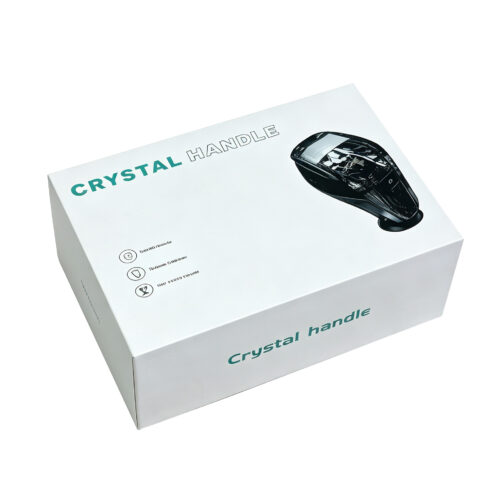
Printing should match run size, artwork, and surface. Offset printing is commonly selected for larger runs, while digital printing can support samples or shorter quantities when the substrate and structure allow it. Custom-printed surfaces may combine CMYK graphics with spot colors, and every color-critical job should be checked against an approved reference before bulk production. Clear packaging design decisions reduce avoidable press-stage changes.
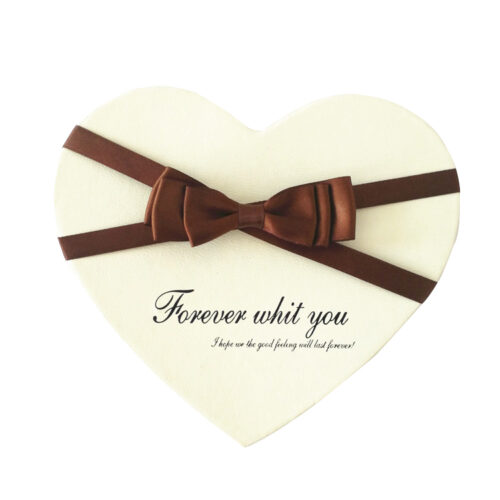
Finishing works best when it supports visual hierarchy. Lamination can change surface feel, while an emboss creates a raised detail without another ink color. Premium custom boxes may add foil or spot varnish, but every finish creates another production step. The strongest premium packaging uses one or two deliberate details to elevate the presentation rather than covering every panel with decoration.
Retail and E-Commerce Packaging for Accessory Brands
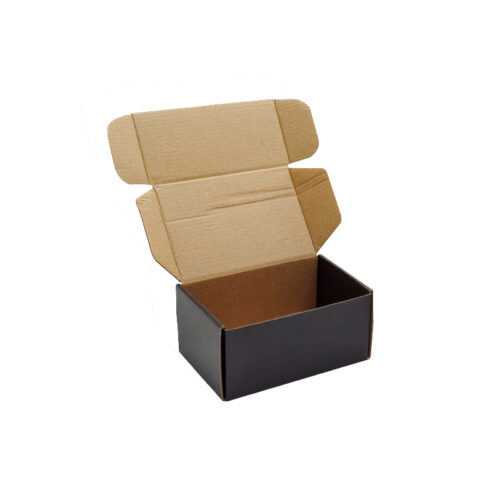
Store and online orders face different handling conditions. Mailer boxes for online orders need enough structure for parcel networks, while custom packaging boxes used for ecommerce orders should control movement and fit the outer parcel efficiently. Smaller packs can reduce void fill and improve packing consistency. For seasonal launches, fast turnaround is most realistic when dimensions, artwork, finishes, and quantities are confirmed before sampling starts.
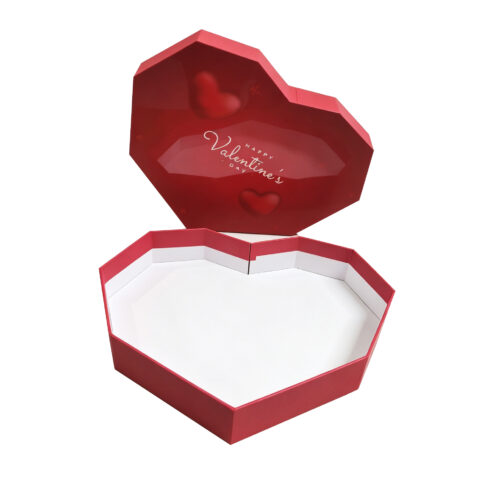
The inner presentation should also match fulfillment needs. Gift boxes can be perfect for gifting, while a fitted insert or printed message can guide attention to the product. The best formats create a clear opening sequence without adding unnecessary volume. Fast shipping depends on carton count, destination, and freight mode, so the schedule should cover production and final dispatch rather than factory completion alone.
How Do Inserts and Opening Details Improve Unboxing?
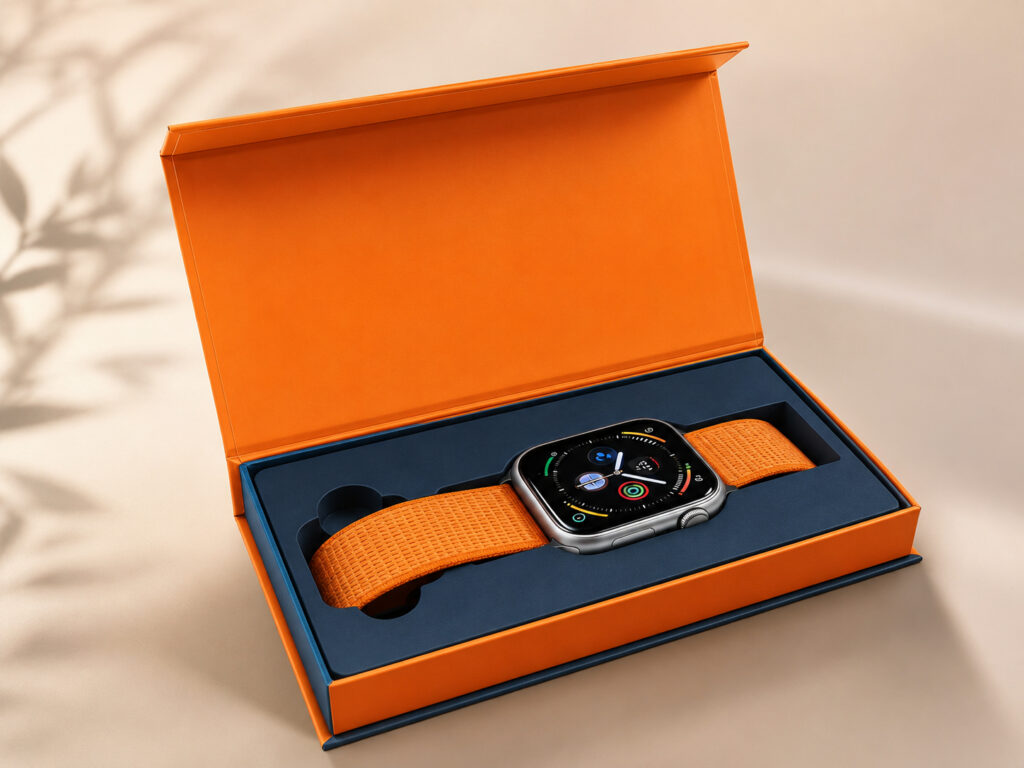
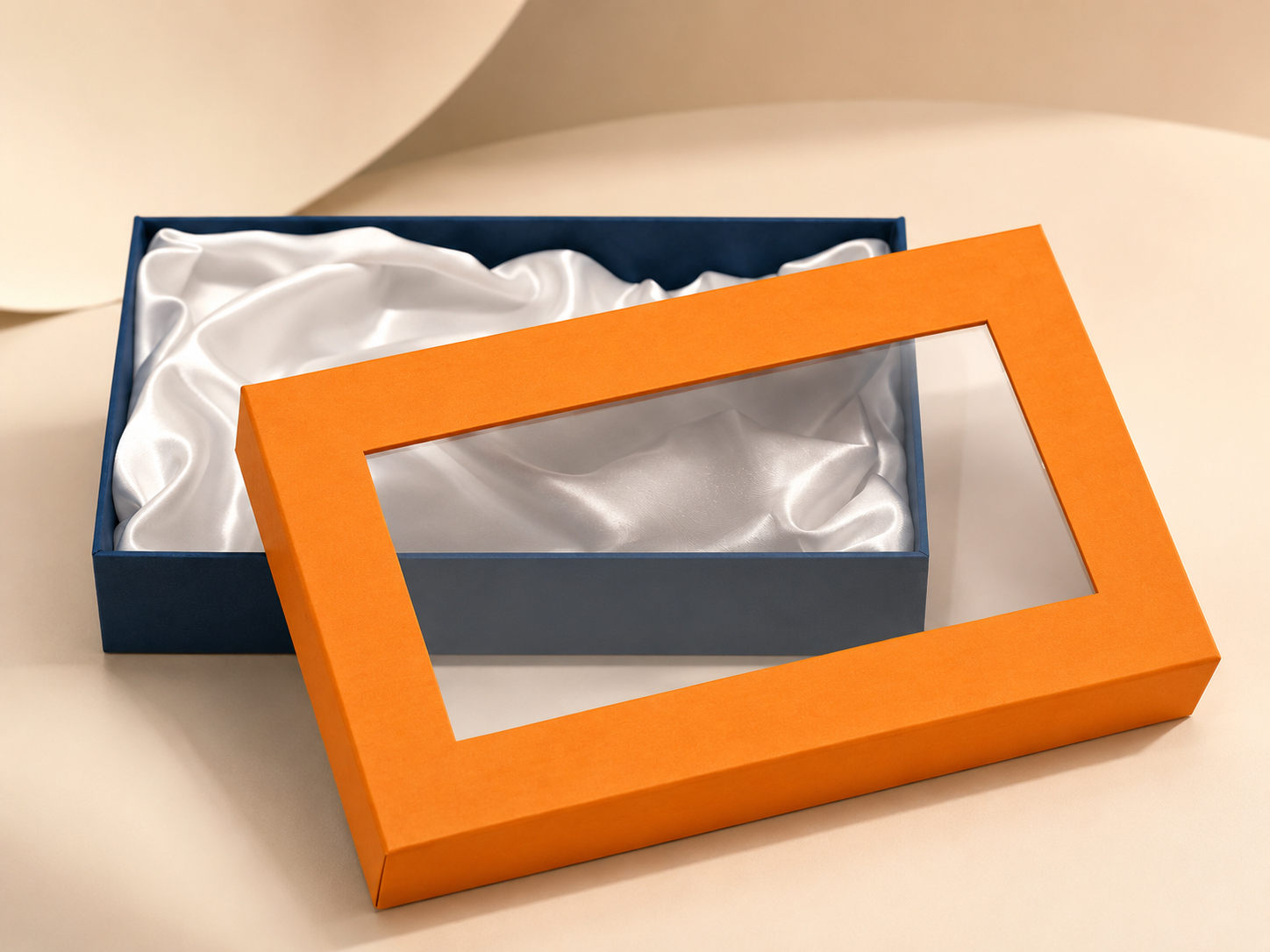
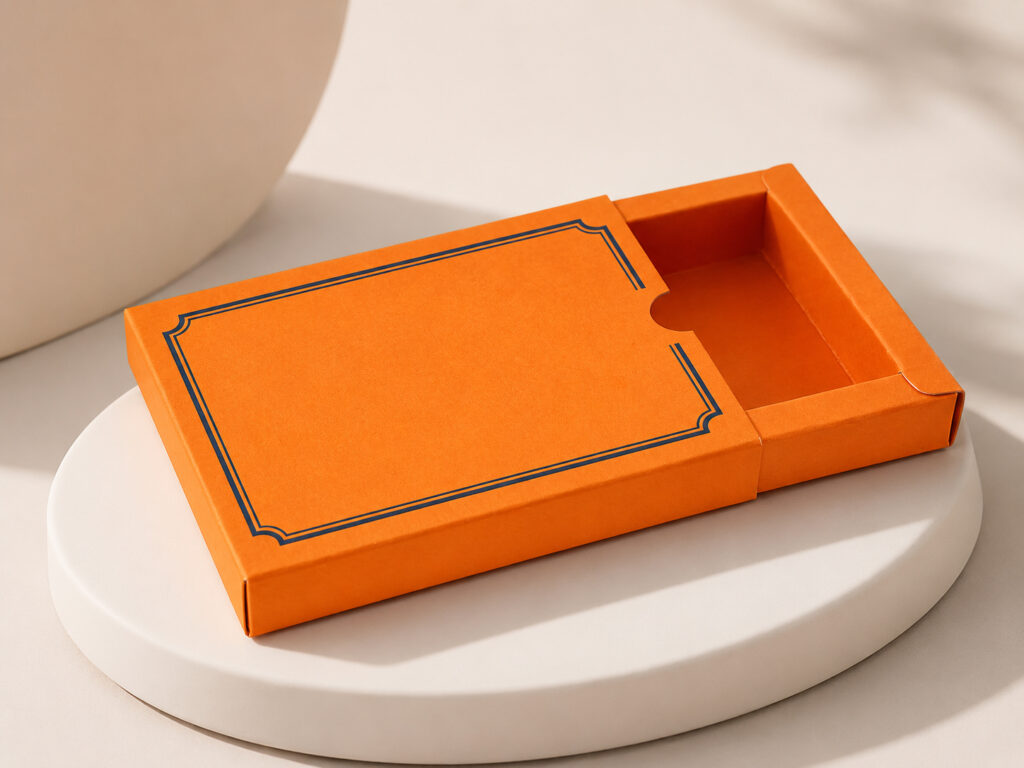
A useful opening sequence starts with how the customer reaches the item. Drawer packs, lift-off lids, sleeves, and magnetic structures create different reveals, while a fitted insert keeps the product centered within the structure. For delicate items, molded paper supports or board partitions can separate components and reduce contact. This improves the unboxing experience without adding decoration that has no protective or presentation function.
You can personalize the pack with a printed message, contrasting interior, ribbon pull, or precisely sized compartment. A refined presentation does not require excessive material. Accurate fit often feels more considered than an oversized pack. These choices improve what customers see inside the box, support an organized opening moment, and help create packaging that stays consistent across several SKUs.