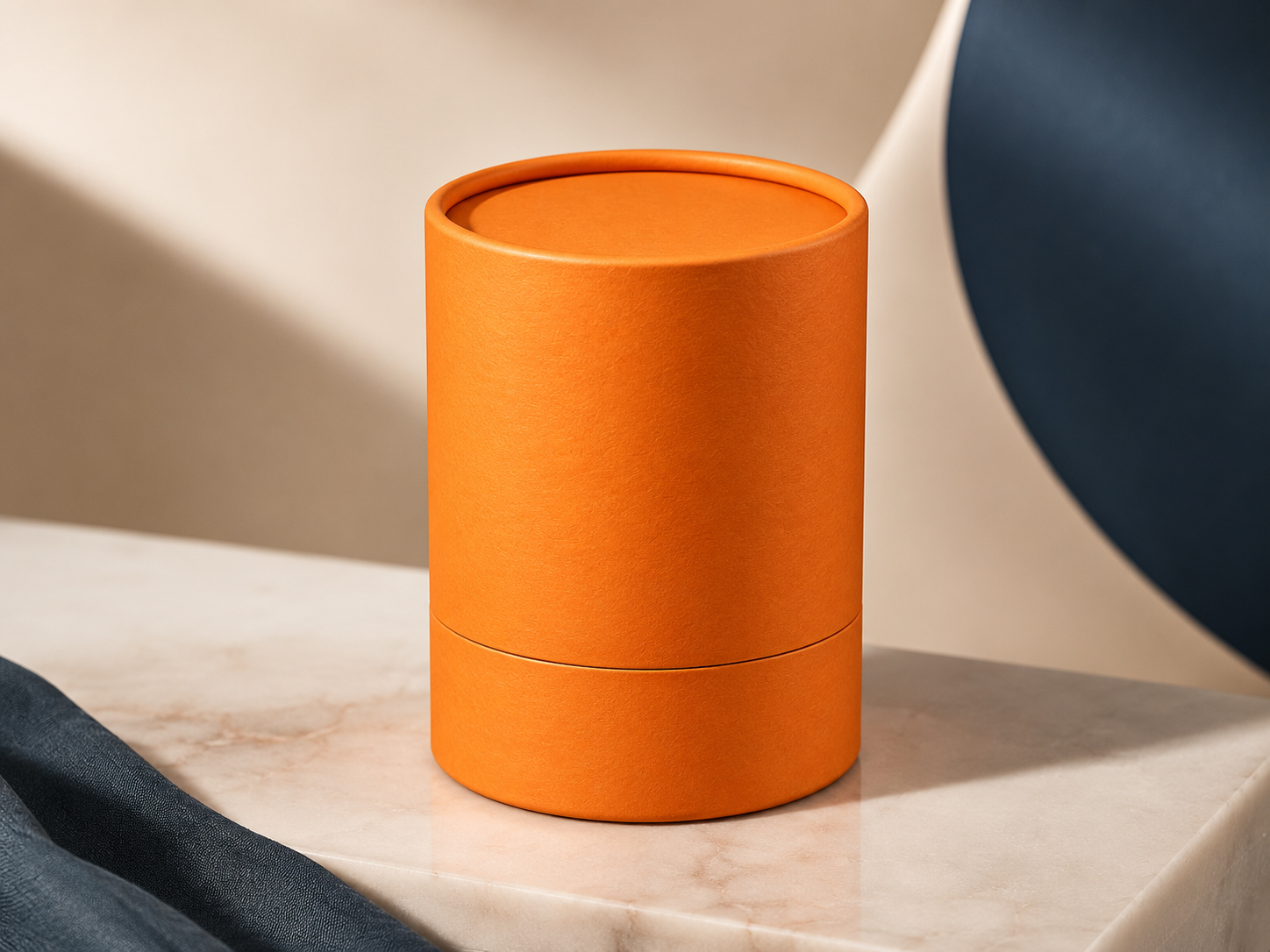
Custom Paper Tube Packaging for Cosmetics, Food, and Gifts

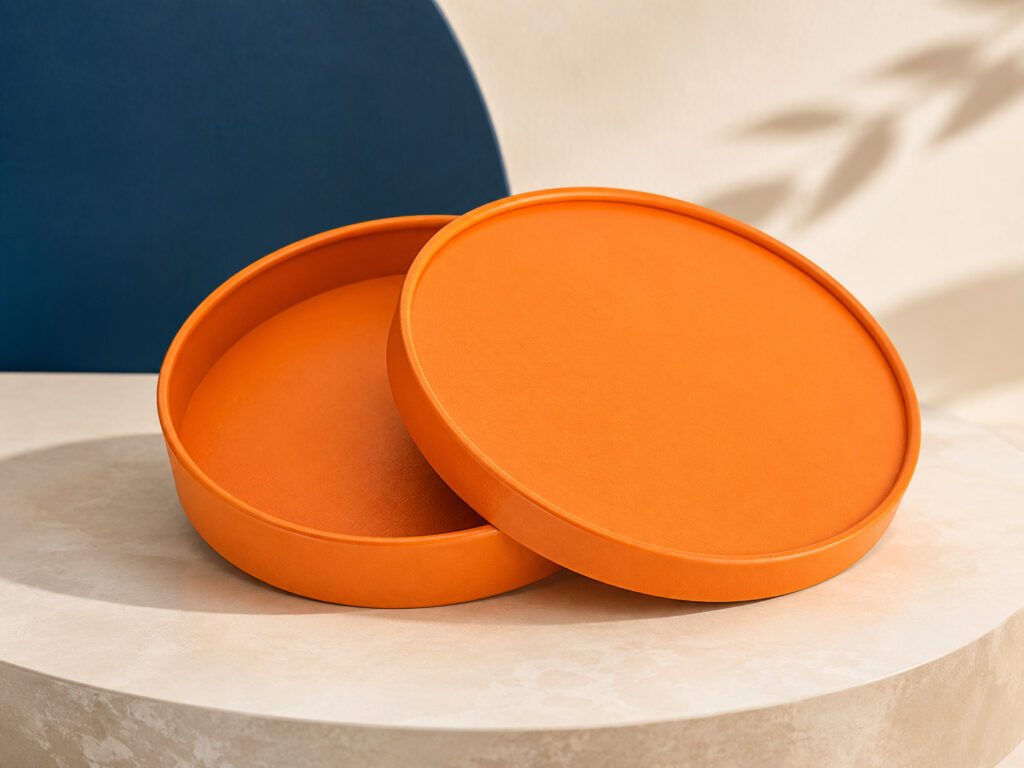
Custom paper tube packaging gives branded products a rigid cylindrical format designed around protection, presentation, and consistent retail display. Buyers can specify diameter, height, lid, paper wrap, insert, printing, and finish rather than adapting the product to a standard carton.

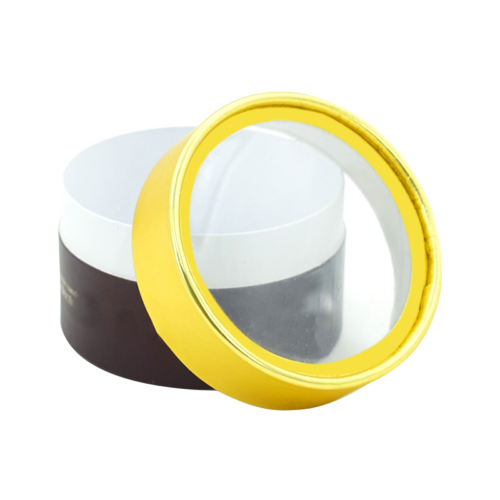
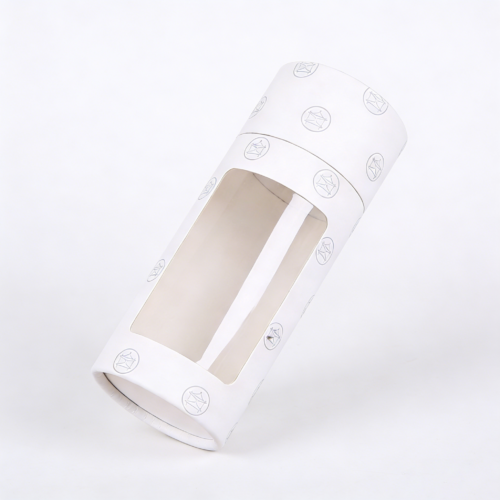
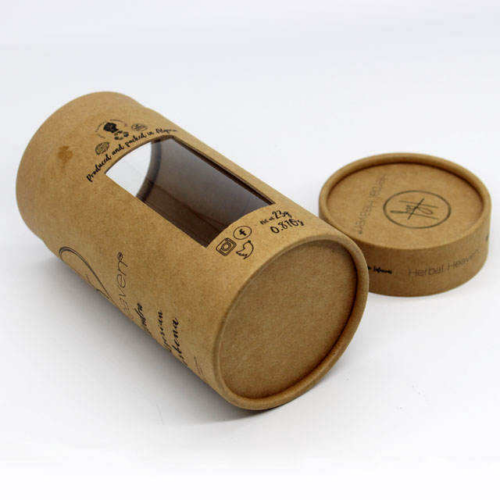
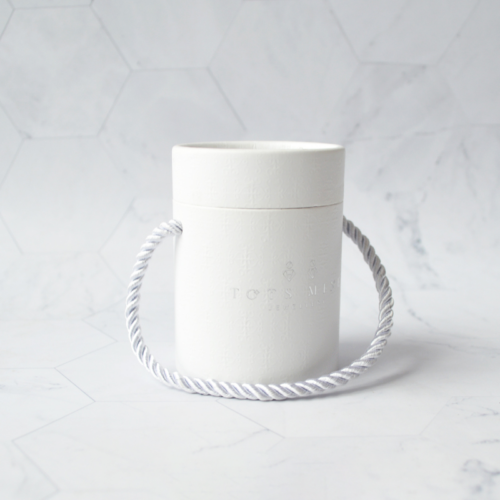
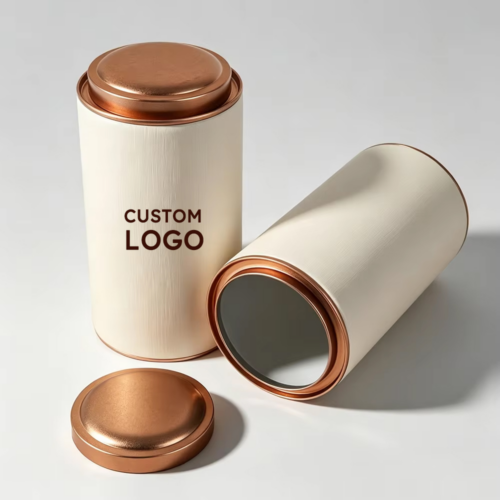
A custom paper tube is made from a formed paperboard body, an exterior printed or kraft paper wrap, and a fitted base and lid. Paper tubes are commonly used for cosmetics, skincare, candles, tea, coffee, confectionery, gifts, and other products that benefit from a structured round container.

Share your dimensions, quantity, artwork, and delivery destination to request a quotation or structural sample.

Paper Tube Boxes

Paper Tube Packaging for Better Product Protection

Paper tubes provide a rigid wall that can help maintain a clean cylindrical shape. A correctly fitted lid and insert also limit unwanted movement, which matters for jars, bottles, candles, and presentation products that may feel loose inside a folding carton.

The right packaging solution depends on packed weight, fragility, distribution, and the desired opening experience. A deeper lid creates a slower reveal, while a shallow cap provides quicker access. For e-commerce orders, the retail tube should still be evaluated with its outer shipping carton.

Explore Paper Tube Packaging Options

Use this section to compare paper tubes by structure, dimensions, lid format, paperboard construction, wrap material, printing, finishes, inserts, and intended application. Buyers should be able to see clear differences in appearance, closure, and customization options without mixing product cards with technical guidance. Final selections should be confirmed against the actual product, packed weight, and packaging needs.

How Are Paper Tubes Constructed and Closed

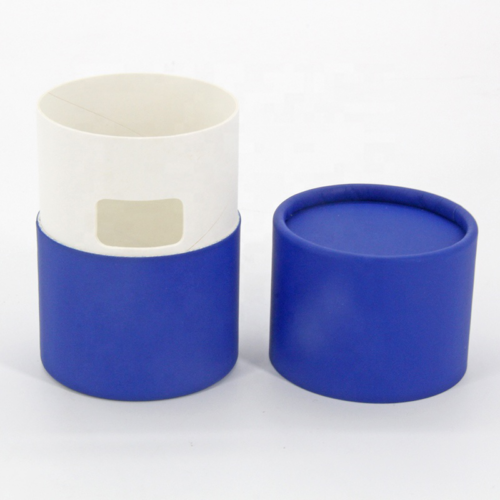
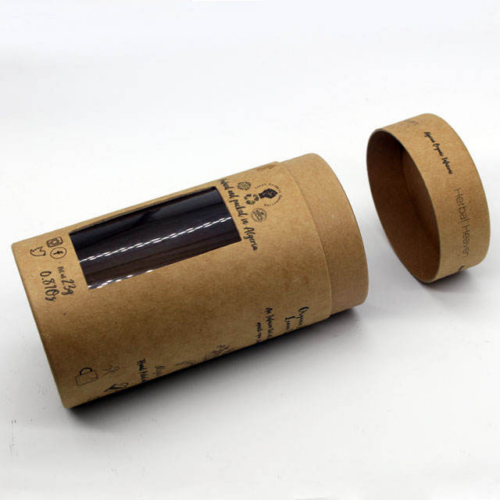
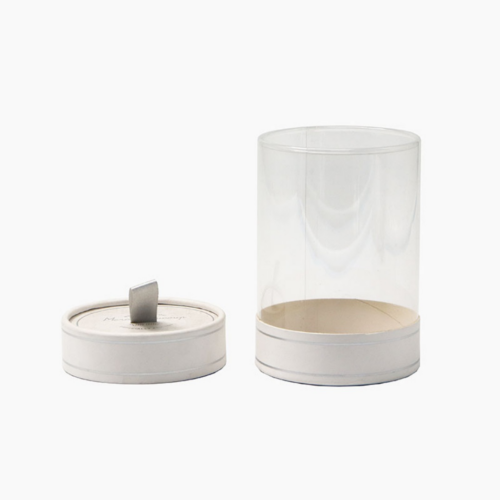
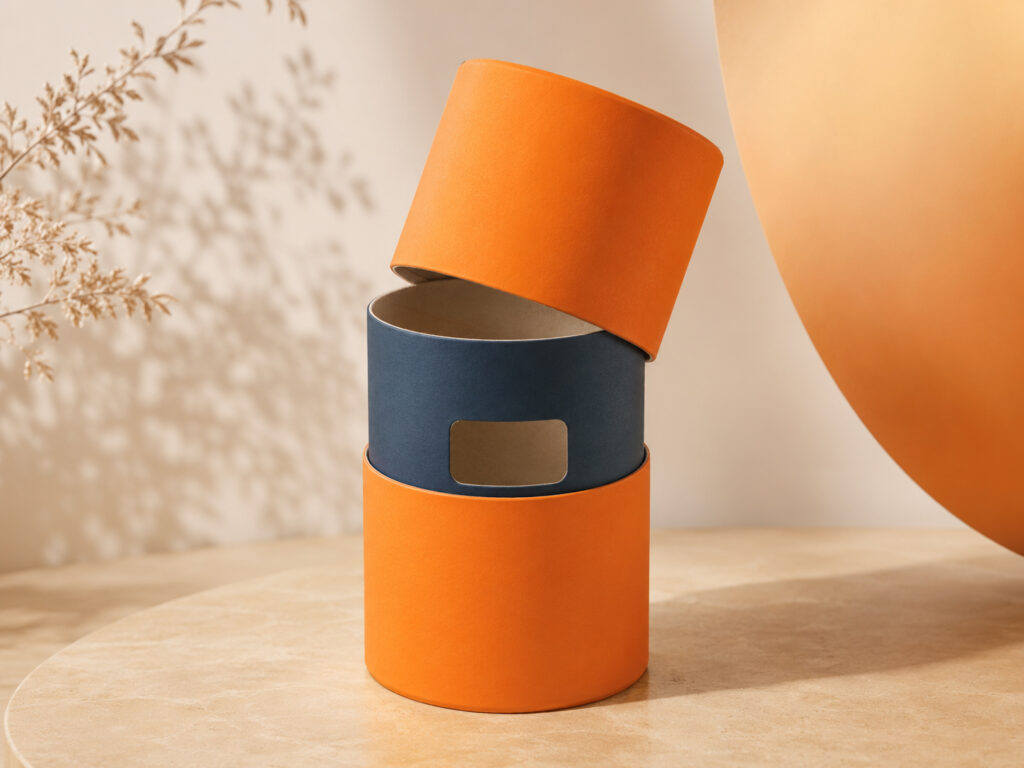
Paper tubes may use a spiral-wound or convolute paperboard body covered with printed paper, specialty stock, or a kraft paper wrap. The structure can include rolled edges, a separate base, a shoulder-and-neck section, or a telescoping lid. Internal diameter and usable height are the critical measurements for product fit.

Paper tubes with lids should be sampled with the real product and insert. Check lid depth, opening resistance, edge quality, glue lines, wrap alignment, and liner position. A loose lid can lift during handling; an overly tight lid may damage the wrap.

Paper Tube Materials, Printing, and Premium Finishes

Cardboard tube packaging may combine a structural paperboard core with coated, uncoated, textured, printed paper, or kraft paper wraps. Inserts may use paperboard, molded pulp, foam, or another material selected according to protection, presentation, and disposal requirements.

Custom-printed paper tubes can use different printing techniques depending on artwork, substrate, and volume. Premium finishes may include lamination, emboss, deboss, foil stamping, or spot effects. One or two controlled details often create a clearer brand result than applying every available finish.

Paper Tube Packaging for Cosmetics, Food, Candles, and Gifts

Cosmetic packaging may use paper tubes for skincare jars, perfume accessories, balms, and gift sets. Paper lip balm tubes and direct-contact formats need a different material assessment from secondary packaging that holds a sealed container. Inserts should secure the product without hiding required labeling.

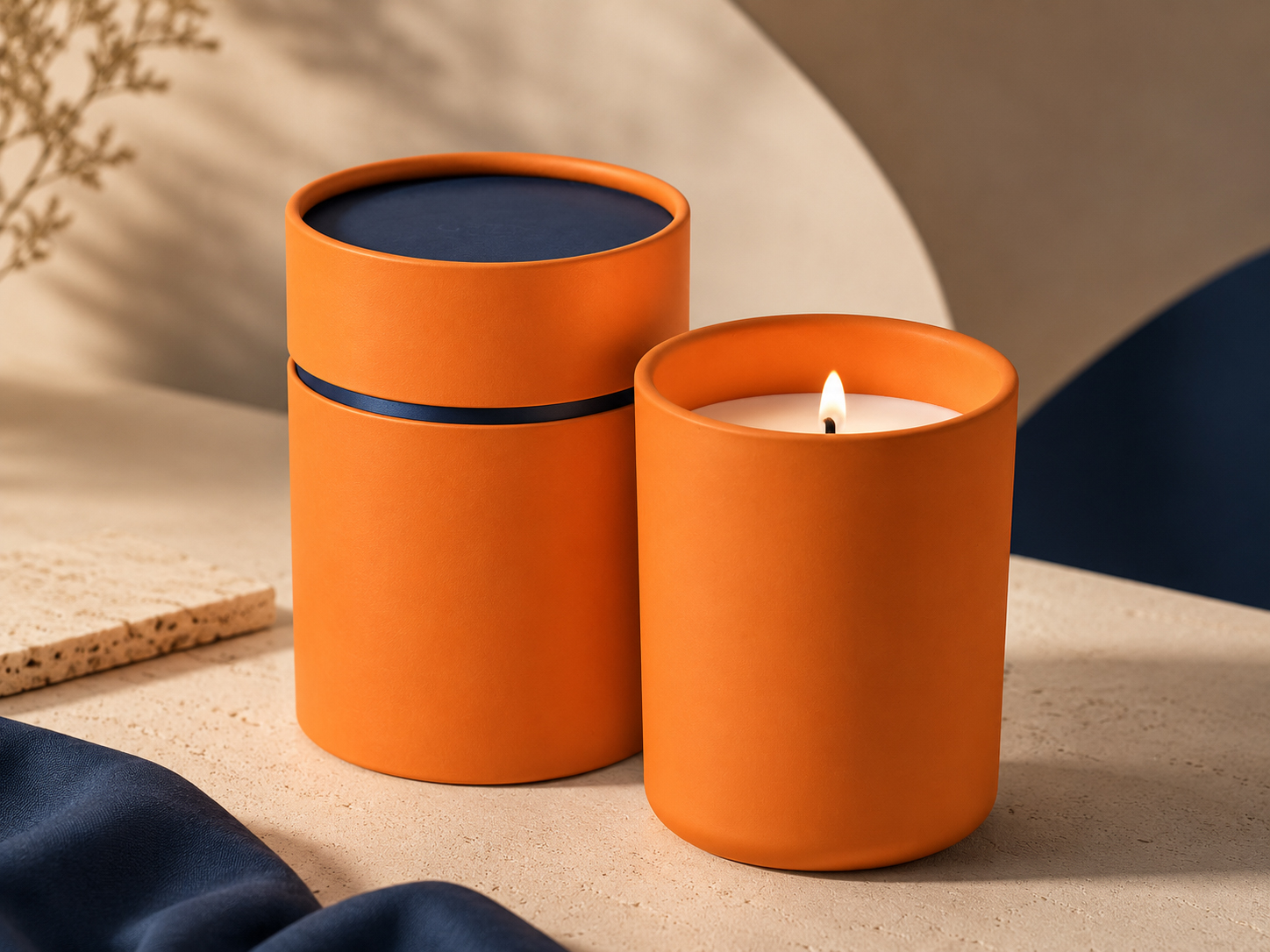
A paper candle tube needs suitable clearance and strength for the packed jar. Tea, coffee, snacks, and confectionery may require barriers for moisture, grease, aroma, or freshness. Food grade paper alone does not establish that the complete package is suitable for food contact; adhesives, coatings, colorants, inks, and liners may also require verification. FDA guidance treats packaging components such as adhesives and colorants as food-contact substances when they may contact food. ifts and promotional products often place more emphasis on shelf presence and the opening sequence. A cardboard cylinder can provide premium packaging in a compact form, but the final cylindrical packaging must remain practical to pack, ship, store, and display.

Paper Tube Boxes
Paper Tube Boxes
Paper Tube Boxes
Paper Tube Boxes

Are Paper Tubes Recyclable and Eco-Friendly

Some paper tubes can be recyclable, but the answer depends on the full construction and local collection system. A recyclable paper body may still include a plastic liner, metal base, foil layer, foam insert, or non-separable coating. Buyers seeking plastic-free or eco-friendly packaging should define which components must be paper-based and how they can be separated.

Eco-friendly, biodegradable, recyclable, and sustainable packaging are not interchangeable claims. An eco-friendly paper tube should be supported by specific information about fibre sourcing, recycled content, reduced plastic use, or material separation. FTC guidance says recyclable claims may need qualification where suitable recycling facilities are not widely available. on remains part of sustainability. Packaging made from sustainable materials that fails during distribution can create product waste, replacements, and additional shipping. The practical goal is to balance material use, durability, product safety, and realistic disposal instructions.

How to Order from a Paper Tube Packaging Manufacturer

Provide the product type, internal diameter, usable height, packed weight, quantity, destination, and target timeline. State whether you need stock packaging, a stock and custom solution, or custom sizes. Include photos or a product sample when the shape is difficult to describe.

Ask the custom paper tube packaging manufacturer how it controls dimensions, lid fit, wrap alignment, color, inserts, and final packing. Request a structural sample before approving decorated samples. Confirm [Insert MOQ], [Insert Sample Lead Time], [Insert Production Lead Time], [Insert Material Thickness], [Insert Printing Capability], [Insert Certification], and [Insert Food-Contact Compliance Information].

Artwork should follow the approved dieline, with fonts outlined and special finishes clearly marked. Ask each shortlisted paper tube co. to explain its inspection criteria, change-control process, export packing, and handling of nonconforming items.

Paper Tube Packaging FAQ for Buyers

Yes. Custom sizes can be developed around the product diameter, usable height, insert, and opening clearance. Confirm whether the dimensions are internal or external, then approve the fit with a structural sample before artwork and production begin.

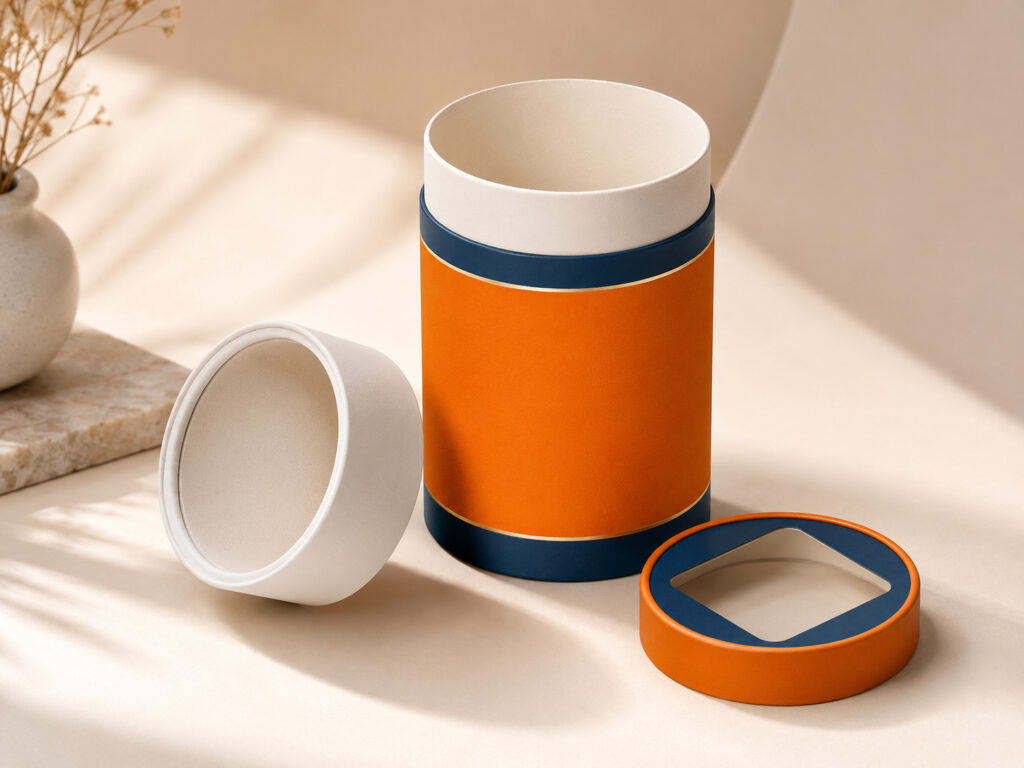
Common options include a separate paper cap, telescoping lid, shoulder-and-neck closure, rolled-edge end, or composite closure. The suitable lid depends on packed weight, opening resistance, appearance, repeated use, and material-separation requirements.

Yes. Paper tubes can serve as secondary cosmetic packaging for jars, bottles, skincare products, and gift sets. Formula leakage, oils, alcohol, required labeling, insert fit, and distribution conditions should be reviewed before the structure is approved.

They can be used for packaging for food when the complete material structure is suitable for the intended product and conditions of use. Buyers should verify the paper, liner, adhesive, coating, and ink rather than relying on a broad food grade claim. Printing and Finishing Options Are Available?

Processes may include offset, digital, flexographic, or screen printing, plus lamination, foil, emboss, deboss, and spot effects. Exact availability depends on the supplier, artwork, paper, quantity, and tube construction, so critical finishes should be confirmed with a decorated sample.

Not always. Inserts are helpful when a product is smaller than the tube, fragile, heavy, or must remain in a fixed presentation position. Paperboard, molded pulp, foam, and plastic inserts offer different protection and end-of-life considerations.

Provide the product type, internal dimensions, packed weight, quantity, lid preference, material direction, artwork, finish, insert requirements, delivery destination, and target timeline. Also identify any cosmetic, food-contact, testing, or labeling requirements.

Request a Custom Paper Tube Packaging Quote

Tell us what the paper tubes will hold, the required internal dimensions, order quantity, preferred lid, material direction, printing and finishing requirements, insert needs, delivery destination, and target timeline. These details help us recommend a workable tube structure, identify sampling or compliance requirements, and prepare an accurate quotation for your project.

CTA