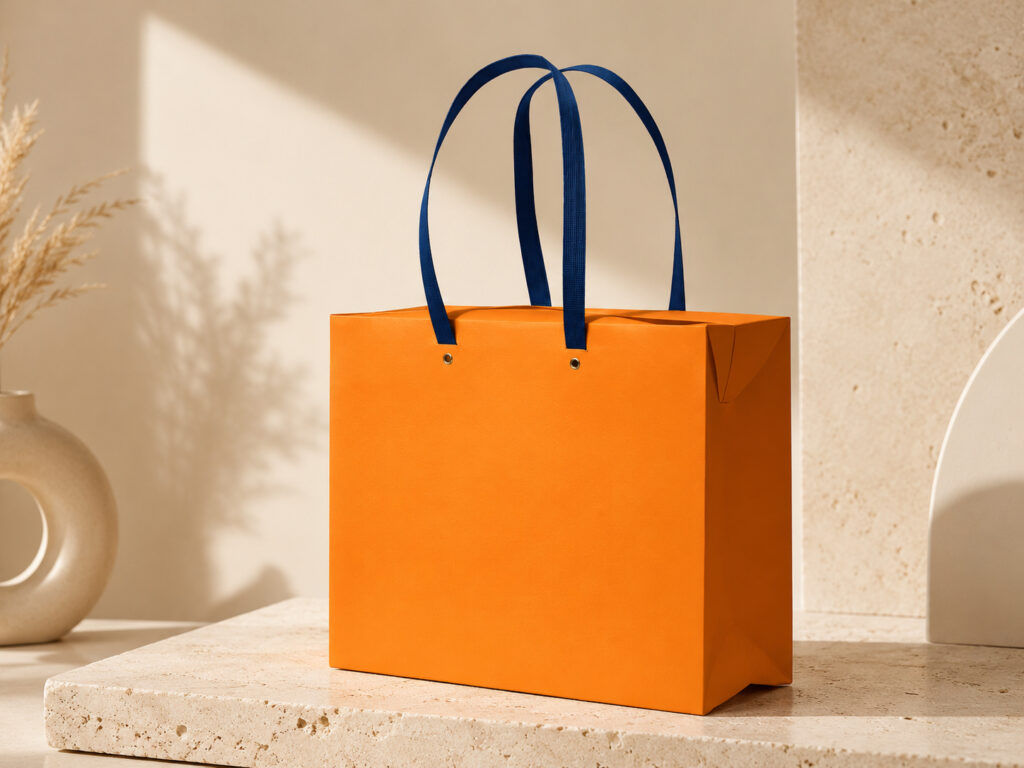
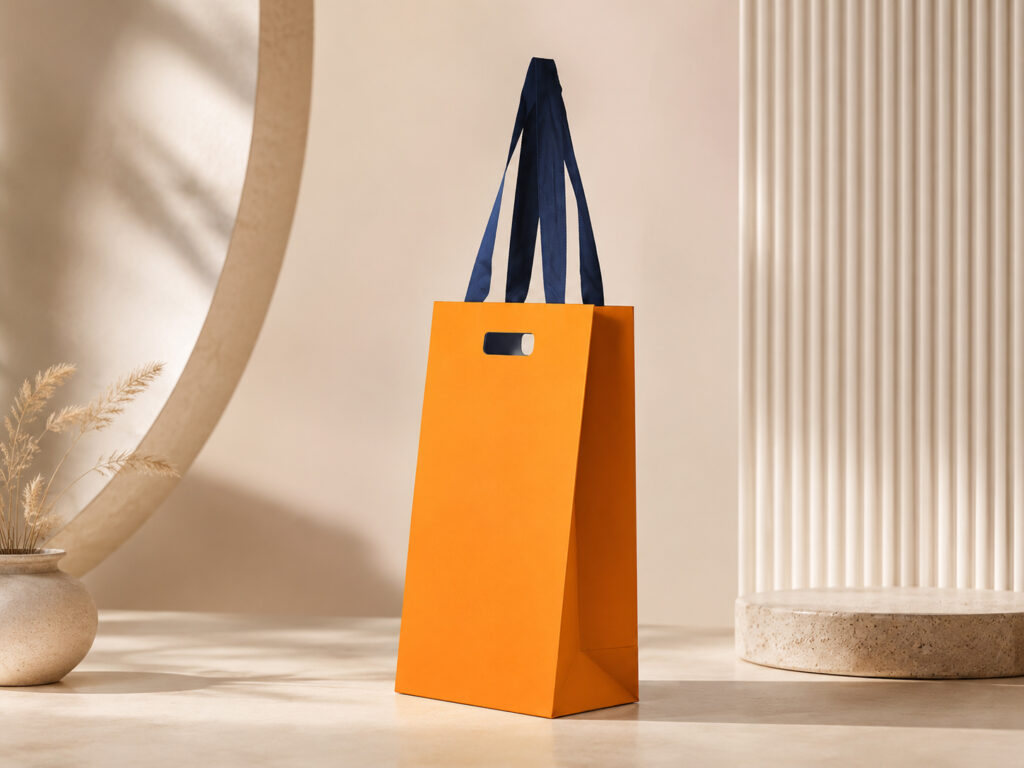
Custom Paper Shopping Bags for Retail and Wholesale

Create a paper shopping bag that fits your products, supports convenient carrying, and keeps your brand visible after checkout. Choose the paper, dimensions, gusset depth, handle style, printing, and finishes around the way the bag will actually be used. We support projects for boutiques, retail stores, restaurants, gift shops, e-commerce sellers, events, and distributors. Send your specifications to request a quotation or discuss a sample.

A custom paper shopping bag is a branded or unprinted carrier produced in selected materials, sizes, colors, and handle formats. Businesses use shopping bags for retail purchases, takeaway orders, gifts, promotions, and events because they combine practical product handling with space for logos, artwork, and customer information.

Paper Shopping Bags

Custom Paper Shopping Bags Built Around Retail Requirements

The right paper bag starts with the product rather than a standard template. A boxed cosmetic set, folded garment, bakery order, and promotional kit have different dimensions, weight distribution, loading methods, and presentation needs. Bag width, height, gusset depth, paper construction, and handle attachment should be specified together so the finished carrier is easy to pack and comfortable to use.

Procurement teams should also consider storage and checkout workflow. Some shopping bags need to ship flat and open quickly; others must accommodate tissue paper, rigid gift boxes, or several smaller items. Sharing the packed product dimensions and intended quantity per bag gives the supplier a clearer basis for sampling, costing, and production planning.

Explore Custom Paper Shopping Bags by Style and Application

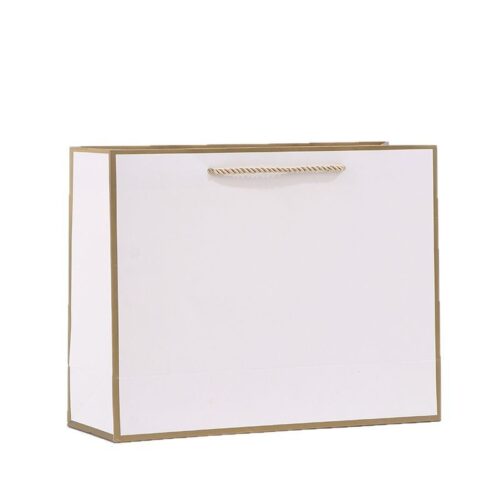
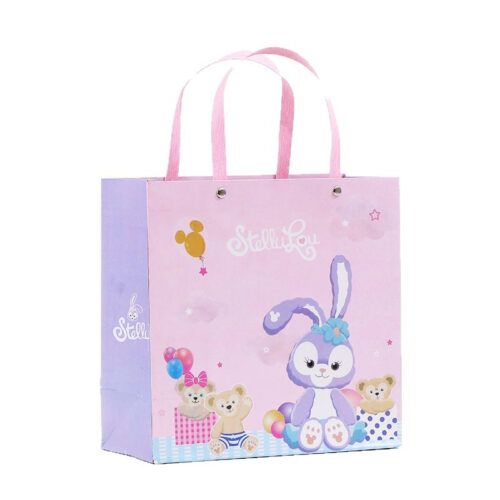
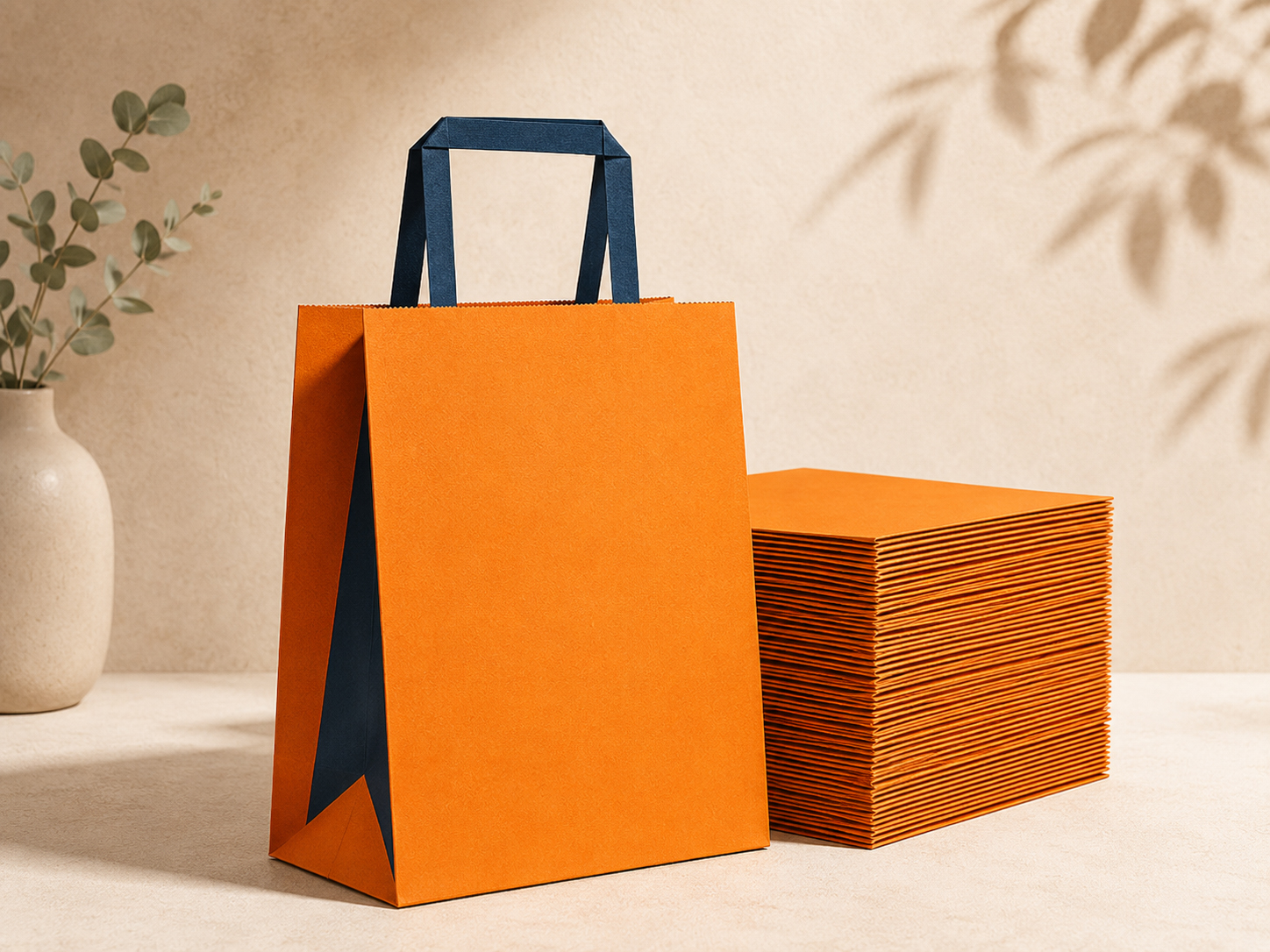
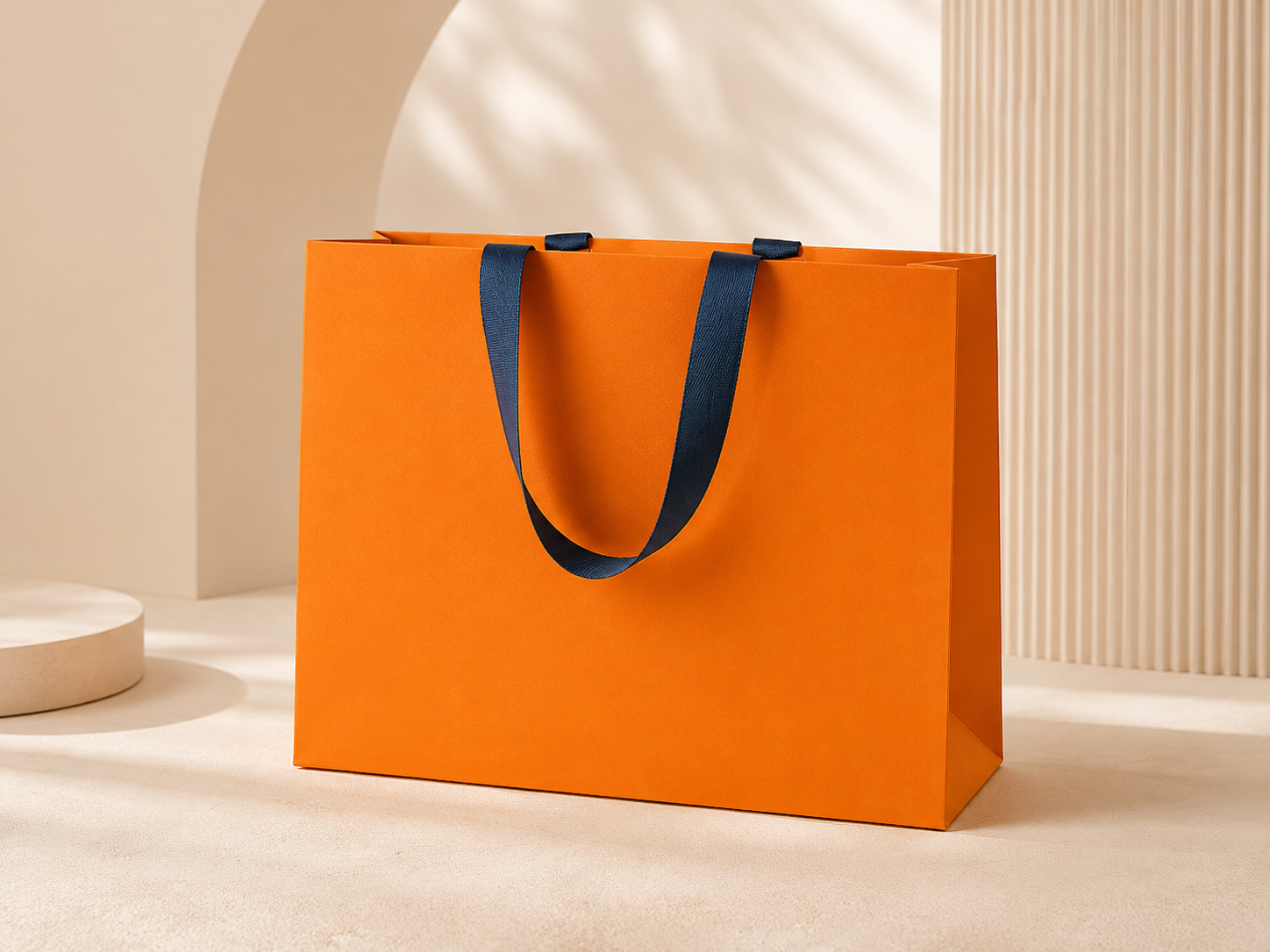
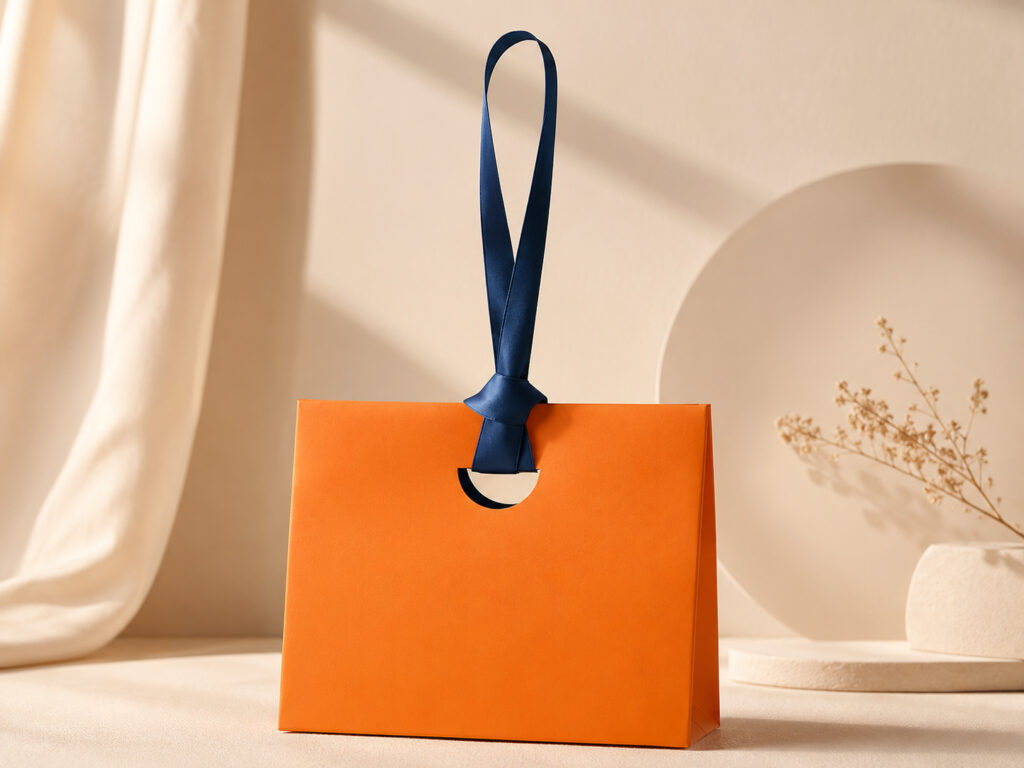
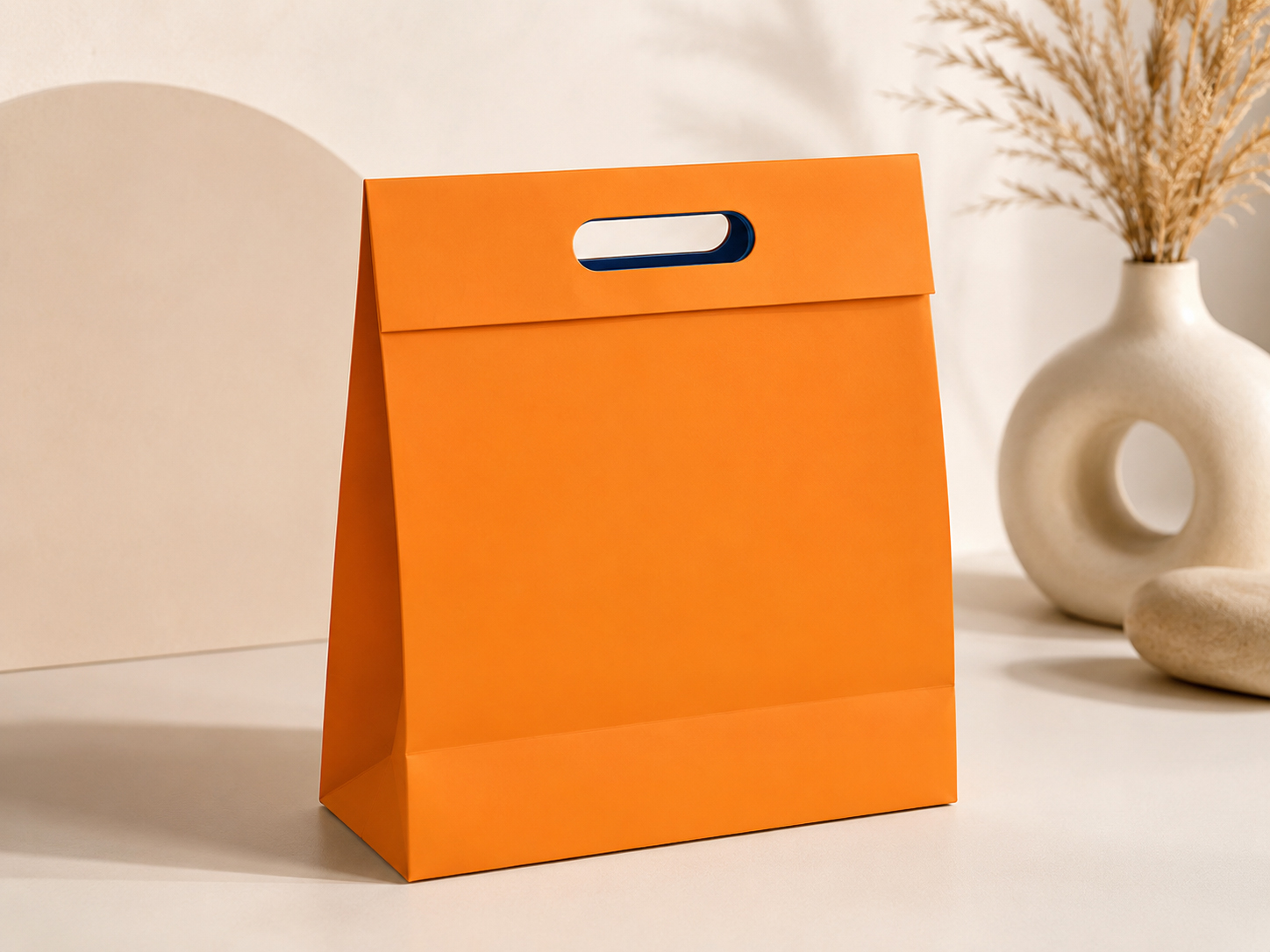
Review the product examples below to compare custom paper shopping bags by paper type, handle construction, color, proportion, printing style, and intended application. Look at how each option may suit your product dimensions, brand presentation, carrying requirements, and packing process. Final materials, sizes, artwork, finishes, and order quantities can then be confirmed around the product styles most relevant to your project.

Choose Paper Materials and Handle Styles for Your Products

Kraft paper creates a natural appearance that suits food service, casual retail, gifting, and promotional use. Brown paper bags work well with bold, high-contrast printing, while white paper gives colorful artwork a cleaner base. Colored stock can support seasonal launches or a controlled brand palette, although the paper shade should be considered during artwork approval.

Recycled paper and recycled kraft may be suitable when recycled content is part of the brief. Buyers should confirm whether the material contains pre-consumer or post-consumer fiber and request the percentage. Recycled paper fibers can produce shade and texture variation, so a sample is useful when surface appearance matters.

Twisted handles provide a rounded grip and a familiar boutique look. Flat paper handles create a wider contact area and are commonly used for practical retail or takeout bags. Select the handle according to bag size, expected contents, paper construction, visual direction, and packing requirements.

Customize Bag Size, Printing, Color, and Finishing

Custom sizing helps avoid an oversized paper bag that wastes material or a narrow bag that slows packing. Provide the packed product’s length, width, height, orientation, and quantity per bag. The supplier can then evaluate internal space, gusset depth, top opening, and handle position. Multiple sizes can share one design while remaining practical for different products.

Printing may range from a single logo to broader artwork coverage, subject to the paper and production method. Supply editable artwork, brand color references, logo placement, bleed, and any required information. Brown kraft, white paper, and colored stock can produce different visual results, so color expectations should be reviewed against the chosen material.

Matte or gloss effects, foil, embossing, and tissue paper can strengthen retail presentation. They may also affect cost, handling, production complexity, and recyclability. Select the details customers will notice and that suit the product, sales environment, and packing process.

Paper Shopping Bags for Retail, Takeout, Gifts, and Events

Retail paper bags are used by fashion stores, cosmetics brands, jewelry boutiques, bookstores, gift shops, and specialty retailers. Paper feel, logo clarity, handle comfort, bag proportion, and gift wrapping can all influence how a purchase is presented after checkout.

Restaurants, cafés, and bakeries may need take out bags that fit packed containers without excessive movement. Base dimensions, gusset depth, handle construction, and container position should be reviewed together. Food-contact suitability must be confirmed for components that directly touch unpackaged food.

These bags also work for trade shows, product launches, corporate gifts, subscription pickups, and promotional kits. The best specification depends on what is being carried, how long customers will carry it, and how the bags are transported to the point of sale.

Paper Shopping Bags
Paper Shopping Bags
Paper Shopping Bags
Paper Shopping Bags
Paper Shopping Bags

How Should Buyers Evaluate Recycled Paper and Recyclability

An eco-conscious packaging brief should use specific, verifiable requirements. Instead of requesting an “eco-friendly paper bag,” define the preferred recycled content, paper source, coating limitations, handle material, and disposal message. Ask for supporting documentation and clarify whether a recycled-content claim applies to the complete bag or only the paper body.

A paper bag is not automatically fully recyclable in every market. Coatings, foil, adhesives, handles, contamination, and local collection systems can affect recovery. Buyers should confirm the complete construction before placing recyclable claims on artwork. Responsibly sourced paper may also be requested when forest sourcing is part of the procurement policy, subject to supplier documentation.

Paper may be a practical alternative to plastic bags for some retail and takeaway uses, but material choice should still reflect performance and local rules. Bag bans and single-use plastic requirements vary by destination, so buyers should confirm current requirements where the bags will be distributed.

Order Paper Bags in Bulk with Clear Specifications

Accurate bulk quotations depend on a complete specification. Send the finished dimensions, paper preference, handle style, printing coverage, finish, order quantity, product use, destination, and packing requirements. Artwork or reference images help clarify the intended appearance. Identify undecided details so quotations state the same assumptions.

Ordering paper bags in bulk may reduce unit cost, but buyers should compare offers using the same paper construction, print coverage, handles, finishes, packing, and delivery terms. Volume discounts, when available, should be weighed against storage space, forecast demand, and the risk of artwork changes.

Before approval, consider a physical sample or prototype. It can reveal whether the size is practical, the handles feel balanced, the logo sits correctly, and the bag works with the packed product.

What Quality Checks Matter Before Bulk Production

Quality control should cover dimensions, folds, gussets, gluing, handle attachment, print registration, color, surface condition, and carton packing. Tolerances and acceptance criteria should be agreed before production rather than discussed only after delivery.

Artwork approval is equally important. Check the dieline, logo scale, orientation, color references, overprint areas, and the relationship between artwork and folds. A digital proof may confirm layout, while a physical sample gives a better view of paper feel, proportion, and print appearance.

Buyers may also ask how quantity, workmanship, color consistency, packing, and labeling will be checked. Clear approval records make later changes easier to manage.

Custom Paper Bag Ordering Questions from Wholesale Buyers

Common options include brown kraft, white paper, colored paper, recycled kraft paper, and responsibly sourced stocks. Selection depends on bag size, printing, contents, appearance, quantity, and market requirements.

Yes. Provide editable artwork and color references, then confirm the printable area and how the selected paper shade may influence the finished result.

Share the packed product’s length, width, height, orientation, and quantity per bag. Allow space for loading, tissue paper, closures, or multiple items.

Neither is universally better. Twisted handles offer a rounded grip and boutique appearance; flat paper handles suit practical retail and takeaway use.

They may be, but coatings, foil, adhesives, handles, contamination, and local collection systems can affect acceptance. Confirm the complete construction before making claims.

Yes, subject to available production specifications and volume requirements. Provide quantities by size and design so pricing and production can be assessed accurately.

Editable vector artwork is usually preferred for logos and line graphics. Include fonts, linked images, color references, placement notes, and required text.

Sample availability depends on the project. Existing samples help compare materials and handles; a custom prototype is better for checking dimensions, artwork, and product fit.

Request a Quote for Custom Paper Shopping Bags

Tell us the bag dimensions, paper preference, handle type, printing requirements, finish, order quantity, product application, destination market, and expected packing method. You can also upload artwork or reference images. These details help us review the construction, identify missing specifications, and prepare a quotation or sample recommendation around your project.

CTA