


-
Email: info@chengyipackagingbox.com
-
Mobile: +86 139 2370 6087
Custom Folding Carton Packaging for Efficient Retail Presentation
Custom folding carton packaging gives brands a practical way to protect products, communicate essential information, and create a consistent shelf presence without the weight of rigid packaging. It can be developed for cosmetics, pharmaceuticals, food, personal care, electronics, household goods, and other consumer products.
Buyers can customize the structure, paperboard, thickness, printing method, surface finish, window, insert, and closure around the product and packing process. That flexibility helps balance protection, visual presentation, assembly speed, storage space, and overall packaging cost.
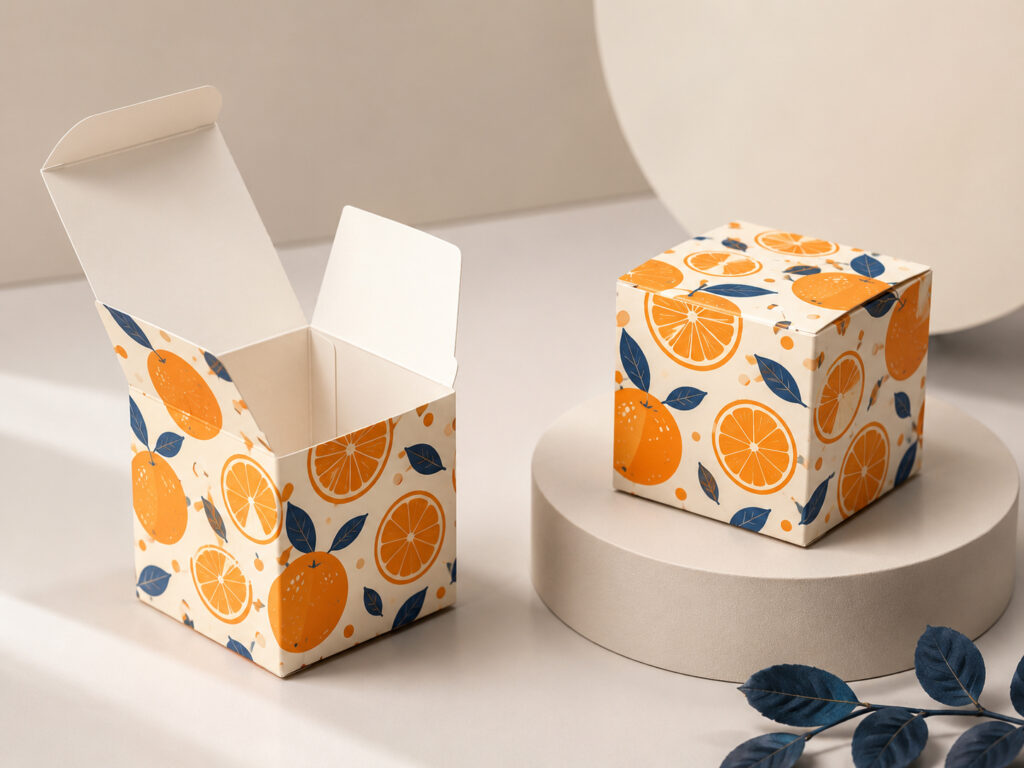
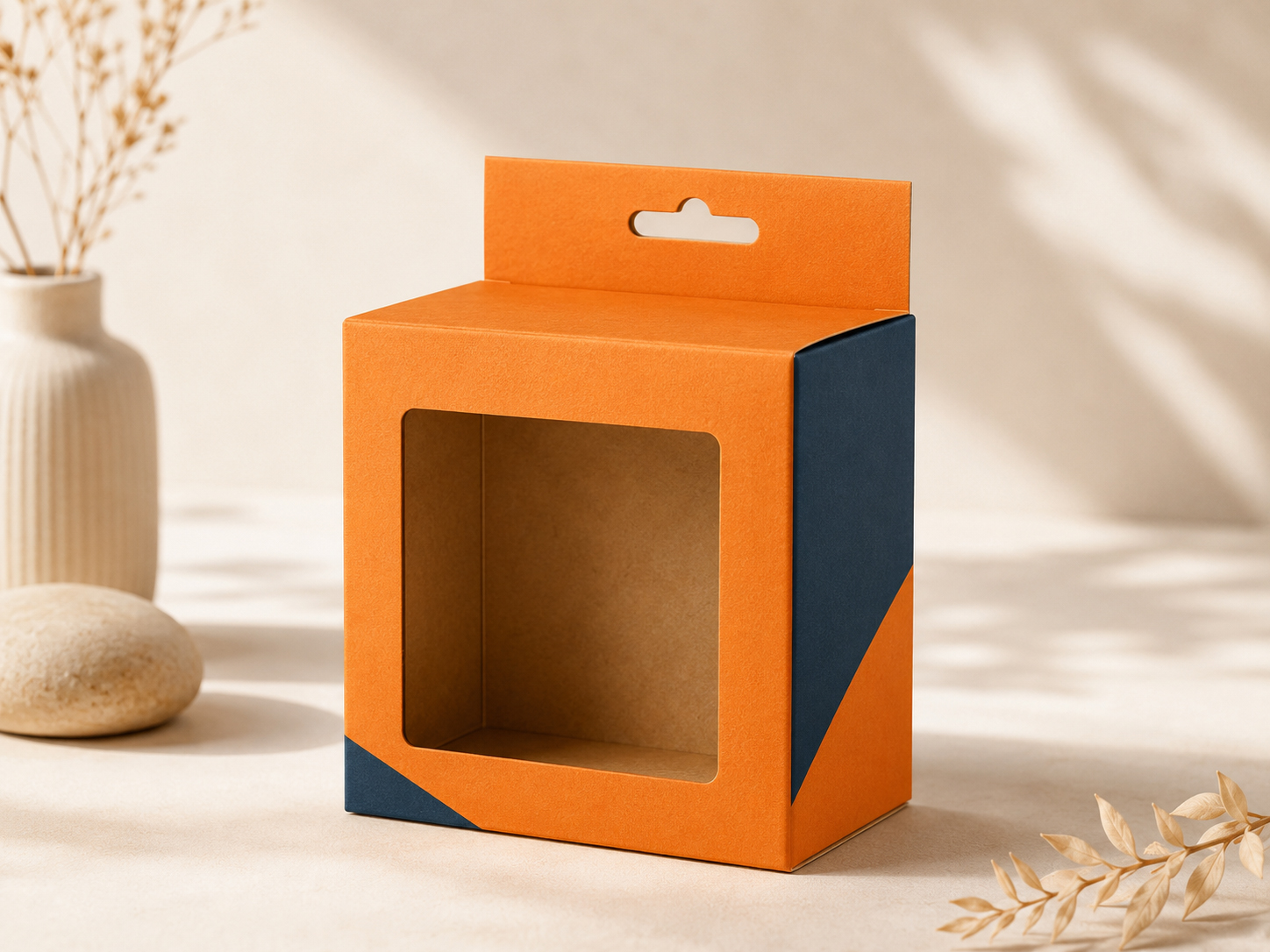
A custom folding carton is a die-cut paperboard package that is creased, folded, and usually glued before being supplied flat for packing. Brands choose folding cartons because they combine printable surfaces, adaptable structures, compact storage, and cost-effective production. Dimensions, tuck flaps, base styles, finishes, windows, and internal fit can all be customized.
Custom Folding Carton Packaging for Product Protection and Retail Display
The right folding carton protects the product while keeping packing, transport, and retail handling straightforward. Product dimensions, weight, fragility, and orientation affect panel size, closure security, board stiffness, and insert requirements. A lightweight cosmetic bottle may work in a standard tuck carton, while a heavier container may need an auto-bottom base, thicker paperboard, or internal support.
Folding carton packaging also provides space for logos, instructions, ingredients, barcodes, compliance information, and other branding elements. The goal is not to add every available feature. A practical packaging solution uses the structure, material, and finishing needed to support product protection, shelf-ready presentation, efficient assembly, and a consistent customer experience.
Explore Custom Folding Carton Boxes by Structure and Application
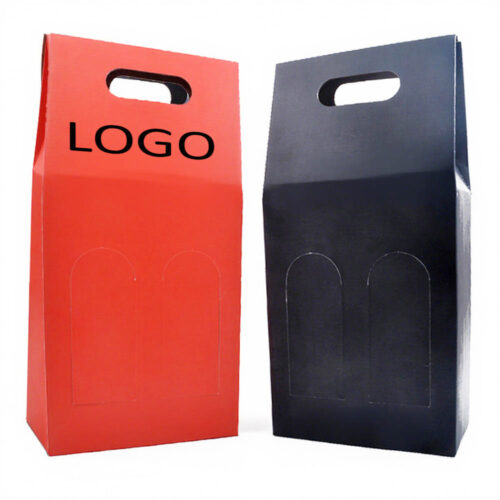
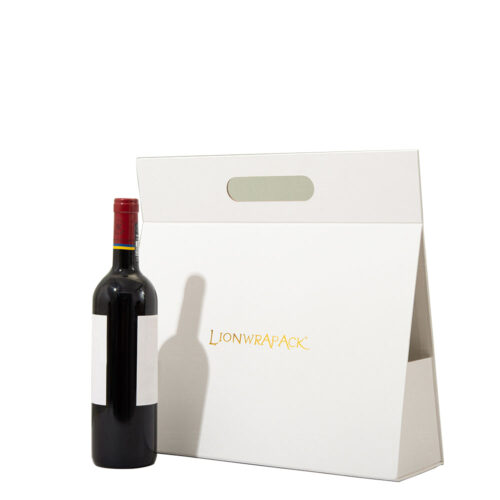
The following product collection represents different folding carton structures, material appearances, closures, and customization possibilities. As you review the products, compare how each carton box opens, how the top and bottom panels lock, how much printable space is available, and whether the structure can accommodate a window or insert. These details make it easier to identify suitable custom folding carton boxes before requesting a structural sample, pricing review, or production recommendation.
-
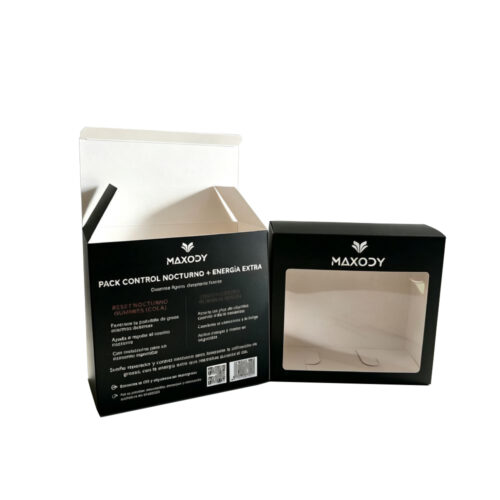
Printed Window Paperboard Box for Supplement Gummies Pack

- Box by Indutries, Custom Accessories Boxes, Custom Electronic Packaging Boxes, Custom Food Boxes, Folding Cartons, Paper Packaging
Matte black folding paperboard box for supplement gummies, featuring a clear front window, white logo printing, tuck flap closure, and optional inner paperboard insert for retail display.
-
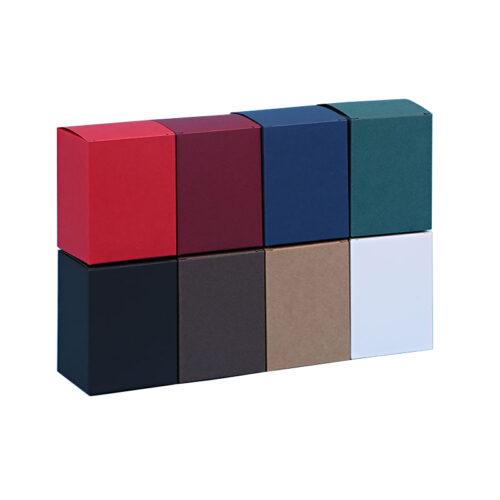
Colored Folding Paperboard Cube Packaging Box Wholesale

- Box by Indutries, Custom Candle Boxes, Custom Cosmetics Boxes, Custom Electronic Packaging Boxes, Folding Cartons, Paper Packaging
Solid color folding paperboard cube box with tuck flap closure, side dust flaps, smooth matte finish, and multiple color options for candles, cosmetics, gifts, accessories, and retail packaging.
-
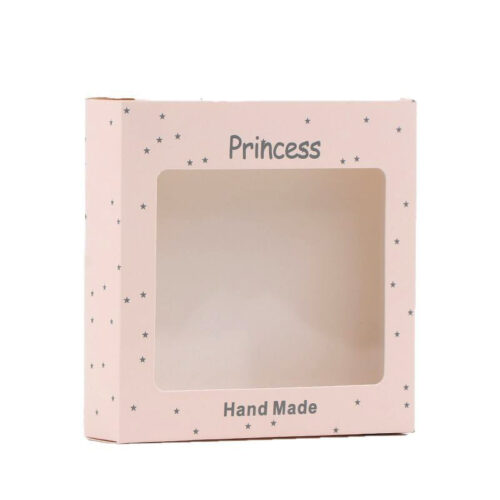
Printed Princess Window Gift Packaging Box for Handmade

Soft pink folding paperboard window box with clear PET panel, gray star printing, Princess and Hand Made text, and tuck flap closure for handmade gifts, accessories, soaps, or children’s retail items.
-
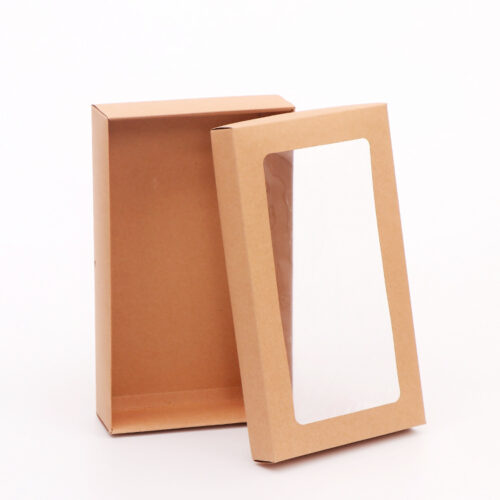
Two-Piece Kraft Window Gift Packaging Box for Retail Use

Natural kraft paperboard window box with a clear PET lid, two-piece tray structure, and clean unprinted surface for gifts, apparel, soap, bakery, or cosmetic retail packaging.
How Do Paperboard, Printing, and Finishing Affect Carton Quality
Paperboard grade and thickness influence stiffness, crease quality, print appearance, and the way the carton feels in the hand. Solid bleached paperboard supports bright graphics and clean color reproduction. Kraft provides a more natural appearance, while recycled board may support eco-friendly packaging goals. AF&PA describes paperboard as a strong, lightweight packaging material made from wood pulp or recycled paper pulp.
Thickness should not be selected separately from the structure. A large folding box with wide panels may flex more than a smaller single box made from the same board. Grain direction, panel dimensions, score design, coatings, moisture exposure, and flap size also affect performance. A structural sample should be tested with the real product before the final material is approved.
Offset printing is commonly used for detailed graphics and consistent color across larger orders. Digital printing may be suitable for prototypes, shorter runs, or multiple artwork versions. Finishing options can include a matte or glossy finish, foil stamping, embossing, debossing, spot effects, textured coatings, and die-cut windows.
Each additional process affects cost-efficiency, production times, and recyclability. Heavy laminations, plastic windows, metallic layers, and mixed-material inserts should be reviewed carefully because recycling acceptance can vary between local programs. The U.S. EPA recommends checking local recycling rules for paper and cardboard products.
Where Do Custom Folding Boxes Work Best
Custom folding boxes are best suited to products that need strong graphics, organized retail presentation, and compact storage before packing. Common applications include cosmetic packaging, pharmaceutical secondary cartons, personal care products, food items, small electronics, household goods, gift boxes, and gift sets.
The product itself determines the final packaging needs. A glass bottle may require an insert to limit movement. Pharmaceutical packaging may prioritize readable information and closure security. A retail gift set may need separate compartments, while windowed cartons can help customers view the product without opening the package.
Folding carton solutions work most effectively when the structure is designed around the product rather than adapted from a standard size without testing. Internal dimensions, product weight, orientation, center of gravity, and packing method should all be reviewed before production.
How Do Flat-Packed Folding Cartons Reduce Storage and Packing Costs
Folding cartons are typically supplied flat, reducing inbound volume and warehouse space compared with pre-assembled rigid boxes. The ability to fold flat for storage and shipping is one of the practical advantages identified by the Paperboard Packaging Council.
Flat-packed efficiency must still be balanced against assembly labor. A reverse tuck carton may be quick to erect, while a snap lock base requires additional manual folding. An auto-bottom or tuck top auto bottom structure can improve packing speed, although the converting process is more complex.
Buyers should compare the cost of each carton with setup time, labor requirements, packing equipment, shipping protection, and storage space. The lowest unit price does not always produce the lowest total packing cost across the supply chain.
What Does the Custom Folding Carton Ordering Process Include
A custom folding project normally begins with the product’s internal dimensions, weight, orientation, expected quantity, and packing method. The supplier also needs artwork, material preferences, printing requirements, finishing details, window or insert needs, and the target delivery date.
The next step may involve a blank structural prototype, digitally printed sample, or pre-production sample. Sampling is especially useful for new dimensions, unusual closures, heavier products, windowed cartons, or packaging that must run through automated equipment.
After the structure and artwork are approved, production may include material preparation, printing, surface finishing, die-cutting, folding, gluing, inspection, and packing. Exact production times depend on the approved structure, materials, finishing processes, quantity, and shipping requirements.
Folding Carton Sourcing and Customization Questions
What is the difference between straight tuck and reverse tuck cartons?
Straight tuck cartons have top and bottom closures that fold in the same direction, helping keep the main display panels clean. Reverse tuck cartons have closures that fold in opposite directions. Both are cost-effective options for lightweight and moderately weighted products.
When should I choose an automatic bottom carton?
Choose an automatic bottom when faster manual setup and a stable base are important. The base is pre-glued and opens as the carton is squared. Product weight, dimensions, and paperboard thickness must still be reviewed before confirming the structure.
Can folding carton boxes include windows or inserts?
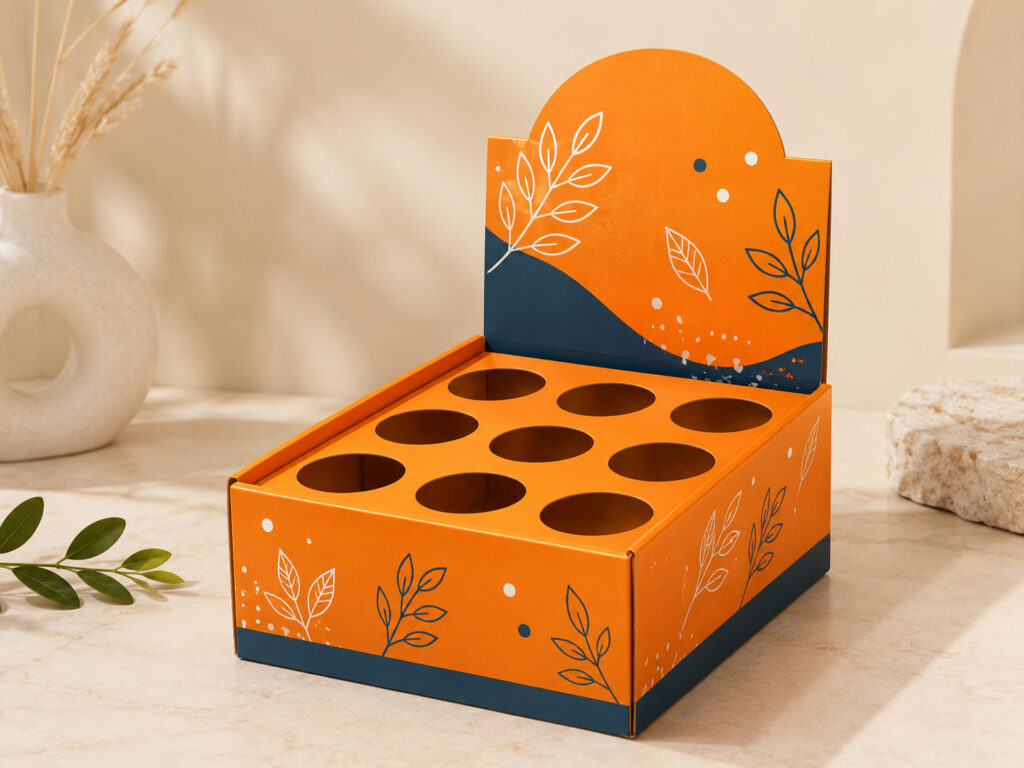
Yes. Folding carton boxes can include die-cut windows, paperboard inserts, molded fiber components, or other internal supports. The insert should reduce movement without making assembly unnecessarily difficult or adding avoidable material.
Are custom folding cartons supplied flat?
Most custom folding cartons are supplied flat with the manufacturer’s joint already glued. The packer opens the carton, closes or locks the base, loads the product, and secures the top. Seal end structures may use a different packing sequence.
How is paperboard thickness selected?
Paperboard thickness is selected according to product weight, carton dimensions, panel size, stacking, finishing, and required stiffness. A sample helps confirm that the board holds its shape, folds cleanly, and protects the product during normal handling.
What information is required for a folding carton quotation?
Provide internal dimensions, product weight, expected quantity, material preference, artwork, print colors, finishes, window or insert requirements, packing method, and target delivery date. Product photos or a physical sample can help the folding carton manufacturer recommend a suitable structure.
Are folding cartons recyclable?
Many paperboard boxes can enter paper recycling streams, but acceptance depends on local facilities and the carton’s coatings, food residue, plastic windows, adhesives, and inserts. The EPA includes folding cartons within paper and paperboard packaging but recommends checking local collection rules.
Request a Folding Carton Quote and Structural Recommendation
Share your carton dimensions, product weight, expected quantity, preferred material, artwork status, printing requirements, finishing options, insert needs, packing method, and target delivery date. These details allow the project to be reviewed for structure, paperboard selection, sampling, assembly efficiency, and production planning.
You can request a quotation, a physical sample, or a structural recommendation before approving the final custom folding design. Clear specifications at the beginning help reduce revisions and make the next stage of the project easier to evaluate.