


-
Email: info@chengyipackagingbox.com
-
Mobile: +86 139 2370 6087
Custom PET Blister Inserts and Plastic Trays for Boxes
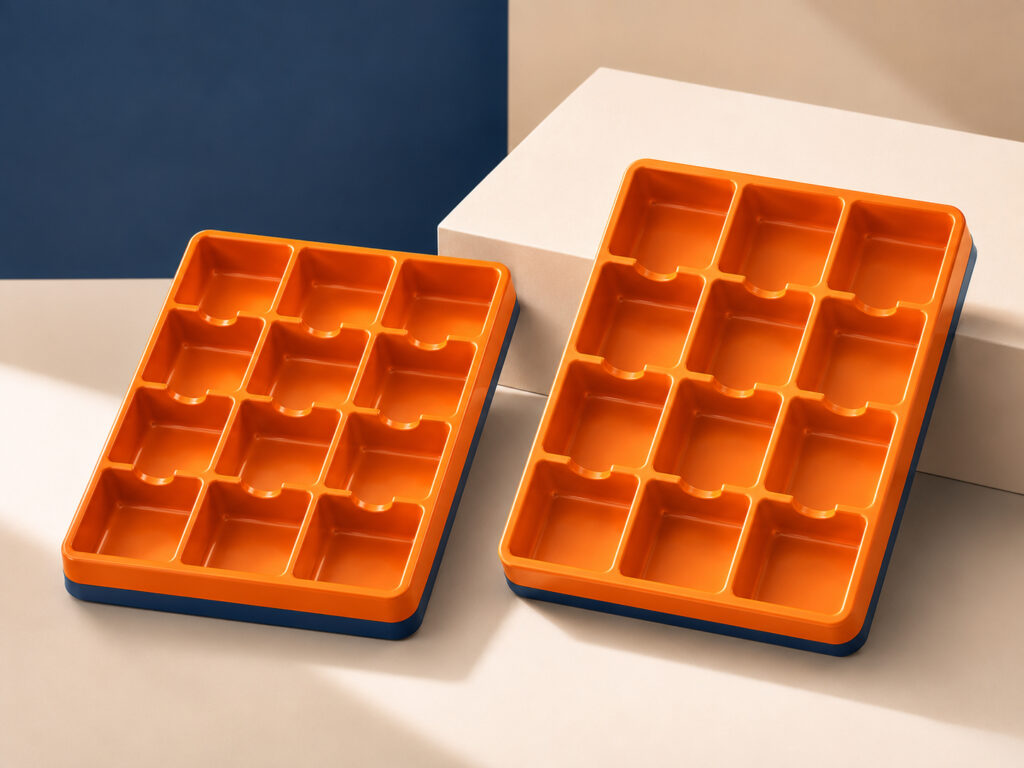
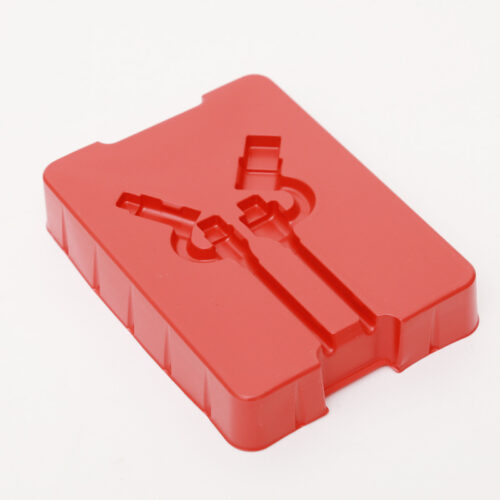
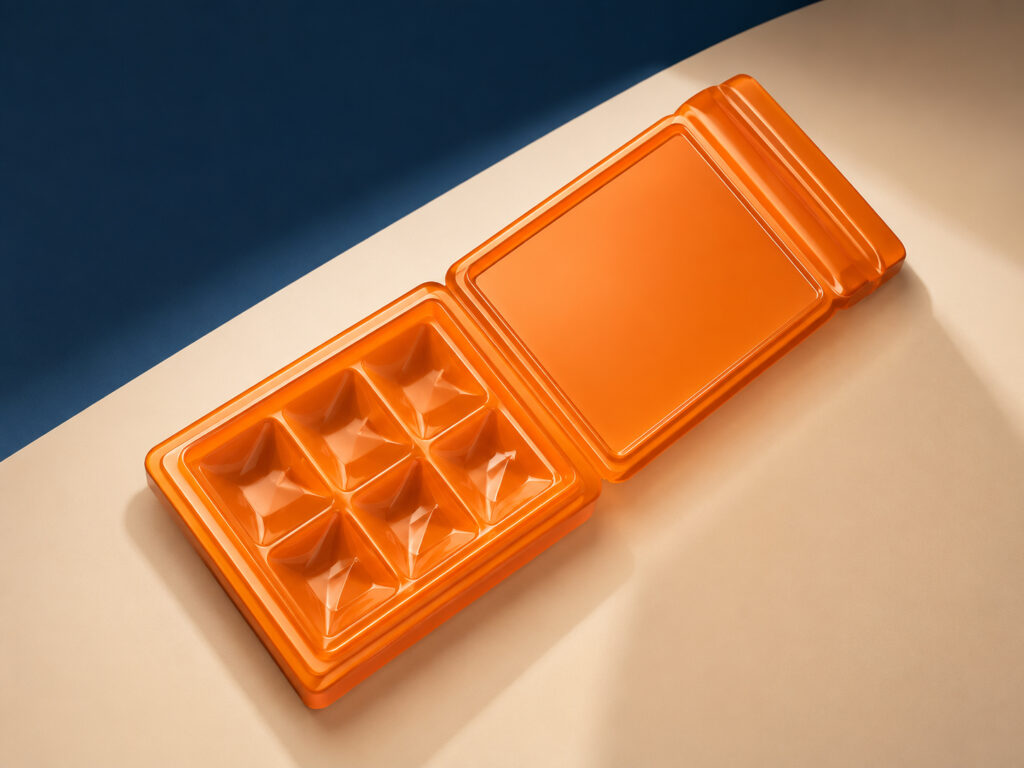
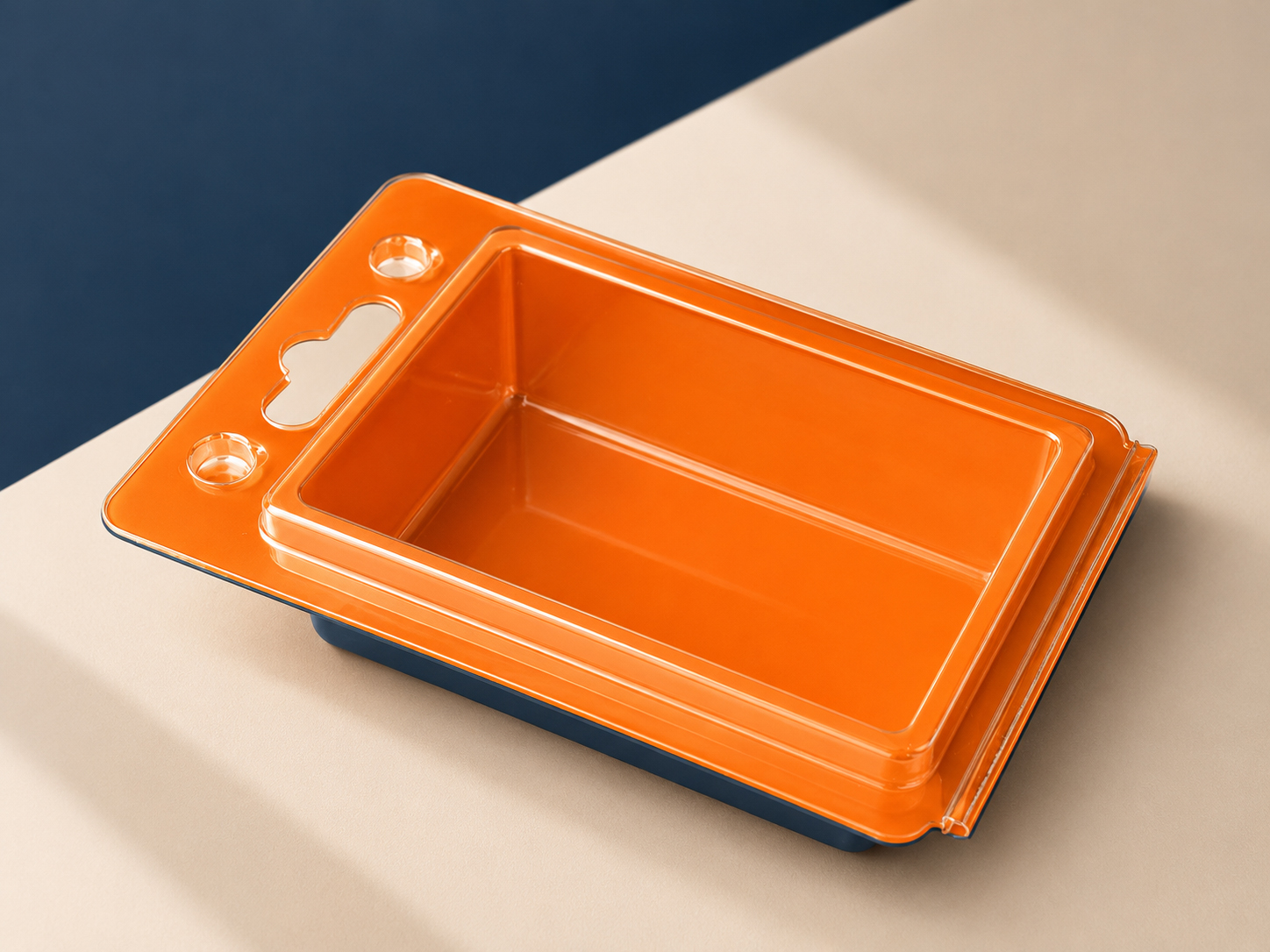
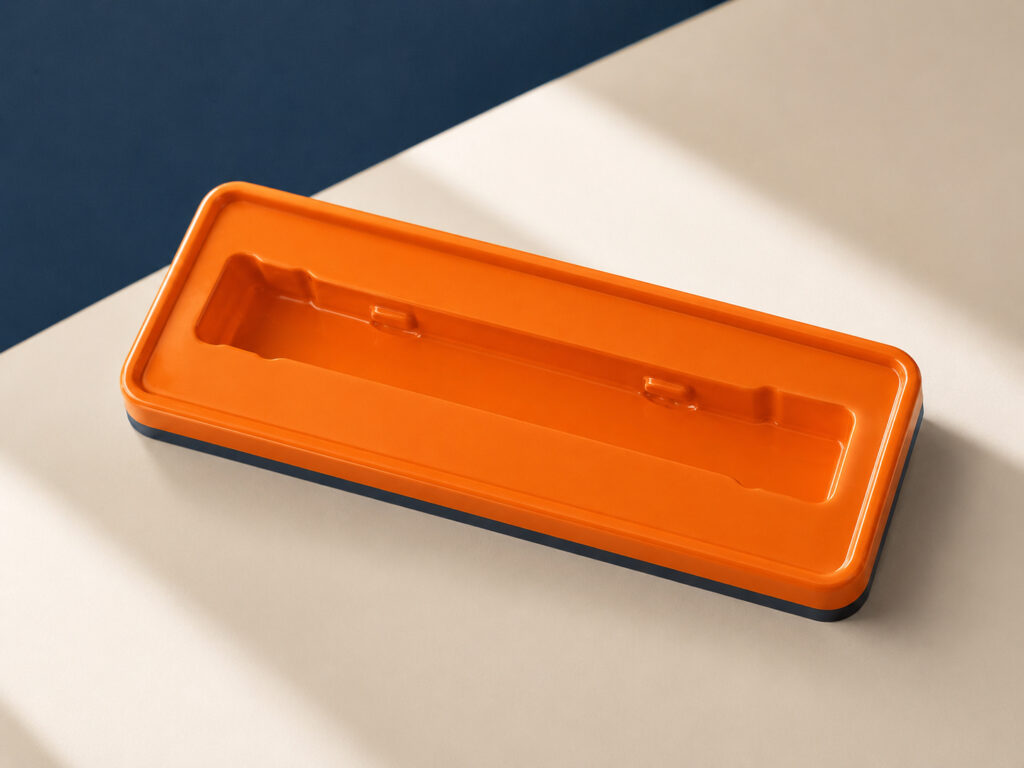
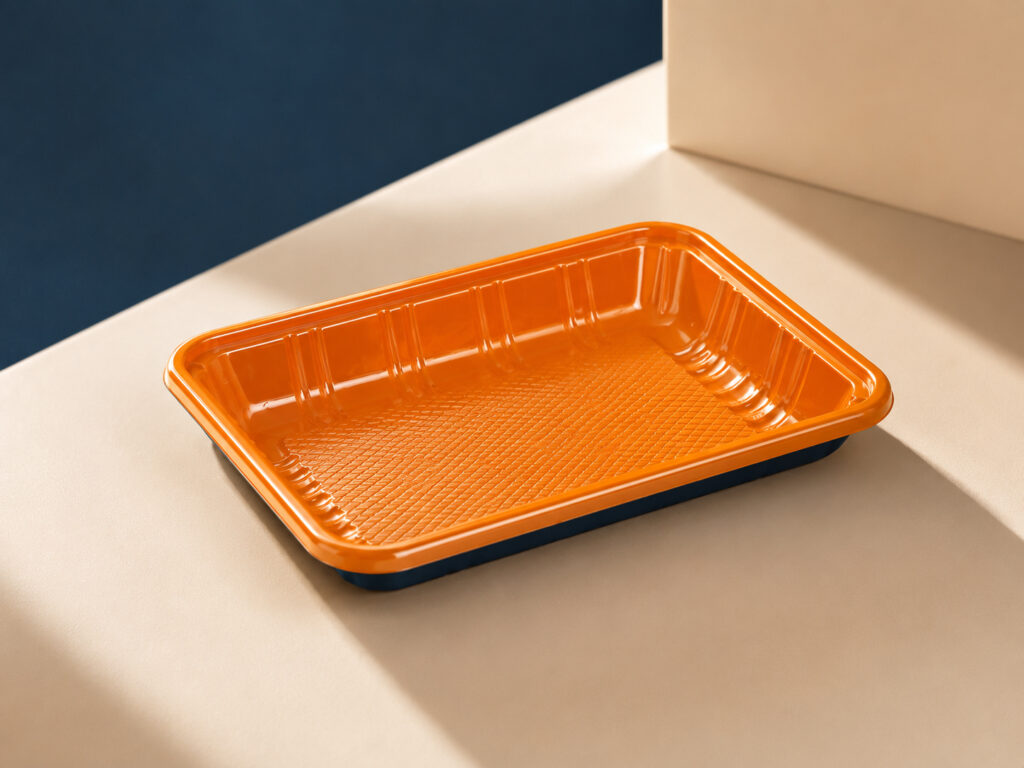
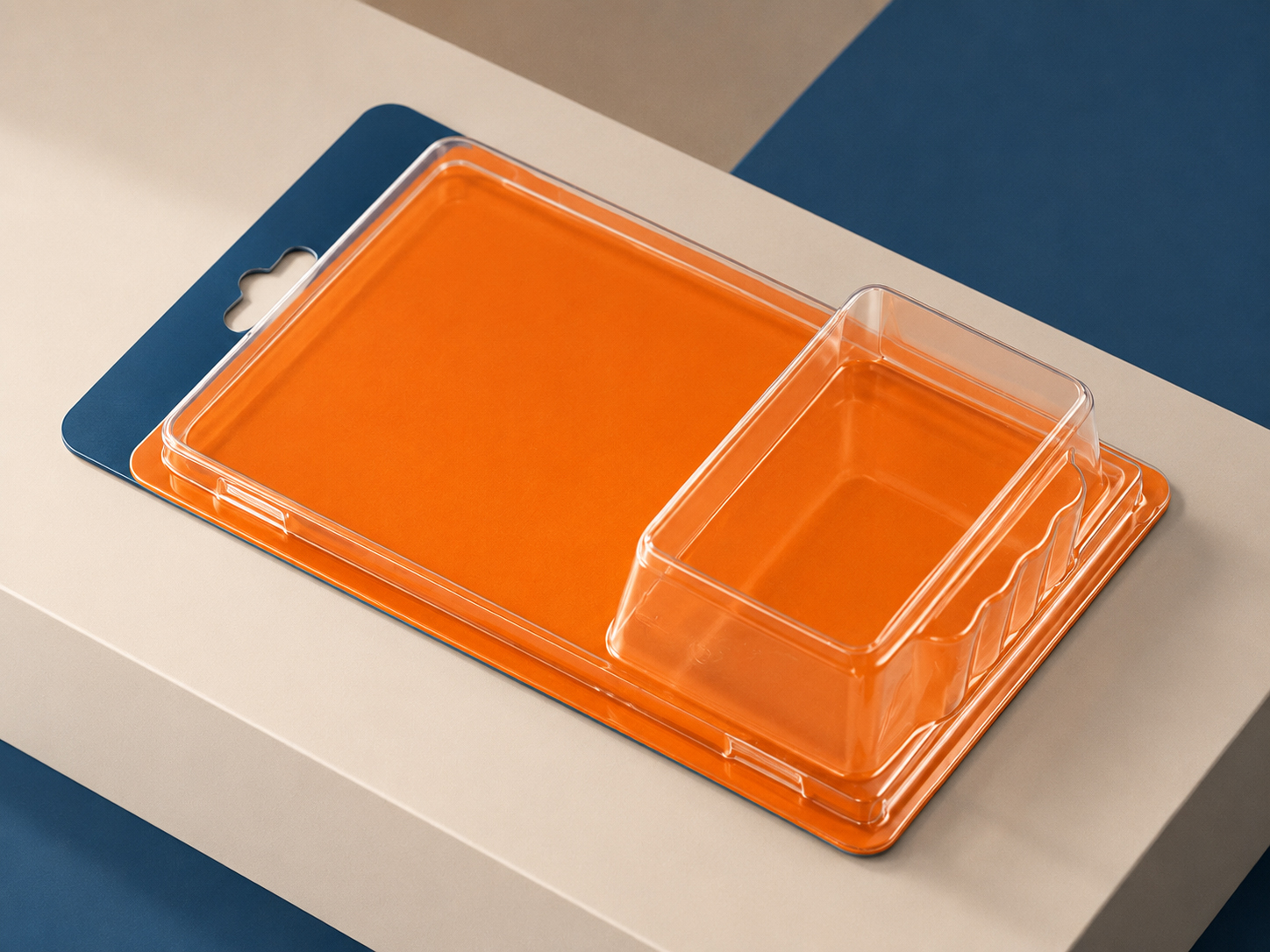
A PET blister insert is a thermoformed plastic tray designed to hold, separate, protect, and display a product inside an outer box. It is commonly selected when buyers need controlled positioning, clear product visibility, organized presentation, and a repeatable packing process.
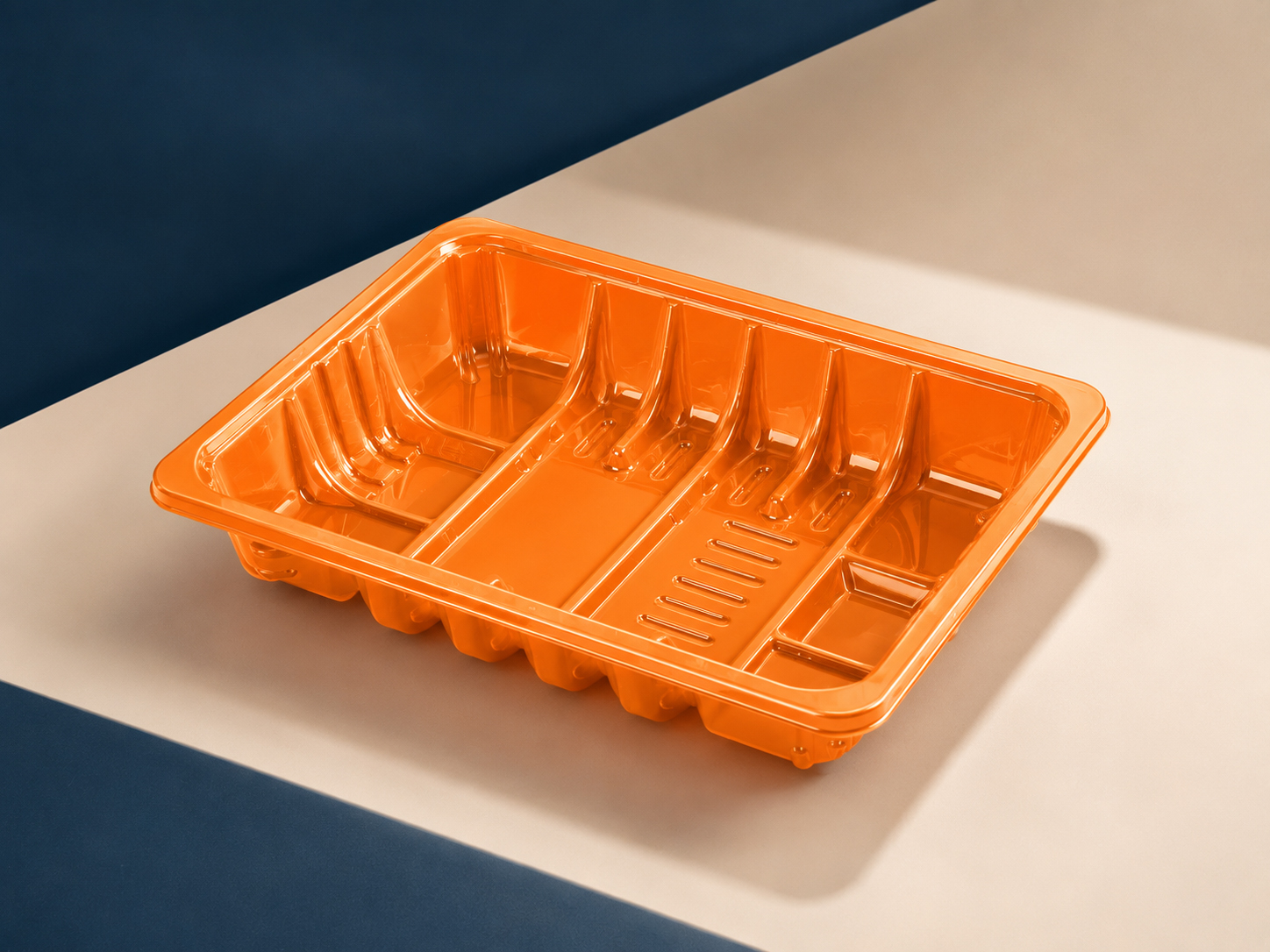
The cavity layout can be developed around your product dimensions, component arrangement, outer-box structure, and presentation requirements. From a simple single-cavity insert to a more detailed multi-compartment tray, the packaging is designed to support the product without adding unnecessary bulk.
What Is a PET Blister Insert and How Does It Protect Products
A PET blister insert keeps a product in a defined position inside its packaging. It helps limit movement, separates individual components, and provides protection and support during handling, packing, retail display, and shipping.
PET stands for polyethylene terephthalate. During thermoforming, a plastic sheet is heated until it becomes pliable, formed over a mold, cooled, and trimmed into the required shape.
Unlike loose filler or a generic flat insert, a formed tray follows the dimensions of the product. Cavities, supporting ribs, finger notches, and raised sections can be added where needed. The result is a more organized interior that makes products easier to pack, inspect, remove, and present.
The insert may sit inside a rigid paper box, folding carton, clear plastic box, or another outer packaging structure. Its role is not to replace the outer box, but to work with it as a complete product packaging system.
Explore Custom PET Blister Trays and Box Inserts
Explore custom PET blister packaging developed around different product dimensions, cavity layouts, presentation requirements, and outer-box structures. Each option can be reviewed according to fit, appearance, material, compartment arrangement, and packing needs.
-
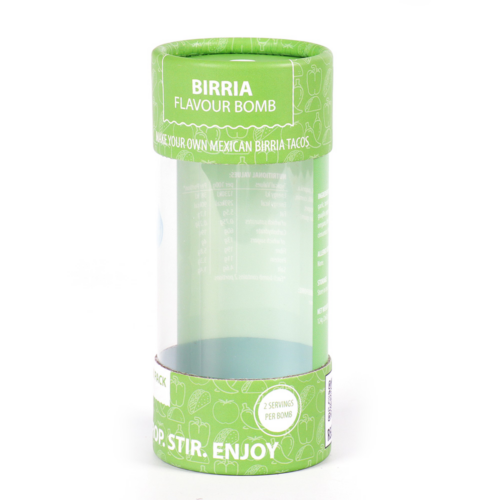
Printed Clear Birria Seasoning Tube with Paperboard Ends

- Plastic Packaging, Clear Cylinder Box, Custom Coffee Boxes, Custom Food Boxes, Custom Gifting Boxes, Custom Tea Boxes, Paper Tube Boxes, PET Blister Insert, PET Clear Boxes
A printed clear cylindrical tube for…
-
Printed Clear Birria Seasoning Tube with Paperboard Ends

- Plastic Packaging, Clear Cylinder Box, Custom Coffee Boxes, Custom Food Boxes, Custom Gifting Boxes, Custom Tea Boxes, PET Blister Insert, PET Clear Boxes
A printed clear cylindrical tube for…
-
Printed Clear Promotional Gift Tube with Paperboard Ends

- Plastic Packaging, Clear Cylinder Box, Custom Food Boxes, Custom Gifting Boxes, Custom Tea Boxes, Paper Tube Boxes, PET Blister Insert, PET Clear Boxes
A transparent cylindrical gift tube …
-
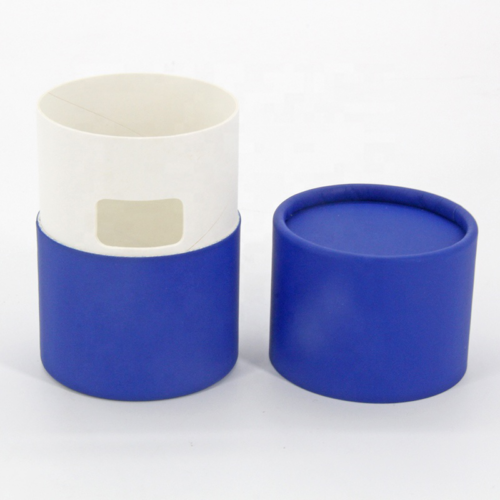
Blue Two-Piece Rigid Paper Tube Box with Side Thumb Window

- Paper Tube Boxes, Clear Cylinder Box, Custom Coffee Boxes, Custom Food Boxes, Custom Gifting Boxes, Custom Tea Boxes, PET Blister Insert, PET Clear Boxes
A compact blue rigid paper tube with…
-
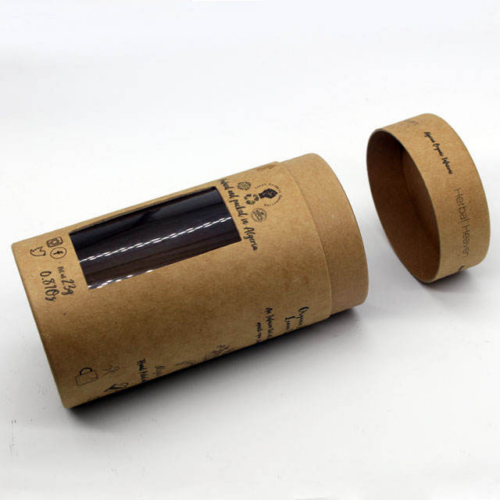
Printed Kraft Window Tube Box for Organic Henna Packaging

- Plastic Packaging, Clear Cylinder Box, Custom Coffee Boxes, Custom Food Boxes, Custom Gifting Boxes, Custom Tea Boxes, Paper Tube Boxes, PET Blister Insert, PET Clear Boxes
A rigid kraft paper tube for organic…
-
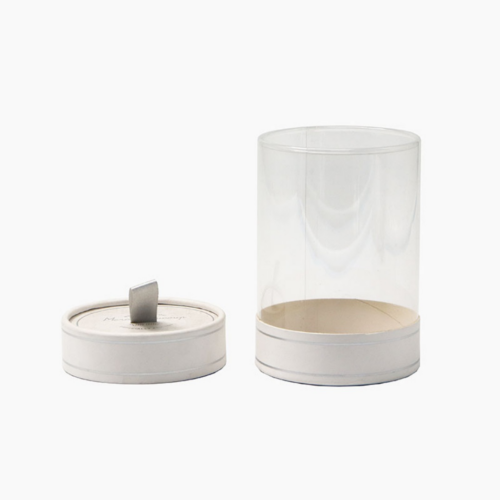
Clear Cylinder Display Box with Pull Tab Paperboard Lid

- Clear Cylinder Box, Custom Coffee Boxes, Custom Food Boxes, Custom Gifting Boxes, Custom Tea Boxes, Paper Tube Boxes, PET Blister Insert, PET Clear Boxes
A clear cylindrical gift box with si…
-
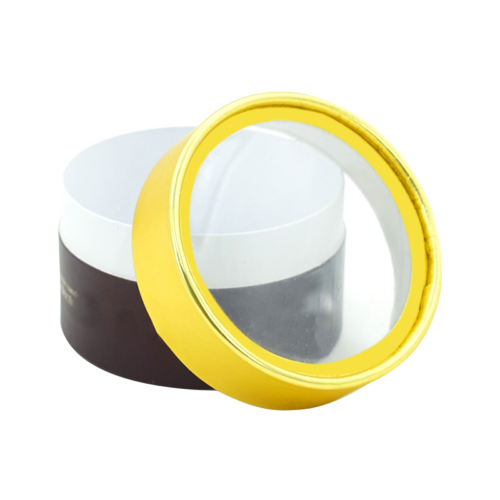
Rigid Round Window Gift Packaging Box with Gold Foil Lid

- Clear Cylinder Box, Custom Coffee Boxes, Custom Food Boxes, Custom Gifting Boxes, Custom Tea Boxes, Paper Tube Boxes, PET Blister Insert, PET Clear Boxes, Plastic Packaging
A rigid round paperboard gift box wi…
-
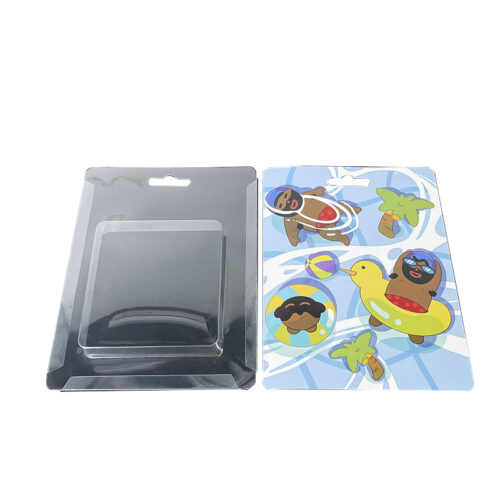
Printed Blister Card Pack for Toy Accessory Retail Sets

A printed blister card pack for toy …
Where Are Plastic Blister Trays Used
Plastic trays are used when products need stable positioning, clear visibility, component separation, or a more controlled presentation inside the outer package.
For electronics, a formed insert can keep devices, cables, adapters, and accessories in separate cavities. Cosmetic packaging may use transparent trays to hold bottles, jars, applicators, or coordinated product sets. Small consumer goods can be arranged in a consistent position so that each component is immediately visible after the box is opened.
A blister tray may also support retail kits, healthcare-related products, promotional packaging, or multi-piece gift sets. When used inside rigid boxes and folding cartons, the insert helps create a structured layout rather than allowing products to move freely.
The final level of protection depends on the insert, outer box, closure, shipping carton, product fragility, and distribution conditions. No single insert can provide 360-degree protection for your products under every possible handling situation.
How Are Custom Plastic Trays Designed for a Perfect Fit
Customizing your packaging begins with accurate information about the product. Length, width, height, weight, orientation, sensitive surfaces, and removal direction can all influence the cavity design.
Available customization considerations may include:
Cavity shape and depth
Number of compartments
Material thickness
Transparency or color
Surface texture
Finger notches and removal points
Supporting ribs or raised areas
Outer-box dimensions
Nesting and packing arrangement
Logo or printing options where technically appropriate
Digital drawings and 3D files can help the structural designer understand the basic geometry. A physical product sample is often more useful for irregular, fragile, flexible, or tolerance-sensitive items because it allows the actual fit to be checked.
The cavity should not be so tight that it scratches a finish, damages a label, or makes removal difficult. It should also not be so loose that the product shifts during handling. The goal is a perfect fit that balances retention, presentation, packing speed, and practical product removal.
PET Blister Tray Manufacturing Process
The manufacturing process usually follows a clear sequence:
Packaging consultation and project review
Product dimensions, samples, or 3D-file assessment
Cavity layout and structural design
Mold or tooling development
Prototype or sample production
Product-fit and outer-box testing
Thermoforming of the selected plastic sheet
Trimming and edge finishing
Quality inspection and sample approval
Bulk production, packing, and shipping preparation
Thermoforming uses heat to soften a plastic sheet before forming it into the mold shape. After cooling, the formed material retains the cavity structure and is trimmed to its final outline.
Tooling complexity may change according to the product dimensions, cavity depth, number of compartments, material, trim design, and required tolerances. Projects with deeper cavities, undercuts, complex shapes, or unusually precise positioning may require additional development.
How to Order Custom Blister Inserts for Your Packaging
A clear ordering process helps reduce design revisions and quotation delays. Buyers should provide as much relevant project information as possible at the beginning.
Useful quotation details include:
Product length, width, and height
Product weight
Photos, drawings, or a physical sample
Required order quantity
Number of products or cavities per tray
Internal dimensions of the outer box
Preferred PET or PVC material
Transparency or color requirements
Intended product application
Shipping destination
Target production schedule
After reviewing these details, the supplier can recommend a suitable insert structure, material, tooling approach, and sampling plan.
Minimum order requirements, tooling charges, sample fees, unit costs, production turnaround, and shipping costs depend on the dimensions, material usage, design complexity, order quantity, approval process, and delivery destination. Exact commercial figures should be confirmed through a project-specific quotation rather than assumed from a generic price list.
Blister Tray Fit Testing and Quality Control
Fit testing checks whether the product sits correctly inside the cavity and whether the insert works with the outer packaging.
Relevant quality control points may include:
Cavity dimensions
Product retention and removal
Tray rigidity
Material thickness consistency
Surface appearance
Transparency
Edge trimming
Compartment alignment
Nesting performance
Outer-box compatibility
Packing condition
Production consistency
A tray that fits the product but does not fit the box can create assembly problems. In the same way, an insert that looks correct when empty may still need adjustment once the product weight and center of gravity are considered.
These checks help deliver product integrity and reduce avoidable packing issues. They support safer deliveries, but they do not guarantee that the packaging will prevent every form of impact, compression, vibration, or mishandling.
Are PET Blister Trays Recyclable
PET blister trays may be recyclable where appropriate collection, sorting, and processing systems are available. Acceptance varies by community and region, so buyers should verify the recycling conditions in the destination market rather than using a universal recyclability claim.
Recycled-content materials may also be available, depending on the required appearance, performance, material supply, and supplier capability. Any “made from recycled material” statement should match the actual resin specification and supporting documentation.
Lightweight structures may help reduce material use and transportation weight, but thinner is not always better. The insert must still maintain enough durability and rigidity to protect the product and perform consistently during packing.
A practical sustainability review should consider:
Total material use
Product protection
Insert and outer-box compatibility
Recycled-content availability
Local collection systems
Sorting and processing infrastructure
Labels, coatings, adhesives, and other components
The complete packaging system
Custom PET Blister Insert Questions from Packaging Buyers
What is a PET blister insert?
A PET blister insert is a thermoformed plastic tray shaped to hold and organize a product inside an outer package. Its cavities can be designed around the product dimensions and component layout.
What is the difference between PET and PVC blister packaging?
PET and PVC are different plastic materials with different forming, performance, and recycling considerations. The appropriate choice depends on the application, market, appearance, specification, and packaging structure.
Can a plastic tray be customized to fit my product?
Yes. The cavity shape, depth, compartment count, thickness, transparency, color, and overall dimensions can be customized around the product and outer box.
What information is required for a quotation?
Provide product dimensions, weight, photos or files, order quantity, cavity count, outer-box dimensions, preferred material, destination, and target schedule.
Is a physical product sample required?
A physical sample is not always required, but it is recommended for irregular, fragile, flexible, or tolerance-sensitive products. It allows the supplier to test the actual fit and removal experience.
Can a PET insert fit inside a rigid paper box?
Yes. PET plastic trays can be developed to fit inside rigid boxes, folding cartons, and other outer packaging, provided the internal dimensions and assembly tolerances are confirmed.
What affects tooling and unit costs?
Tooling and unit costs are affected by tray dimensions, cavity depth, design complexity, material thickness, compartment count, order quantity, trimming requirements, and production volume.
What affects the production turnaround?
Turnaround depends on design preparation, tooling complexity, sampling, buyer approval, material availability, production scheduling, quantity, packing, and shipping arrangements.
Request a Custom PET Blister Insert Quote
Send your product dimensions, photos or 3D files, required quantity, outer-box dimensions, preferred material, and shipping destination through the quotation form. A physical product sample can also be arranged when accurate fit testing is required.
These details help the packaging team evaluate the cavity structure, material selection, tooling requirements, sampling plan, estimated pricing, and bulk-production schedule.